
Investing in a premium office chair is one of the most significant decisions you can make for your home office, especially when preparing for long hours of focused work. Steelcase and Herman Miller represent two distinct philosophies in high-end ergonomic design. Rather than one being universally superior, the choice between them depends on how you prefer to sit, your physical space, and your desire for manual adjustability versus automatic posture correction. Understanding these fundamental differences allows you to select a chair that supports your body naturally throughout the workday.
Core Ergonomic Approaches for Daily Use
To choose between these two industry giants, you must first understand their contrasting ergonomic philosophies. Steelcase generally designs chairs around the concept of active adjustment. Their mechanisms are engineered to mimic the natural movement of the human spine, allowing the backrest to flex and change shape as you shift positions. This approach prioritizes continuous support through a wide range of postures, making it highly suitable for users who fidget, lean forward, or change their seating angles frequently during the day. You manually adjust dials and levers to dial in the exact tension, seat depth, and lumbar positioning you require.
In contrast, Herman Miller is renowned for its suspension-mesh designs and passive ergonomic systems. Instead of relying on manual adjustments for every movement, many of their flagship designs use a balanced tilt mechanism and tensioned elastomeric mesh to distribute weight evenly. This design encourages a scientifically optimal upright posture, gently guiding your pelvis into a healthy alignment. While it offers fewer manual levers, the chair reacts dynamically to your body weight and recline angle. If you prefer a chair that sets a disciplined, breathable posture and keeps you cool, this passive, suspension-led approach is often the preferred choice.
Products mentioned in this guide
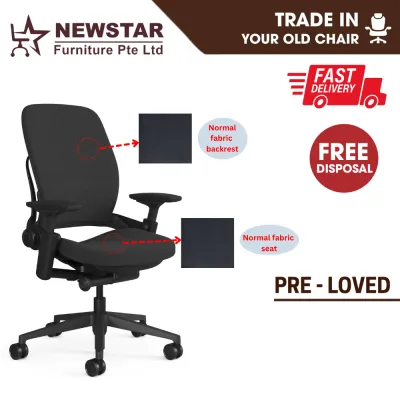
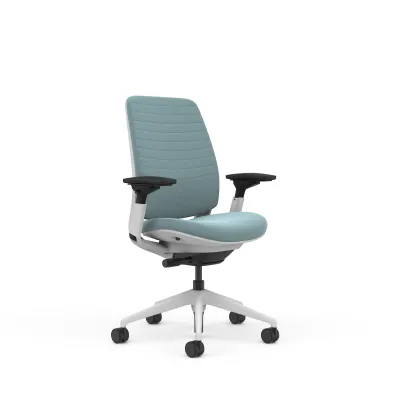
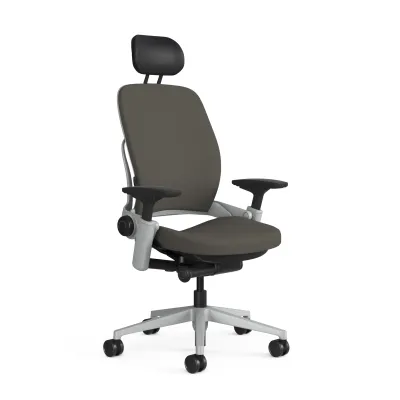
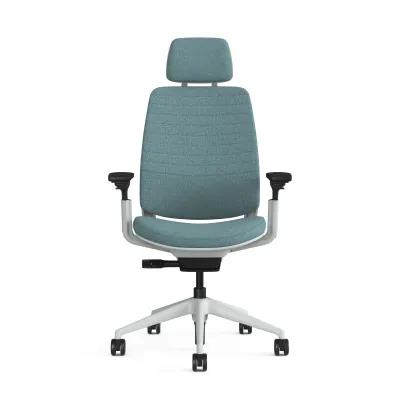
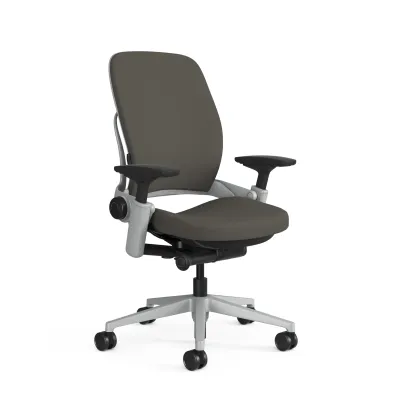
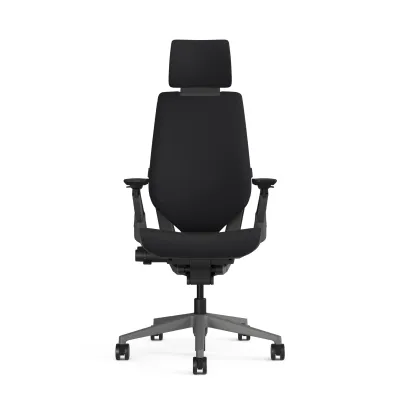
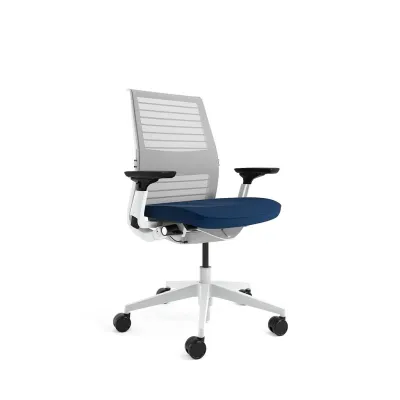
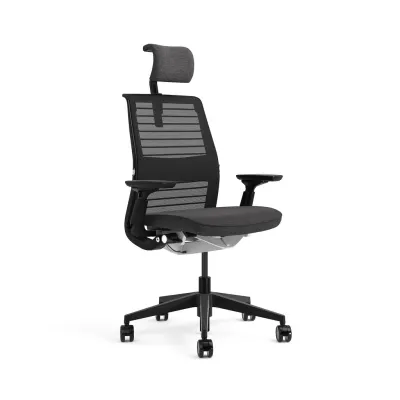
Prices are valid at publication and may change. Please refer to the product page for the latest price.
When evaluating these mechanisms, pay close attention to specific adjustable features. Check the seat depth adjustment; a proper seat pan should support your thighs without pressing against the back of your knees. Armrest articulation is another critical factor, particularly if you switch between typing, using a mouse, and reclining. Look for armrests that adjust not just in height, but also pivot inward and slide forward or backward to keep your shoulders relaxed. Finally, test the recline tension control to ensure you can transition from an upright working posture to a relaxed recline without feeling like you are falling backward or fighting a stiff spring.
To match these mechanics to your daily routine, consider this quick checklist before making a decision:
- Desk Height Compatibility: Ensure the armrests can lower sufficiently to slide under your desk when not in use, or raise high enough to align perfectly with your keyboard tray.
- Movement Habits: If you sit cross-legged or frequently shift your weight, look for flexible seat edges and wide seat pans, which are more common in active-sitting designs.
- Task Variety: If your day involves a mix of intense typing, video calls, and reading, prioritize chairs with a wide recline range and lockable tilt limiters.
Build Quality and Material Durability Checks
A premium office chair represents a substantial financial commitment, often exceeding S$1,000, which makes physical durability a primary consideration. When inspecting a chair, start with the structural foundation. Examine the base and casters; high-quality models typically feature reinforced glass-filled nylon or polished aluminum bases rather than thin, flexible plastics. The casters should be selected based on your flooring, with soft-tread wheels preferred for hard surfaces like parquet or vinyl to prevent scratching, and hard casters reserved for thick carpets.

The tilt mechanism housing is the heart of any ergonomic chair and should be robustly constructed. Look for heavy-duty steel or cast aluminum housings that protect the internal springs and tension rods. Any play or wobble in the cylinder when the chair is locked at its highest setting can indicate premature wear or loose tolerances. Additionally, check the adjustment levers and knobs; they should operate smoothly without sticking, grinding, or requiring excessive force to engage.
Upholstery choice directly impacts both daily comfort and long-term wear. Traditional fabric upholstery offers a soft, cushioned feel but requires regular vacuuming and prompt spot-cleaning to prevent stains. If you select fabric, check the manufacturer’s double-rub count, which measures wear resistance; premium commercial-grade fabrics should withstand tens of thousands of rubs. Mesh upholstery, on the other hand, provides exceptional breathability—a crucial factor in warm climates—but you must inspect the tension of the weave. High-quality mesh should feel firm and spring back instantly without sagging over years of use.
Finally, always verify the manufacturer’s structural weight limits and the specifics of their warranty. Premium brands typically design their chairs to support up to 136 kg (or even 150 kg on heavy-duty models) and back their products with extensive multi-year warranties. However, you must read the fine print to understand what is covered. A comprehensive warranty should cover the gas cylinder, tilt mechanism, and frame for at least a decade, while wear-and-tear items like arm pads and fabric may have shorter coverage periods.
Sizing, Adjustability, and Home Office Fit
Finding the right chair is not just about ergonomic features; it must also physically fit your body and your home office environment. Start by taking precise measurements of your workspace and your physical dimensions. Measure your desk height, the width of your seating area, and the maximum footprint the chair can occupy without blocking walkways. Compare these to the chair’s specifications, paying close attention to the seat width, backrest height, and the overall width of the base, which is often wider than the seat itself to ensure stability.
In Singapore, residential layouts often present unique spatial challenges. Before ordering a fully assembled premium chair, you must verify the delivery path. Measure the clearance of your apartment’s front door, internal hallways, and especially the elevator door and cabin dimensions. Some premium chairs are shipped fully assembled in large, bulky boxes that may not easily navigate tight corners or older lift designs. Confirming these dimensions beforehand prevents delivery delays or the need to unbox the chair in a common corridor.
If your home office is a shared workspace, the trade-offs between highly adjustable models and fixed-profile designs become highly relevant. A highly adjustable chair with independent seat depth, lumbar height, and armrest controls is ideal if multiple family members of different heights and builds use the same desk. However, this requires each user to manually readjust the chair every time they sit down. If you prefer a seamless transition, look for models with weight-activated tension mechanisms that automatically balance the recline based on the user’s weight, reducing the need for constant manual tweaking.
Value, Warranty, and Pricing Considerations
When evaluating the cost of a premium office chair, it is helpful to look past the initial price tag and calculate the total cost of ownership over its lifespan. A budget chair costing S$200 that needs replacement every two years ultimately costs more in money, time, and physical discomfort than a premium chair that lasts twelve years or more. When you break down a S$1,500 investment over a twelve-year warranty period, the cost is highly reasonable per year for daily physical support and comfort.
To protect this investment, carefully review the warranty terms offered by the manufacturer and the local distributor. A true premium warranty should cover both parts and labor, and ideally, the distributor should offer on-site repair services in Singapore so you do not have to ship a heavy chair back to a warehouse. Be aware that warranties are typically non-transferable, meaning they only apply to the original purchaser. If you buy a secondhand chair, you forfeit these protections, which should be factored into the price you are willing to pay.
Because of the high value of these chairs, counterfeit products and unauthorized refurbishments are common on online marketplaces. To ensure you receive a genuine product with a valid warranty, always purchase through authorized dealers listed on the official brand websites. When inspecting a chair, look for physical markers of authenticity, such as the manufacturer’s label containing the serial number, model number, and manufacture date, usually located on the underside of the seat pan. If a seller on an e-commerce platform cannot provide these details or offers a price that seems too good to be true, it is safest to verify their credentials directly with the brand’s local representative.
Final Decision Framework
To make your final choice, align your daily habits, physical preferences, and workspace constraints with the core strengths of each brand. This structured framework will help guide your final decision.
Choose Steelcase if:
- You prefer a traditional cushioned seat feel over a full-mesh suspension design.
- You want highly granular, manual control over every adjustment, including precise seat depth and highly articulating armrests.
- You tend to shift positions, sit cross-legged, or lean back frequently, requiring a flexible backrest that moves dynamically with you.
Choose Herman Miller if:
- You prioritize maximum breathability and want a mesh material that keeps you cool during long working hours.
- You prefer a chair that actively encourages a disciplined, ergonomically correct posture with minimal manual adjustment.
- You appreciate iconic, sculptural design aesthetics and want a chair that integrates seamlessly into a modern home interior.
Verify first if:
- Your desk has low drawers or a keyboard tray that might conflict with wide or high armrests.
- Your apartment lift or doorway has tight clearances that could complicate the delivery of a fully assembled unit.
- Multiple people of significantly different heights will share the chair, which may require a model with highly intuitive, auto-weight-sensing adjustments.
Before making your final purchase, visit a local showroom if possible to test both styles of seating. Sit in each chair for at least fifteen minutes, adjusting the controls to match your desk height, to ensure the physical fit matches your expectations.
Frequently Asked Questions (FAQ)
Do I need a headrest for long home office hours?
A headrest is generally not necessary if you spend most of your time in an upright, task-focused typing posture, as your neck should naturally align over your spine. However, if your daily routine involves frequent video calls, reading, or reclining to think, a headrest can provide valuable support to reduce neck strain. Before purchasing, check if your chosen model supports an official add-on headrest, as some designs do not accommodate aftermarket options without voiding the warranty.
How do I verify the authenticity of premium chairs?
To verify authenticity, locate the manufacturing sticker on the underside of the seat frame, which contains the unique serial number, barcode, and production date. You can cross-reference this information with the manufacturer’s official registry or local authorized distributor. Additionally, genuine premium chairs feature high-quality cast metal or reinforced composite components with clean joints and smooth adjustment mechanisms, whereas counterfeits often use cheap, lightweight plastics and have loose, rattling parts.

Community discussion
Share your experience or ask a question. Comments are reviewed before publication.