
Choosing a premium office chair for your home office in Singapore is an investment in your long-term spinal health, daily comfort, and productivity. Steelcase stands out among high-end seating brands for its emphasis on dynamic, movement-based ergonomics, contrasting with competitors that often rely on tensioned mesh or rigid structural frames. While other premium brands may prioritize iconic design silhouettes or suspended mesh suspension, Steelcase focuses on flexible backrests and intuitive, weight-activated mechanisms that adapt to your body as you shift positions throughout the day. Understanding these design differences is key to selecting a chair that fits both your physical needs and your home workspace.
Evaluating a high-end chair requires looking beyond aesthetics to analyze how a seat supports your body during long hours of focused work. Because home offices often double as bedrooms or living spaces, the ideal chair must balance professional-grade ergonomic support with practical spatial constraints. By comparing the core philosophies, adjustability features, and build materials of Steelcase and its premium competitors, you can make an informed decision that protects your posture and delivers excellent long-term value.
Identify Your Ergonomic Needs and Workspace Constraints
Before comparing specific brands, you must assess your personal physical requirements and the physical limitations of your home office. Ergonomic needs vary widely depending on your daily sitting duration, primary work tasks, and any pre-existing discomfort. If you spend upwards of eight hours a day at your desk, you require a chair designed for dynamic sitting, which encourages micro-movements to keep your muscles active and prevent stiffness.
Products mentioned in this guide
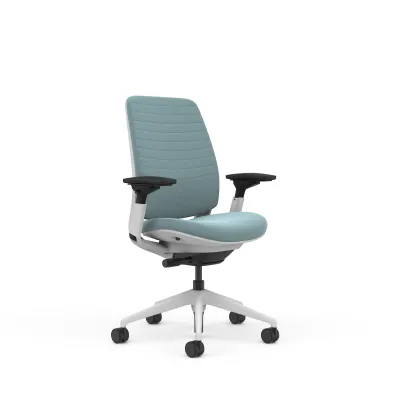
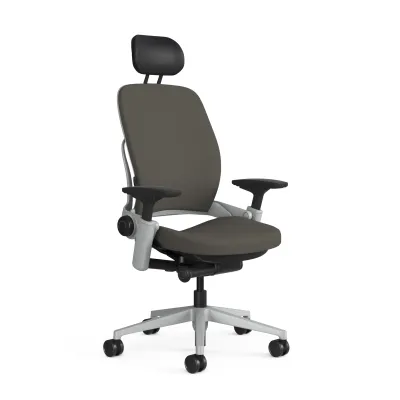
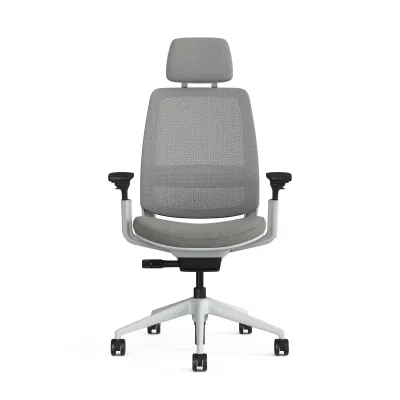
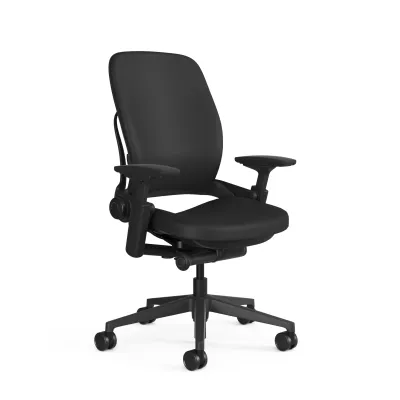
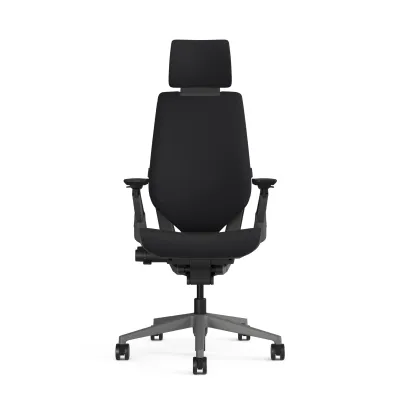
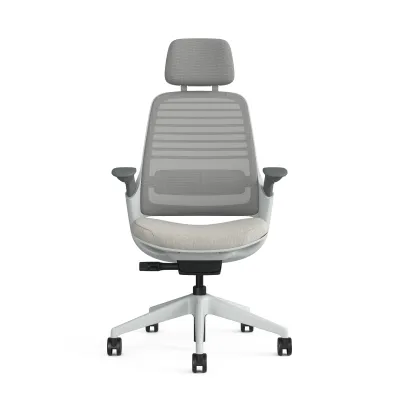
Prices are valid at publication and may change. Please refer to the product page for the latest price.
Take note of your specific physical pain points to guide your search. For instance, persistent lower back pain often indicates a need for highly responsive lumbar support that maintains the natural curve of your spine. If you experience neck or shoulder tension, look for chairs with highly adjustable armrests that support your forearms without forcing your shoulders upward, or consider adding a dedicated headrest for reclined tasks.
Workspace constraints are equally critical, especially in Singapore’s compact urban apartments where study corners or spare bedrooms may have limited floor space. Measure the footprint of your desk area, keeping in mind that premium ergonomic chairs often feature wide, stable five-star bases that can measure up to 70 centimeters in diameter. Ensure there is sufficient clearance behind the chair to allow for a full recline without striking walls, bookshelves, or wardrobes.
Desk height compatibility is another vital factor to verify. Measure the distance from the floor to the underside of your desk, paying close attention to any drawers or support beams that might block the chair’s armrests. A compatible chair should allow the armrests to slide easily under the desk surface when not in use, helping you save valuable floor space and maintain a tidy room layout.
Finally, consider delivery and installation logistics. Premium office chairs are highly engineered, complex products that are frequently delivered fully assembled in large, heavy boxes. Verify the dimensions of your home’s doorways, hallways, and lift access to ensure the delivery team can safely transport the chair into your designated workspace without obstruction.
Understanding the Steelcase Ergonomic Philosophy
Steelcase designs its chairs around the core philosophy that the human body is built to move. Rather than locking the user into a single, static posture, their engineering focuses on supporting continuous movement throughout the day. This approach is based on the anatomical reality that the spine does not move as a single unit; instead, the upper and lower regions of the spine require different levels of support as you recline or sit upright.

To facilitate this dynamic movement, Steelcase incorporates flexible backrests and synchronized tilt mechanisms into its premium lines. The backrest is designed to mimic the natural movement of the spine, flexing to maintain continuous contact with your lower back even as you shift or twist. This active support helps distribute your body weight evenly, reducing pressure points on the sit bones and thighs.
Their synchronized tilt mechanisms ensure that the seat pan and backrest move in harmony. As you recline, the seat moves at a slightly shallower angle than the backrest, keeping your feet flat on the floor and your knees at a comfortable angle. This design keeps your eyes aligned with your computer monitor and your hands within reach of your keyboard, making it easier to stay productive while relaxing your posture.
By automating much of the support through weight-activated mechanisms, these chairs reduce the need for manual adjustments. The chair uses your own body weight to determine the resistance of the recline, providing an intuitive balance that supports you in any position. This seamless adaptability is particularly beneficial for home users who share a chair with other family members, as the seat adjusts automatically to different body types.
Core Dimensions for Comparing Premium Office Chairs
When investing in a high-end office chair, comparing brands requires a structured framework. The primary decision drivers that separate a professional-grade ergonomic tool from a standard desk chair are adjustability, material durability, and the strength of local after-sales support.
Adjustability and Lumbar Responsiveness
To find the right fit, compare how different chairs handle lumbar support and user adjustments. Steelcase models typically feature active lumbar systems, such as adjustable sliders that allow you to change both the height and the firmness of the lower back support. This contrasts with some premium competitors that rely on passive, tensioned mesh backrests, which provide a uniform level of support but lack localized adjustability.
Armrest adjustability is another critical area to verify. Look for 4D armrests, which adjust in height, width, depth, and pivot angle. This extensive range of motion allows you to position the armrests close to your body to support your elbows while typing, or slide them back and out of the way when you want to sit closer to your desk.
Additionally, check for a seat depth slider, which is essential for accommodating different leg lengths. A properly adjusted seat pan supports your thighs fully without pressing against the back of your knees, which can restrict blood circulation. Verify whether these adjustments require manual locking or if the chair’s components adapt dynamically to your movements.
Build Materials, Weight Capacity, and Warranty
In Singapore’s warm and humid climate, the choice of build materials directly impacts daily comfort. While full-mesh chairs offer excellent airflow, high-density foam seat cushions covered in breathable, moisture-wicking fabric provide superior pressure distribution for long sitting sessions. Steelcase chairs often utilize proprietary, contoured foam cushions designed to prevent heat buildup while maintaining their shape over years of use.
Examine the structural components, including the base material, caster type, and manufacturer-stated weight capacity. Premium chairs feature reinforced polymer or die-cast aluminum bases paired with durable casters designed for either hard floors or carpets. A high weight capacity, often up to 136 kilograms or more, is a strong indicator of robust structural integrity and long-term stability.
Warranty coverage is a key differentiator for premium seating. A standard manufacturer’s warranty for a high-end chair often spans up to 12 years, covering key structural components, mechanisms, and cylinders. Carefully review the warranty terms to confirm which parts are covered locally in Singapore and whether fabric, foam, or arm pads have shorter coverage periods.
Evaluating Long-Term Value and Local Support
Premium office chairs represent a significant financial commitment, with prices in Singapore typically starting around S$1,000 and easily exceeding S$2,500 for fully customized models. To evaluate the true value of this investment, it is helpful to calculate the cost of ownership over the chair’s expected lifespan. A high-quality chair that lasts 12 years under warranty costs far less per year than a budget chair that must be replaced every two to three years.
Consider the durability of moving parts and upholstery over time. High-end chairs use industrial-grade plastics, metals, and high-rub-count fabrics that resist sagging, cracking, and mechanical wear. This durability ensures that the chair continues to provide the same level of ergonomic support in year ten as it did on day one, protecting your physical health over the long term.
Local support in Singapore is a crucial factor when purchasing a premium chair. Confirm whether the brand has an official showroom or an authorized local distributor where you can test-sit different models before buying. A strong local presence ensures that you have access to professional assembly, prompt customer service, and authorized technicians who can source genuine replacement parts if repairs are needed.
Avoid purchasing premium chairs from unauthorized parallel importers or unverified online marketplaces. While these sellers may offer lower initial prices, they often do not provide a valid manufacturer’s warranty, leaving you without local servicing support if a component fails. Buying through official channels guarantees authenticity and ensures your investment is fully protected.
Decision Framework: Matching the Chair to Your Work Style
To make your final decision, match the characteristics of each brand to your specific daily habits and preferences. Choose a Steelcase chair if you prioritize dynamic movement, a cushioned seat, and intuitive, self-adjusting ergonomics. Their designs are highly suited for users who shift positions frequently, lean back to read or take calls, and prefer a chair that adapts to their body automatically without constant manual tweaking.
Consider competing premium alternatives if you prefer the suspended, weightless sensation of a full-mesh seat and backrest, or if you require a highly specific aesthetic finish to match a curated home interior. Some users also prefer chairs with a more rigid, upright frame that gently coaxes the body into a disciplined, static posture rather than encouraging active movement.
Before finalizing your purchase, verify your unique physical requirements against the specifications of your chosen model. If you fall outside average height or weight ranges, or if you have chronic back issues, visiting a local showroom to test the chair in person is the most reliable way to ensure a perfect ergonomic fit. Taking the time to test the adjustments and feel the materials firsthand will give you complete confidence in your investment.
Frequently Asked Questions (FAQ)
Is it necessary to test a premium office chair before buying?
Yes, physical testing is highly recommended when investing in a premium ergonomic chair. Because body proportions, spinal curvature, and subjective comfort preferences vary greatly from person to person, a chair that works perfectly for one individual may feel uncomfortable for another. Visiting an authorized showroom in Singapore allows you to test how the lumbar support aligns with your spine, check if your feet rest flat on the floor, and experience the responsiveness of the tilt mechanisms firsthand.
How do I verify if a chair is an authorized purchase in Singapore?
To ensure your chair is authentic and fully covered by the manufacturer’s warranty, always purchase through official brand channels or authorized local distributors. You can verify these by checking the brand’s official global or regional website, which typically lists authorized physical showrooms and online retail partners. Avoid buying from unauthorized parallel importers or unverified sellers on general online marketplaces, as these purchases often void the manufacturer’s warranty and leave you without local servicing support if a component fails.

Community discussion
Share your experience or ask a question. Comments are reviewed before publication.