
Deciding between the Steelcase Amia and Steelcase Leap comes down to how much active control you want over your seating posture. While both are premium ergonomic chairs engineered to support long hours of desk work, they approach spinal alignment and user movement differently. The Amia offers a streamlined, universally comfortable design with a traditional cushion feel and subtle, automatic back support. In contrast, the Leap is a highly adjustable flagship model designed for active sitters who want to fine-tune every aspect of their back tension, lumbar curve, and recline resistance.
Selecting the right chair requires evaluating your daily work habits, physical proportions, and how much time you spend in different sitting positions. A chair that fits one person perfectly might cause discomfort for another due to differences in spinal curvature and thigh length. By comparing the core design philosophies, backrest mechanics, seat comfort, and adjustability of these two models, you can make an informed investment for your workspace.
Core Design Philosophy and Target User Profile
The Steelcase Amia is engineered with a “sit-and-forget” philosophy, focusing on universal comfort and clean aesthetics. It features an integrated LiveLumbar system hidden within the backrest, which automatically contours to your spine without requiring constant manual adjustments. This design makes the Amia highly versatile, fitting seamlessly into shared workspaces, home offices, and conference rooms where multiple people of varying body types might use the same chair. It is ideal for users who prefer a traditional, supportive feel without a steep learning curve.
Products mentioned in this guide
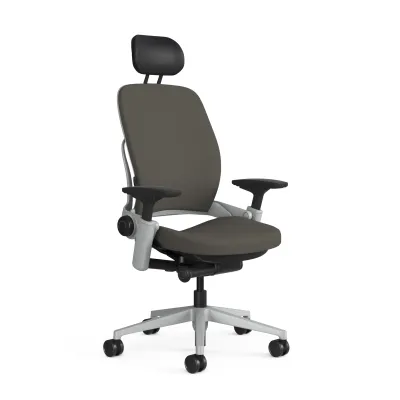
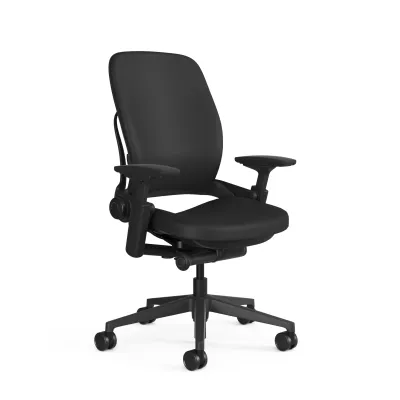
Prices are valid at publication and may change. Please refer to the product page for the latest price.
The Steelcase Leap, on the other hand, is designed around the concept of active, dynamic support. It incorporates Steelcase’s signature LiveBack technology, which allows the backrest to change shape dynamically to mimic the natural movement of your spine as you shift postures. The Leap is built for individuals who spend long, uninterrupted hours at their desks and require highly customized, localized support. It targets users who frequently transition between upright typing, focused tasking, and deep reclining throughout the day.
To determine which philosophy aligns with your needs, consider a few initial self-assessment questions about your daily routine. Do you tend to sit in a single, upright position, or do you constantly shift, lean, and recline? Do you prefer a backrest that actively hugs your lower back with noticeable pressure, or do you prefer a flatter, more cushioned support system? Answering these questions will help guide your focus as you compare the specific mechanical features of each chair.
Backrest Mechanics and Lumbar Support Systems
The structural design of the backrest represents the most significant difference between these two models. The Amia features a relatively flat, fully upholstered backrest with an internal system of flexible plastic flexors. These flexors bend and stretch to accommodate your back’s shape, while a simple sliding lumbar pad allows you to adjust the height of the support. The resulting feel is supportive yet subtle, providing a gentle pressure across the entire lower back area without feeling overly intrusive.

In contrast, the Leap features a highly sculpted, exposed backrest frame designed for maximum flexibility. The Leap’s LiveBack system is split into two distinct zones: the upper back control, which adjusts the amount of resistance you feel when reclining, and the lower back firmness control. The lower back firmness is adjusted via a manual knob that increases or decreases the tension and curvature of the lumbar region. This allows you to dial in a highly pronounced, firm support system that actively pushes against your lower spine if desired.
Because spinal alignment is highly subjective, the physical feedback from these two systems will vary from person to person. Some users find the Leap’s pronounced lumbar curve and active tension highly therapeutic, while others find it too aggressive or restrictive. Conversely, some may find the Amia’s subtle support perfectly adequate, while others might require the firmer, more targeted pressure that only the Leap can provide. Testing both backrests in person is the most reliable way to verify which mechanism matches your spinal comfort needs.
Seat Comfort, Adjustability, and Body Fit
The seating surface is another critical area of comparison, as it directly impacts pressure distribution and circulation during long sitting sessions. Both chairs utilize high-quality, breathable polyurethane foam cushions designed to retain their shape over years of use. They also feature a flexible front seat edge that bends slightly when you lean forward, reducing pressure on the back of your thighs and promoting healthy blood flow. However, the Amia’s seat pan is slightly thicker and flatter, offering a more traditional cushioned feel, whereas the Leap’s seat pan is more contoured to cradle the pelvis.
When it comes to adjustability, both models are equipped with highly versatile 4D armrests that adjust in height, width, depth, and pivot angle. This allows you to position the arm pads to support your elbows comfortably, reducing strain on your shoulders and neck. Both chairs also offer seat depth adjustment, allowing you to slide the seat pan forward or backward to accommodate different thigh lengths. The primary mechanical difference lies in the recline controls; the Leap features a variable back stop with five distinct positions and a manual tension knob, while the Amia utilizes a simpler tilt limiter and tension adjustment.
To ensure a proper fit, it is helpful to cross-reference your personal body measurements with the chairs’ adjustment limits. Measure your thigh length from the back of your knee to your lower back to ensure the seat depth can be adjusted to leave a two-finger gap behind your knees. Measure your shoulder width to confirm the armrests can adjust inward enough to keep your elbows close to your body. Checking these dimensions against the official product specifications will help you determine which chair can be better tailored to your unique physical proportions.
Materials, Build Quality, and Daily Maintenance
Both the Amia and the Leap are constructed using premium, commercial-grade materials designed for exceptional durability. They are available in a wide range of upholstery options, including standard polyester fabrics, high-performance 3D micro-knits, and premium leather. When selecting your upholstery, consider your local climate and maintenance willingness; 3D micro-knits offer superior breathability in warm environments, while leather provides a luxurious feel but requires specialized care. Always check the manufacturer’s care labels for specific cleaning restrictions to avoid damaging the material.
The structural integrity of both chairs is supported by a robust frame made from glass-reinforced nylon and a heavy-duty steel or aluminum base. These materials are engineered to support a high weight capacity, which you should verify by checking the official product specifications for the specific model year. The casters are also customizable, with hard casters designed for carpeted floors and soft casters designed to prevent scratching on hard surfaces like hardwood or vinyl.
Maintaining your chair involves simple, routine steps to ensure long-term performance and safety. Periodically check the frame and base for any loose fasteners, and clean the casters to remove hair, dust, and debris that can impede smooth rolling. Avoid using harsh chemical solvents or abrasive cleaning pads on the plastic components or fabric. Additionally, be aware that performing unauthorized modifications or using non-original third-party replacement parts can void the manufacturer’s warranty, so always consult an authorized service provider for repairs.
Pricing, Warranty, and Purchasing in Singapore
Investing in a premium ergonomic chair requires careful consideration of pricing, warranty coverage, and purchasing channels. To protect your investment, it is crucial to purchase through authorized Steelcase dealers or official brand stores in Singapore. Buying from unauthorized sellers or grey-market imports carries significant risks, including the potential for counterfeit products, refurbished units sold as new, and a complete lack of local warranty support.
The standard manufacturer’s warranty is one of the most valuable aspects of purchasing an authentic Steelcase chair. This warranty typically covers structural components, mechanisms, and gas cylinders for an extensive period, though specific components like fabrics and arm pads may have shorter coverage durations. When purchasing in Singapore, always request a written copy of the warranty terms from the authorized dealer to confirm what is covered and whether they provide on-site repair services.
The final cost of your chair in S$ will depend on several customization factors. Upgrading to premium fabrics, selecting a polished aluminum base, or adding optional accessories like a headrest will increase the retail price. Additionally, factor in delivery fees and potential assembly charges; some local distributors include white-glove delivery in their pricing, while others may charge extra, particularly if your residential building requires navigating stairs or has restricted delivery hours.
Final Decision Framework: Which Chair Should You Buy?
To finalize your choice, it is helpful to summarize how each chair aligns with specific user profiles and preferences. Your decision should be based on a combination of your physical comfort needs, work habits, and budget considerations.
Choose the Steelcase Amia if:
- You prefer a traditional, thickly cushioned seat with a flatter profile.
- You want a clean, minimalist design that blends easily into a home office or shared workspace.
- You prefer a "sit-and-forget" ergonomic system that automatically adapts to your movements without requiring constant manual adjustments.
- You are looking for a premium ergonomic chair that offers exceptional build quality at a slightly more accessible price point.
Choose the Steelcase Leap if:
- You require highly specific, firm lumbar support and want the ability to adjust lower back tension manually.
- You frequently change your recline angle throughout the day and need a backrest that dynamically mimics your spine's movement.
- You want maximum control over every adjustment point, including a multi-position variable back stop.
- You spend long, uninterrupted hours at your desk and are willing to invest more for a highly customized seating experience.
Verify first if:
- You have pre-existing spinal conditions, chronic back pain, or unique physical proportions. In these cases, it is highly recommended to visit an authorized showroom in Singapore to test both chairs in person. Observing how your body reacts to the different seat contours and backrest flex zones under professional guidance will ensure you select the model that best supports your long-term health and comfort.
Frequently Asked Questions (FAQ)
What is the expected lifespan of a Steelcase ergonomic chair?
The manufacturer’s warranty terms serve as the primary indicator of the chair’s expected structural lifespan, reflecting the brand’s confidence in its materials and engineering. With proper care and regular maintenance, these commercial-grade chairs are built to withstand heavy daily use for over a decade.
Over years of continuous use, you should monitor the chair for observable signs of wear that may affect its performance. These signs include noticeable cushion compression that no longer rebounds, a gas cylinder that slowly sinks when you sit, or tearing in the fabric upholstery.
If you notice these signs of wear, contact an authorized service center in Singapore before considering discarding the chair. Many components, including the gas cylinder, casters, and arm pads, can be individually repaired or replaced by certified technicians, allowing you to extend the life of your investment.

Community discussion
Share your experience or ask a question. Comments are reviewed before publication.