
Deciding between a standalone waist massager and a full-body massage chair with a dedicated waist function depends on whether you require highly targeted, portable relief or a comprehensive, full-body relaxation experience. While both devices aim to alleviate muscle tension in the lumbar region, they use fundamentally different mechanical approaches, require vastly different amounts of space, and represent entirely different levels of financial investment. Understanding these distinctions is essential for choosing the right setup for your home and physical needs.
Standalone waist massagers offer localized, highly adjustable relief that you can position precisely where you feel discomfort. In contrast, full-body massage chairs integrate lumbar massage into a broader, multi-zone system that treats the neck, shoulders, back, and calves simultaneously. By evaluating how each option fits your daily routine, living space, and budget, you can make an informed decision that supports your long-term physical well-being.
Core Differences in Design and Targeted Relief
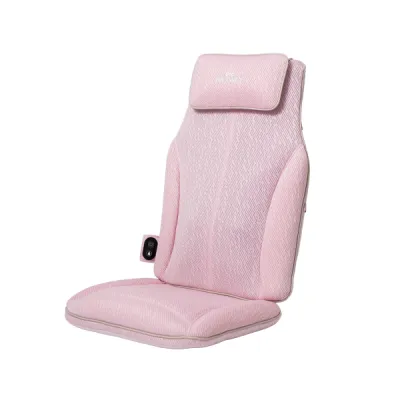
To understand how each device addresses lower back tension, it is important to look at how the massage nodes operate. Full-body massage chairs typically utilize a tracking system, commonly referred to as an S-track or L-track, along which mechanical rollers travel. While these rollers are designed to follow the natural curvature of the spine, their path is predetermined by the track’s shape. This means the nodes move up and down a fixed line, and while you can often adjust the width or intensity via a remote, you cannot easily alter the physical position of the chair’s internal mechanism to target a highly specific, off-center muscle knot.
Products mentioned in this guide
![[QiaoFan] Abdominal Massager Lazy Fat Burning Weight Loss Shaking Belt Body Slimming Belt Machine Electric Waist Belt](https://img.lazcdn.com/g/p/45c464569a65d3c012938a59ec7be3e0.jpg_webp_400x400q80.jpg_.webp)
Prices are valid at publication and may change. Please refer to the product page for the latest price.
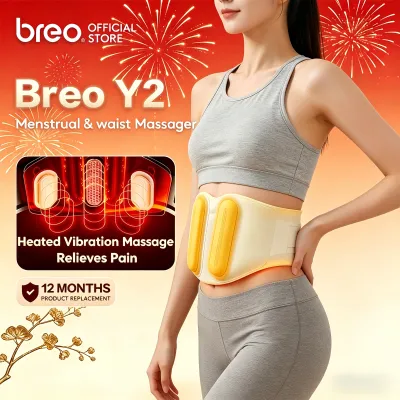
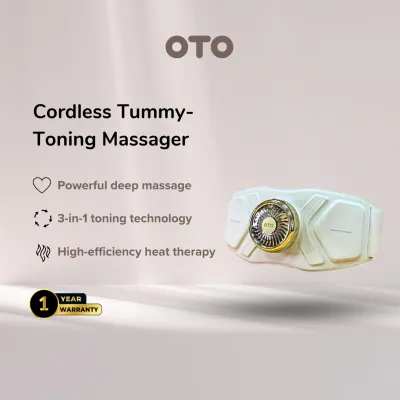
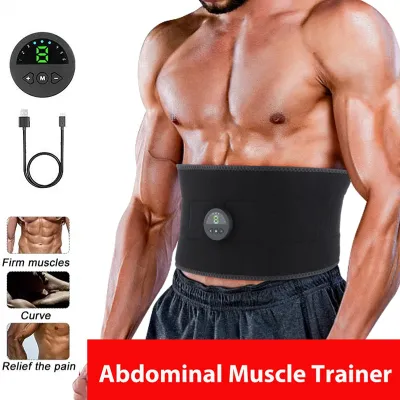
Standalone waist massagers, on the other hand, offer complete placement flexibility. Because these devices are compact and independent, you can manually shift them up, down, or sideways to target the exact spot of tension. Many standalone models feature ergonomic contours designed specifically to cradle the lumbar curve, allowing you to lean back and apply direct pressure to the lower back. This targeted approach is highly effective for localized muscle tightness, as you can adjust your body position to change the angle of impact.
In terms of massage techniques, both options offer distinct experiences based on general manufacturer specifications. Massage chairs often feature a wide array of pre-programmed routines, including kneading, rolling, tapping, and shiatsu, powered by robust internal motors. Standalone waist massagers generally focus on a more streamlined set of techniques, such as localized circular kneading or gentle vibration, often paired with direct heat therapy. When selecting a device, it is crucial to check the physical shape and contour of the unit against your own lumbar curve, as an ill-fitting device can cause discomfort rather than relief.
Space, Portability, and Setup Requirements
Living arrangements play a major role in deciding which device is practical for your home. A full-body massage chair is a substantial piece of furniture that requires a significant, permanent floor footprint. Many models require additional clearance behind the backrest to allow for reclining functions, meaning they cannot be placed flush against a wall. For those living in compact apartments or HDB flats in Singapore, dedicating several square meters of living room space to a single piece of furniture requires careful planning.

Conversely, standalone waist massagers are highly portable and easily storable. When not in use, they can be tucked away in a wardrobe, placed under a bed, or kept on a shelf. This portability also means you can use them in various locations throughout the day. You can strap a standalone unit to an office chair during work hours, move it to the sofa while watching television, or use it on a bed before sleeping.
Before purchasing a large furniture item like a massage chair, it is essential to plan the delivery route to avoid installation issues. Use the following checklist to verify that your home can accommodate a large delivery:
- Measure the clear width and height of your main entrance door frame.
- Check the internal dimensions of your residential lift, including the door opening width and ceiling height, to ensure the delivery box can fit.
- Measure narrow corridors, tight turns, or stairways inside your home that the delivery team must navigate.
- Verify the fully reclined dimensions of the massage chair against your available floor space, ensuring there is adequate room to walk around the chair when it is in use.
- Confirm the proximity of a dedicated power outlet to avoid running long extension cords across high-traffic walkways.
Budget and Long-Term Value Considerations
The financial commitment required for these two product categories represents a major decision point. Standalone waist massagers are a low-entry-cost option, typically requiring a modest double-digit or low triple-digit investment in S$. This makes them highly accessible for individuals who want to try mechanical massage therapy without committing a large portion of their household budget.
Massage chairs, by contrast, represent a major household investment, often costing thousands of S$. Because of this high cost, evaluating long-term value is critical. You should look beyond the initial purchase price and consider factors such as warranty coverage, the availability of replacement parts, and the durability of the materials. For instance, Singapore’s humid climate can accelerate the wear and peeling of synthetic polyurethane (PU) leather upholstery. When purchasing a massage chair, check if the manufacturer offers specialized high-durability synthetic covers or fabric options, and verify the specific terms of the warranty regarding upholstery and mechanical components.
To ensure you are getting genuine value, always verify current pricing, delivery fees, installation charges, and after-sales service terms directly with authorized retailers or official brand stores. Some retailers include delivery and professional assembly in the purchase price, while others may charge extra for walk-up stairs if lift access is unavailable. Understanding these details beforehand prevents unexpected costs.
Decision Framework: Which Option Fits Your Needs?
To help you decide which path to take, consider how your specific circumstances align with the strengths of each device. A standalone waist massager is generally the most suitable choice if you have limited living space, operate on a strict budget, or require a portable device that can transition between your office, living room, and travel destinations. It is also ideal if your primary physical complaint is isolated strictly to the lower back and you prefer a device that allows you to control the exact placement of the massage nodes and heat application.
Conversely, a full-body massage chair is the preferred option if you have a dedicated relaxation space in your home, a flexible budget, and a desire for a comprehensive, multi-zone massage experience. If you frequently experience tension not just in your lower back, but also in your shoulders, neck, and calves, the integrated systems of a massage chair provide a level of full-body relaxation that a standalone device cannot replicate.
It is important to note that neither device is a substitute for professional medical care. If you are experiencing acute, sharp, shooting pain, numbness in your lower extremities, or undiagnosed severe lower back pain, you should avoid using mechanical massagers until you have received a proper medical evaluation. Using mechanical rollers on an active spinal injury or severe inflammation can exacerbate the condition.
Safety Precautions and Usage Guidelines
Massage devices are designed strictly for relaxation and temporary muscle tension relief; they are not medical treatments for chronic spinal conditions. To ensure safe operation, always read the manufacturer’s instruction manual before your first session. If you have pre-existing health conditions such as herniated discs, osteoporosis, spinal stenosis, or recent acute back injuries, consult a qualified healthcare professional before introducing a massage device to your routine.
When operating any massage equipment, perform regular safety checks to protect yourself and maintain the longevity of the device. Inspect power cords regularly for any signs of fraying, wear, or damage, especially if the device is frequently moved or folded. Avoid using standalone massagers on high heat settings for prolonged periods directly against bare skin, as this can lead to low-temperature burns. Most importantly, always listen to your body: a massage should feel like a firm, relieving pressure, not sharp pain. If you experience an increase in discomfort or pain during or after a session, stop using the device immediately and seek professional medical advice.
Frequently Asked Questions (FAQ)
Can I use a waist massager while sitting at my desk?
Yes, many standalone waist massagers are designed specifically with adjustable straps that allow you to secure them to the backrest of an office chair. When using a massager at your desk, check the thickness of the device to ensure it does not push your hips too far forward, which can compromise your overall sitting posture and strain your neck. Additionally, ensure that the power cable is safely routed away from the wheels of your office chair and that you have easy access to a nearby wall outlet or a reliable power bank if the unit is rechargeable.
Do massage chairs provide better heat therapy for the lower back?
Not necessarily. While massage chairs often feature integrated heating elements, the effectiveness of the heat therapy depends entirely on the specific model’s design and the placement of its heating pads. Some standalone waist massagers actually offer more direct and intense heat therapy because they wrap tightly around your lower back, keeping the heating elements in constant, close contact with your skin. To determine which option provides the best warmth for your needs, check the product specifications and labels for details on the exact heating zones, temperature controls, and safety auto-shutoff features.

Community discussion
Share your experience or ask a question. Comments are reviewed before publication.