
Finding the right back massager in Singapore often leads to a major decision: investing in a premium massage chair. While many brands claim to offer the ultimate relief, there is no single brand that universally delivers the most effective back massage for every individual. The effectiveness of any massage chair depends heavily on your unique spinal curvature, specific muscle tension points, and personal body mechanics. A model that feels deeply therapeutic to one person might feel uncomfortably intense or completely miss the mark for another.
To make an informed investment, you must look past brand marketing and focus on the underlying engineering. Evaluating a massage chair requires a systematic comparison of track designs, roller technologies, and the physical constraints of your living space. By understanding how these mechanical systems interact with your body, you can identify which brand and model will provide the most effective relief for your back.
Core Technologies for Effective Back Massage
The foundation of any high-quality back massager chair lies in its track design, which dictates the path the rollers travel along your back. The two primary configurations are S-tracks and L-tracks, though many modern chairs combine them into an SL-track. An S-track is engineered to follow the natural, S-shaped curve of the human spine, focusing intensely on the neck, shoulders, and lumbar region. This design allows the rollers to maintain consistent pressure as they move up and down, making it excellent for targeted spinal alignment and upper-back relief.
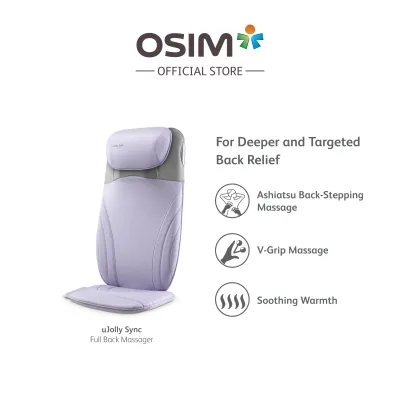
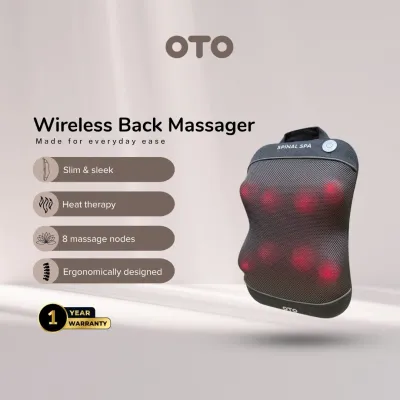
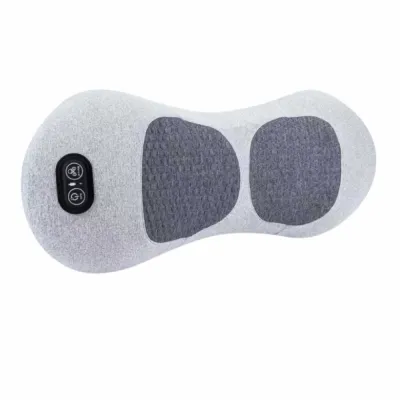
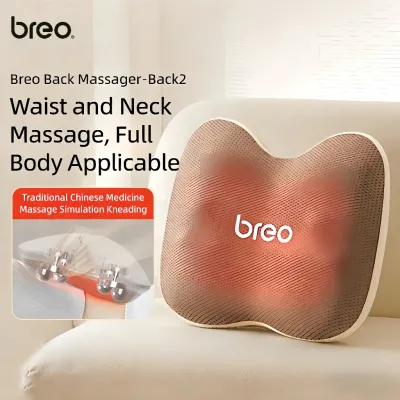
Products mentioned in this guide
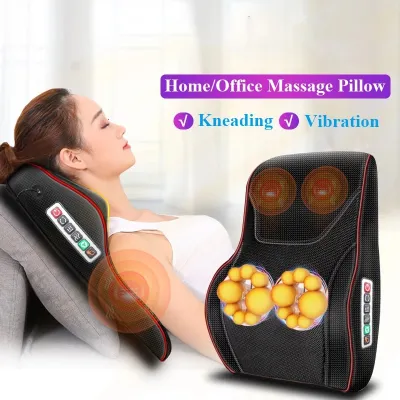
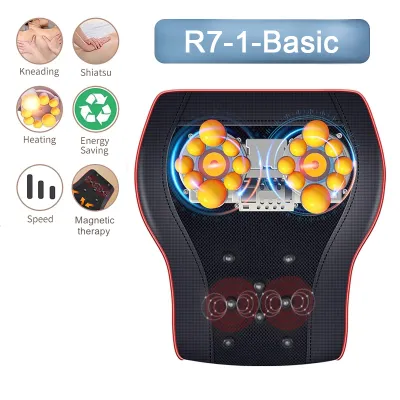
![[SG Seller] Electric Neck Shoulder Back Massager Pillow – Deep Tissue Kneading Heat Therapy Pain Relief Ready Stock](https://img.lazcdn.com/g/ff/kf/Sad3b870dab464f398212a687130ff7e8C.jpg_400x400q80.jpg_.webp)
Prices are valid at publication and may change. Please refer to the product page for the latest price.
In contrast, an L-track extends the roller path past the lower back, traveling under the seat to massage the glutes and upper hamstrings. If your back pain is closely linked to tight glutes or pelvic misalignment, an L-track or SL-track design provides a more comprehensive massage path. However, because the track must curve sharply under the seat, some pure L-track models may offer slightly less intense pressure in the lumbar curve compared to dedicated S-tracks.
Beyond the track, the roller mechanism determines how deeply the massage penetrates your muscle tissue. Standard 2D rollers move vertically and horizontally, offering a classic, flat massage experience. Upgrading to 3D rollers introduces depth control, allowing the rollers to protrude forward into your muscles or retract for a gentler touch. The most advanced systems, often marketed as 4D rollers, add speed variations to this depth movement, mimicking the rhythmic acceleration and deceleration of a professional therapist’s hands. When testing chairs, look for models that allow you to manually adjust both the width and depth of these rollers to match your shoulder width and pain tolerance.
To complement the mechanical rollers, look closely at the integration of localized heat therapy and airbag compression. Heat therapy, typically delivered via heating pads in the lumbar region, helps dilate blood vessels, increase blood flow, and loosen tight muscle fibers before the rollers begin their work. Airbag compression systems, located around the hips, shoulders, and lower back, work in tandem with the rollers by gently squeezing and holding your body in place. This compression not only improves localized circulation but also anchors your torso, allowing the back rollers to apply deeper, more precise pressure to your spinal muscles.
Space, Dimensions, and Installation Checks
A massage chair is a substantial piece of furniture, and its physical footprint requires careful planning before purchase. Many modern chairs feature a space-saving recline mechanism, which slides the chair forward on its base as it reclines. This design allows you to place the chair as close as 5 to 10 centimeters from a wall. However, you must still verify the fully reclined footprint of the chair, as the leg rest and backrest will extend significantly, potentially blocking walkways or adjacent furniture in smaller Singapore apartments.

Delivery access is another critical factor that is frequently overlooked. Because massage chairs are heavy, single-unit machines, they often cannot be easily disassembled. You must measure the entire delivery route from the unloading bay to your living room. Check the width and height of your apartment building’s elevator doors, the clearance of any tight stairwell turns, and the width of your main entryway and hallway doors. Many retailers specify a minimum door width clearance required for the chair to pass through without damage.
Additionally, consider the structural and electrical requirements of your chosen space. Massage chairs are heavy, often concentrating significant weight on a small footprint. If you have delicate flooring, such as soft vinyl or natural timber, you will need a dedicated, high-density protective mat to distribute the weight and prevent indentation. Finally, ensure the chair is positioned near a grounded power outlet; using extension cords for heavy, motorized furniture is generally discouraged by manufacturers due to safety and power stability concerns.
Evaluating Brand Warranties and After-Sales Support
Investing in a premium back massager chair in Singapore involves a significant financial commitment, making after-sales support a primary consideration. When comparing brands, look closely at the breakdown of their standard warranty terms. A comprehensive warranty should cover the main drive motor, the roller mechanisms, the electronic control boards, and the synthetic leather upholstery. Be aware that some brands offer a long overall warranty period but limit coverage on wear-and-tear items like the leather casing or remote controls to just one year.
The logistics of repair services are equally important. Given the immense weight of these chairs, you must verify that the brand provides on-site repair services by qualified technicians. Avoid warranties that require you to transport the chair to a service center at your own expense, as this can be logistically difficult and costly. Confirm whether the brand charges a transport or diagnostic fee for on-site visits after the first year of ownership, as these fees can accumulate over the lifespan of the machine.
Before making a final decision, inquire about in-home trial periods and return conditions. Because a brief showroom test may not fully reveal how your back responds to daily use, some premium brands offer trial periods, though these often come with strict return shipping fees or restocking charges. Additionally, ask if the authorized retailer offers routine maintenance packages, which may include deep cleaning of the internal mechanisms, leather conditioning, and software updates to keep the chair operating smoothly.
Decision Framework: Matching Chair Features to Back Needs
To choose the right technology profile, you must match your specific physical needs to the mechanical capabilities of the chair. If you suffer from chronic lower back stiffness, glute tension, or sciatic discomfort, prioritize an L-track or SL-track chair equipped with 3D or 4D rollers. This combination allows you to customize the depth of the massage, ensuring the rollers can press deeply into the gluteal muscles and the lumbar curve to release deep-seated tension.
If your primary goal is stress relief, mild upper-back tension, or general relaxation, an S-track chair with targeted heat therapy and gentle airbag stretching is often the more appropriate choice. The S-track focuses its energy entirely on the spine, while the airbag system can perform gentle twisting and stretching maneuvers to promote spinal decompression. This setup provides a soothing, restorative experience without the intense, sometimes painful pressure associated with deep-tissue L-track systems.
However, mechanical massage is not suitable for everyone, and certain physical conditions require extreme caution. If you have severe spinal injuries, recent surgeries, or osteoporosis, you must avoid using a massage chair entirely until you have obtained explicit medical clearance from your doctor. The intense pressure and twisting motions of the rollers and airbags can exacerbate structural spinal issues or damage fragile bones.
Furthermore, if you have implanted medical devices such as pacemakers, or if you suffer from chronic nerve conditions or deep vein thrombosis, you must consult a healthcare professional before use. The electromagnetic fields generated by the chair’s motors, along with the intense compression from the airbags, can interfere with medical devices or pose serious health risks. Always prioritize medical advice over showroom recommendations.
Frequently Asked Questions (FAQ)
Can a massage chair replace professional physiotherapy for chronic back pain?
No, a consumer massage chair cannot replace professional physiotherapy or medical treatment. While a massage chair is highly effective for temporary muscle relaxation, stress reduction, and relieving minor tension, it cannot diagnose or treat structural spinal issues, joint misalignments, or chronic nerve compression. If you suffer from persistent pain, herniated discs, or sciatica, you should consult a qualified physiotherapist or orthopedic specialist. A professional can identify the root cause of your pain and design a targeted treatment plan, whereas a machine can only offer symptomatic relief.
How often should I use a back massager chair to avoid muscle soreness?
To prevent muscle soreness, bruising, or overstimulation of your nervous system, it is best to start slowly. When using a new massage chair, limit your sessions to 15 minutes once a day, using a low-intensity setting. This allows your body to adapt to the mechanical rollers. As your tissue tolerance increases, you can gradually extend the time or increase the intensity, but most manufacturers recommend a maximum of two 15-to-20-minute sessions per day. Always listen to your body; if you experience pain or lingering soreness, reduce the intensity or take a break for a few days.
Community discussion
Share your experience or ask a question. Comments are reviewed before publication.