
To maximize a compact HDB wardrobe, the most effective stackable storage relies on modular plastic drawers and front-opening bins that match the exact depth of your shelving. Because built-in wardrobes in Singapore often feature fixed shelving heights and deep recesses, standard top-opening boxes can become inaccessible once stacked. Choosing organizers with interlocking bases, front-access doors, and built-in ventilation ensures your clothes remain both reachable and protected from local humidity.
By planning your layout around the physical constraints of your closet and selecting containers with the right structural features, you can turn a cluttered wardrobe into an efficient, organized space. This guide outlines how to measure your wardrobe, evaluate essential container features, and arrange your storage units safely.
Assessing Your HDB Wardrobe Space and Constraints
Before purchasing any stackable storage units, you must accurately evaluate the internal dimensions of your wardrobe. Use a metal measuring tape to record the internal width, depth, and usable height of each compartment. Built-in HDB wardrobes typically have a depth of 50 to 60 centimeters, but sliding door tracks can reduce the usable depth by several centimeters. Always measure from the back wall to the inner edge of the door track to ensure your containers will not prevent the doors from closing fully.
Products mentioned in this guide
![Easyhome.sg [EASY INSTALL] JG Foldable Storage Cabinet with Wheels | Stackable Plastic Organizer Box | 45-65CM](https://img.lazcdn.com/g/p/eaee4372988fa662c9bd3fadb94d42a1.png_400x400q80.png_.webp)
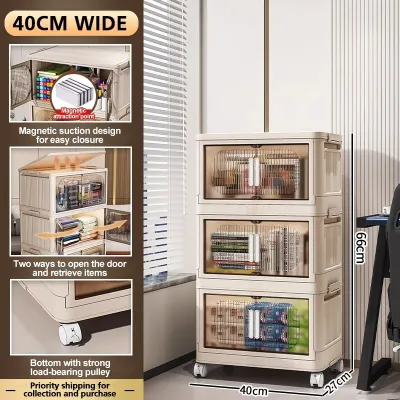
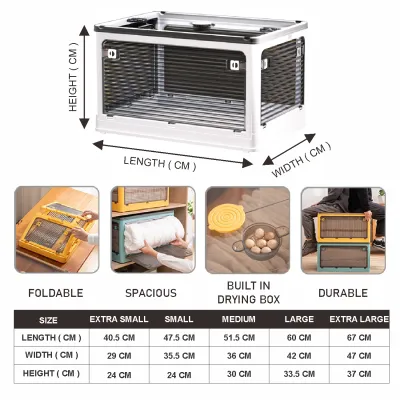
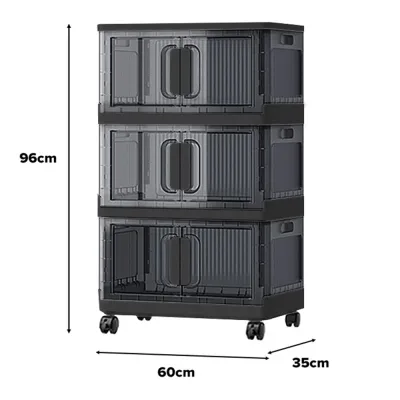
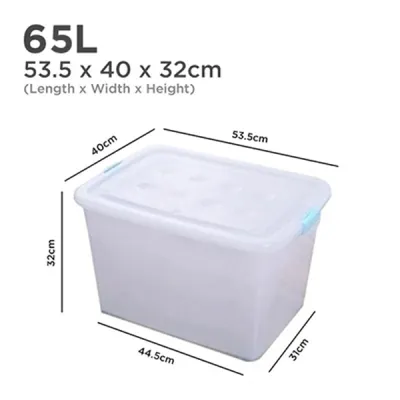
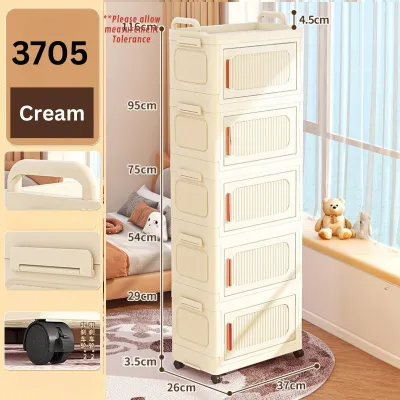
Prices are valid at publication and may change. Please refer to the product page for the latest price.
Physical obstructions can significantly impact how you position your storage units. Take note of door hinges, sliding door overlaps, hanging rails, and internal lighting fixtures. Soft-close hinges often protrude into the corner spaces of swing-door wardrobes, which can block drawers from opening if they are placed too close to the outer edge. For sliding doors, measure the clear opening width when one door is fully open, as the overlapping doors will restrict access to certain sections of the wardrobe interior.
Evaluating the weight capacity and material of your existing shelves is crucial for safety. Many HDB wardrobes utilize laminated particleboard or medium-density fibreboard (MDF) shelves supported by small plastic or metal pegs. These materials are prone to sagging over time under heavy, concentrated loads. Inspect the thickness of your shelves and the sturdiness of their supports; if you plan to stack multiple containers filled with heavy items, place them on the bottom floor of the wardrobe rather than on adjustable middle shelves.
Essential Features for Stackable Closet Organizers
When selecting stackable containers, stability should be your primary concern. Look for units designed with interlocking mechanisms, such as deep top grooves that securely receive the feet or base of the container stacked above it. Flat-topped boxes without these grooves can easily slip or slide when you pull open a drawer or reach for an item, creating a tipping hazard inside your wardrobe.

Material transparency is another key factor to consider based on your organizational style. Transparent or semi-clear plastic containers allow you to identify the contents of each box at a glance, reducing the time spent searching for specific garments. On the other hand, opaque containers in neutral colors offer a clean, uniform aesthetic that conceals visual clutter. If you choose opaque designs, ensure they feature a dedicated space for labels so you can easily track what is stored inside.
Singapore’s humid tropical climate makes ventilation a critical feature for any closed storage system. Airtight plastic bins can trap moisture, leading to musty odors, mildew, or mold growth on natural fibers like cotton, linen, and wool. Opt for stackable organizers that feature subtle ventilation slots, or choose modular drawers that allow for minimal air exchange. If you must use sealed boxes, plan to place moisture-absorbing desiccant packs inside each unit and replace them regularly.
Accessibility determines how functional your wardrobe will be on a daily basis. Top-opening lids are highly impractical for stacked configurations because you must unstack the upper units to access the contents of the lower ones. Instead, prioritize containers with drop-front doors, magnetic flap openings, or smooth-sliding drawer systems. These designs allow you to retrieve items from any level of the stack without disturbing the overall structure.
Matching Storage Types to Wardrobe Zones
Organizing your wardrobe effectively requires matching different container styles and materials to specific zones within the closet. Your wardrobe can be divided into three primary zones: the high zone (top shelves), the middle zone (eye level), and the low zone (wardrobe floor or lower shelves). Utilizing the right type of container in each zone ensures that daily essentials remain within easy reach while seasonal items are stored securely.
To optimize these zones, you can mix rigid and flexible storage types within the same vertical column. Rigid plastic drawers provide a stable, load-bearing foundation at the bottom of the wardrobe, while lightweight fabric boxes or zippered organizers can sit safely on top of the rigid units. This hybrid approach maximizes vertical space without overloading your shelves or creating top-heavy stability risks.
Stackable Bins and Boxes for Folded Items
Rigid stackable bins are highly suited for storing bulkier, less frequently accessed garments such as jeans, sweaters, winter wear, or extra bed linens. When selecting these bins, look for dimensions that utilize the full depth of your wardrobe shelf to avoid leaving wasted space behind the containers. A depth of 40 to 50 centimeters is generally ideal for standard HDB wardrobe shelves.
For maximum usability, choose rigid bins that feature clear drop-front doors with secure magnetic or latch closures. This allows you to pull out a single folded item from the bottom of the stack without causing the rest of the clothes to tumble. Ensure the front opening is wide enough to accommodate folded garments comfortably without snagging the fabric on the edges of the container.
Modular Drawer Systems for Small Accessories
For smaller, everyday items like socks, undergarments, t-shirts, and accessories, modular drawer systems offer superior organization. Unlike deep bins where small items easily get lost or jumbled, shallow drawers keep your daily essentials organized and visible. You can stack these modular units to create a custom chest of drawers directly inside your wardrobe’s hanging space.
When evaluating modular drawers, test the smoothness of the drawer glides. Look for drawers equipped with built-in safety stops that prevent the drawer from pulling completely out of its frame and spilling its contents onto the floor. Additionally, check the structural integrity of the outer frame; thin, flexible plastic can bow under the weight of stacked units above, which may pinch the lower drawers and cause them to stick or jam.
Step-by-Step Wardrobe Layout Planning
Planning your wardrobe layout systematically prevents purchasing errors and ensures your stackable units fit perfectly. Follow these steps to design an efficient vertical storage plan:
- Sketch the Interior: Draw a simple front-facing elevation sketch of your wardrobe interior on paper or a digital device. Mark the positions of all fixed shelves, hanging rods, and door openings.
- Measure and Subtract Clearances: Write down the exact height, width, and depth of each section. Subtract at least 2 to 3 centimeters of clearance from the top of your planned stacks to allow room for installing and removing the containers. If you have sliding doors, subtract the width of the door overlap from your horizontal measurements.
- Calculate Stack Heights: Determine how many units of your chosen container can safely fit within the measured height. For example, if your shelf clearance is 90 centimeters and your chosen drawer units are 25 centimeters tall, you can safely stack three units (totaling 75 centimeters), leaving a comfortable 15-centimeter clearance at the top.
- Distribute Weight Strategically: Plan to place your heaviest items, such as denim, jackets, and bedsheets, in the lowest containers of the stack. Lighter items, such as activewear, socks, and accessories, should occupy the upper containers. This keeps the center of gravity low and stabilizes the entire stack.
- Allocate Space for Future Needs: Avoid packing your wardrobe completely solid from wall to wall. Leave a small gap of 5 to 10 centimeters on one side to facilitate air circulation and to allow room for future adjustments, such as adding a hanging organizer or storing seasonal items.
Safety, Maintenance, and Usage Limits
Ensuring the safety and longevity of your stacked storage system requires adhering to weight limits and performing regular maintenance. Always check the manufacturer’s specified load capacity for both the storage containers and your wardrobe shelves. Overloading individual drawers can cause the plastic frames to warp, making them difficult to open and compromising the stability of the entire stack.
To prevent top-heavy tipping hazards, avoid stacking lightweight plastic drawers more than three or four units high unless they are placed within a tight, supportive alcove or physically secured to the wardrobe walls. Placing a cut-to-size non-slip silicone mat between the bottom container and the wardrobe shelf is an excellent way to prevent the base unit from shifting when drawers are pulled open.
Establish a routine cleaning and inspection schedule every six months. Empty the containers, wipe them down with a damp cloth and mild soap to remove dust, and allow them to dry completely before restocking. During this time, inspect the interlocking joints, corners, and drawer tracks for any signs of stress, cracking, or bowing. If a container shows signs of structural wear, retire it or move it to the very top of the stack where it will bear less weight.
Finally, monitor the condition of your wardrobe shelves. If you notice any visible bowing or sagging in the middle of a shelf, immediately remove the stacked containers to prevent shelf failure. You may need to redistribute the weight to the wardrobe floor or consult a qualified carpenter to reinforce the shelf supports with metal brackets or thicker support pegs.
Frequently Asked Questions (FAQ)
Can I stack rigid plastic bins on top of fabric organizers?
No, you should avoid placing heavy, rigid plastic bins on top of fabric organizers. Fabric organizers generally lack the internal structural frame required to support concentrated vertical weight. Placing a heavy plastic bin on top of a fabric unit can cause the fabric frame to crush, buckle, or tip over, potentially damaging your items or creating a safety hazard. Always place rigid plastic bins at the bottom of your stack to serve as a stable foundation, and place lightweight fabric organizers on top.
How do I prevent stackable containers from sliding on smooth shelves?
Smooth melamine, laminate, or polished wood shelves can cause plastic containers to slide when you pull open a drawer or reach inside a bin. To secure the base layer of your stack, place a cut-to-size non-slip rubberized shelf liner or small adhesive silicone bumpers beneath the bottom container. This simple addition increases friction, keeps the entire stack stable, and protects your wardrobe shelves from scratches without damaging the wood finish.
What is the maximum safe stacking height for standard closet shelves?
There is no universal maximum stacking height, as the limit depends entirely on the weight capacity of your wardrobe shelf and the physical stability of the containers. Always check your wardrobe manufacturer’s shelf load rating first. For safety and ease of daily access, it is best to keep freestanding stacks on middle shelves to a height of three units or under 1 meter. Prioritize physical stability and ensure there is adequate clearance at the top of the stack to prevent tipping during retrieval.

Community discussion
Share your experience or ask a question. Comments are reviewed before publication.