
In Singapore’s year-round tropical climate, managing indoor humidity is a constant challenge for closet organization. When selecting a wardrobe storage box to protect your clothing, linens, and accessories, the choice of fabric material directly impacts how well the box resists moisture and mold. While natural fabrics like linen and cotton offer a classic aesthetic, synthetic options such as treated Oxford cloth or heavy-duty canvas with protective backings generally hold up best against high humidity. However, a fabric’s name alone does not guarantee performance; success depends on verifying specific coatings, structural supports, and proper placement within your wardrobe.
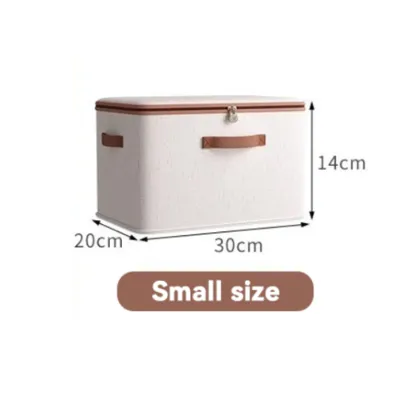
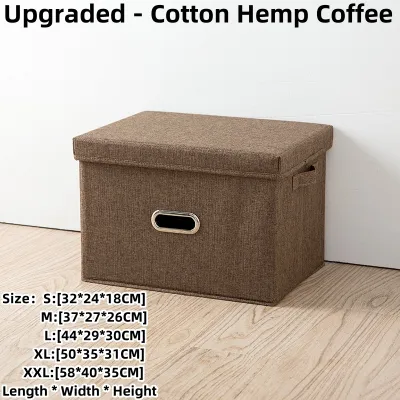
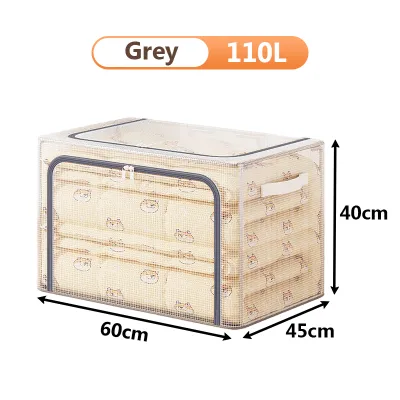
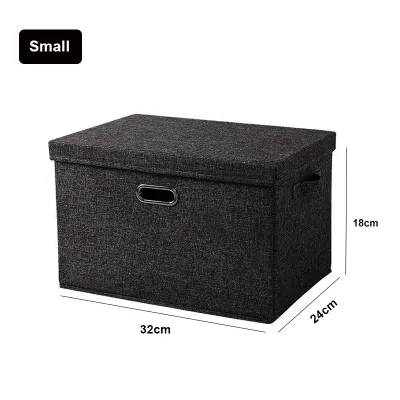
Before purchasing, always measure your closet shelves, wardrobe depth, and door clearance to ensure a proper fit. Selecting the right dimensions prevents the boxes from blocking wardrobe doors or being squeezed into tight spaces, which can restrict airflow and encourage dampness.
Common Fabric Materials Used in Storage Boxes
Non-woven fabrics are among the most common and budget-friendly options available for closet organization. Made from spun-bond polypropylene, these boxes are lightweight and highly breathable, but they are typically thin, with density often measured in grams per square meter (GSM). Over time, prolonged exposure to ambient dampness in a wardrobe can cause non-woven fibers to degrade, making them brittle and highly susceptible to tearing when pulled by their handles.
Products mentioned in this guide
![[SG] Underbed Storage Box with Wheels Double Sided Lid Folding Multi-Purpose Storage / Box for Clothes And Quilts](https://img.lazcdn.com/g/p/58283885ad28e7531848d1a0d5958cae.jpg_400x400q80.jpg_.webp)
Prices are valid at publication and may change. Please refer to the product page for the latest price.
Oxford cloth and canvas are woven fabrics known for their superior durability and weight. Oxford cloth, typically woven from polyester or nylon, features a tight basket-weave pattern that offers high tensile strength and resistance to tearing. Canvas is a heavier, plain-woven fabric that provides excellent structural stability. While inherently tougher than non-woven options, raw Oxford cloth or canvas is still porous; without a secondary treatment, these fabrics will absorb moisture from the air over time.
Linen and cotton blends are highly prized for their natural, soft texture and premium aesthetic. They are exceptionally breathable, which allows air to circulate freely around stored items. However, natural fibers are highly hygroscopic, meaning they readily absorb water vapor from the surrounding environment. In a closed, humid wardrobe, uncoated linen or cotton can easily become damp, creating an environment where mold spores can settle and thrive.
To make an informed decision, check product labels and specifications for material composition and thickness indicators, such as denier (D) ratings for Oxford cloth (e.g., 600D) or GSM for non-woven fabrics. Avoid relying on vague marketing names like “linen-style” or “premium fabric,” which often describe the visual texture rather than the actual fiber content or durability.
How to Evaluate Moisture and Mold Resistance
The true barrier against high humidity is often not the outer fabric itself, but the inner lining or backing. When evaluating a wardrobe storage box, look for specifications indicating a polyurethane (PU) or polyvinyl chloride (PVC) backing. These synthetic coatings create an impermeable layer on the inside of the fabric, preventing ambient moisture from penetrating the weave and reaching your stored garments.

Choosing between a highly breathable fabric and a fully sealed box involves a clear trade-off. A completely sealed, waterproof box protects against external humidity but can trap moisture inside if garments are packed when they are even slightly damp from laundry or humidity. Conversely, a highly breathable, uncoated box allows air exchange but permits humid closet air to settle on your clothes. For most households, a water-resistant exterior with a secure but non-hermetic closure strikes the best balance, provided items are thoroughly dry before storage.
It is crucial to distinguish between “dust-proof” and “waterproof” or “water-resistant” claims. A dust-proof box simply features a tight weave or a basic cover to keep airborne particles out, but it remains highly permeable to water vapor. A water-resistant claim requires a physical barrier, such as an internal laminated layer or a hydrophobic surface treatment that causes water droplets to bead up and roll off.
Always verify the manufacturer’s care instructions and moisture-treatment claims rather than assuming a fabric name implies mold resistance. If a box is labeled as non-washable or lacks any mention of a protective backing, it is highly likely to absorb ambient moisture over time in a humid closet.
Beyond the Fabric: Structural Features That Prevent Damage
The structural integrity of a wardrobe storage box relies heavily on its internal frame. Metal frames should feature a rust-proof or powder-coated finish to withstand humid air; untreated metal can quickly rust in Singapore’s climate, leaving permanent orange stains on both the fabric box and your clothes. Solid plastic frames offer excellent moisture resistance, while wood frames must be checked for proper sealing or treatment to prevent warping and mold colonization.
Placing storage boxes directly on closet floors or bottom shelves can expose them to rising dampness or cool zones where condensation forms. Boxes designed with small raised feet or a reinforced, elevated base help maintain airflow underneath, reducing the risk of moisture wicking upward into the fabric.
The entry points of your storage box are its weakest links. Heavy-duty, smooth-gliding nylon or plastic zippers with tight-fitting teeth help seal out humid air, dust, and common household pests. Double-zipper designs allow for easier access while maintaining a tighter seal when closed compared to simple hook-and-loop fasteners.
Many fabric boxes use cardboard inserts to maintain their shape. In high humidity, standard cardboard absorbs moisture, loses its rigidity, sags, and can develop a musty odor. Look for boxes that utilize density board, plastic PP (polypropylene) sheets, or moisture-resistant composite boards for internal support to ensure the box remains stable and upright when stacked.
Maintenance and Placement for Long-Term Durability
To keep your storage boxes in top condition, avoid soaking them in water, which can delaminate protective backings or soften internal support boards. Instead, wipe the exterior and interior surfaces with a slightly damp microfiber cloth. Ensure the box is completely air-dried in a well-ventilated area—away from direct, intense sunlight that can degrade synthetic fibers—before placing items back inside.
Avoid pushing storage boxes flush against exterior-facing walls of your home, as these walls experience temperature fluctuations that promote condensation. Leave a gap of at least two to three centimeters between the box and the wardrobe walls to facilitate continuous air circulation.
Even the best moisture-resistant box cannot stop humidity that enters during opening. Place silica gel packs, activated charcoal sachets, or small hanging moisture absorbers inside the box. Check these absorbers regularly and replace them as soon as they saturate to maintain a dry microclimate for your clothes.
Inspect your storage boxes every few months. Look for telltale signs of trouble, such as a musty smell, fabric discoloration, soft or sagging support walls, or visible white or black spots. If mold has penetrated deep into the fabric fibers or the internal cardboard frame, it is best to discard the box to prevent the spores from spreading to your wardrobe.
Frequently Asked Questions (FAQ)
Can I wash my fabric wardrobe storage box if it gets moldy?
Washing a fabric storage box in a washing machine or soaking it in a tub is generally not recommended. Most boxes rely on internal support structures made of cardboard or thin plastic sheets sewn into the fabric, which can warp, disintegrate, or lose their shape when saturated. Additionally, heavy washing can strip away water-resistant PU or PVC coatings. For minor surface mold, wipe the area with a cloth dampened with a mild disinfectant or a diluted vinegar solution, then dry it completely. If mold has penetrated deep into the fabric or the internal boards have softened, replace the box entirely.
Are plastic storage boxes better than fabric ones for humid climates?
Plastic storage boxes offer superior moisture exclusion because hard plastic is entirely impermeable to water vapor. They are ideal for long-term storage of seasonal items or delicate fabrics in highly humid areas. However, plastic boxes lack flexibility, cannot conform to tight closet spaces, and can trap internal condensation if garments are tucked away with even a trace of moisture. Fabric storage boxes, particularly those made of treated Oxford cloth, offer a compromise: they provide a softer aesthetic, can compress slightly to fit shelves, and allow a degree of air exchange that prevents stagnant, musty air from building up inside, provided they are paired with desiccants.
Community discussion
Share your experience or ask a question. Comments are reviewed before publication.