
The best stackable dining chair designs for small HDB and condo dining areas in Singapore combine a compact footprint, armless or low-profile silhouettes, and lightweight yet stable frames that nest closely without sacrificing seating comfort. In space-constrained apartments, these versatile seating solutions allow homeowners to host guests comfortably and reclaim valuable floor space when the meal is over. Selecting the right design requires balancing physical dimensions, structural stability, and material finishes against the specific layout of your dining zone.
Assessing Your Dining Space and Stackable Chair Dimensions
Start by measuring your dining table to establish clear boundaries for your seating. Measure the height from the floor to the underside of the table apron, as this clearance determines how high your chair seats and any low armrests can be if you want to slide them completely underneath when not in use. A chair that cannot slide under the table will permanently occupy valuable walkway space, disrupting the flow of your dining area.
Next, evaluate the surrounding walkway to ensure comfortable movement. A functional dining area typically requires sufficient clearance behind each chair to allow a person to pull the chair out, sit down, and stand up without bumping into walls or adjacent furniture. Measure the distance from the table edge to the nearest wall or cabinet to ensure your chosen chair footprint does not block the main passage.
Products mentioned in this guide
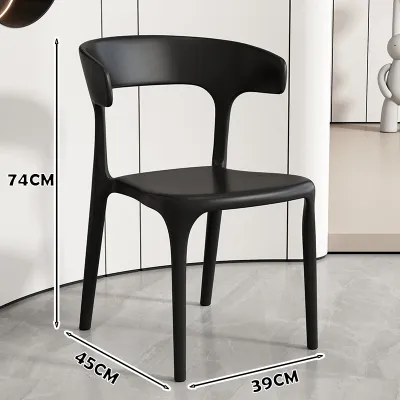
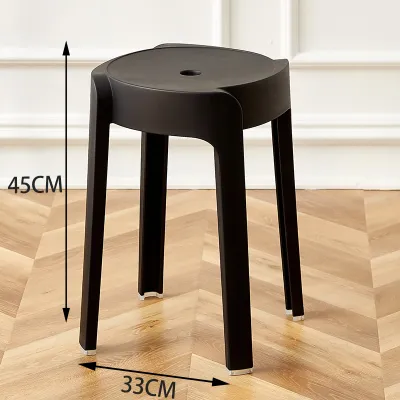
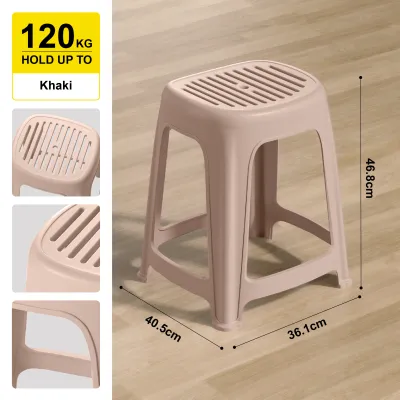
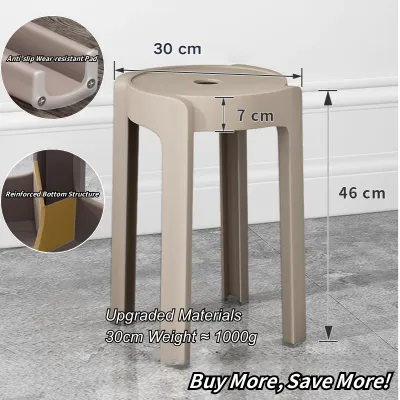
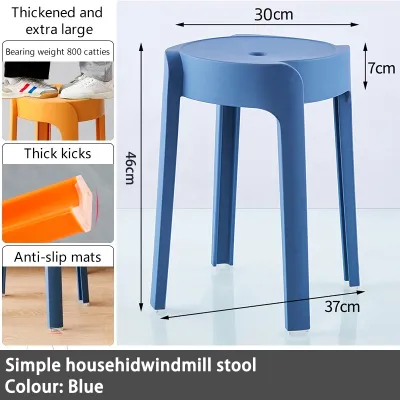
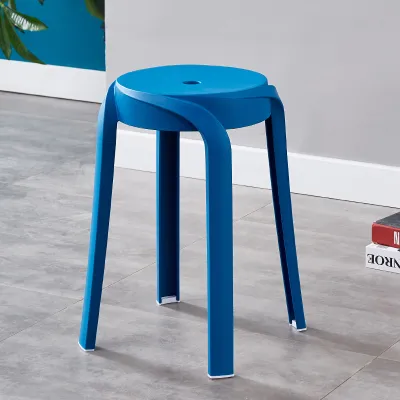
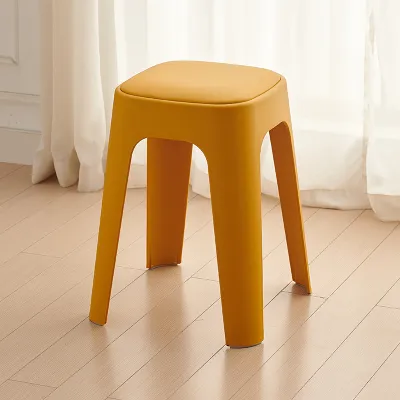
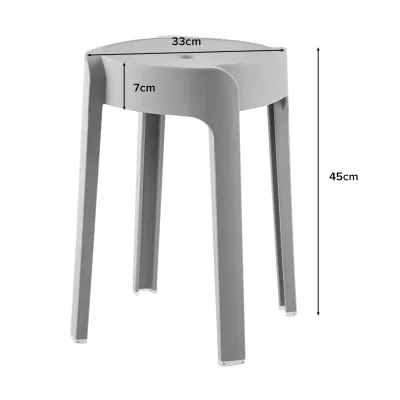
Prices are valid at publication and may change. Please refer to the product page for the latest price.
Consider the storage location for your stacked chairs when they are not in active use. Whether you plan to tuck them into an empty corner, place them under a console table, or store them inside a utility closet, you must measure the height, width, and depth of this designated zone. Compare these measurements against the manufacturer’s specified stacked dimensions, as a stack of four or six chairs often extends wider and taller than a single upright chair.
Do not overlook the journey from the delivery vehicle to your dining room. Measure the width of your apartment entrance door, internal corridors, and the lift cabin doors in your building. Ensuring these entry points accommodate a stacked batch of chairs prevents delivery day complications and makes moving the furniture hassle-free.
Key Design Features for Space Efficiency and Comfort
Choosing between armless and armed designs is a primary decision for compact spaces. Armless stackable chairs are generally the most space-efficient option because they slide fully under the table and allow guests to sit closer together without clashing elbows. If you prefer the support of armrests, look for low-arm profiles designed specifically to clear standard table aprons.

The shape of the backrest significantly influences both visual weight and physical nesting. Chairs with slim, tapered, or cutout backrests often nest more tightly because the frames can interlock closely, reducing the overall depth of the stack. A curved backrest offers ergonomic support but may require a slightly larger stacking footprint, so check how closely the backrests align when nested.
Examine the leg and base configuration of the chair. Sled bases, which feature a continuous steel loop frame, often stack exceptionally tightly and slide smoothly over rugs, making them excellent for tight dining alcoves. Traditional four-legged designs offer classic stability but require careful inspection of how the legs flare outward; wider leg flares provide excellent stability but occupy more floor space when the chairs are arranged around the table.
Consider the visual impact of the chair’s silhouette in a small room. Chairs with open frames, spindle backs, or transparent materials allow light to pass through, creating an illusion of openness. This visual lightness prevents a small dining alcove from feeling cluttered, even when multiple chairs are arranged around the table.
Material and Structural Checks for Daily Use
Evaluating the frame material is essential for safety and ease of handling. Lightweight materials like molded polypropylene or aluminum make unstacking and moving chairs effortless, but they must be engineered with reinforcing ribs or internal metal frames to remain stable. Heavier materials like solid wood or steel offer robust stability but require more physical effort to stack and unstack daily.
Always consult the manufacturer’s product specifications for the maximum recommended stacking limit. Exceeding this limit can compromise the stability of the stack, leading to tipping hazards or structural strain on the bottom chair. Additionally, verify the manufacturer-stated weight capacity and structural warranty terms to ensure the chairs are rated for regular residential use.
The choice of seat finish directly impacts maintenance in high-traffic dining areas. Molded plastic and powder-coated metal surfaces are highly practical because they resist spills and can be wiped clean with a damp cloth. If you prefer upholstered seats for comfort, look for performance fabrics, treated textiles, or synthetic leathers that offer spill resistance and easy spot cleaning, and check if the upholstery design includes protective barriers to prevent indentation marks when stacked.
Inspect the joints and connection points of the chair frame. High-quality welds on metal frames or reinforced joints on wooden frames ensure the chair can withstand the repetitive stress of stacking and unstacking. Avoid designs with loose screws or fragile joints that may weaken over time under the pressure of being nested.
Layout and Storage Strategies for Compact Apartments
Integrating stackable chairs into your layout depends heavily on your table shape. For round tables, armless chairs with slightly tapered seats allow you to tuck more chairs closely together without the legs overlapping. If you use an extendable rectangular table, you can keep four chairs in daily use and store the extra stackable units in a nearby corner, ready to be deployed when the table is extended for guests.
Finding the right storage zone helps maintain a clutter-free home. An empty corner in the living room, the space beneath an entryway console table, or a dedicated section of a built-in household shelter can serve as an unobtrusive stacking zone. Storing the chairs vertically utilizes unused height rather than valuable floor area.
Protecting your home’s surfaces is crucial when handling stacked furniture. Equip the legs of each chair with high-quality felt pads or rubber glides to prevent scratching your vinyl, laminate, or parquet flooring during movement. When stacking, ensure each chair aligns perfectly with the one below it before applying downward pressure, and check that the frame does not rub against adjacent walls or cabinetry.
Establish a safe stacking routine to maintain the longevity of your furniture. Avoid rushing when nesting the chairs, as sudden impacts can chip paint or dent wooden frames. If you have children or pets in the home, position the stacked chairs in a low-traffic corner where they cannot be easily bumped or climbed on, reducing the risk of accidental tipping.
Frequently Asked Questions (FAQ)
Can I mix different stackable chair designs at the same table?
Yes, mixing different designs can create an eclectic and personalized dining look, provided you maintain functional consistency. Ensure that all chosen chairs have a similar seat height to keep dining comfortable for everyone at the table. If you plan to stack them together for storage, verify that the different designs are physically compatible and can nest securely without slipping. To keep a small room looking organized, balance the visual weight by choosing chairs with a shared design element, such as matching frame colors or similar material finishes.
How do I prevent stacked chairs from scratching each other?
To protect the finishes of your chairs during storage, look for models that feature built-in stacking buffers or protective glides underneath the seat pan. These rubber or plastic bumpers prevent direct contact between the metal or wood frames when nested. If your chairs do not have these built-in features, you can apply small adhesive felt pads to the contact points on the underside of the seats. Always align the legs carefully and lower each chair gently onto the stack rather than dropping it, which minimizes friction and prevents surface scratches.

Community discussion
Share your experience or ask a question. Comments are reviewed before publication.