
Maximizing limited wardrobe space is a constant challenge in compact Singapore homes, where HDB flats and condominiums require smart, highly efficient storage solutions. A dedicated shoes case offers an organized, protective environment for your footwear, preventing clutter from spilling into your entryway or bedroom. By choosing the right storage system, you can preserve the condition of your shoes while making the most of every square centimeter inside your closet. The ideal setup depends on your specific wardrobe layout, the types of shoes you own, and how easily you need to access them on a daily basis.
To find the perfect fit, you must balance accessibility, protection, and spatial efficiency. Standard closets often leave significant amounts of vertical or horizontal space unused, which can easily be reclaimed with the right organizer. Whether you are looking to store everyday sneakers, formal heels, or seasonal footwear, understanding the structural options available will help you maintain a tidy, functional closet. By focusing on practical dimensions, material durability, and ventilation, you can establish a long-term storage routine that keeps your collection in pristine condition.
Assessing Your Closet Space and Storage Needs
Before purchasing any storage cases, it is essential to take precise measurements of your closet’s interior. Use a physical measuring tape to record the exact depth, width, and height of the available space. Be sure to account for internal obstructions such as door hinges, sliding door tracks, hanging rods, and shelving supports. If your closet has sliding doors, remember that only one side of the wardrobe is accessible at a time, which may restrict your ability to pull out wide drawers or open side-access boxes.
Products mentioned in this guide
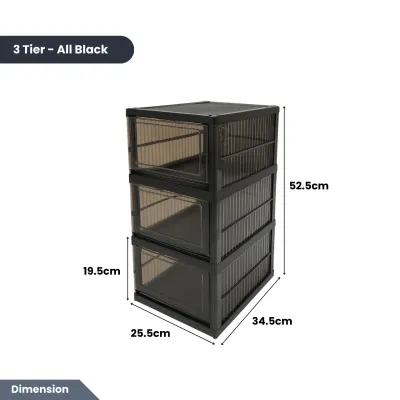
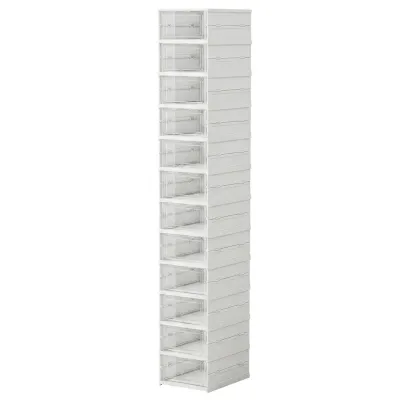
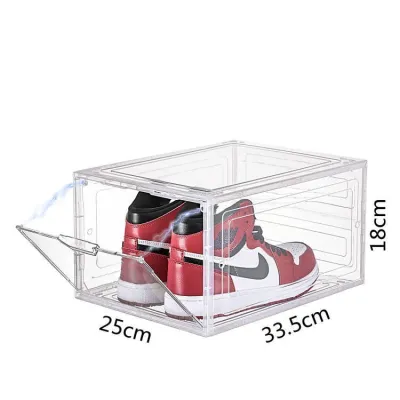
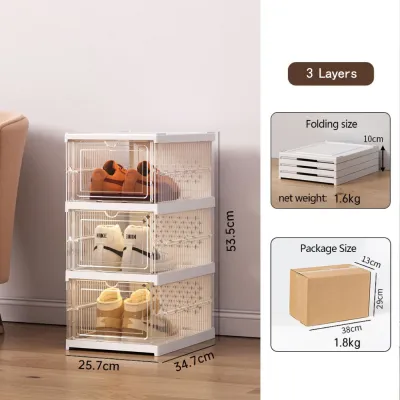
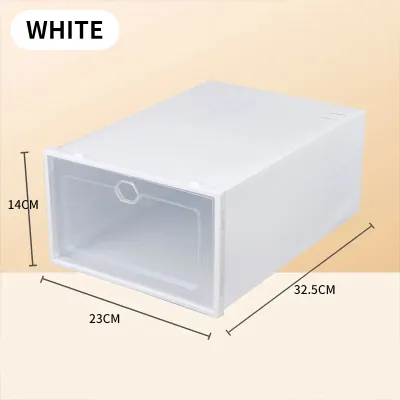
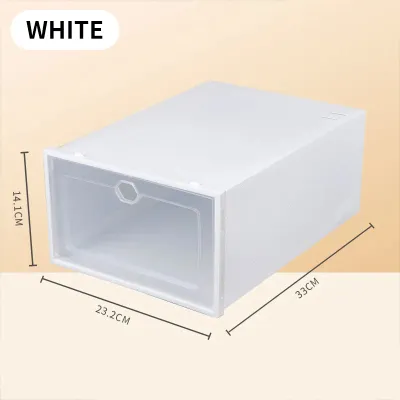
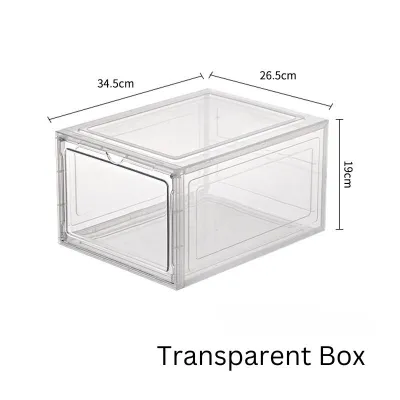
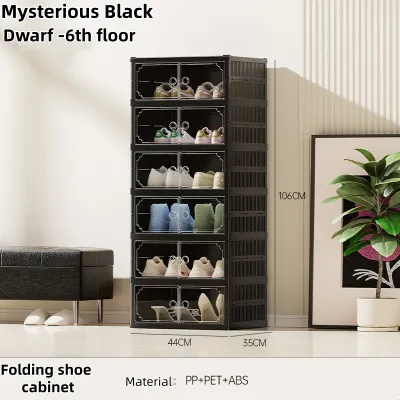
Prices are valid at publication and may change. Please refer to the product page for the latest price.
Next, categorize your footwear collection by type and size to determine the interior dimensions your cases must provide. High heels, ankle boots, and high-top sneakers require significantly more vertical clearance than flat sandals, loafers, or running shoes. Measure the height and width of your largest pair of shoes to ensure they will fit comfortably inside the cases without being bent or compressed. Grouping your shoes by height allows you to plan a modular system where smaller shoes occupy low-profile cases, maximizing the number of units you can fit.
Finally, look for underutilized “dead zones” within your wardrobe that could accommodate specialized organizers. The space beneath hanging clothes is often left empty and can easily host a low-profile shoe rack or a short stack of boxes. The high shelves at the very top of a built-in closet are perfect for storing out-of-season footwear in clear, protective containers. Additionally, the back of hinged closet doors offers valuable vertical space that can be utilized without taking up any floor or shelf area.
Types of Space-Efficient Shoes Cases for Compact Closets
Selecting the right type of shoes case depends heavily on which dimension of your closet is currently underutilized. If you have ample vertical height but limited floor space, stackable modular boxes allow you to build a customized storage tower. For narrow gaps between your wardrobe and the wall, or tight corners within the closet itself, slim-profile multi-tier shelving units provide a steady, organized footprint. If floor and shelf space are completely occupied, door-mounted or under-shelf hanging organizers can reclaim unused vertical areas.

Each of these designs offers distinct advantages and trade-offs regarding capacity, ease of access, and structural stability. Understanding how these systems function in tight spaces will allow you to choose the option that best matches your daily routine. By matching the structural style of the organizer to your specific closet constraints, you can create a seamless storage solution that keeps your footwear accessible and well-protected.
Stackable Clear Drop-Front Boxes
Stackable clear drop-front boxes are highly popular for modern closets because they allow you to build upward, utilizing the full height of your wardrobe shelves or floor space. These modular units lock together securely, preventing the stack from shifting or sliding when you retrieve a pair of shoes. Because the plastic panels are clear, you can easily identify the contents of each box at a glance without having to open multiple containers.
When planning a stacked setup, always check the manufacturer’s specifications for the maximum recommended stacking height and weight limits. Exceeding these limits can cause the bottom boxes to warp or buckle under the weight, potentially damaging the shoes inside or causing the entire tower to tip. It is best to place heavier shoes, such as leather boots or thick-soled sneakers, in the bottom boxes to keep the center of gravity low and stable.
Access is another critical factor to verify before purchasing. A high-quality drop-front door mechanism should open smoothly and close securely, preferably with magnetic latches or robust snap-locks. This design ensures you can access shoes at the bottom of a high stack without needing to unstack the boxes above. Additionally, ensure the boxes feature built-in ventilation holes on the back or sides to promote airflow and prevent moisture from becoming trapped in Singapore’s humid climate.
Slim-Profile and Multi-Tier Shelving Units
Slim-profile multi-tier shelving units are excellent for maximizing narrow closet corners or utilizing the tight gaps between your wardrobe and adjacent bedroom furniture. These units feature a compact footprint, often utilizing angled shelves to minimize the depth required to store adult-sized shoes. This design allows you to store multiple pairs of shoes vertically while keeping the walkway or closet door clearance completely unobstructed.
However, the slim depth of these units presents a trade-off in terms of footwear compatibility. Angled or ultra-slim shelves may not accommodate bulky shoes, high heels, or larger shoe sizes comfortably. Before purchasing, verify the shelf depth and height spacing to ensure your footwear will fit without hanging over the edge. Look for units that offer adjustable shelf heights, which allow you to customize the spacing to fit different shoe profiles over time.
Because slim-profile units are tall and narrow, they have a higher risk of tipping over when loaded with shoes. To ensure safety, prioritize units that include wall-anchoring hardware or brackets. Securing the rack to the closet wall or wardrobe frame prevents accidental tip-overs, especially in high-traffic areas or homes with active pets. Always follow the manufacturer’s installation instructions to ensure the anchor is securely fastened to a solid wall stud or structural panel.
Door-Mounted and Under-Shelf Hanging Organizers
Hanging organizers are an exceptional way to utilize completely unused vertical space without consuming any floor or shelf area. Over-the-door organizers hang from the top of hinged closet doors using flat metal hooks, while under-shelf organizers slide onto existing wardrobe shelves using integrated brackets. These options are highly cost-effective and can be installed in minutes without the need for drilling or complex assembly.
Before choosing an over-the-door organizer, measure the gap between the top of your closet door and the frame. If the clearance is too tight, the mounting hooks may rub against the frame, preventing the door from closing fully or scratching the wood finish. Look for organizers with thin, padded hooks that protect the door’s paint and minimize friction. For under-shelf units, verify that the shelf material is strong enough to support the added hanging weight without sagging.
Due to their flexible fabric, mesh, or lightweight plastic construction, hanging organizers have strict weight distribution limits. These systems are best reserved for lightweight footwear such as sandals, canvas flats, flip-flops, and indoor slippers. Storing heavy leather shoes or boots in hanging pockets can stretch the material, strain the mounting hooks, and cause the door to become misaligned over time. Distribute the weight evenly across the pockets to keep the organizer balanced.
Key Features to Check Before Buying
Material and Visibility
When selecting a shoes case, the quality of the material directly impacts both visibility and long-term durability. High-clarity acrylic or premium polycarbonate offers excellent transparency, allowing you to see your shoes clearly even in a dimly lit closet. If your wardrobe is positioned near a window where it receives direct sunlight, check the product specifications for UV resistance. Standard plastics can yellow and become brittle over time when exposed to UV rays, whereas UV-treated materials maintain their clarity and strength.
Ventilation and Odor Control
Singapore’s high humidity makes proper ventilation a critical feature for any enclosed shoe storage system. Daily-wear shoes naturally accumulate moisture and bacteria, which can lead to mold growth and unpleasant odors if trapped in an airtight container. Avoid completely sealed plastic boxes for shoes that you wear regularly. Instead, look for cases designed with rear ventilation slots, mesh panels, or open-air grilles that facilitate continuous airflow while still protecting your shoes from dust.
Assembly and Access
Consider the assembly complexity and the access style of the shoes case before making a decision. Some modular plastic boxes require intricate snap-together assembly, which can be time-consuming if you are setting up a large collection. Review the manufacturer’s assembly instructions or user feedback to gauge how easily the panels fit together. Additionally, evaluate whether a front-opening, side-opening, or top-lid design works best with your closet’s clearance. Front-opening doors are essential for stacked configurations, while top-lid boxes are only practical for single-layer shelf storage.
Budget and Value
Prices for shoe storage solutions in Singapore can vary widely, ranging from under S$5 for basic, flexible plastic boxes to over S$30 for heavy-duty, stackable acrylic cases. While budget-friendly options are appealing for large collections, they often lack the structural rigidity required for stable vertical stacking. Investing in thicker, high-grade materials for the base layers of your stack ensures safety and durability, offering better long-term value. Compare the cost per unit against the structural specifications to find a balance that fits your budget and safety needs.
Comparison Matrix: Matching Shoe Case Types to Closet Layouts
| Shoe Case Type | Space Footprint | Vertical Utilization | Best Suited Footwear | Main Limitations |
|---|---|---|---|---|
| Stackable Boxes | Moderate (modular) | High (can stack to ceiling) | Sneakers, heels, flats | Requires a stable, flat surface; higher cost for large setups |
| Slim Multi-Tier Units | Low (narrow depth) | Medium to High | Flats, low-top sneakers, sandals | May not accommodate large shoe sizes; requires wall anchoring |
| Door-Mounted Organizers | Extremely Low (uses door) | High (uses door height) | Slippers, sandals, light flats | Limited weight capacity; can obstruct door closure if clearance is tight |
Installation and Maintenance Tips for Small Spaces
To ensure the safety and longevity of your shoe storage system, proper installation is essential. If you are stacking modular boxes higher than four or five units, place the stack against a solid wall or closet partition. Use double-sided mounting tape or the manufacturer’s interlocking clips to secure the boxes to one another. For tall, free-standing multi-tier shelves, always install the included wall-anchoring brackets to prevent the unit from tipping forward when fully loaded.
Maintaining the cleanliness of your storage cases is simple but necessary to preserve visibility and hygiene. Wipe down clear plastic or acrylic surfaces regularly using a soft microfiber cloth and a mild, non-abrasive liquid soap. Avoid using harsh chemical cleaners, alcohol-based sprays, or abrasive scrubbing pads, as these can scratch the plastic and leave a cloudy residue. Cleaning the exterior of the cases prevents dust buildup from transferring to your clothes inside the wardrobe.
Establishing a healthy storage routine will protect both your footwear and your closet environment. Always allow your shoes to air out and dry completely after wearing them before placing them back into an enclosed case. Periodically rotate your collection, moving seasonal or formal footwear to the higher, less accessible shelves and keeping daily-wear shoes within easy reach. Cleaning the soles of your shoes before long-term storage prevents dirt and outdoor debris from accumulating inside the cases.
Frequently Asked Questions (FAQ)
Can I store heavy boots in stackable plastic shoes cases?
Standard stackable plastic shoes cases are primarily designed to support lightweight everyday footwear such as sneakers, flats, and sandals. Heavy boots, such as thick leather work boots or riding boots, can exceed the weight capacity of individual plastic panels, causing the box to sag or the entire stack to become unstable. Before storing heavy footwear, always check the manufacturer’s specified weight limits and interior height dimensions. To maintain structural stability, it is best to store heavy boots on the bottom shelf of a sturdy rack or in dedicated cases placed directly on the closet floor, reserving the lighter stackable boxes for your lighter shoes above.
How do I prevent mold and odor in enclosed shoe storage?
Preventing mold and odor in Singapore’s humid climate requires active moisture management and consistent airflow. Never place damp, sweaty, or wet shoes directly into an enclosed shoes case; always allow them to air-dry completely in a well-ventilated area first. Place moisture-absorbing packets, silica gel sachets, or activated charcoal deodorizers inside each case, and replace or reactivate them regularly according to the product instructions. Choose storage cases that feature built-in ventilation holes to promote continuous air circulation. Additionally, leave your closet doors open for a few hours each week to allow fresh air to circulate throughout the entire wardrobe space.

Community discussion
Share your experience or ask a question. Comments are reviewed before publication.