
Finding the right shoe rack with doors for a compact apartment in Singapore requires balancing full enclosure with strict spatial limits. In high-density housing like HDB flats and condominiums, entryways are often narrow corridors or shared pathways where every centimeter of floor space matters. A fully enclosed cabinet keeps your footwear hidden from view, creating a clean and organized first impression, but it also introduces challenges regarding door clearance, airflow, and physical stability.
To make a successful purchase, you must evaluate how the cabinet doors open, how the unit handles tropical humidity, and how securely it sits against your wall. By focusing on precise measurements and functional design details, you can find an enclosed storage solution that fits your layout perfectly while keeping your footwear collection in pristine condition.
Measuring Your Entryway Space and Walkway Clearance
Before browsing online marketplaces or visiting local furniture showrooms, you must establish the exact physical boundaries of your entryway. Begin by measuring the available floor width, depth, and height where you plan to position the cabinet. Do not rely on visual estimation; even a discrepancy of one centimeter can prevent a cabinet from fitting flush against the wall or cause it to overlap with adjacent architectural features.
Products mentioned in this guide
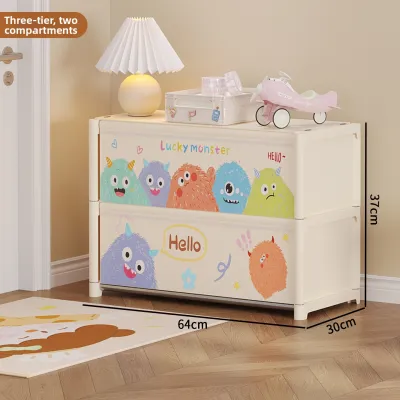
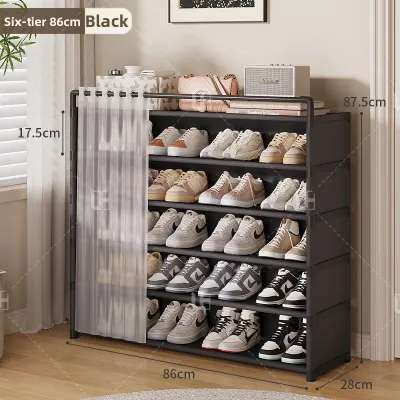
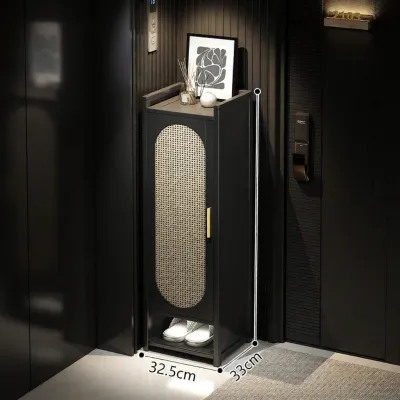
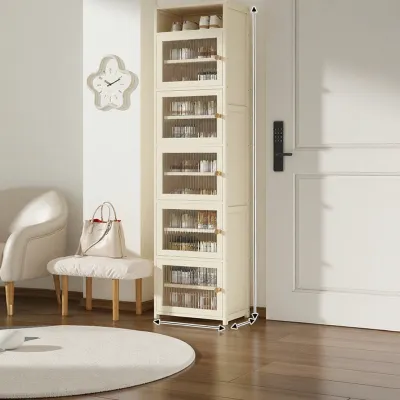
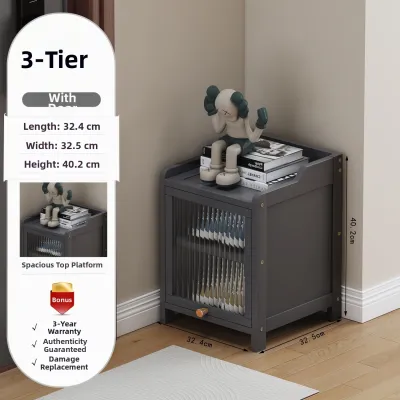
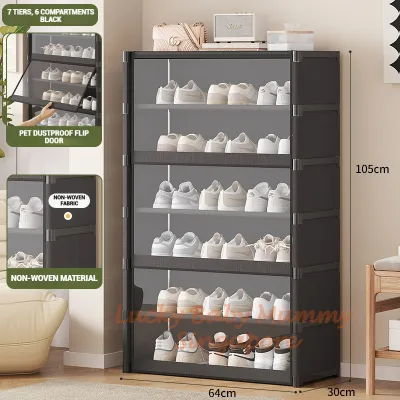
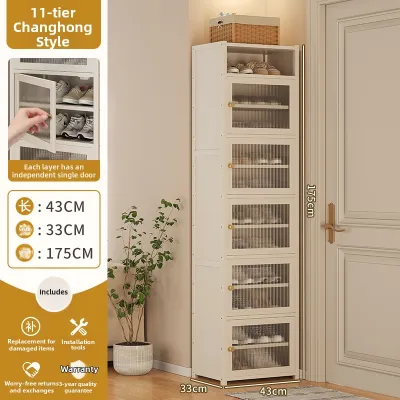
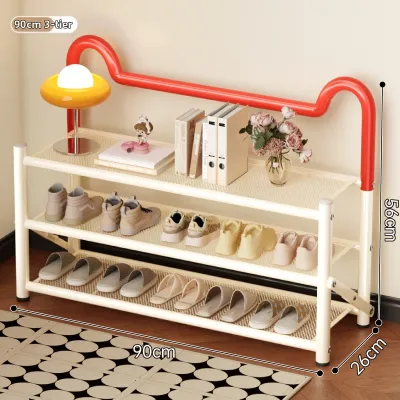
Prices are valid at publication and may change. Please refer to the product page for the latest price.
When measuring, look closely for obstacles that might interfere with the cabinet’s placement or daily use. Take note of skirting boards along the base of the wall, which can push the top of the cabinet forward and leave an unsightly gap behind it. Check the location of electrical switches, power outlets, and distribution board (DB) box doors to ensure the cabinet will not block access to these essential utilities.
Walkway clearance is another critical factor, particularly in Singapore where HDB estate guidelines require maintaining clear escape routes in common corridors. If you are placing the cabinet inside your home, ensure that when the cabinet doors are fully open, there is still comfortable clearance for family members to walk past. Measure the swing radius of your main entrance door and any nearby security gates to confirm they will not strike the shoe rack during daily operation.
Finally, consider the logistics of getting the furniture into your home. If the shoe rack arrives fully assembled or in large, flat-packed panels, you must verify that the package can fit inside your building’s elevator and through your front door. Measure the height and width of your lift entrance and any tight corners in your apartment’s hallway to avoid delivery complications on arrival day.
Selecting the Best Door Mechanism for Tight Hallways
The way your shoe rack doors open directly impacts how much usable space remains in your hallway. Traditional hinged doors are a common choice, offering complete access to the entire cabinet interior at once. However, they require significant front clearance to swing open, which can completely block a narrow corridor and force you to step backward or squeeze against the wall just to retrieve a pair of shoes.

For exceptionally tight spaces, sliding doors or tambour doors are highly efficient alternatives. Sliding doors glide horizontally along tracks, requiring zero front clearance to operate. The trade-off is that they only allow you to access one half of the cabinet at a time, which can make organizing or searching for shoes slightly more tedious. When choosing a sliding mechanism, inspect the quality of the tracks and rollers to ensure they slide smoothly without catching or jumping off the rails.
Tilt-out or flip-down drawers represent another space-saving design tailored for ultra-narrow entryways. These cabinets store shoes vertically or at an angle, allowing the overall depth of the unit to remain incredibly slim—often under 20 centimeters. While highly compact, tilt-out drawers have strict physical limits; they may not accommodate high-top sneakers, ankle boots, or high heels unless the internal dividers are adjustable or removable. Always check the maximum shoe size and height limits specified by the manufacturer before choosing this style.
Regardless of the door type, pay close attention to the hardware and handle design. Recessed handles or push-to-open magnetic latches are ideal for narrow hallways because they eliminate protruding knobs that can snag on clothing or bags as you walk past. Ensure all hinges and soft-close mechanisms feel sturdy and are adjustable, allowing you to realign the doors if they begin to sag over time.
Managing Ventilation and Moisture in Enclosed Storage
Singapore’s humid tropical climate poses a unique challenge for enclosed shoe storage. When damp or sweaty shoes are locked inside a dark, airtight cabinet, they create a breeding ground for mold, mildew, and unpleasant odors. To protect your footwear and keep your entryway smelling fresh, you must prioritize ventilation when selecting an enclosed shoe rack.
Look for cabinets designed with built-in airflow features. Louvered doors, which feature angled horizontal slats, are excellent for promoting continuous air circulation while keeping your shoes completely hidden from direct view. Alternatively, look for units with integrated ventilation slots on the side panels or breathable mesh backboards that allow trapped moisture to escape naturally.
In addition to choosing a breathable design, establish a routine maintenance plan to manage humidity levels inside the cabinet. Placing natural moisture absorbers, such as reusable silica gel canisters or activated bamboo charcoal bags, on the shelves helps draw excess dampness out of the air. It is also wise to leave the cabinet doors wide open for a few hours periodically, especially on dry, sunny days when your home is well-ventilated.
To prevent moisture buildup at the source, never place wet or muddy shoes directly into an enclosed cabinet. If you get caught in a sudden afternoon downpour, leave your damp shoes on an open entryway mat or a designated drying rack until they are completely dry before storing them away. Wiping down the interior shelves with a dry microfiber cloth during your weekly cleaning routine will also help keep dust and residual moisture under control.
Maximizing Storage Capacity with Adjustable Interiors
To get the most value out of a compact shoe rack, the interior layout must be highly adaptable. Standard fixed shelves often result in wasted vertical space, leaving large empty gaps above low-profile flats while failing to accommodate taller footwear like boots or high-top sneakers. Prioritizing a cabinet with adjustable or removable shelves allows you to customize the height of each compartment to match your specific collection.
When evaluating storage capacity, do not rely solely on the manufacturer’s advertised pair count, as these estimates are often based on small, flat shoes or children’s footwear. Instead, calculate the realistic capacity by comparing the physical width of the shelves against the average width of your own shoes. If you wear larger shoe sizes, measure your longest pair to ensure they can sit straight on the shelf without forcing you to place them sideways, which drastically reduces overall capacity.
Some space-saving shoe racks feature multi-functional designs that add utility without expanding the physical footprint. Look for units with flat, sturdy tops that can serve as a convenient landing pad for keys, mail, or decorative items near the front door. Other models may include small side pockets or shallow top drawers, which are perfect for organizing shoe horns, extra laces, cleaning brushes, and compact umbrellas.
Ensuring Stability and Safe Installation
Because space-saving shoe racks are often designed to be tall and slim to maximize vertical storage, they naturally have a higher center of gravity. This makes them susceptible to tipping forward, especially when multiple heavy drawers are pulled open simultaneously or when a family member accidentally bumps into the unit. Ensuring physical stability is a critical safety step during installation.
To prevent tip-over accidents, tall or narrow cabinets should be securely anchored to the wall. Many manufacturers include wall-mounting brackets or safety straps in the packaging; always utilize these hardware pieces according to the provided instructions. If you live in a rental property where drilling into walls is restricted, look for wider, lower-profile cabinets that offer a more stable base, or consult your landlord about approved mounting solutions.
Before securing the cabinet, verify that your entryway floor is perfectly level. Many apartment floors, particularly near tiled entryways or floor drains, have a slight slope to assist with water runoff. If the floor is uneven, the cabinet frame can twist slightly, causing the doors to misalign, rub against each other, or fail to close properly. Use adjustable leveling feet or thin furniture shims beneath the base to ensure the unit stands perfectly plumb.
Finally, always adhere to the manufacturer’s specified weight limits for each shelf and drawer. Overloading the upper shelves with heavy boots or bulky items can compromise the structural integrity of the cabinet, leading to bowed shelves, loose joints, or hardware failure over time. Distribute the weight evenly by placing your heaviest footwear on the bottom shelves and keeping lighter shoes near the top.
Frequently Asked Questions (FAQ)
How do I prevent odors in a fully enclosed shoe rack?
To prevent odors, place natural desiccants like activated bamboo charcoal bags or silica gel packets on the shelves to absorb excess moisture and neutralize smells. Ensure you only store completely dry shoes inside the cabinet, and make it a habit to wipe down the interior shelves regularly with a dry cloth. Periodically leaving the cabinet doors open during dry days will also help flush out stale air.
Can I place a shoe rack with doors over a floor drain or utility cover?
It is highly recommended to avoid permanently blocking access to floor drains, plumbing inspection chambers, or utility covers in your entryway. If you must position a shoe rack near these areas, select a unit with tall, raised legs that allow clear clearance underneath, or choose a lightweight, easily movable cabinet. This ensures you can quickly access the utility point for maintenance or cleaning without damaging your furniture.

Community discussion
Share your experience or ask a question. Comments are reviewed before publication.