
To maximize shoe storage in a compact Singapore apartment, such as a Housing & Development Board (HDB) flat or a modern condominium, selecting the right shoe rack is a balancing act between capacity and physical footprint. Entryways in these homes are often narrow corridors where every centimeter of floor space is highly contested. To solve this dilemma, homeowners must look beyond basic shelving and evaluate brands based on their space-saving designs, structural integrity, and adaptability.
Rather than relying on generic recommendations, finding the ideal high-capacity storage solution requires a systematic approach. By understanding how to measure your entryway, identifying high-density configurations, and knowing how to assess brand quality, you can secure a system that keeps your home organized without cluttering your living space.
Assessing Entryway Space and Capacity Requirements
Before browsing online marketplaces or visiting local furniture showrooms, you must establish the exact physical boundaries of your entryway. Start by measuring the available floor space, paying close attention to the depth of the area. In many Singapore apartments, the clearance between the main door frame and the adjacent wall is less than 30 centimeters. This narrow margin means a standard shoe cabinet will protrude into the walking path, creating a physical bottleneck. Measure the ceiling height as well, especially if you plan to utilize vertical space with a floor-to-ceiling unit.
Products mentioned in this guide
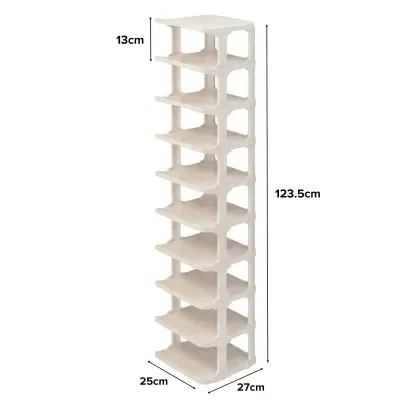
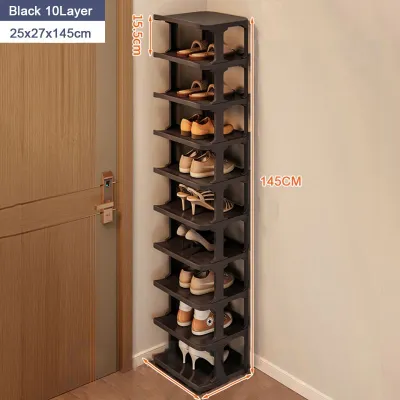
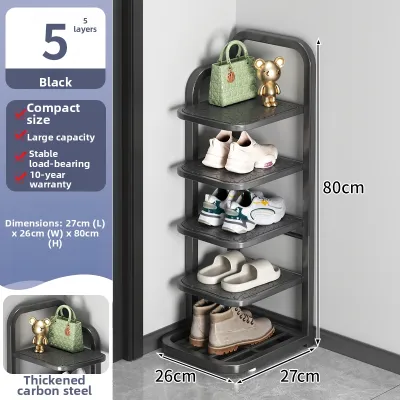
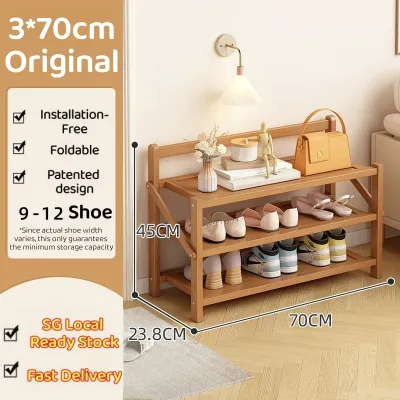
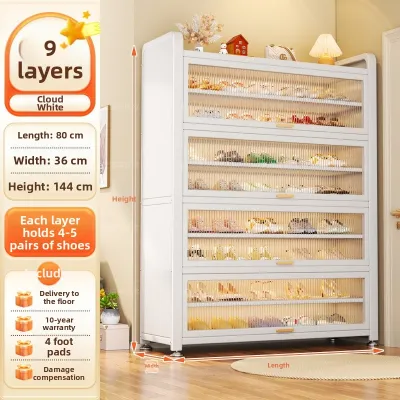
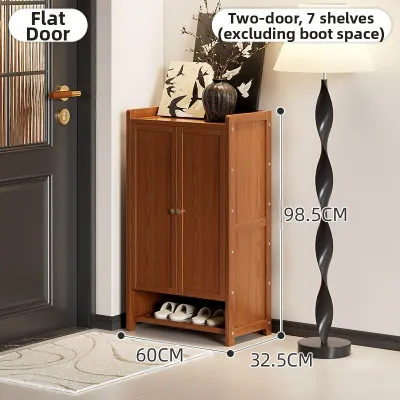
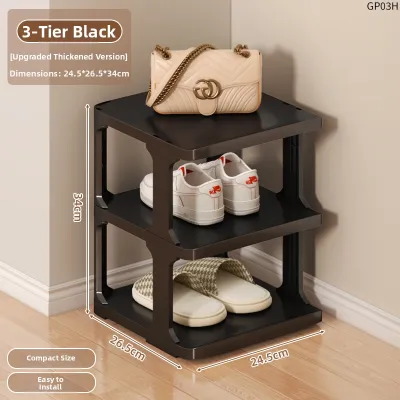
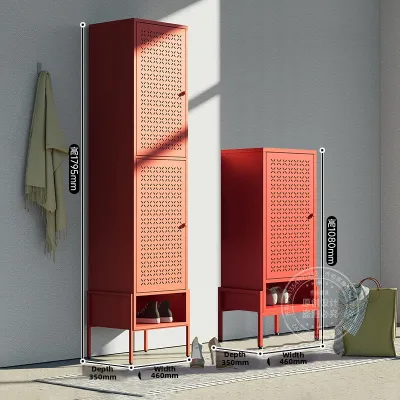
Prices are valid at publication and may change. Please refer to the product page for the latest price.
Next, calculate the door swing clearances. Your main entrance door, the metal security gate, and any nearby bedroom or utility doors must be able to swing fully open without colliding with the shoe rack. A common mistake is forgetting to account for the thickness of the cabinet doors when they are open. If you choose a traditional hinged-door cabinet, ensure there is at least 40 to 50 centimeters of clearance in front of the unit to allow a person to stand and open the doors comfortably.
Calculating your shoe inventory is the next critical step. Do not simply guess how many pairs you own; conduct a physical count. Categorize your footwear by type and height, separating flat sandals and slippers from bulky sneakers, high heels, and boots. Bulky footwear requires more vertical clearance and deeper shelves, whereas flat shoes can be stored in much tighter configurations. If your household plans to expand, or if you are an avid collector, factor in a 20% buffer for future purchases to avoid outgrowing your storage system within a year.
Finally, identify any physical obstacles along the entryway walls. Singapore homes frequently feature wall-mounted utilities such as electrical distribution board (DB) boxes, fiber termination points, light switches, and intercom systems. Your shoe rack must not block access to these essential services. Additionally, take note of skirting boards along the base of the wall. Skirting boards prevent tall, flat-backed furniture from sitting completely flush against the wall, which can compromise stability and make secure wall-anchoring more difficult.
Space-Saving Designs for High-Density Shoe Storage
When floor space is limited, the structural design of the shoe rack determines its storage efficiency. Vertical and tiered configurations are highly superior to wide, low-profile units for narrow hallways. By extending upward rather than outward, vertical racks exploit unused wall space, allowing you to store dozens of pairs of shoes while occupying a minimal footprint on the floor.

For the narrowest entryways, slim-profile and tilt-out (or tipping) mechanisms offer the highest shoe-to-space ratio. Instead of storing shoes flat on horizontal shelves, tilt-out cabinets hold footwear vertically or at an angle inside pivoting drawers. This clever mechanism reduces the required depth of the cabinet to as little as 15 to 20 centimeters. When closed, the cabinet looks like a sleek, shallow console table, keeping the entryway clear and uncluttered.
Adjustable shelving is another crucial feature for high-density storage. Fixed shelves often result in wasted vertical space, as a short pair of flats occupies the same vertical clearance as a tall pair of high heels. Look for brands that utilize a peg-and-hole system, which allows you to adjust the height of individual shelves. This flexibility ensures you can pack shelves tightly together for low-profile shoes and create larger gaps only where necessary for bulkier footwear.
Modular or stackable systems provide excellent long-term adaptability. These systems allow you to purchase a single, compact unit initially and add matching modules vertically or horizontally as your storage needs grow. When evaluating modular brands, verify how the individual units connect to one another. High-quality modular systems use dedicated metal brackets or interlocking dowels to ensure that stacked units remain perfectly aligned and structurally stable under a full load.
How to Evaluate Brands for Compact, High-Capacity Racks
Finding a reliable brand requires looking past aesthetic appeal and examining the engineering and materials used. Do not assume that a material labeled as “hardwood” or “waterproof” is automatically durable in Singapore’s humid climate. Instead, check the specific laminate finish, the sealing of the joints, and the manufacturer’s care instructions. High-density fiberboard (HDF) or medium-density fiberboard (MDF) with a high-quality melamine or laminate finish can offer excellent resistance to moisture and warping, provided all edges are fully sealed against ambient humidity.
Weight capacity is a critical safety and performance metric that brands should clearly specify. A high-capacity shoe rack fully loaded with thirty or forty pairs of shoes can easily weigh over 50 kilograms. Check the manufacturer’s load limits for both individual shelves and the overall unit. If a brand does not publish these weight limits, it is a sign to proceed with caution, as overloaded shelves are prone to structural sagging and joint failure over time.
Before purchasing, research the availability of replacement parts, modular expansions, and matching accessories. Reputable brands often sell extra shelves, replacement hinges, and specialized drawer runners separately. This availability is crucial for tilt-out cabinets, where the pivoting plastic or metal brackets are subject to constant wear and tear. Choosing a brand with a reliable supply of spare parts ensures that a single broken hinge does not render the entire cabinet useless.
Assembly conditions and manufacturing precision are also key differentiators among furniture brands. If you are opting for flat-pack furniture, read customer reviews regarding the alignment of pre-drilled holes and the clarity of the instruction manuals. Poorly aligned holes force components together at odd angles, putting unnecessary stress on the joints and reducing the overall stability of the assembled unit. Look for brands that use metal-to-metal cam lock fasteners rather than simple wood screws, as these provide a much tighter and more durable connection.
Finally, compare the warranty terms offered by different manufacturers. A standard one-year warranty is common, but brands that offer extended coverage on structural components, hinges, and drawer mechanisms demonstrate greater confidence in their product’s longevity. Pay close attention to what the warranty excludes; coverage should ideally include protection against structural sagging under normal load conditions and premature joint failure.
Stability and Safety Checks for Tall or Slim Racks
Because high-capacity shoe racks designed for small spaces are typically tall and shallow, they possess a high center of gravity. This physical profile makes them inherently prone to tipping forward when drawers are pulled open or if someone accidentally bumps into the unit. To prevent serious tipping hazards in busy household entryways, wall-anchoring is an absolute necessity for any shoe rack that exceeds a height-to-depth ratio of 4:1.
Most reputable brands include basic anti-tip kits with their tall furniture, consisting of brackets, straps, or wall screws. However, you must identify your specific wall type to ensure you use the correct anchors. Singapore homes commonly feature solid concrete walls (especially structural walls and household shelter doors), brick walls, or hollow drywall partitions. Standard plastic wall plugs included in furniture boxes are often unsuitable for drywall; instead, you must purchase specialized heavy-duty toggle bolts or hollow-wall anchors from a local hardware store.
Before drilling into any wall, you must take precautions to avoid damaging concealed utilities. Electrical wiring, fiber optic cables, and water pipes are often embedded within entryway walls, particularly near distribution boards or adjacent bathrooms. Use a reliable multi-scanner or stud finder with wire-detection capabilities to map out the wall before making any punctures. If you are drilling into concrete, a high-powered hammer drill and a masonry drill bit are required to create a clean, secure hole.
Proper weight distribution is a simple yet highly effective strategy to enhance the physical stability of your shoe rack. Always place your heaviest footwear, such as boots, leather dress shoes, and thick-soled sneakers, on the lowest tiers of the cabinet. Keep lightweight sandals, slippers, and seasonal items on the upper shelves. This distribution lowers the overall center of gravity of the unit, making it significantly more stable and reducing the mechanical stress placed on the wall anchors.
If you do not own the necessary tools, such as a hammer drill, or if you feel unsure about identifying wall studs and avoiding hidden pipes, do not attempt a DIY installation. It is highly recommended to hire a qualified professional handyman to handle the structural drilling and mounting. A professional installer will ensure the rack is perfectly level, securely anchored, and capable of safely supporting its maximum weight capacity.
Frequently Asked Questions (FAQ)
How do I prevent odors in a high-capacity, enclosed shoe cabinet?
Enclosed shoe cabinets are highly susceptible to trapping moisture and odors, especially in Singapore’s warm, humid climate. To prevent this, prioritize airflow by choosing cabinets with slatted doors, ventilation grilles, or open backs. Never store damp or wet footwear immediately after returning home; allow your shoes to air-dry completely in a well-ventilated area before placing them inside the cabinet. Establish a regular cleaning routine where you wipe down the interior shelves with a mild disinfectant and let the cabinet air out with the doors open for a few hours. Additionally, place active moisture absorbers, charcoal deodorizing bags, or baking soda canisters on multiple shelves to continuously absorb excess humidity and neutralize unpleasant odors.
Can I place a tall shoe rack in front of an HDB household shelter door?
No, you must never block or restrict access to an HDB household shelter (commonly known as a bomb shelter) door. Singapore’s Civil Defense regulations require that the household shelter door remains fully accessible and capable of opening completely at all times. Placing a heavy, tall, or anchored shoe rack directly in front of the door or within its swing path is a safety violation and a hazard during emergencies. If your entryway space is extremely limited and the shelter door occupies a major portion of the wall, you must use alternative storage solutions. Opt for lightweight, low-profile shoe benches or mobile, wheeled shoe racks that can be easily and quickly rolled out of the way without obstructing the door’s full swing path.
What is the best way to clean and maintain wooden or metal shoe racks?
Proper maintenance is essential to extend the lifespan and preserve the appearance of your shoe rack. For wooden or engineered wood units, perform regular dusting with a dry microfiber cloth to remove abrasive dirt and debris. Avoid using wet mops or harsh chemical cleaners, which can seep into joints and cause the wood fibers to swell and warp; instead, use a slightly damp cloth and dry the surface immediately afterward. For metal shoe racks, wipe them down periodically to prevent dust buildup, and check for any signs of moisture that could lead to rust. Regardless of the material, establish a habit of checking and tightening all hardware, hinges, drawer runners, and wall-anchoring joints every six months to ensure the structure remains rigid and safe.
Community discussion
Share your experience or ask a question. Comments are reviewed before publication.