
In a compact Singapore Housing & Development Board (HDB) flat, every square centimeter of surface space on your coffee table or television console is premium real estate. The remote control organizer styles that save the most space are those that completely remove clutter from horizontal surfaces, specifically wall-mounted adhesive holders and sofa armrest caddies. By shifting your devices to vertical planes or utilizing the existing footprint of your furniture, these styles preserve valuable tabletop area for daily living. Alternatively, if you must use tabletop space, a highly consolidated, tiered vertical tray with a narrow base offers the best compromise. Selecting the right style requires analyzing your specific living room layout, furniture materials, and wall finishes to ensure a secure, damage-free fit.
Assessing Available Space in a Compact HDB Living Room
Maximizing space in a typical HDB living room—especially in modern 3-room or 4-room Build-To-Order (BTO) flats—requires a strategic look at underutilized “dead zones.” These are areas that naturally exist within your layout but rarely serve a functional purpose. Common examples include the outer sides of your sofa armrests, the narrow gaps between the TV console and adjacent walls, and the vertical wall space directly surrounding your wall-mounted television. Identifying these zones allows you to choose an organizer that fits seamlessly into your room’s natural flow without requiring additional furniture.
To make an informed choice, you must distinguish between your room’s available floor space, surface space, and vertical space. Floor space in a compact living room is highly restricted; adding a standalone organizer stand is rarely practical as it blocks walkways and complicates cleaning. Surface space on coffee tables and TV consoles is equally precious and easily becomes cluttered with cups, books, and decorative items. Vertical space, however, is frequently abundant. Utilizing walls or the sides of existing furniture lets you store multiple remote controls without sacrificing any functional horizontal areas.
Products mentioned in this guide
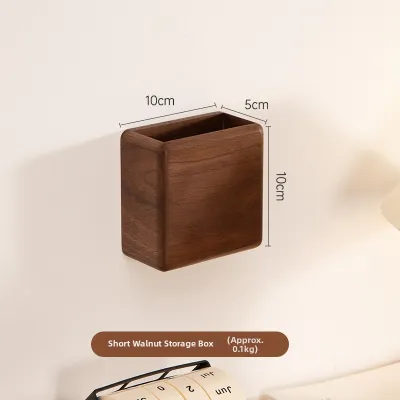
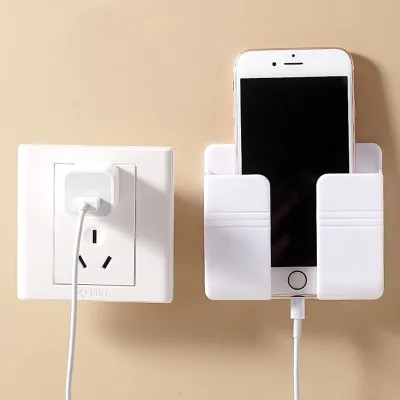
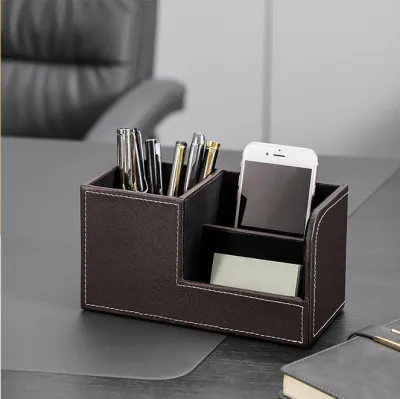
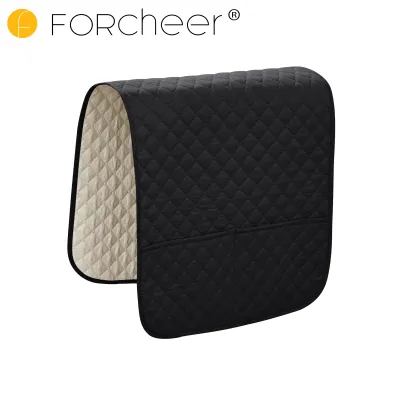
Prices are valid at publication and may change. Please refer to the product page for the latest price.
Maintaining clear sightlines and physical clearance is essential for keeping a small room feeling open and airy. A cluttered coffee table or a bulky organizer blocking your path creates visual noise, making the living room feel significantly smaller than its actual dimensions. As a general rule, ensure that any organizer you choose leaves at least 50 to 60 centimeters of clear walkway space around your coffee table and seating. This clearance prevents accidental bumps and ensures that your daily movement through the living room remains smooth and unobstructed.
Top Space-Saving Remote Control Organizer Styles
Different organizer designs target specific spatial limitations, allowing you to tailor your storage solution to your household’s habits. Whether you want to clear your coffee table entirely or simply group your devices more efficiently, understanding the mechanics of each style is the first step toward an organized living space. The primary categories include vertical wall-mounted options, furniture-integrated solutions, and compact surface consolidators.

Wall-Mounted and Adhesive Holders
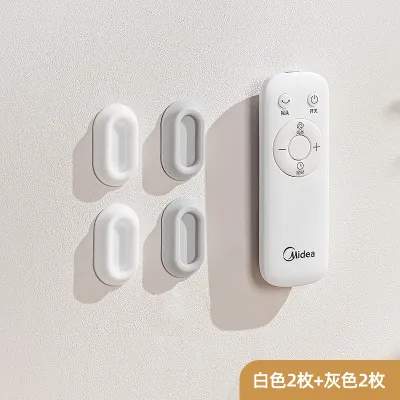
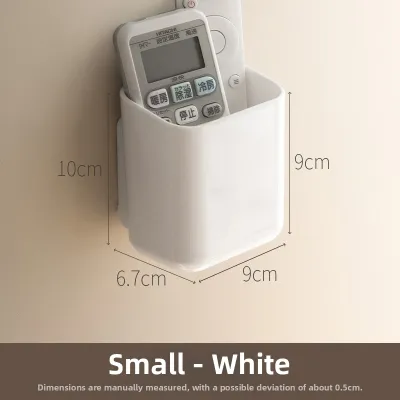
Wall-mounted and adhesive remote control holders are the ultimate space savers because they exploit vertical surfaces that would otherwise remain empty. These holders are typically crafted from lightweight materials such as clear acrylic, minimalist wood, or powder-coated metal wire. Clear acrylic options are highly popular in modern HDB interiors because their transparency reduces visual weight, making them appear almost invisible against your wall. Minimalist wood or metal designs can complement your existing Scandinavian or industrial interior design themes while keeping your remotes neatly aligned.
When choosing a wall-mounted holder, the mounting method is a critical consideration for HDB dwellers. Permanent screw-in options offer maximum stability but require drilling into concrete or brick walls, which can be difficult and leaves permanent holes. Adhesive-backed holders offer a damage-free alternative that is ideal for both renters and homeowners who want to avoid drilling. However, you must match the adhesive type to your specific wall finish, as heavy-duty tapes can bond too strongly to standard HDB emulsion paint, leading to peeling during removal.
Strategic placement is key to ensuring these vertical holders are genuinely useful. Mounting a holder directly next to your light switches near the living room entrance or right beside the sofa ensures your remotes are always within arm’s reach. Another excellent location is the side of your TV console or the wall directly behind your television, keeping the devices hidden from direct view while maintaining a clear line of sight for infrared signals when you retrieve them.
Sofa Armrest and Couch Caddies
Sofa armrest and couch caddies utilize the existing footprint of your seating, making them incredibly efficient for compact layouts. These organizers drape over the armrest of your sofa, converting a flat or curved fabric surface into a multi-pocket storage hub. Because they sit directly on your furniture, they require absolutely zero wall or floor space, keeping your remotes, reading glasses, and tablets immediately accessible while you relax.
These caddies generally fall into three design categories: weighted, non-weighted, and slip-under-cushion models. Weighted caddies feature heavy metal bars or silicone beads sewn into the outer edges to drape securely over wide, flat armrests. Non-weighted models rely on friction or anti-slip backing to stay in place, while slip-under-cushion designs feature a long fabric tongue that tucks deep beneath your sofa cushion, using your body weight to anchor the organizer. Choosing the right design depends on your sofa’s shape; wide, square armrests accommodate weighted caddies beautifully, while narrow or rounded armrests are better suited for slip-under-cushion styles.
Material selection plays a vital role in both durability and furniture protection. Common materials include felt, linen, canvas, and polyurethane (faux) leather. If you have a fabric sofa, a caddy with a textured felt or silicone-dotted backing prevents sliding without causing pilling. For leather sofas, avoid rough canvas backings that could scratch the leather surface over time; instead, opt for soft microfiber or faux leather backings that grip the smooth surface gently.
Consolidating Trays and Console Inserts
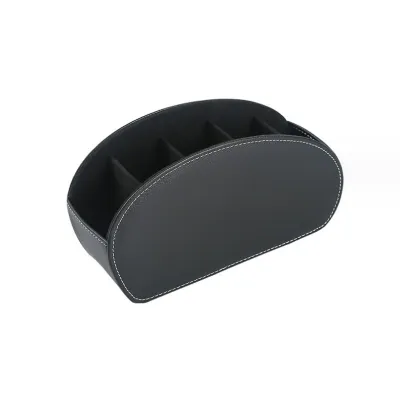
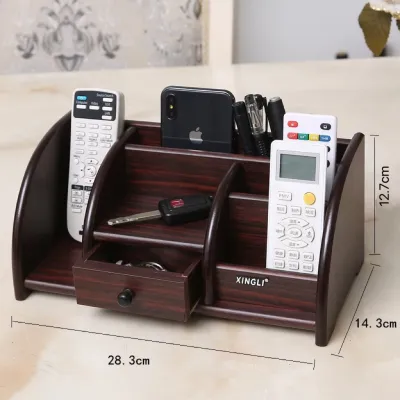
If you prefer to keep your remotes on a table or console, consolidating trays and console inserts are designed to minimize the physical footprint of your storage. Unlike traditional flat trays that spread items horizontally, space-saving trays utilize vertical tiers or deep, upright compartments. These designs allow you to store four or five remotes in a vertical sequence, consuming only a fraction of the surface area that those same remotes would occupy if laid flat side-by-side.
For TV consoles with narrow glass doors or open shelving, slim inserts and attachable side pockets are highly effective. These compact organizers can be tucked into the small gaps between your media players, game consoles, and the outer frame of the TV unit. Some models feature adjustable dividers, allowing you to customize the compartment sizes to fit different devices snugly, preventing them from tipping over or sliding around.
When shopping for a surface-bound organizer, prioritize footprint-efficient designs with a heavy, stable base and a small surface area footprint. A weighted base ensures that the organizer remains upright even when holding longer, top-heavy remotes. Look for vertical carousel designs or stepped organizers where each remote sits slightly higher than the one in front of it, allowing you to identify and grab the correct remote instantly without rummaging.
Measurement and Installation Guidelines
To ensure your chosen organizer fits perfectly and functions safely, precise measurement is essential before making a purchase. If you are opting for a sofa armrest caddy, start by measuring the exact width of your sofa’s armrest using a flexible measuring tape. Next, measure the drop length—the distance from the top of the armrest down to where you want the pockets to hang—to ensure the caddy will not drag on the floor or block nearby drawers. For slip-under-cushion models, verify that your sofa cushions are fully removable and check the depth of the gap to ensure the anchoring flap can insert deeply enough to remain secure.
For wall-mounted or standing units, you must carefully evaluate the physical clearance of your living room. Measure the depth of your TV console and compare it to the width of the adjacent walkway; any mounted holder must not protrude into this path, as passing family members could easily knock it loose. Additionally, check that the placement of a wall-mounted holder does not block the opening of nearby cabinet doors, electrical outlets, or ventilation grates on your electronic devices.
When installing adhesive-backed organizers, surface preparation is the single most important factor in preventing failure. Begin by cleaning the target surface thoroughly with isopropyl alcohol to remove dust, oils, and fingerprints; avoid using household glass cleaners, which can leave a slippery residue. Allow the surface to dry completely before applying the adhesive. Once the adhesive is applied, press the holder firmly against the wall or console for at least 30 seconds to activate the pressure-sensitive bond, then allow it to cure for a full 24 hours before placing any remotes inside.
It is highly recommended to avoid drilling into HDB walls whenever possible, especially if you reside in a rental flat or wish to preserve your wall finishes. Drilling into concrete walls requires a rotary hammer drill and plastic wall plugs, which can create significant dust and permanent structural marks. Instead, rely on high-quality, damage-free adhesive strips rated for the specific weight of your organizer. If your walls are covered in delicate wallpaper or textured paint, consider mounting the adhesive holder directly to the wooden side panel of your TV console or the side of a bookshelf, which are much easier to clean and restore than painted plaster.
Common Sizing and Placement Mistakes
One of the most frequent mistakes when choosing a remote control organizer is purchasing a model with compartments that are too narrow or shallow. Modern smart home setups often include bulky voice-control remotes, thick game controllers, or streaming device remotes with rubber protective sleeves. If the organizer’s slots are designed solely for traditional, slim television remotes, your modern devices will either jam tightly inside or sit precariously, risking falls and damage. Always measure the thickness and width of your largest remote before selecting an organizer.
Placement errors can also lead to premature product failure, particularly with adhesive-mounted models. Installing an adhesive holder in direct sunlight—such as on a wall adjacent to a sunny balcony—or directly underneath an air-conditioning vent can weaken the adhesive bond. The constant temperature fluctuations and UV exposure degrade the chemical structure of the adhesive tape, causing the holder to fall unexpectedly. Keep adhesive organizers in shaded, temperature-stable areas of your living room.
Overloading sofa caddies is another common issue that leads to frustration and clutter. While it can be tempting to store heavy items like large power banks, tablets, or multiple gaming controllers in your armrest caddy, exceeding the weight balance will cause the caddy to slip off the armrest. This sudden movement can damage your electronic devices and create a safety hazard. Restrict your caddy’s contents to lightweight items like remotes, glasses, and small notebooks, and always distribute the weight evenly across both sides of the caddy if it is a double-sided model.
Finally, many homeowners ignore the visual weight and color contrast of the organizer within their small HDB living room. Choosing a dark, bulky organizer for a light-colored, minimalist room creates a stark visual contrast that draws the eye directly to the clutter, making the space feel cramped. To maintain a sense of openness, select an organizer that matches the color of your walls or furniture. A white or clear acrylic holder on a white wall, or a light grey felt caddy on a grey sofa, blends seamlessly into the background, preserving the visual continuity of your living space.
Frequently Asked Questions (FAQ)
Managing your living room storage efficiently requires understanding how to care for your organizers and protect your home’s surfaces. Here are practical solutions to common organizer issues.
How do I remove adhesive remote holders without peeling HDB wall paint?
To remove an adhesive holder safely, use a handheld hairdryer on a medium heat setting to warm the adhesive backing for one to two minutes. This heat softens the glue, making it pliable. Next, take a piece of dental floss or thin fishing line, slide it behind the holder, and use a gentle sawing motion to slice through the softened foam tape. Once the holder is removed, gently rub away any residual adhesive with your fingers or use a mild, paint-safe adhesive remover applied to a microfiber cloth, avoiding aggressive scrubbing that could damage the underlying HDB emulsion paint.
Can a remote control organizer hold heavy items like power banks or phones?
Whether an organizer can support heavier items depends entirely on its style, materials, and mounting method. Lightweight acrylic or plastic wall-mounted holders using standard adhesive strips are designed strictly for lightweight remotes and may fail under the weight of a heavy power bank or modern smartphone. Conversely, reinforced fabric sofa caddies or wooden tabletop organizers with a wide, stable base can easily accommodate heavier items. Always check the manufacturer’s specified weight limits and adhesive ratings before storing anything other than standard remote controls to prevent structural failure or wall damage.

Community discussion
Share your experience or ask a question. Comments are reviewed before publication.