
Finding the right book shelf configuration for a compact Singapore apartment requires balancing storage capacity with precious floor area. In typical HDB flats and condominiums, standard bulky furniture can quickly overwhelm a room and disrupt the flow of traffic. Modular bookshelves solve this challenge by allowing you to build upward rather than outward, adapting to awkward corners, structural pillars, and high ceilings. By selecting configurations like vertical towers, wall-mounted floating units, or double-sided room dividers, you can maximize your storage potential while keeping your living space open and airy.
Assessing Your Space and Storage Needs
Before purchasing any modular components, a precise spatial assessment is essential to ensure the system fits both your home and your lifestyle. Begin by measuring the exact width, height, and depth of your target wall, taking care to note any architectural features that could obstruct installation. In Singapore apartments, these often include wall-mounted air-conditioning units, light switches, electrical outlets, and DB boxes. Mapping these elements beforehand prevents the frustration of assembling a beautiful shelving unit only to find it blocks a vital power source or interferes with the airflow of your cooling system.
Equally important is planning the logistics of delivery and assembly within your building. Measure the height and width of your apartment’s main doorway, as well as the internal dimensions of the common lift. If your modular system includes tall, single-piece side panels or wide base units, they must be able to fit inside the lift and navigate tight corridor corners without causing damage. Additionally, ensure there is sufficient clearance in the room itself to lay out the components and safely assemble them on the floor before uprighting the unit.
Products mentioned in this guide
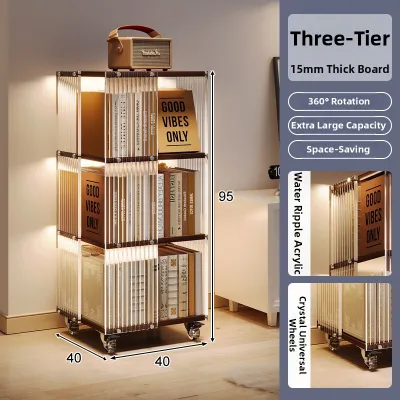
![[SG Seller]360Degrees Rotating Bookshelf Rotating Book Shelf Rotate Floor Standing Books Storage Rack](https://img.lazcdn.com/g/p/bb46c1ac353d25f9026879c97f254c6c.jpg_400x400q80.jpg_.webp)
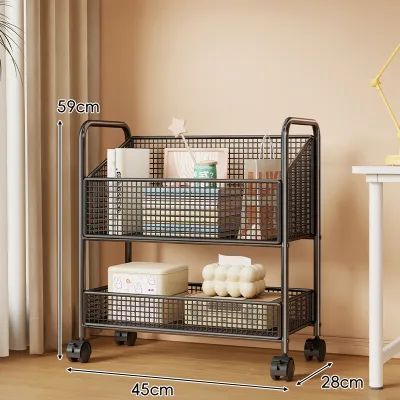
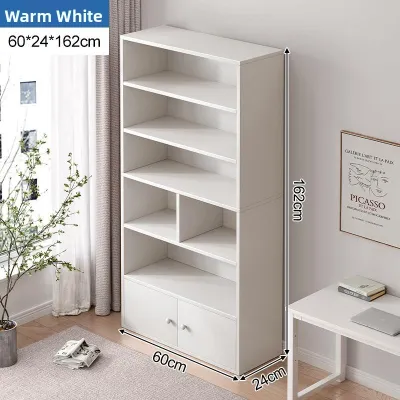
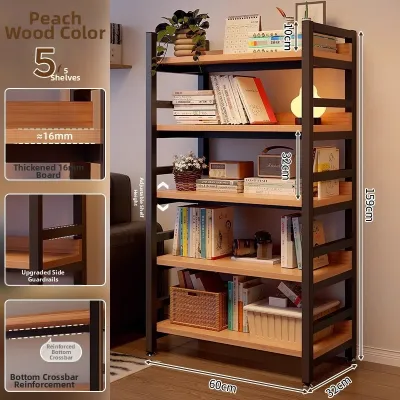
Prices are valid at publication and may change. Please refer to the product page for the latest price.
Next, evaluate what you actually plan to store to determine the ideal ratio of open shelving to closed cabinetry. Open shelves are excellent for displaying books, decorative items, and small potted plants, but they require regular dusting and can look cluttered if overfilled. Closed modules, such as drawers or cabinet doors, are better suited for hiding paperwork, electronic accessories, and miscellaneous household items. Balancing these two elements allows you to maintain a clean, organized aesthetic while keeping daily essentials within easy reach.
Effective Modular Configurations for Compact Layouts
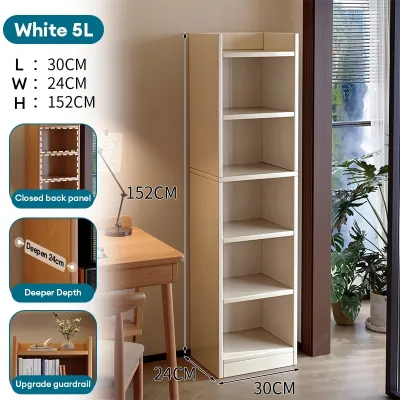
Vertical tower setups are highly effective for homes with limited floor space but ample vertical clearance. By utilizing a narrow footprint, these tall, slender columns draw the eye upward and make small rooms feel loftier. They fit neatly into unused corners, beside window frames, or in narrow hallway transitions where wider furniture would block the walkway. When grouping multiple towers together, you can create a library-style wall that feels custom-built yet remains fully adjustable as your collection grows.

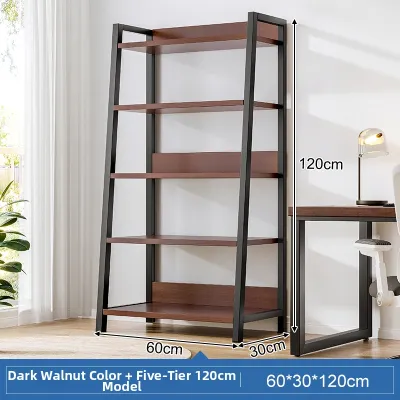
Wall-extending or floating arrangements offer another excellent way to free up valuable floor area. By mounting modular shelves directly to the wall, you leave the floor underneath completely clear, which visually expands the room and makes cleaning much easier. This configuration works exceptionally well when installed above low-profile furniture, such as a media console or a study desk. It transforms empty wall space into a functional storage zone without adding physical bulk at ground level.
For open-plan HDB layouts, double-sided room divider configurations serve a dual purpose. An open-backed modular bookshelf can partition a combined living and dining area into distinct zones without blocking natural light or ventilation. This setup allows you to access books and decorative items from both sides, creating a functional boundary that feels integrated rather than restrictive. To maintain stability, ensure the base modules are sufficiently wide and check if the manufacturer recommends anchoring the unit to an adjacent structural wall or column.
Awkward architectural features, such as the spaces beneath staircases in maisonettes or irregular corners created by structural pillars, can be fully utilized with stepped or asymmetrical configurations. Modular systems allow you to arrange individual blocks in a staircase pattern, matching the slope of the ceiling or filling a recessed niche perfectly. This customized approach turns potential dead space into a striking design feature while providing dedicated storage for items of varying heights.
Essential Dimensions and Safety Clearances
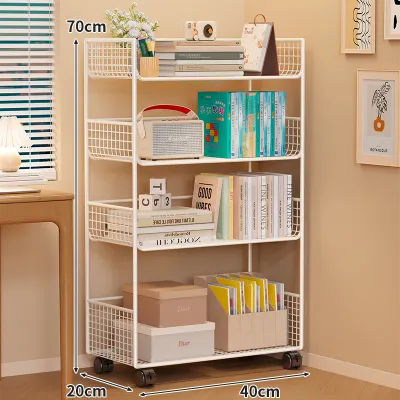
Selecting the correct shelf depth is critical to maintaining comfortable walkways and preventing accidental bumps. Standard novels and paperbacks typically require a shelf depth of around 20 to 25 centimeters, while larger art books, binders, and decorative storage boxes may need 30 centimeters or more. Measure your largest items before purchasing, and compare these dimensions against the product specifications. Opting for the shallowest depth that accommodates your collection ensures the bookshelf does not protrude unnecessarily into your living room or corridor.
Load capacity and structural anchoring are paramount for safety, especially when configuring tall or wall-mounted modules. Always check the manufacturer’s specified weight limits per shelf and distribute heavier items, such as thick hardcovers or heavy storage boxes, on the lowest levels to keep the center of gravity low. Because Singapore apartments feature a mix of concrete structural walls and non-load-bearing drywall partitions, you must verify your wall type before mounting. Tall units should always be secured using the provided anti-tip hardware, anchored into solid concrete or structural studs rather than unsupported plasterboard.
Proper ventilation clearances must also be maintained around your modular setup to protect both your furniture and your electronics. If you plan to integrate media players, game consoles, or routers into your shelving unit, ensure there is adequate space behind and around the devices for heat dissipation. Additionally, avoid placing wooden or composite shelves directly beneath or adjacent to air-conditioning units where condensation or temperature fluctuations could cause the material to warp or swell over time.
Customizing and Expanding Your Setup Over Time
One of the greatest advantages of a modular book shelf is its ability to evolve alongside your changing storage needs. When choosing a system, look for brands that utilize standardized connectors, pre-drilled peg holes, and uniform dimensions across their product lines. This standardization ensures that if you decide to add extra shelves, drawers, or cabinet doors years down the road, the new components will integrate seamlessly with your existing framework without requiring complex modifications.
As your storage requirements shift, you can easily reconfigure the balance between open display and closed storage. For instance, a setup that began as an open bookcase for a young professional can be adapted into a family-friendly storage unit by adding lower cabinet doors to hide toys or household clutter. This flexibility extends the lifespan of your furniture, saving you the cost and hassle of replacing the entire system when your living situation changes.
Before expanding your modular configuration horizontally or vertically, always reassess the structural conditions of your room. Check the levelness of your floor, as even minor slopes can cause tall, expanded units to lean or become unstable over time; use adjustable leveling feet if your system includes them. Furthermore, ensure that any additional wall-mounted modules are compatible with your existing wall anchors and do not exceed the overall weight capacity recommended by the manufacturer for that specific wall type.
Frequently Asked Questions (FAQ)
Can I install a modular bookshelf on a drywall partition?
Yes, but you must take specific safety precautions to prevent the wall from failing under the weight of the shelves. Drywall partitions cannot support heavy loads on their own, so you should locate the internal timber or metal studs using a stud finder and anchor your shelving brackets directly into them. If the studs do not align with your desired shelf placement, use heavy-duty hollow-wall anchors or toggle bolts designed specifically for drywall, and strictly adhere to the manufacturer’s weight limits. For exceptionally heavy book collections, a floor-standing modular system that merely anchors to the wall for stability is a much safer alternative than a fully suspended floating shelf.
How do I prevent a tall modular bookshelf from tipping over?
Preventing a tall bookshelf from tipping requires a combination of proper weight distribution and secure physical anchoring. Always place your heaviest items, such as encyclopedias, photo albums, and heavy storage bins, on the bottom shelves to lower the overall center of gravity. Additionally, install the anti-tip brackets or wall straps provided by the manufacturer, securing them directly into a solid concrete wall or a structural wall stud. Regularly check the tightness of these wall connections and the levelness of the floor to ensure the unit remains completely stable over years of use.

Community discussion
Share your experience or ask a question. Comments are reviewed before publication.