
Selecting the right modular bookshelf configuration for a small Housing & Development Board (HDB) flat requires balancing storage capacity with visual openness. In compact Singapore apartments, standard off-the-shelf furniture often fails to fit unique room dimensions or leaves valuable vertical space unused. By choosing a customizable modular system, you can tailor the height, width, and depth of your shelving to match your specific floor plan while maintaining a comfortable, uncluttered living environment.
The key to a successful modular setup lies in precise physical planning and a clear understanding of your household’s storage habits. Rather than buying a pre-assembled unit and hoping it fits, you must treat your wall as a blank canvas where individual modules can be stacked, aligned, or expanded. This approach allows you to work around common HDB structural features, such as structural columns and low beams, while ensuring your home remains safe and easy to navigate.
Assessing Your HDB Space and Storage Needs
Before browsing online marketplaces or visiting local furniture showrooms, you must obtain precise measurements of your intended installation area. Use a reliable metal measuring tape to record the width of the wall, the floor-to-ceiling height, and the depth of the available floor space. Do not rely on standard floor plans, as actual dimensions can vary slightly due to plastering and wall finishes.
Products mentioned in this guide
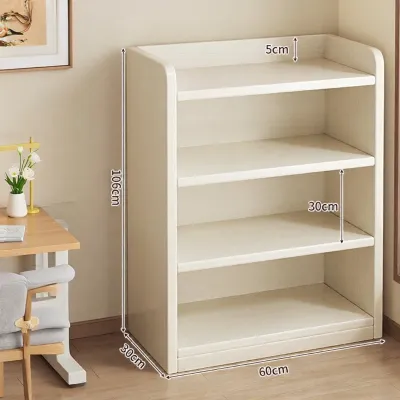
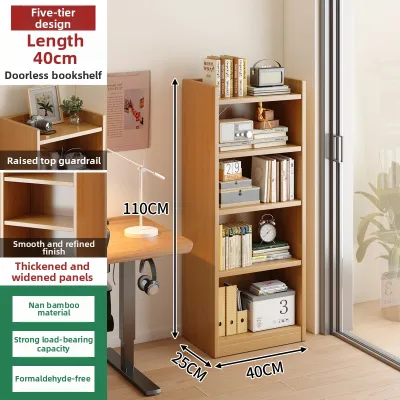
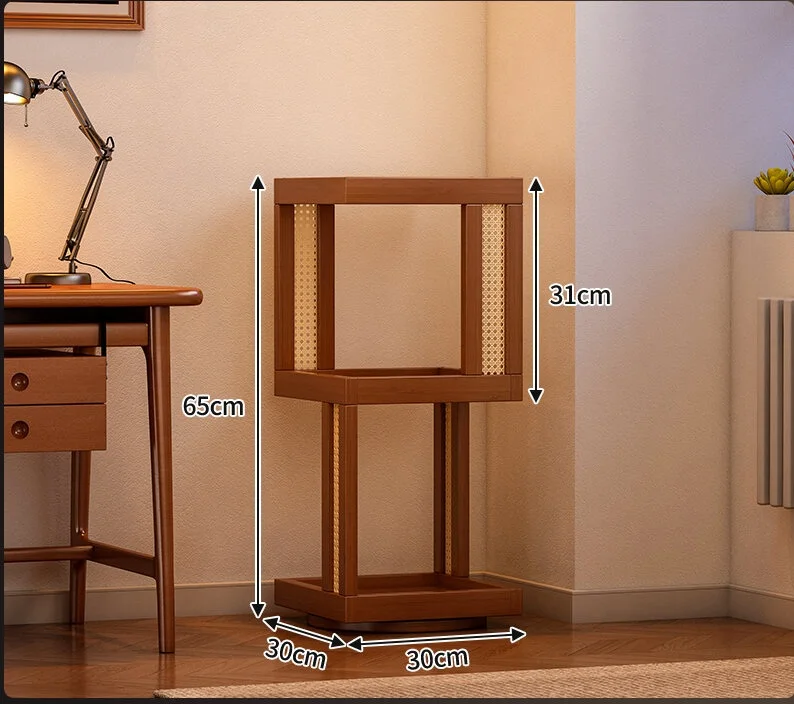
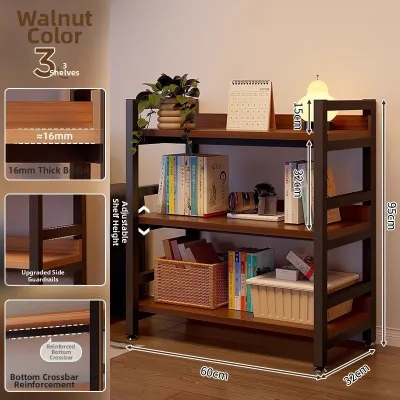
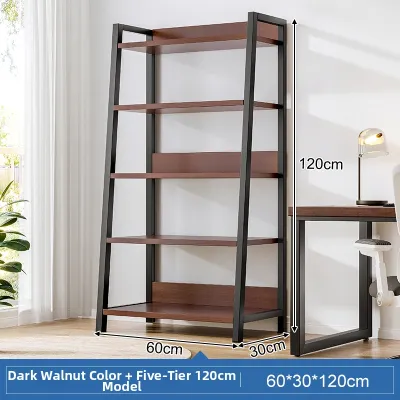
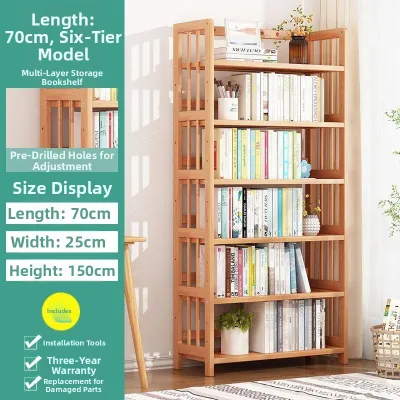
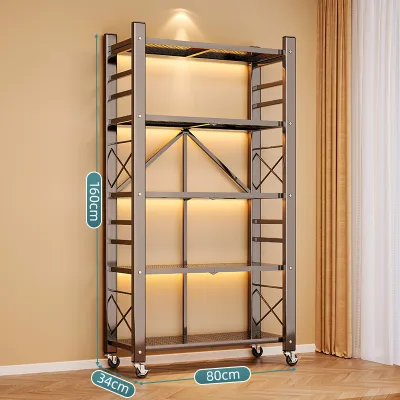
Prices are valid at publication and may change. Please refer to the product page for the latest price.
Be sure to identify and measure any physical obstructions that could interfere with a flush installation. Take note of the height and thickness of your skirting boards, as these can prevent tall bookshelf frames from sitting flat against the wall unless the unit features a bottom recess. Additionally, map out the exact locations of power outlets, light switches, internet ports, and air-conditioning trunking, ensuring your modular configuration does not block access to these essential utilities.
Safe movement within your living room or study requires leaving adequate clearance zones around your furniture. Measure the swing radius of nearby room doors, wardrobe doors, and windows to ensure they can open fully without striking the bookshelf. You should also maintain a clear walkway of at least 60 to 90 centimeters between the front of the shelves and other furniture pieces, such as your sofa or coffee table, to allow comfortable passage.
Once you have mapped the physical space, categorize the items you plan to store to determine the physical specifications of the modules you need. Group your belongings by height, depth, and weight, separating heavy items like reference books, files, and ceramic decorative pieces from lighter items like novels, photo frames, and small electronics. This categorization will help you decide whether you need deep, heavy-duty base modules or shallow, lightweight upper shelves.
Selecting the Right Modular Layout for Compact Rooms
The layout of your modular bookshelf significantly influences how spacious your HDB flat feels. Vertical tower configurations are highly effective for rooms with limited floor space but generous ceiling heights, as they draw the eye upward and maximize vertical storage. However, a solid, full-height wall of shelving can sometimes feel imposing in a small living room; in such cases, a low-profile horizontal setup can provide ample storage while keeping the upper half of the wall clear to preserve a sense of openness.

Corner and L-shaped modular configurations offer an excellent way to utilize dead space that might otherwise go unused. Placing modules in a corner allows you to wrap storage around the room’s perimeter, which keeps the central floor area open and uncluttered. When planning an L-shaped layout, ensure that the corner module is specifically designed for corner access, preventing deep pockets of space from becoming unreachable or dark.
To reduce the visual weight of your shelving, consider incorporating open-back modules or floating wall-mounted units into your configuration. Open-back shelves allow the color of your wall to show through, which creates an illusion of depth and prevents the room from feeling boxed in. Floating modules keep the floor area completely clear, making it easier to clean and giving the entire room a lighter, more modern aesthetic.
Evaluating Module Sizes, Materials, and Load Limits
When selecting individual modules, always verify their finished dimensions against your physical measurements, keeping in mind that assembly tolerances can add a few millimeters to the overall width or height. If you are planning a tight, wall-to-wall installation, leave a small buffer zone of at least two to three centimeters on either side to accommodate minor wall irregularities and to give you enough physical clearance to assemble the units safely.
Load capacity is a critical safety factor that varies widely depending on the module’s design and materials. Always consult the manufacturer’s specifications to find the maximum weight limit per shelf and the total weight capacity of the entire assembled unit. Heavy items must always be placed on the lowest shelves to keep the center of gravity low, while lighter decorative items should be reserved for the upper tiers.
The tropical climate of Singapore presents unique challenges for furniture materials due to high relative humidity levels. When choosing modular components, look for materials with protective surface treatments, such as melamine coatings, high-pressure laminates, or moisture-resistant sealants, which help protect the core material from swelling or warping. Avoid untreated particleboard or raw fiberboard in areas prone to humidity, as these materials can absorb moisture from the air and degrade over time.
Stability is paramount, especially for tall or top-heavy configurations that pose a tipping hazard. Any modular setup that exceeds a height-to-depth ratio of 3:1 generally requires secure anchoring to the wall. Before purchasing, check the manufacturer’s assembly instructions to identify the required anchoring hardware and ensure your HDB walls—whether concrete, brick, or drywall partition—can safely support the anchors.
Common Space-Matching Mistakes to Avoid
One of the most frequent mistakes when installing modular shelving in an HDB flat is overlooking the clearance required for ceiling fixtures. A tall bookshelf can easily obstruct the path of a ceiling fan’s blades or block the light distribution from ceiling-mounted track lights, creating safety hazards and unpleasant shadows. Always measure the drop height of your ceiling fixtures and ensure your tallest modules remain well clear of their operating zones.
Another common error is overloading shelves beyond their structural limits, which leads to visible bowing, joint separation, or complete structural failure. Even if a shelf appears sturdy initially, continuous exposure to excessive weight will cause materials like medium-density fiberboard (MDF) or plywood to sag permanently over time. Regularly inspect your shelves for any signs of deflection and redistribute weight as necessary to maintain structural integrity.
Blocking natural light sources and cross-ventilation paths with solid, bulky furniture can make a small HDB flat feel dark and stuffy. Avoid placing tall, solid-backed modular units directly next to windows or balcony doors where they might obstruct incoming daylight or breeze. If you must place shelving near a window, opt for low-profile units or open-frame metal designs that allow light and air to pass through freely.
Finally, many homeowners fail to plan for future lifestyle changes or storage needs when purchasing their initial modular setup. Choosing a highly proprietary system with limited component options can make it difficult to find matching add-ons or replacement parts a few years down the road. Select a modular system from a well-established product line that offers a wide range of compatible accessories, such as drawers, doors, and extra shelves, allowing your storage to evolve alongside your household.
Frequently Asked Questions (FAQ)
Can I mix different module depths in a single bookshelf configuration?
Yes, you can combine different module depths within a single configuration, provided you maintain structural stability and alignment. Placing deeper modules at the base of the unit and shallower modules on top is a practical way to create a stepped design that keeps the center of gravity low and reduces visual bulk at eye level. However, you must ensure that the vertical support frames align correctly and that the connection points between modules of varying depths are securely locked according to the manufacturer’s instructions to prevent tipping or joint strain.
Do tall modular bookshelves need to be anchored to the wall?
Yes, tall modular configurations must be anchored to the wall to prevent accidental tipping, which can cause serious injury or property damage. This is especially critical for units that are top-heavy, have drawers that shift the center of gravity when opened, or are installed in homes with active pets or young children. Always use the wall-anchoring brackets supplied by the manufacturer and select the appropriate wall plugs and screws for your specific wall type, such as heavy-duty masonry anchors for concrete HDB walls.
How do I protect wooden modules from humidity in Singapore?
To protect wooden modular shelving from Singapore’s high humidity, ensure your living space is well-ventilated by regularly opening windows or using a dehumidifier in enclosed rooms. Avoid placing your bookshelf directly against damp external walls; leave a gap of at least two to three centimeters behind the unit to promote continuous airflow. Additionally, check the manufacturer’s care labels for recommended cleaning methods, and use protective furniture polishes or sealants designed to resist moisture absorption without damaging the wood’s finish.
Community discussion
Share your experience or ask a question. Comments are reviewed before publication.