
Organizing a hat collection in a compact HDB flat or condominium requires balancing accessibility with floor space. By matching the organizer type to your available vertical or hidden spaces, you can protect your hats from dust and deformation while keeping your home uncluttered. In Singapore’s humid climate, storing hats properly also prevents moisture buildup and fabric deterioration. Utilizing underused areas like the backs of doors, narrow entryway walls, or high closet shelves allows you to maintain a minimalist aesthetic.
Assessing Your Space and Hat Collection
Before purchasing any hat organizer, evaluate your home’s layout and your hats’ characteristics. Measure the exact clearances of potential storage zones. For over-the-door systems, check the gap between the top of the door and the frame, as well as the door thickness, to ensure it closes fully. For wall-mounted options, check the available width in narrow hallways or behind entry doors where swinging panels might collide with protruding hooks.
Next, categorize your hats by structure. Soft-crown hats, like baseball caps and bucket hats, tolerate gentle folding, stacking, or clipping without losing shape. In contrast, structured hats like fedoras or wide-brimmed straw hats require dedicated support to prevent the crown from collapsing or the brim from warping. Note the widest brim diameter in your collection, as this dictates the depth clearance required for shelves, wall hooks, or hanging organizers.
Products mentioned in this guide

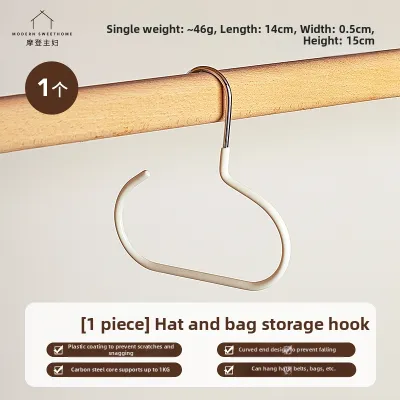
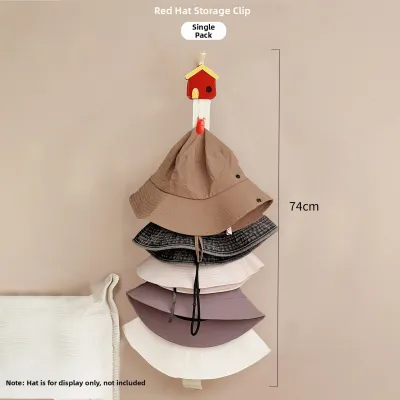
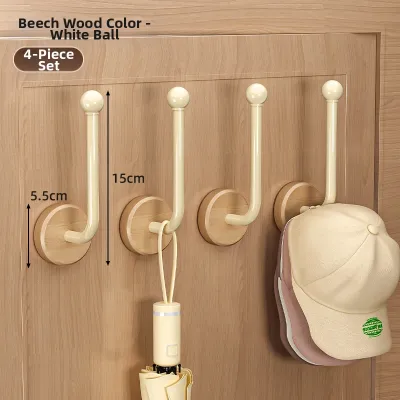
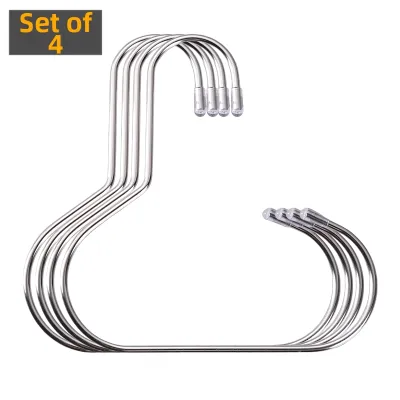
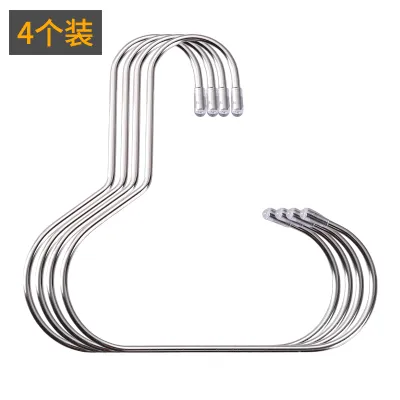
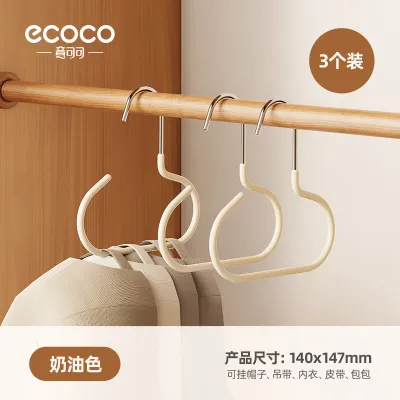
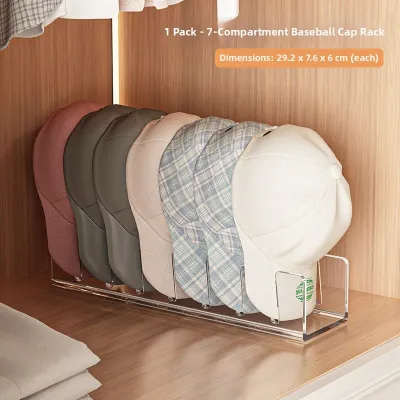
Prices are valid at publication and may change. Please refer to the product page for the latest price.
Finally, identify “dead zones” in your apartment. The vertical space above bedroom doors, the narrow gap beside a wardrobe, or empty corner floor areas are prime candidates for hat storage. Mapping these underutilized spots against your hats’ support needs helps narrow down your choices.
Types of Space-Efficient Hat Organizers
Maximizing a small floor plan requires creative spatial strategies. Hat organizers generally fall into three distinct categories, each utilizing a different zone of your apartment: vertical wall or door surfaces, freestanding corner footprints, or hidden interior compartments. Choosing the right format depends on whether you prefer to display your collection or keep it completely tucked away.

Wall-Mounted and Over-the-Door Solutions
Vertical organizers are highly effective for small apartments because they require zero floor space. Over-the-door strap systems or hook racks utilize the otherwise wasted surface of bedroom or closet doors. When selecting these, verify the bracket thickness against your door frame clearance to prevent scraping the paint or preventing the door from latching. It is also wise to check if the hooks are adjustable along the strap, allowing you to customize the spacing based on the height of each hat.
Wall-mounted peg rails, individual hooks, or decorative grid panels turn your hat collection into a functional wall feature. Before installing these, verify your wall material. Concrete walls common in Singaporean homes require masonry drill bits and appropriate wall plugs, while drywall partitions need specialized anchors to prevent the rack from pulling loose under load. Ensure the pegs or hooks have a wide, rounded contact point to distribute weight evenly and avoid leaving sharp indentations on delicate hat bands.
Suspended closet organizers, which hang directly from a standard wardrobe rod, utilize vertical height inside your cupboard. These fabric or mesh shelving units are ideal for soft-crown hats that can be stacked neatly. When evaluating these, check the vertical clearance of your wardrobe to ensure the hanging organizer does not bunch up at the bottom, and verify that the attachment mechanism can securely support the cumulative weight of the shelves.
Freestanding and Corner Racks
When drilling into walls is restricted—such as in rental properties—or when wall space is fully occupied, freestanding organizers offer a practical alternative. Corner coat and hat stands are specifically engineered to fit into 90-degree angles, turning unused corners into highly functional storage hubs. These stands keep your hats accessible near the entryway, making it easy to grab one on your way out the door.
When choosing a freestanding rack, the base footprint and center of gravity are critical safety and stability factors. A narrow base saves floor space but may tip over easily if loaded unevenly or placed on an uneven surface. Look for models with a weighted base or a wide, low-profile tripod design that provides stability without extending too far into walking paths. Check the manufacturer’s assembly instructions to ensure the joints connect securely, preventing the pole from leaning over time.
Modular floor systems offer the flexibility to adapt as your living arrangements or collection size changes. These systems often feature adjustable branches or removable tiers, allowing you to reconfigure the height and spacing of the hooks. This adaptability is particularly useful if you transition from storing low-profile caps to taller, structured hats that require more vertical clearance between hooks.
Closet, Drawer, and Under-Bed Inserts
For those who prefer a clean, minimalist home environment, hidden storage solutions keep hats protected and out of sight. Stackable hat boxes with clear viewing windows or labeled lids are excellent for preserving delicate, structured hats. These boxes shield your headwear from dust and ambient moisture while allowing you to identify the contents quickly without unstacking multiple containers.
Drawer dividers and shelf inserts prevent hats from sliding around and crushing each other inside deep wardrobe drawers or high shelves. Adjustable acrylic dividers or fabric bins can partition a large drawer into dedicated cubbies, keeping each hat upright and separated. This method is particularly beneficial for maintaining the shape of structured caps and preventing them from getting buried under heavier clothing items.
Under-bed storage bins utilize the large, flat area beneath your bed frame, which is often left empty. Before purchasing under-bed containers, measure the exact clearance height between the floor and the bottom of your bed frame. Opt for bins with secure, latching lids to keep out dust, and look for models with wheels or smooth glides to make retrieving your hats effortless. This zone is best reserved for seasonal headwear or hats worn only on special occasions.
Key Selection Criteria for Compact Living
Selecting the right hat organizer involves verifying several physical and functional attributes against your specific living conditions. First, prioritize finished dimensions and clearance. An organizer should never obstruct natural pathways, door swings, or cabinet openings. Measure the depth of the organizer when fully loaded with hats; a wall rack that looks slim on paper can protrude significantly once wide-brimmed hats are hung, potentially blocking a narrow hallway.
Second, cross-reference the manufacturer’s stated weight capacity with the actual weight of your collection. While individual hats are relatively light, a fully loaded multi-tier rack or a heavy-duty over-the-door system can exert substantial force on hinges, wall anchors, or closet rods. Ensure the load is distributed evenly across the organizer to maintain balance and structural integrity.
Third, examine the material and finish of the organizer. In Singapore’s humid climate, materials must resist moisture-related wear. If choosing metal, look for powder-coated or rust-resistant finishes. For wooden or bamboo organizers, check that the surfaces are completely sealed, smooth, and free of splinters or rough joints that could snag delicate fabrics, straw, or wool.
Finally, look for adjustability. A rigid organizer with fixed hook spacing limits your storage options. Modular hooks, adjustable straps, or customizable shelving inserts allow you to adapt the storage system to your evolving collection, ensuring that both small caps and large sun hats can be stored safely without crowding.
Installation and Maintenance Tips for Small Spaces
Proper installation and ongoing care are vital to preserving both your organizer and your hats. Always follow the manufacturer’s instructions for wall anchors and mounting hardware. If you live in a rented apartment, check your tenancy agreement regarding drilling. If drilling is permitted, ensure you use the correct wall plugs for concrete or masonry to guarantee a secure hold. If wall conditions are unknown, or if the provided hardware does not match your wall type, stop the installation and consult a qualified professional.
To maintain the shape of your hats, rotate them periodically. Leaving a heavy or structured hat on the same narrow hook for months can cause permanent creasing or stretching in the crown. If using hooks, consider adding small foam pads or wide fabric covers to the hook tips to distribute the pressure more evenly.
Regular cleaning is also essential. Dust the organizer and the storage containers frequently to prevent dirt from transferring to light-colored hat fabrics. For open-air storage systems, gently brush your hats with a soft-bristled brush to remove settled dust, and ensure the storage area remains well-ventilated to prevent mold growth during humid seasons.
Frequently Asked Questions (FAQ)
How do I store wide-brimmed hats without bending them in a small closet?
To store wide-brimmed hats without warping their shape in a limited space, avoid hanging them on narrow hooks that put pressure on a single point of the brim. Instead, use wide, padded hangers designed for delicate garments, or clip them gently by the brim using soft-grip clips suspended from a closet rod. If storing them on a shelf, place them crown-down or support the crown from inside using clean tissue paper so the brim rests flat and does not bear the weight of the hat. Always measure your shelf depth against the widest brim diameter before purchasing storage boxes or shelving units.
Are adhesive hooks safe for hanging heavy winter hats on painted walls?
Adhesive hooks can be a convenient, damage-free solution for lightweight caps, but they require caution for heavier or structured hats. Always check the adhesive manufacturer’s specified weight limits and surface compatibility before installation. Avoid using adhesive hooks on freshly painted, textured, or wallpapered walls, as the weight may peel the surface material. For the best results, clean the wall surface thoroughly with rubbing alcohol, allow it to dry completely, apply the adhesive, and wait the full recommended curing time before hanging any items.

Community discussion
Share your experience or ask a question. Comments are reviewed before publication.