
Finding a suitable coat stand for a compact home in Singapore—such as a modern HDB flat or a cozy condominium—requires balancing spatial efficiency with structural integrity. While many shoppers search for a single universal brand, the truth is that the ideal choice depends entirely on your specific entryway dimensions, base stability requirements, and material durability. This guide provides a comprehensive framework to help you evaluate local retail tiers, compare structural designs, and make an informed purchase that maximizes your vertical space without cluttering your home. By focusing on practical verification steps, you can find a reliable storage solution that fits your lifestyle and layout.
How to Evaluate Coat Stands for Compact Spaces
In narrow entryways or small foyers, floor space is at a premium, making vertical storage efficiency a primary consideration. A coat stand must utilize vertical space effectively without encroaching on walkways. Look for designs with a small base footprint, typically under 30 to 40 centimeters in diameter or width, that extend upward to at least 170 to 180 centimeters. This height allows longer garments, umbrellas, and bags to hang freely without dragging on the floor, while keeping the physical footprint on your tiles or vinyl flooring minimal.
A narrow footprint can compromise stability if the stand becomes top-heavy during daily use. When evaluating options, pay close attention to the center of gravity and the weight distribution of the base. Stands with a heavy, solid base—such as those made of cast iron, natural stone, or dense solid wood—are far less likely to tip over when loaded with multiple items. If you choose a pronged or tripod base, ensure the leg spread is wide enough to provide adequate leverage but compact enough not to present a tripping hazard in high-traffic zones.
Products mentioned in this guide
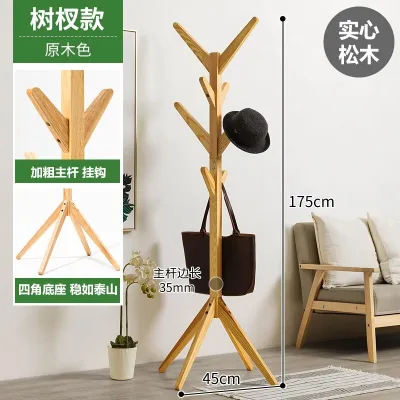
![[SG Stock]Wooden Coat Racks Luxury Rotating Clothes Hanger Standing Floor Coat Rack](https://img.lazcdn.com/g/p/13a52dbb4afb00716e3fbd1aedc642f3.jpg_400x400q80.jpg_.webp)
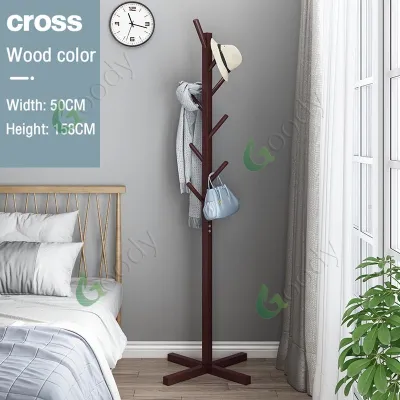
![[✅SG Ready Stock] 100% solid wood Wooden Clothes Hanger Rack Nordic Style Clothes Hanger Hook Bedroom Coat Stand Rack](https://img.lazcdn.com/g/p/f4e39069115cbc3402d9b2bbb638ae5a.png_400x400q80.png_.webp)

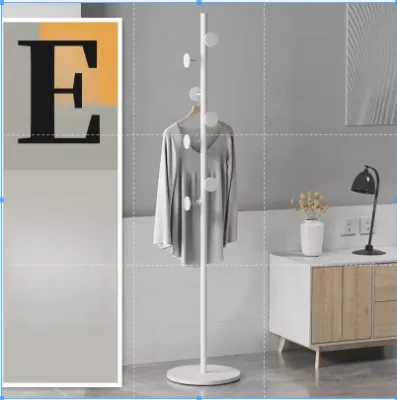

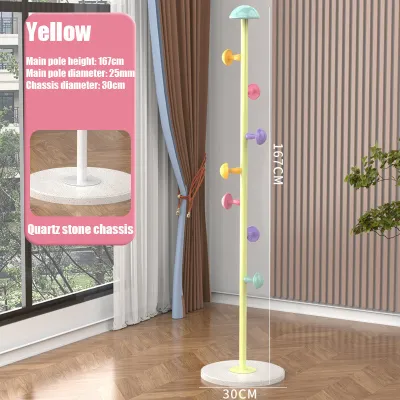
Prices are valid at publication and may change. Please refer to the product page for the latest price.
Always check the manufacturer’s specified load limits before making a purchase. A reliable coat stand should clearly state the maximum weight capacity per hook as well as the total weight capacity for the entire structure. In Singapore’s humid climate, you might hang damp umbrellas, heavy work bags, or multiple light jackets. Ensuring the stand can support these everyday items without bending or leaning is crucial for long-term safety and performance.
To get the most utility out of every square foot, look for multi-functional designs. Some coat stands integrate secondary storage features, such as a built-in umbrella holder with a drip tray, a low shoe rack, or a small tray for keys and loose change. These hybrid designs eliminate the need for separate entryway organizers, keeping your foyer streamlined and tidy while maximizing the utility of a single piece of furniture.
Choosing the Right Design Type for Your Layout
Freestanding tree stands are highly versatile and can be tucked into unused corners of a living room or foyer. Because they do not require wall mounting, they are easy to reposition as your layout needs change over time. However, they demand careful placement to ensure the hooks do not interfere with nearby doors or cabinets. Look for models with staggered hooks to distribute weight evenly around the central pole, which helps maintain balance even when the stand is fully loaded.

If floor space is exceptionally tight, transferring the storage load to the wall is an excellent strategy. Wall-mounted racks or individual hooks keep your entryway floor completely clear, making it easier to clean and allowing space for shoe storage underneath. This design is highly stable because it relies on the structural integrity of your wall, provided you use the correct mounting hardware for your specific wall type. It is an excellent option for narrow hallways where a freestanding stand would block traffic.
For renters or those living in temporary accommodations where drilling is restricted, alternative mounting options are ideal. Over-the-door racks slip over standard interior doors, utilizing otherwise wasted space without requiring permanent modifications. Alternatively, floor-to-ceiling tension pole racks use a spring-loaded or screw-expansion mechanism to secure themselves between the floor and ceiling. These options require zero drilling and can be dismantled easily without leaving permanent marks on the property.
If you only need extra hanging space when hosting guests or during specific seasons, a folding or collapsible stand offers maximum flexibility. These stands can be set up in minutes and folded flat to be stored in a closet or behind a door when not in use. When evaluating these, check the locking mechanisms to ensure the stand remains rigid and secure when fully extended, preventing accidental collapse under the weight of heavy bags or coats.
Where to Find Reliable Brands and What to Verify
Large, well-known furniture chains and mass-market retailers offer highly accessible, standardized coat stands. These products are generally cost-effective and come with clear self-assembly instructions, making them a popular choice for budget-conscious homeowners. When shopping in this tier, verify the exact material composition—such as powder-coated steel versus particleboard—and check the warranty terms. Ensure the joints and connecting hardware are robust enough for daily use, as lower-end materials may wear out quickly under heavy loads.
Brands that specialize in home organization and space-saving solutions often offer highly engineered, modular designs. These brands focus on maximizing utility in tight spaces, using high-quality materials like solid oak, walnut, or heavy-gauge steel. While these options may carry a higher price point, they often feature superior finishes, smoother joints, and more cohesive aesthetics that blend seamlessly into modern interior designs. Verify if the modular components can be adjusted or expanded to suit your changing storage needs.
E-commerce platforms and direct-to-consumer brands provide a vast array of styles and price points, but buying online requires extra diligence. Always verify the physical dimensions listed in the product description rather than relying on promotional photos, which can sometimes distort scale. Read customer reviews carefully, filtering for feedback regarding stability, ease of assembly, and whether the product arrived with all necessary hardware. Check the seller’s return policy to ensure you can return the item if it does not meet your stability expectations upon unboxing.
If your entryway has an awkward alcove, a shallow niche, or unique architectural features, off-the-shelf coat stands may not fit perfectly. In such cases, consulting a local carpenter or interior designer for a custom built-in solution is a highly effective alternative. A custom-designed entryway unit can integrate hanging hooks, shoe storage, and seating into a single, seamless structure that matches your home’s exact dimensions and design theme, maximizing every millimeter of available space.
Pre-Purchase Measurements and Safety Checks
Before purchasing any coat stand, measure your intended installation area carefully. Account for the door swing arc of your main entrance to ensure the stand will not obstruct the doorway when the door is fully opened. Leave at least 60 to 70 centimeters of clearance in walkways so family members can pass comfortably without bumping into hanging items. Additionally, measure the ceiling height if you are considering a tall freestanding stand or a tension pole system to ensure a proper fit.
For tall, narrow freestanding stands or wall-mounted racks, safety is paramount. If you have young children or pets, freestanding stands should ideally be anchored to the wall using anti-tip straps or brackets to prevent accidental tipping. When planning to mount a rack directly to the wall, identify the wall material. In Singapore, HDB flat walls are typically made of concrete or precast panels, which require a masonry drill bit and heavy-duty wall plugs to support weight safely, whereas drywalls in newer condos require specialized toggle bolts.
Singapore’s tropical climate features high relative humidity year-round, which can cause low-quality metals to rust and untreated wood to warp or mold. Opt for metal coat stands with a durable powder-coated or epoxy finish, which provides a protective barrier against moisture. If you prefer wood, ensure it is treated with a water-resistant sealant or lacquer. Inspect the hooks physically or zoom in on product photos to ensure they are smooth and rounded; sharp or poorly finished hooks can easily snag and damage delicate fabrics.
Maintaining Stability and Condition Over Time
Over time, the daily action of hanging and removing items can cause the joints, screws, and base connections of your coat stand to loosen. This is especially true for wooden stands or modular metal designs that require self-assembly. Make it a habit to inspect the connections every few months and tighten any loose screws with a screwdriver or hex key to maintain structural rigidity and prevent wobbling, which can lead to tipping.
Keep your coat stand looking its best by cleaning it according to its material. For metal stands, wipe them down regularly with a soft, dry microfiber cloth to remove dust and fingerprints. Avoid using harsh chemical cleaners or abrasive pads, which can scratch the protective powder coating and expose the metal to oxidation. For wooden stands, use a slightly damp cloth to clean, followed immediately by a dry cloth to prevent moisture from penetrating the wood grain and causing warping.
Regularly inspect your coat stand for signs of wear and tear. If you notice the central pole leaning, the base warping, or individual hooks bending out of shape, these are clear indicators of structural fatigue. Overloading the stand beyond its weight capacity accelerates this wear. If the structural integrity is compromised, replace the stand or repair the damaged components promptly to prevent accidental tipping or damage to your belongings.
Frequently Asked Questions (FAQ)
Can I install a wall-mounted coat rack in an HDB flat?
Yes, you can install a wall-mounted coat rack in an HDB flat, but you must follow proper installation guidelines. First, determine whether the wall is a structural concrete wall or a non-structural partition wall. Structural walls require a high-powered hammer drill and appropriate masonry wall plugs to secure the screws. Always use a stud finder or wall scanner before drilling to avoid hitting concealed electrical wiring or water pipes. If you are renting, obtain permission from your landlord before drilling any holes.
How do I prevent a freestanding coat stand from tipping over?
To prevent a freestanding coat stand from tipping, always distribute the weight of your items evenly around the hooks. Avoid hanging all heavy bags or jackets on one side. Place heavier items, such as backpacks or wet umbrellas, on the lower hooks to keep the center of gravity as low as possible. If the stand feels slightly unstable, you can add discrete weight to the base or use adhesive anti-slip pads on the bottom of the legs to improve grip on smooth flooring like tile or polished vinyl.
Community discussion
Share your experience or ask a question. Comments are reviewed before publication.