
Finding the right cabinet for broom storage in a Singapore HDB flat requires balancing tight spatial constraints with functional accessibility. In compact BTO layouts, floor space is at a premium, making verticality, narrow profiles, and clever wall integration essential. The ideal solution keeps your mops, brooms, and vacuum cleaners organized, dry, and hidden from sight without obstructing daily traffic. By choosing a dedicated cabinet for broom organization that matches your specific layout, you can transform awkward corners or underutilized niches into highly efficient utility zones.
Storing cleaning tools in the open not only disrupts the visual harmony of your home but also exposes damp mops and dusty brooms to your living areas. A well-designed cabinet solves this by consolidating all cleaning implements—from long-handled dustpans to cordless vacuums and detergents—into one specialized, ventilated compartment. To make the most of your investment, you must first understand how to evaluate your home’s unique layout and select a cabinet that fits seamlessly into your daily routine.
Assessing Your HDB Space for a Broom Cabinet
Before browsing online marketplaces or visiting furniture showrooms in Singapore, you must identify where the cabinet will stand. HDB flats, particularly newer Build-To-Order (BTO) units, feature specific architectural layouts that offer hidden opportunities for storage if you know where to look. Common underutilized “dead spaces” include the narrow gap beside the refrigerator, recessed alcoves in the kitchen, the edge of the service yard next to the washing machine, or the space behind bathroom doors. Walk through your flat with a tape measure to identify these potential zones, keeping in mind that proximity to power outlets is helpful if you need to charge a cordless vacuum inside the cabinet.
Products mentioned in this guide
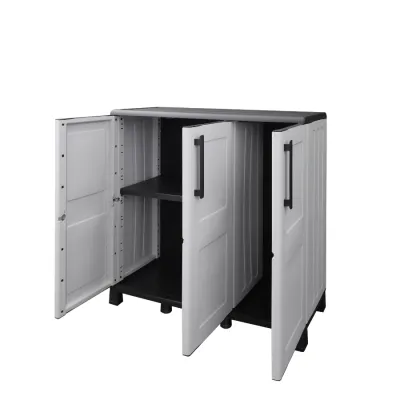
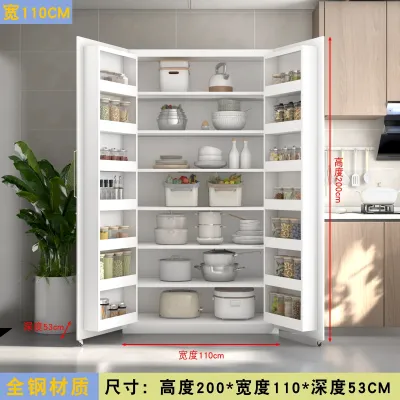
Prices are valid at publication and may change. Please refer to the product page for the latest price.
Accurate measurements are the foundation of a successful installation. When measuring the available footprint, do not rely solely on wall-to-wall distances. You must account for protruding skirting boards, electrical trunking, power sockets, light switches, and copper water pipes. Skirting boards, for instance, can prevent a tall cabinet from sitting flush against the wall, leaving an unsightly gap or causing stability issues. Measure the width at both the floor level and the top height of the intended cabinet to ensure there are no tapering walls or structural columns that restrict entry.
Mapping door swing paths and daily traffic flow is equally critical. A cabinet might fit perfectly when its doors are closed, but opening them could block the entrance to your service yard, conflict with the washing machine door, or obstruct the main walkway through your kitchen. Ensure there is enough clearance for you to stand comfortably in front of the cabinet with the doors fully open while retrieving tools. If space is exceptionally tight, consider alternative door mechanisms or open-shelf configurations that do not require external clearance.
Finally, map out the physical dimensions of your cleaning arsenal. Measure the length of your longest tools, such as spin mops, high-reach dusters, or standard brooms. Many standard household brooms and mops measure between 1.2 and 1.5 meters in height. Your chosen cabinet must feature an internal compartment that accommodates these vertical lengths without forcing you to unscrew the handles or store them at awkward, space-wasting angles. Write down these maximum lengths so you can verify the cabinet’s internal shelf configurations before making a purchase.
Best Space-Saving Cabinet Types for Compact Layouts
Slim and Tall Freestanding Cabinets
Slim and tall freestanding cabinets are highly effective for utilizing narrow vertical gaps that would otherwise go to waste. These units typically feature a width of 30 to 45 centimeters, making them ideal for placement next to large kitchen appliances or tucked into a corner of the service yard. By extending upward rather than outward, they maximize your flat’s vertical space, allowing you to store long-handled brooms and mops upright while keeping the overall floor footprint remarkably small.

Inside these tall units, the layout is often split vertically: one side features a full-height compartment for long tools, while the other side offers adjustable shelving for smaller items like microfiber cloths, spray bottles, and spare sponge heads. This division keeps your cleaning supplies organized and prevents smaller items from getting lost at the bottom of a dark cabinet.
Because tall, narrow cabinets have a high center of gravity, they present a distinct tipping hazard when loaded with heavy items or when the doors are pulled open. It is a critical safety requirement to use anti-tip anchoring kits to secure these cabinets to the wall. Most reputable manufacturers provide these brackets with the unit; if not, you should purchase heavy-duty L-brackets separately to ensure the cabinet remains completely stable, especially in households with active pets or young children.
Wall-Mounted and Foldable Options
For exceptionally small utility rooms, service yards, or bathrooms where floor space is non-existent, wall-mounted cabinets offer an excellent alternative. Elevating your storage off the floor keeps the ground completely clear, making it much easier to sweep, mop, and navigate tight spaces. This is particularly advantageous in Singapore’s humid service yards, where wet floors are common during laundry days.
Shallow-depth wall cabinets protrude minimally into the room—often requiring as little as 15 to 20 centimeters of depth. Some innovative designs incorporate foldable doors or drop-down panels that serve as temporary folding surfaces or utility shelves when open, then fold flat against the wall when closed. This dual-functionality is incredibly valuable in multi-purpose HDB utility rooms.
However, wall-mounted units have strict structural prerequisites. The combined weight of a solid cabinet, heavy liquid detergents, buckets, and multiple cleaning tools can easily exceed 20 to 30 kilograms. This total weight requires secure anchoring into solid concrete or brick walls. You must never mount a heavy, fully loaded utility cabinet onto non-structural partition walls or drywall without professional reinforcement, as the anchors can pull through the material, leading to severe wall damage and safety hazards.
Corner and Over-the-Door Solutions
Corner angles in kitchens, service yards, or corridors are frequently left empty because standard rectangular furniture does not fit them well. A dedicated corner cabinet for broom storage can transform these awkward 90-degree junctions into highly functional storage hubs. Because corner cabinets naturally have a deeper diagonal profile, they provide excellent storage depth for bulkier items like mop buckets, vacuum cleaner heads, and wide dustpans that struggle to fit into ultra-slim linear cabinets.
If corner space is unavailable, look to your doors. Over-the-door or shallow door-back cabinets utilize the rear surface of utility room, bathroom, or store room doors. These systems typically consist of a lightweight metal or plastic frame that hangs over the top edge of the door, featuring adjustable baskets, hooks, and tension clips designed to hold lightweight brooms, flat mops, and spray bottles.
Before purchasing an over-the-door system, go through this practical checklist to ensure compatibility:
- Door Frame Thickness: Measure the thickness of your door (standard HDB doors are typically 35mm to 40mm thick) and verify that the over-the-door hooks match this dimension perfectly to prevent rattling.
- Surface Protection: Ensure the mounting brackets feature soft felt or foam backing to prevent the metal frame from scratching or denting the door's wood or laminate finish over time.
- Hinges and Latch Clearance: Verify that there is at least a 2 to 3-millimeter gap between the top of the door and the frame so the door can close and latch fully without forcing the hinges or scraping the door frame.
Key Features to Look for in a Cabinet for Broom Storage
Internal Layout
When evaluating a cabinet for broom storage, the internal configuration determines its daily usability. Avoid cabinets with entirely fixed shelving, as they do not accommodate changing tool sizes. Look for units that feature adjustable shelves, removable dividers, and built-in utility tracks. A highly functional layout will have a dedicated vertical shaft for tall items, paired with a series of smaller, adjustable side shelves for boxed supplies, sponges, and cleaning agents.
Additionally, check for integrated tool organizers. High-quality utility cabinets come equipped with spring-loaded friction grips or heavy-duty S-hooks mounted to the back wall. These grips hold mop and broom handles securely in mid-air, preventing the heavy mop heads or broom bristles from resting on the cabinet floor. This suspension not only keeps the cabinet organized but also prevents broom bristles from bending out of shape and allows wet mop fibers to hang freely so they can dry without rotting.
Ventilation and Moisture Control
Singapore’s tropical climate presents a unique challenge for enclosed storage: high relative humidity levels, which often hover around 80% or higher. Storing damp mops, wet cleaning cloths, or condensation-heavy spray bottles inside a completely sealed cabinet creates a dark, humid microclimate where mold, mildew, and musty odors thrive. Over time, this moisture can degrade your cleaning tools, rust metal components, and damage the cabinet itself.
To combat this, prioritize cabinets designed with active ventilation features. Look for louvered doors (slatted wooden or plastic slats that allow air to pass through while keeping the interior contents hidden), built-in ventilation grilles at the top and bottom, or breathable wire mesh panels. These features encourage continuous passive airflow, allowing residual moisture on your tools to evaporate naturally and preventing the buildup of stagnant, humid air.
Material Durability
Because broom cabinets are frequently placed in high-humidity zones like the service yard, kitchen, or near bathroom entrances, material selection is paramount. Standard, untreated particleboard or low-grade MDF (Medium-Density Fibreboard) is highly susceptible to moisture absorption. When exposed to damp mop heads or humid air, these materials swell, warp, peel, and lose their structural integrity within a few years.
Instead, look for water-resistant materials such as high-pressure laminates (HPL), powder-coated steel, heavy-duty ABS plastic, or solid treated wood. Powder-coated metal cabinets are exceptionally durable and easy to wipe clean, making them ideal for utilitarian service yards. If you prefer a wood aesthetic, ensure the product specifications explicitly state that the material has a water-resistant finish or laminate. Always check the manufacturer’s care labels and material specifications rather than relying on generic descriptions like “wood-look” or “plastic.”
Accessibility
The door mechanism of your cabinet should be chosen based on the clearance available in your designated spot. Standard hinged doors are reliable and allow full access to the cabinet interior at once, but they require a clear arc of space in front of the cabinet to open fully. In tight corridors or narrow service yards, this arc can completely block traffic or collide with other appliances.
For tight spaces, sliding doors or tambour (roll-up) doors are far superior. Sliding doors slide horizontally within the cabinet frame, requiring zero external clearance to open. Tambour doors roll upward into the top of the cabinet, offering complete access to the interior without taking up any external floor space. While these mechanisms can sometimes limit your ability to see the entire cabinet interior simultaneously, the space-saving benefits in a compact HDB layout are unmatched.
Pre-Purchase Measurements and Installation Checks
Delivery Logistics
One of the most common oversights when purchasing tall or bulky furniture in Singapore is ignoring the journey from the delivery truck to your flat’s front door. HDB passenger lifts, corridors, and stairwells can have tight turning radiuses, low ceilings, and narrow entryways—especially in older estates or during upgrading works. Before ordering a fully assembled tall cabinet, measure the height, width, and diagonal depth of your estate’s lift entrance and cabin interior.
If you are purchasing a flat-packed cabinet, verify the dimensions of the longest box. A 2-meter-tall cabinet package may not fit horizontally in a standard passenger lift, requiring the delivery team to carry it up the stairs, which often incurs steep manual handling surcharges. Confirm with the retailer whether the item is delivered flat-packed or fully assembled, and compare those packaging dimensions against your building’s access points.
Clearance Checks
Once the cabinet is inside your home, you must verify that its placement does not interfere with surrounding fixtures. Conduct a physical clearance check at the installation site. Open any adjacent room doors, kitchen drawers, or washing machine lids to ensure they do not collide with the new cabinet.
Pay close attention to wall-mounted fixtures. Ensure the cabinet does not block access to light switches, electrical wall sockets, water taps, or gas meters. If the cabinet is placed near a window, check that it does not prevent the window from opening or block natural light from entering your service yard. Leave a safety buffer of at least 1 to 2 centimeters around the perimeter of the cabinet to account for uneven walls or slight floor slants common in residential construction.
Wall Verification
If you decide on a wall-mounted cabinet or need to anchor a tall freestanding unit, you must identify the type of wall you are drilling into. HDB flats consist of structural walls and non-structural partition walls, each with completely different load-bearing capacities:
- Structural Walls: Made of solid, reinforced precast concrete. These walls can support heavy loads but require a high-power hammer drill (rotary hammer) and masonry drill bits to penetrate. Standard plastic wall plugs paired with quality screws are necessary for a secure hold.
- Non-Structural Partition Walls: Often made of lightweight concrete blocks, gypsum board, or drywall (especially in newer BTO flats to allow for easy layout customization). These walls have a much lower load-bearing capacity. Standard wall plugs will pull out under heavy loads. If you must mount to a partition wall, you must locate the internal metal or wood studs using a stud finder and use specialized heavy-duty hollow-wall anchors (like toggle bolts).
Always consult your HDB floor plan—where structural walls are indicated by thick black lines—or hire a qualified, HDB-registered contractor to verify the wall type before drilling to avoid damaging hidden electrical conduits or water pipes.
Safety Anchoring
Securing your cabinet to the wall is a critical safety step that must not be skipped. Tall, narrow cabinets loaded with heavy cleaning products, vacuum batteries, and tools are highly prone to tipping forward when opened, especially if multiple heavy items are placed on the upper shelves or doors. This presents a serious safety hazard for children, pets, and adults alike.
To perform a proper safety anchor, use the L-brackets or safety straps provided by the manufacturer. If none are included, purchase heavy-duty steel L-brackets from a local hardware store. Drill into a structural wall or a secure wall stud, insert the appropriate wall plug, and screw the bracket firmly into both the wall and the top frame of the cabinet. Ensure the connection is tight and there is no wobble when you pull forward on the cabinet doors. This simple installation step provides long-term peace of mind and ensures a safe home environment.
Frequently Asked Questions (FAQ)
Can I mount a broom cabinet on an HDB partition wall?
Generally, you should not mount a heavy, fully loaded utility cabinet directly onto a standard HDB partition wall or drywall without proper reinforcement. Non-structural partition walls are not designed to support concentrated, heavy vertical loads and can fail, causing the cabinet to pull away from the wall and fall. If you must use a partition wall, you must locate the internal structural studs using a stud finder and anchor the cabinet directly into those studs using specialized hollow-wall anchors or toggle bolts. Alternatively, consider using a slim freestanding cabinet that rests its weight on the floor and only uses the partition wall for light anti-tip anchoring, or opt for lightweight over-the-door storage racks.
How do I keep cleaning tools dry inside a closed cabinet?
To prevent mold, mildew, and unpleasant odors in Singapore’s humid climate, never place wet mops, damp microfiber cloths, or wet brooms directly into a closed cabinet. Always allow your cleaning tools to air-dry completely in a well-ventilated area, such as your service yard or balcony, before storing them away. Inside the cabinet, place disposable moisture-absorbing canisters or reusable silica gel packs on the shelves to help control ambient humidity. Additionally, choose a cabinet featuring louvered doors or ventilation grilles to promote continuous air circulation, and consider leaving the cabinet doors slightly ajar during hot, humid days to allow trapped moisture to escape.

Community discussion
Share your experience or ask a question. Comments are reviewed before publication.