
In a typical Singapore HDB flat, bedroom square footage is highly prized. The most effective bedside organisers for these compact spaces are those that combine a minimal floor footprint with high vertical utility and multi-functional adaptability. Features like C-shaped cantilever bases, wall-mounted shelves, and integrated cable routing allow you to keep daily essentials within arm’s reach without obstructing walkways or blocking wardrobe doors.
Assessing Your Bedroom Space and Clearance
Before browsing online marketplaces or local furniture showrooms, you must establish the physical boundaries of your bedside area. Grab a measuring tape and record the exact width between the edge of your mattress or bed frame and the nearest wall or adjacent furniture. In many BTO layouts, this gap can be incredibly narrow, sometimes leaving less than 35 centimetres of usable space.
Next, look up and down for potential physical obstructions. Note the position of wall-mounted power sockets, light switches, and air conditioning units or conduits. A tall organiser might block access to a crucial switch, while a unit placed too close to the wall could pinch power cords. Additionally, check the height of your window sills if your bed is positioned next to a window, as an overly tall unit might block natural light or interfere with window handles.
Products mentioned in this guide
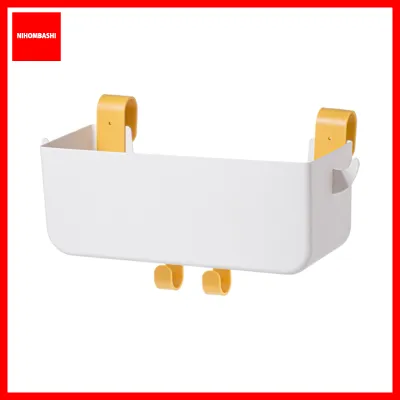
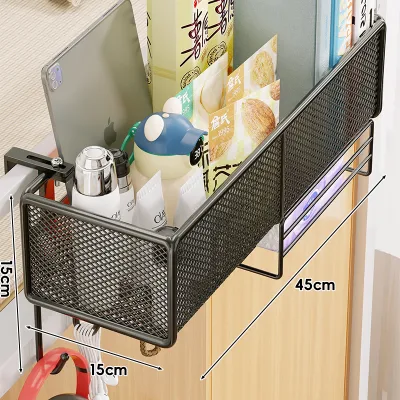
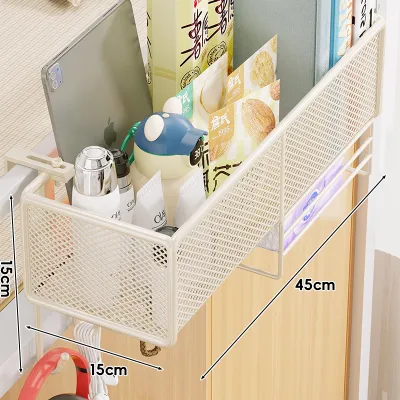
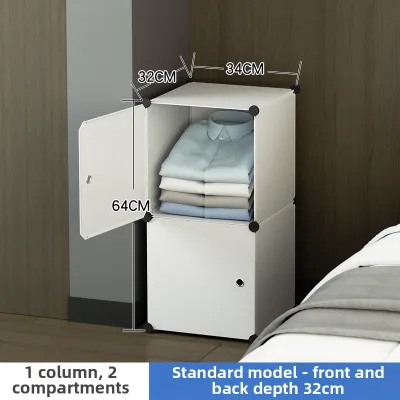
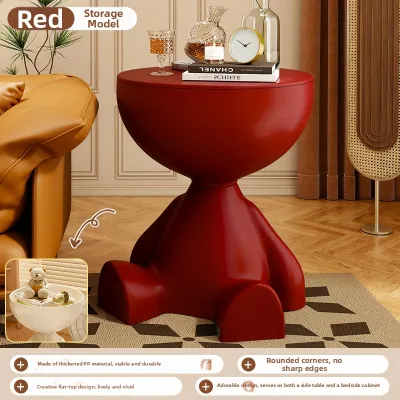
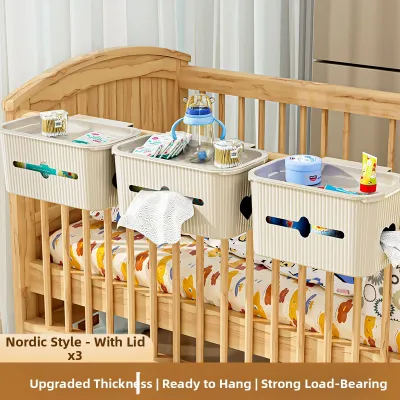
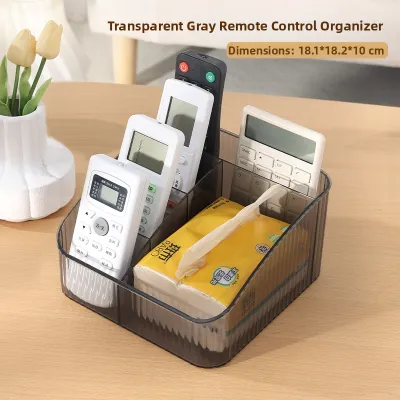
Prices are valid at publication and may change. Please refer to the product page for the latest price.
Finally, determine the maximum allowable depth of the organiser. Walkways in HDB bedrooms must remain clear to prevent stubbed toes and ensure comfortable movement, especially in the dark. If your bed sits parallel to a wardrobe, you must ensure that any bedside unit leaves enough clearance for you to stand and move comfortably. Measure the space with your wardrobe doors fully open to see how much floor area remains.
Essential Space-Saving Features to Look For
Maximising a tight bedroom requires a careful balance of three design pillars: footprint, height, and multi-functionality. By choosing features that occupy minimal floor space while extending upward or serving multiple purposes, you can maintain an open, uncluttered environment.

Compact Dimensions and Slim Footprints
Standard bedside tables often feature deep, boxy profiles that extend 45 to 50 centimetres in width and depth, which can easily overwhelm a compact HDB bedroom. Slim-profile alternatives, often measuring 30 centimetres or less in width, are specifically engineered to slide into narrow gaps without sacrificing basic surface area.
To save even more floor space, look for C-shaped designs or recessed bases. A C-shaped frame features a flat base that slides directly under your bed frame, allowing the tabletop to hover over the mattress. This clever design eliminates the need for dedicated floor space next to the bed, making it an exceptional choice for ultra-tight layouts where the bed frame sits almost flush against the wall.
When evaluating units with drawers or pull-out shelves, always verify their extension clearance. A drawer that sticks out too far when opened can completely block a walkway or strike adjacent furniture. Opt for open shelving, sliding doors, or shallow drawers that require minimal clearance to access your belongings.
Vertical Storage and Multi-functional Design
When horizontal floor space is limited, the only logical direction to expand is upward. Tiered shelving units, tall narrow cabinets, and wall-mounted organisers allow you to stack your essentials vertically. This approach keeps your phone, books, and glasses organised without requiring a wider furniture footprint.
Multi-functional designs further reduce the need for extra furniture pieces in the room. Look for bedside organisers that incorporate built-in charging stations, fold-down ledges that can double as temporary workspaces, or hidden compartments to tuck away valuables. By consolidating these functions into a single unit, you eliminate the need for separate charging docks or small desks.
However, vertical expansion must be planned carefully. Ensure the overall height of a tall organiser does not block reading lights or cast shadows over your bed. If you opt for a wall-mounted shelf, position it at a height where you can easily reach your items while sitting or lying down, without risking bumping your head when sitting up.
Stability and Safety Checks for Compact Designs
Compact and lightweight furniture can sometimes compromise on stability, making safety checks essential before finalising your purchase. Tall, narrow organisers with small bases are naturally prone to tipping if they are top-heavy. Inspect the product specifications for base weight and centre of gravity; a heavier bottom shelf or a sturdy metal frame can significantly improve stability.
For tall units or wall-mounted shelves, always check the manufacturer’s instructions regarding wall-anchoring requirements. Many slim organisers come with anti-tip kits or brackets designed to secure the unit directly to the wall. Utilizing these safety features is highly recommended, especially if you have young children or pets who might accidentally pull or lean on the furniture.
Additionally, verify the load capacity labels for each shelf and drawer. Overloading a slim organiser can cause shelves to sag, drawers to stick, or the entire unit to become unstable. Distribute weight evenly, placing heavier items like books on the bottom shelves and lighter items like tissues or glasses on top.
In tight HDB bedrooms, physical contact with furniture is almost inevitable. To prevent painful bumps and bruises, look for organisers with rounded corners or flush edges. Avoid sharp, protruding metal handles or decorative elements that can catch on clothing or scratch your skin as you navigate the narrow path beside your bed.
Common Sizing and Placement Mistakes to Avoid
One of the most frequent mistakes when furnishing a small bedroom is ignoring the swing radius of nearby doors. A bedside organiser might fit perfectly when your wardrobe doors or bedroom entry doors are closed, only to block them from opening fully. Always map out the swing path of all doors and drawers in the room before deciding on a placement.
Another common oversight is neglecting the placement of power sockets and light switches. Placing a solid-backed bedside table directly in front of a wall outlet can render the socket useless or force you to pull the furniture away from the wall, wasting valuable centimetres. Look for units with open backs or specific cutouts that align with your wall outlets.
Homeowners also frequently choose bedside tables that match their mattress height perfectly but block access to under-bed storage drawers. If your bed frame features built-in storage drawers underneath, a standard bedside table will block the drawer closest to the headboard. In this scenario, a wall-mounted shelf or a mobile organiser on wheels that can be easily rolled away is a much better solution.
Finally, never rely solely on product labels like “small,” “mini,” or “compact” without checking the exact centimetre measurements. What one manufacturer considers compact might still be too large for your specific HDB layout. Always compare the product’s physical dimensions against your recorded measurements to guarantee a perfect fit.
Frequently Asked Questions (FAQ)
Can I use a wall-mounted bedside organiser in an HDB bedroom?
Yes, wall-mounted organisers are excellent space-savers for HDB bedrooms, but you must identify your wall type before installation. HDB flats typically feature a mix of concrete structural walls (such as household shelters or load-bearing columns) and non-structural internal partition walls. Drilling into structural concrete requires a hammer drill and appropriate masonry wall plugs to ensure a secure hold.
Before drilling, review the HDB renovation guidelines to ensure compliance, as certain structural walls have strict limitations regarding drilling depth and location. If your bedside wall is a lightweight drywall partition, you must locate the internal studs or use specialized hollow-wall anchors to support the weight of the organiser. If you are uncertain about the wall material or lack the proper tools, it is best to consult a qualified professional handyman to prevent damage to your walls or utility lines.
How do I manage cables with a compact bedside organiser?
Managing charging cables in a tight space is crucial to prevent clutter and safety hazards. Look for bedside organisers designed with built-in cable management features, such as pre-drilled grommet holes, rear wire channels, or dedicated power strip compartments. These features keep cords neatly routed behind the unit rather than dangling loose.
Using shorter charging cables (such as 0.5-metre or 1-metre cords) instead of standard long cables can also significantly reduce tangling and bulk. If your chosen organiser does not have built-in routing, you can easily apply removable adhesive cable clips to the back or side of the unit to keep your phone and smart watch chargers neatly aligned and within easy reach.

Community discussion
Share your experience or ask a question. Comments are reviewed before publication.