
In a compact Singapore bedroom, where floor space is at a premium, finding an efficient way to store a growing collection of baseball caps can be a challenge. Standard HDB bedrooms and modern condominium layouts often limit your furniture choices, forcing you to prioritize essential items like beds, wardrobes, and study desks. Leaving your caps scattered on desks, hung haphazardly on chair backs, or piled on top of shelves not only creates visual clutter but can also permanently ruin the shape of your headwear.
To keep your room organized and your caps in pristine condition, a dedicated baseball cap holder is the ideal solution. The best option for a small bedroom is one that utilizes underused vertical space—such as the back of a door, empty wall segments, or the inside of a wardrobe—without consuming any valuable floor area. By selecting a storage system that matches your room’s layout, your tenancy status, and the structural limits of your walls, you can turn a messy pile of hats into a neat, easily accessible display.
How to Choose a Cap Holder for a Small Room
When floor space is restricted to a few square meters, every storage decision must be calculated. The primary rule of small-room organization is to think vertically rather than horizontally. Traditional freestanding coat racks or hat stands are generally impractical for small bedrooms because their wide bases occupy precious floor area, often blocking walkways or preventing wardrobe doors from opening smoothly. Instead, focus on storage solutions that mount directly to walls, hang over doors, or integrate into existing closet systems.
Products mentioned in this guide





Prices are valid at publication and may change. Please refer to the product page for the latest price.
Installation constraints are another critical factor to weigh before buying. If you are renting a room or an entire HDB flat, your tenancy agreement likely prohibits drilling holes into the walls or doors. In these situations, damage-free installation methods like over-the-door straps, tension rods, or high-quality adhesive hooks are your best options. On the other hand, if you own the property and want a permanent, heavy-duty setup that can support dozens of caps without sagging, screw-mounted rails or pegboards provide the necessary structural integrity.
You must also balance capacity with visual clutter. An open-wall display, such as a grid of individual hooks or a pegboard, turns your cap collection into a design feature. While this makes it incredibly easy to grab a cap on your way out, a large, highly visible display can make a micro-bedroom feel visually crowded. If you prefer a clean, minimalist aesthetic, concealed storage options—such as hanging organizers that sit inside your wardrobe—are far more suitable. They keep your caps completely out of sight while maintaining an organized, dust-free environment.
Finally, always measure your structural clearances before committing to a specific product. If you are considering an over-the-door rack, check the gap between the top of your door and the frame; a tight clearance can prevent the door from latching shut. For closet-based systems, verify the diameter of your existing wardrobe rod to ensure the organizer’s hanging strap or hook will fit. If you plan to use under-shelf clip-on holders, measure the thickness of your shelves to guarantee a secure, wobble-free grip.
Best Over-the-Door and Wall-Mounted Cap Holders
Utilizing the vertical boundaries of your bedroom is the most direct way to reclaim floor space. Both doors and walls offer expansive, flat surfaces that are frequently left completely empty, making them prime real estate for cap organization.

Over-the-Door Hooks and Racks
Over-the-door cap organizers are exceptionally popular in Singapore’s rental market because they require absolutely no drilling, screws, or permanent adhesives. These systems typically consist of a durable fabric or nylon strap that wraps vertically around the door, secured by metal hooks at the top and bottom. Along the strap, adjustable clips or loops hold individual caps by their top buttons or back straps. Because they utilize the completely dead space behind your bedroom door, they keep your collection accessible without taking up any wall or wardrobe space.
Before purchasing an over-the-door system, it is vital to inspect your door frame clearance. Most over-the-door metal brackets require a gap of at least 1.5mm to 2mm between the top of the door and the frame. A simple way to test this is to place a standard Singapore ten-cent coin on top of the door and try to close it; if the door closes smoothly without scraping, there is sufficient clearance for the brackets. Additionally, consider the material of your door. Solid timber doors can easily support the weight of a fully loaded rack, whereas lightweight hollow-core doors may flex slightly if the strap is tensioned too tightly.
While highly convenient, over-the-door racks do have a few operational trade-offs. If the strap is not tensioned properly, the rack can swing or rattle whenever you open or close the door, which can be noisy and annoying. There is also a risk of the metal brackets scratching the paint or laminate finish of the door frame over time. To prevent this, look for racks that include foam padding on the underside of the brackets, or apply a small piece of felt tape yourself. Lastly, remember that slamming the door can cause caps hanging loosely on clips to fly off, so a gentle hand is required.
Adhesive and Screw-Mounted Wall Organizers
Wall-mounted systems allow you to transform empty wall space into a personalized cap gallery. This approach is perfect for utilizing “dead zones” in your bedroom that cannot fit standard furniture, such as the narrow wall strip next to a window, the space directly above a study desk, or even the area above your bed’s headboard. By arranging your caps on the wall, you keep them organized while showing off their designs and colors.
For lightweight setups or renters, individual adhesive cap hooks are a popular choice. These hooks typically feature a curved mounting surface designed to support the inner crown of the cap, preventing creases. However, you must exercise extreme caution when applying adhesive hooks to standard painted drywall or concrete walls in Singapore. The tropical humidity can degrade the adhesive bond over time, and removing these hooks can easily tear the paint layer away, potentially leading to security deposit deductions. To minimize risk, always clean the wall surface thoroughly with rubbing alcohol before application, and use reputable brand adhesives designed for humid environments.
If you own your home or have permission to drill, screw-mounted options like metal rails, wooden pegboards, or dedicated cap racks offer unmatched stability. A screw-mounted rail system allows you to hang multiple caps using sliding hooks, which can be adjusted as your collection grows or shrinks. When installing these on HDB walls, which are typically made of solid concrete or precast panels, you must use a rotary hammer drill and appropriate plastic wall plugs (anchors) to ensure the screws grip securely. This permanent setup can easily support heavy collections without any risk of falling.
Best Closet and Bedside Cap Storage Solutions
If you prefer to keep your bedroom looking completely tidy and free of visible hanging items, integrating your cap storage into existing furniture is the best path forward. Wardrobes and bedside areas contain hidden micro-spaces that are perfect for compact organization.
Closet Rod Hanging Organizers
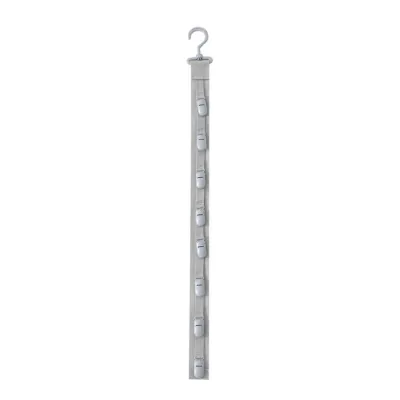
Hanging organizers designed for wardrobe rods are the gold standard for concealed cap storage. These organizers usually feature a series of vertical fabric shelves or a cascading chain of plastic hooks that attach to your closet rod via a heavy-duty hook-and-loop strap. By storing your caps inside the wardrobe, you keep them completely out of sight, preserving the clean, uncluttered lines of your bedroom.
This method offers significant preservation benefits, particularly in Singapore’s warm and humid climate. Caps left out on open walls are exposed to airborne dust, cooking grease (in smaller studio apartments), and direct sunlight, which can fade fabrics over time. Storing them inside a closed wardrobe protects them from these elements. However, because Singapore’s high humidity can encourage mold growth in dark, enclosed spaces, it is highly recommended to place a hanging dehumidifier bag or a container of silica gel inside your wardrobe to keep the air dry and protect the cap materials from mildew.
The primary trade-off of closet rod organizers is that they consume horizontal hanging space. In a small bedroom, wardrobe space is already limited, and dedicating 15 to 30 centimeters of rod space to caps means less room for shirts, jackets, and dresses. To maximize efficiency, look for ultra-slim cascading hangers that stack caps vertically rather than wide fabric cubbies, allowing you to store ten or more caps while occupying minimal rod width. Always check the weight capacity of your closet rod as well; older or poorly supported rods may sag under the combined weight of heavy clothing and a large cap organizer.
Bedside and Under-Shelf Clip-On Holders
For those who only own a few favorite caps and want them easily accessible, bedside and under-shelf clip-on holders are an ingenious use of micro-space. These compact organizers feature tension clips or clamps that attach directly to the edge of a floating shelf, a study desk, or the frame of your bed. They require zero floor space and keep your daily-wear cap within arm’s reach.
When positioning a clip-on holder, carefully map out the surrounding clearance to avoid daily annoyances. If you clip a holder to the side of a study desk or bedside table, ensure it does not obstruct drawer movement or block narrow walkways between the bed and the wall. If you attach a holder to a headboard or a floating shelf directly above your bed, verify that it does not interfere with your head clearance when sitting up in bed. The last thing you want is to repeatedly knock your head against a hanging cap rack in the middle of the night.
These clip-on systems are highly versatile and can be moved around your room as your layout changes. They are particularly useful for students or young professionals living in shared apartments, where a single desk or bed frame represents their entire personal living zone. By clipping a small multi-cap hanger to the underside of a bookshelf, you create a dedicated storage spot out of thin air, keeping your study or sleeping area completely organized.
Quick Comparison of Space-Saving Cap Holders
To help you decide which storage method aligns best with your specific bedroom constraints, tenancy status, and aesthetic preferences, the table below outlines the core differences between the primary cap holder types.
| Holder Type | Best Use Case | Installation Method | Space Footprint |
|---|---|---|---|
| Over-the-Door Racks | Renters, maximum capacity without wall damage | Over-the-door metal brackets (no-drill) | Zero floor space; utilizes the back of the bedroom door |
| Adhesive Wall Hooks | Renters, displaying a few favorite caps | Heavy-duty adhesive backing (no-drill) | Minimal wall space; risk of paint damage upon removal |
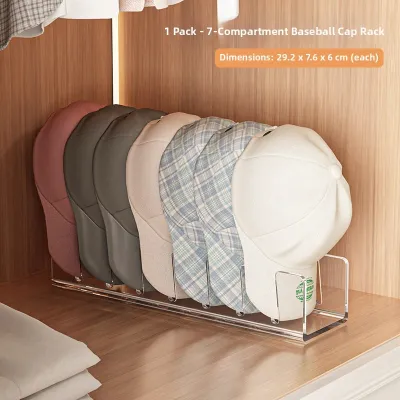
| Screw-Mounted Rails | Homeowners, large collections, heavy-duty display | Screws and wall plugs (requires drilling) | Occupies dedicated wall space; highly stable and permanent |
| Closet Hanging Organizers | Dust protection, keeping caps completely hidden | Hook-and-loop strap over wardrobe rod | Consumes wardrobe rod width; zero external room footprint |
| Under-Shelf Clip-On Holders | Quick access to daily-wear caps, micro-spaces | Tension clamps or clips (no-drill) | Attaches to existing furniture edges; highly portable |
This comparison highlights that there is no single best holder; rather, the right choice depends on whether you prioritize easy access, maximum protection, or damage-free installation.
Installation and Safety Checks for HDB Flats
Installing any fixture in a Singapore HDB flat requires a clear understanding of the building’s structural materials. Most HDB bedroom walls are constructed from solid reinforced concrete (especially structural load-bearing walls) or precast lightweight concrete panels. Newer Build-To-Order (BTO) flats may also feature drywall partitions between rooms. If you plan to use a screw-mounted cap rail or pegboard, you must identify the wall type first. Tapping on the wall is an easy diagnostic: a hollow, echoing sound indicates drywall, which requires specialized toggle bolts or drywall anchors, while a solid, dull thud indicates concrete, requiring a rotary hammer drill, masonry drill bits, and standard plastic wall plugs.
If you are renting and must rely on adhesive products, you must manage the risks associated with Singapore’s humid climate. Standard HDB walls are coated with emulsion paint, which can bond strongly to adhesives. Over time, the moisture in the air can weaken the paint’s adhesion to the underlying plaster, meaning a heavy cap holder could pull the paint right off the wall. To prevent this, always adhere strictly to the manufacturer’s weight limits. If a hook is rated for 1 kg, do not hang multiple heavy caps or bags from it.
When it comes time to move out, never pull an adhesive hook straight off the wall, as this is guaranteed to peel the paint and jeopardize your rental deposit. Instead, use a hairdryer to apply gentle heat to the adhesive backing for 30 to 60 seconds. This softens the glue, allowing you to slide a piece of dental floss or thin fishing line behind the hook in a sawing motion to slice through the adhesive bond cleanly. Any remaining sticky residue can be easily wiped away with a small amount of eucalyptus oil or adhesive remover.
Finally, always consult your tenancy agreement before undertaking any installation that alters the property. While drilling a few small holes for a cap rail might seem minor, some landlords require written permission or professional reinstatement before you move out. If you are a homeowner, ensure your drilling does not interfere with concealed electrical conduits or water pipes, which typically run vertically or horizontally from switches and outlets.
Frequently Asked Questions (FAQ)
How do I keep my baseball caps from losing their shape on a hook?
Hanging a baseball cap incorrectly can cause the structured front panels (the buckram) to crease, sag, or flatten over time. To preserve the cap’s natural dome shape, avoid hanging it by the thin adjustable back strap or the plastic snapback closure, as this forces the weight of the cap to pull down on the crown, causing it to distort. Instead, use hooks that feature a wide, curved mounting surface designed to mimic the shape of a human forehead. Placing the inner crown of the cap directly over a wide, smooth hook distributes the weight evenly and prevents sharp pressure points from creating permanent creases.
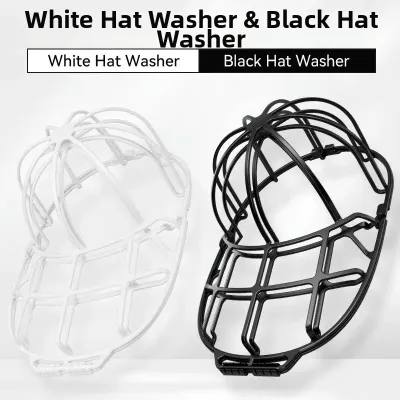
If you must use standard thin wire hooks or pegboard pegs, hang the cap by its rear opening (the gap above the snapback strap) rather than the strap itself. For highly structured caps, such as fitted flat-brim caps, consider inserting a plastic cap shaper or a small dome of tissue paper inside the crown before hanging them. This provides internal support and ensures the cap maintains its crisp, round profile even during long periods of storage.
Can I use adhesive cap holders on HDB bedroom doors?
Yes, you can use adhesive cap holders on HDB bedroom doors, but success depends entirely on the door’s surface finish. Most modern HDB interior doors are finished with wood veneer, laminate, or high-gloss paint. These smooth, non-porous surfaces are excellent for adhesive bonding, allowing heavy-duty double-sided tape or adhesive hooks to grip securely. However, you must ensure the surface is completely clean and free of oils, dust, or polish before applying the adhesive. Wipe the door down with a damp cloth and a mild detergent, let it dry completely, and then clean the specific spot with rubbing alcohol.
Avoid using adhesives on raw, unsealed wood doors or highly textured surfaces, as the adhesive cannot form a continuous bond and will likely fail within a few days. Furthermore, if your bedroom door is positioned directly opposite a window where it receives intense, direct afternoon sunlight, the heat can warm the door surface and melt the adhesive, causing the holder to slide down or fall off. In these specific scenarios, or if you want to avoid any risk of damaging the door’s laminate finish, an over-the-door tension strap or bracket system is a much safer and more reliable alternative.

Community discussion
Share your experience or ask a question. Comments are reviewed before publication.