
Finding the right clothes rack stand for a compact HDB flat or condominium in Singapore requires balancing floor area with vertical utility. When square footage is limited, a well-chosen stand prevents clutter, aids indoor drying during humid monsoon months, and provides accessible everyday storage. Brands ranging from modular pioneers like IKEA to minimalist Japanese designers like Yamazaki, alongside local industrial steel fabricators, offer specialized solutions tailored to tight layouts. To make the best choice, you must evaluate how a rack’s footprint, material composition, and structural stability align with your specific household needs.
Understanding Space Constraints in Singapore Apartments
Modern Singapore apartments, particularly three-room HDB flats and compact studio condos, demand highly efficient furniture layouts. Narrow bedroom walkways, shallow entryways, and the absence of dedicated utility yards in newer developments mean that every square meter of floor space must be carefully managed. When standard built-in wardrobes are full or unavailable, a freestanding clothes rack stand becomes a necessary addition to prevent clothes from draping over chairs and sofas.
Furthermore, Singapore’s tropical climate presents unique laundry challenges. High humidity levels and frequent, sudden downpours during the monsoon seasons often force residents to dry garments indoors. A compact, open-air rack allows air to circulate freely around damp clothes, preventing musty odors without requiring a bulky, permanent drying fixture. By choosing a stand that utilizes vertical height, you can keep your floor area clear and maintain a sense of visual openness in your living spaces.
Products mentioned in this guide


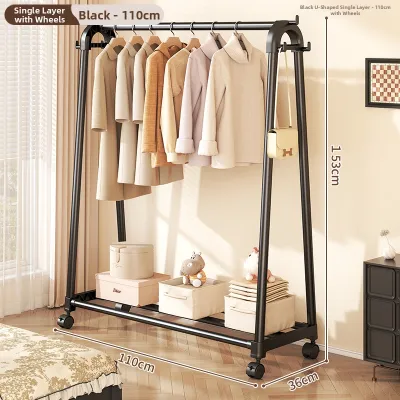



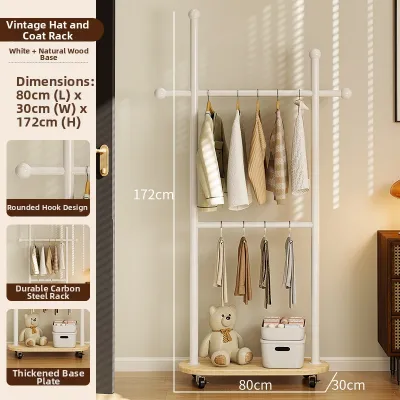

Prices are valid at publication and may change. Please refer to the product page for the latest price.
Essential Features for Space-Saving Clothes Racks
Footprint vs. Vertical Capacity When space is tight, prioritize a narrow base width combined with a tall hanging rod. Look for models that extend upward to utilize the dead space near your ceiling, allowing you to hang long dresses or trousers without occupying extra floor space.

Mobility and Foldability Opting for a clothes rack stand equipped with lockable caster wheels makes it easy to roll the unit aside when cleaning or rearranging a room. If you only need temporary hanging space, collapsible frames or foldable wings allow you to store the rack flat in a closet or behind a door when it is not in use.
Material and Base Stability A narrow rack is highly susceptible to tipping if it is top-heavy. Look for designs featuring weighted bases, wide-angle A-frames, or low-profile cross-braces. Powder-coated steel, heavy-duty iron, or solid hardwoods generally offer better stability than lightweight plastic frames.
Multi-functionality To maximize utility, select a rack that combines a hanging rod with lower shelves or integrated hooks. This allows you to store shoes, storage boxes, bags, and folded garments on a single footprint, effectively consolidating multiple furniture pieces into one.
Recommended Brand Categories for Compact Living
Navigating the market for a clothes rack stand involves matching your lifestyle with the right brand philosophy. Different manufacturers design with distinct priorities, ranging from ultimate adjustability to ultra-slim profiles or industrial-grade weight capacities.
Modular and Customizable Systems for Evolving Needs
Modular furniture systems, exemplified by brands like IKEA (such as the MULIG, RIGGA, or ELVARLI series), offer exceptional adaptability for evolving living arrangements. These systems allow you to adjust rod heights, add secondary hanging rails, or attach wire baskets as your storage requirements change.
Before purchasing, check the manufacturer’s specifications to ensure accessory compatibility and verify whether proprietary tools are required for assembly. Because these systems can be disassembled and reconfigured, they are highly practical for renters or those who anticipate moving to different apartment layouts in the future.
Minimalist and Slim-Profile Designs for Tight Corners
If you need to tuck a rack into a tight corner, hallway, or behind a bedroom door, minimalist brands focusing on narrow footprints are ideal. Japanese lifestyle brands, such as Yamazaki (frequently known for their Tower series), emphasize clean lines, visual lightness, and exceptionally slim metal frames.
When evaluating slim-profile designs, inspect the joint connections and frame thickness. Although these elegant stands are excellent for organizing daily wear, coats, or displaying curated outfits, they require high-quality materials like powder-coated steel to remain rigid. Verify the manufacturer’s recommended weight limits, as these minimalist frames are typically designed for lighter garments rather than dense, heavy winter wardrobes.
Heavy-Duty Industrial Racks for High-Capacity Storage
For those who require substantial storage capacity without a built-in wardrobe, heavy-duty industrial racks are the most reliable option. Often sourced from local commercial display suppliers or specialized online furniture retailers, these racks feature thick iron pipes, reinforced joints, and double-rod configurations.
Because these units are designed to hold heavy suits, winter coats, or large laundry loads, they carry a larger physical presence. Always verify the base dimensions and weight limits specified by the seller to ensure the unit will not overwhelm your room or tip over when fully loaded. Additionally, check if the metal has a rust-resistant or chrome-plated finish, especially if you plan to place the rack on an enclosed balcony or near a humid bathroom.
Planning Your Space and Delivery Logistics
Measuring the Footprint Before ordering, measure the exact floor space where the rack will sit, keeping in mind that the top hanging rod or protruding side hooks might extend past the base dimensions. Ensure there is adequate clearance to walk past the rack comfortably and that it does not block wardrobe doors, room entryways, or dresser drawers.
Delivery Access For pre-assembled or large industrial racks, verify the dimensions of your HDB or condominium lift, corridor widths, and main door clearances. Some heavy-duty models do not fold down easily, making transport through tight high-rise common areas challenging if not planned in advance.
Floor Protection Moving a metal or wooden rack across hard floors can cause permanent damage. Check if the rack’s feet are equipped with rubber caps or felt pads. If you are placing a heavy steel rack on sensitive vinyl, laminate, or parquet flooring, consider placing a rigid, protective mat underneath to distribute the weight and prevent deep scratches.
Safety, Stability, and Daily Maintenance
Weight Distribution To maintain a stable center of gravity, always place heavier items like coats, bags, or storage boxes on the bottom shelves or near the center of the rack. Hanging heavy items exclusively on one side or on high outer hooks increases the risk of the stand toppling over.
Anti-Tip Precautions If you have active young children or pets, standard freestanding racks can present a safety hazard. Always check the manufacturer’s guidelines regarding wall-anchoring; some tall or top-heavy designs include safety brackets that secure the frame directly to the wall.
Routine Checks Over time, the structural integrity of a frequently moved or heavily loaded rack can degrade. Periodically inspect the joint welds, tighten any loose screws or hex bolts, and check that the caster wheels roll smoothly without catching. If you notice any bent metal, cracked plastic joints, or structural wobbling, remove the garments immediately and consult the manufacturer’s care instructions or support team.
Frequently Asked Questions (FAQ)
Can a freestanding clothes rack replace a built-in wardrobe in an HDB flat?
A freestanding clothes rack stand can serve as a highly flexible, budget-friendly alternative to a built-in wardrobe, especially for renters or temporary setups. However, open racks expose your clothing to airborne dust and cooking grease in smaller flats, and they require meticulous organization to avoid looking cluttered. To mitigate these drawbacks, consider using breathable fabric garment covers and pairing your rack with closed drawer units for undergarments and folded items.
How do I prevent a clothes rack from tipping over on uneven floors?
Uneven flooring, which is common in older HDB flats, can cause a tall clothes rack to wobble or tilt dangerously. To stabilize the stand, choose a model equipped with adjustable leveling feet rather than fixed casters, allowing you to compensate for slight floor variations. Alternatively, you can use thin, non-slip rubber shims under the low points of the base, or place the entire unit on a flat, rigid area rug to distribute the weight evenly.
Are foldable clothes racks sturdy enough for daily, long-term use?
High-quality foldable clothes racks are robust enough for daily use, provided you do not exceed their recommended weight capacities. However, the folding hinges, locking pins, and joints are natural wear points that can loosen or fatigue over time. If you plan to use a foldable rack for permanent, heavy storage, check the joint construction carefully and prioritize metal hinges over plastic connectors to ensure long-term durability.
Community discussion
Share your experience or ask a question. Comments are reviewed before publication.