
Maximising the limited footprint of a Singapore HDB or BTO wardrobe requires shifting your storage strategy from horizontal alignment to vertical efficiency. The best shoe cabinet organisers for these compact spaces are adjustable stackable shelves, hanging fabric organisers, and slim door-mounted racks. These solutions allow you to double your footwear capacity without requiring permanent structural modifications to your built-in cabinetry. By utilising under-utilised vertical gaps, you can keep your daily footwear accessible while protecting your wardrobe from clutter.
Selecting the right system depends heavily on your specific wardrobe configuration, shelf load limits, and the types of shoes you own. Because BTO bedrooms often feature compact built-in wardrobes, every millimetre of internal clearance matters. Before purchasing any organiser, you must evaluate your existing layout to ensure a seamless fit that does not interfere with daily wardrobe use.
Measure Your Wardrobe Space Before Buying
Before browsing online marketplaces for storage solutions, grab a measuring tape to map out the exact internal dimensions of your wardrobe. Measure the clear internal width, depth, and height of the specific compartment where you plan to place the organiser. Do not rely on the external dimensions of the wardrobe carcass, as the thickness of the side panels can reduce your actual usable space. You must also account for the space occupied by existing hanging clothes, as long garments will drape down and reduce the available vertical clearance on lower shelves.
Products mentioned in this guide
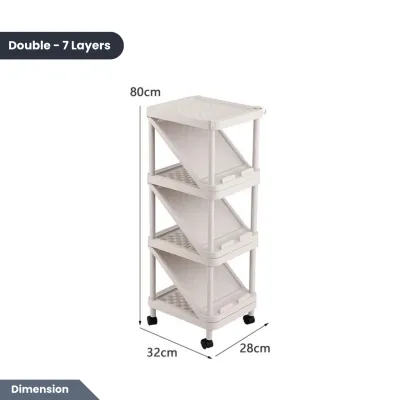
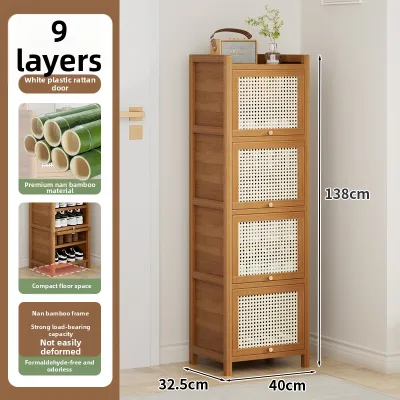
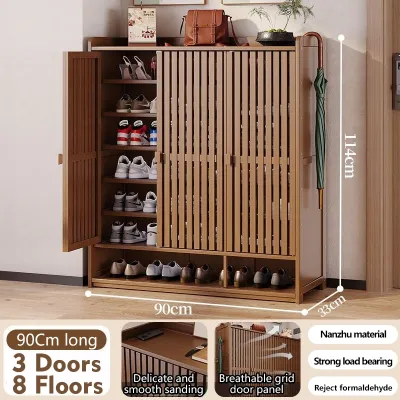
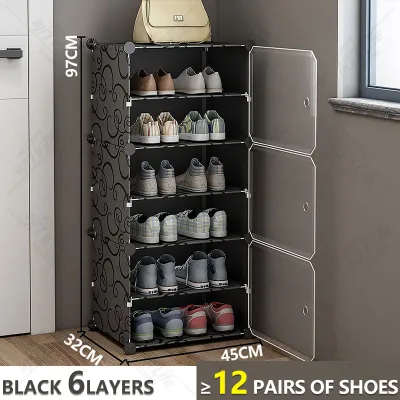
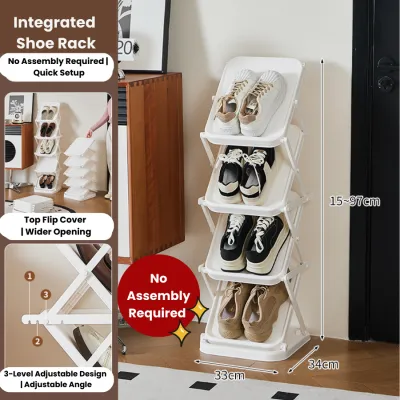
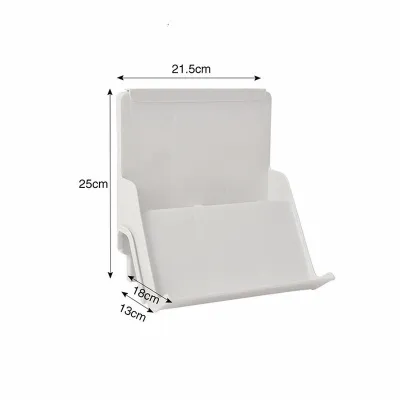
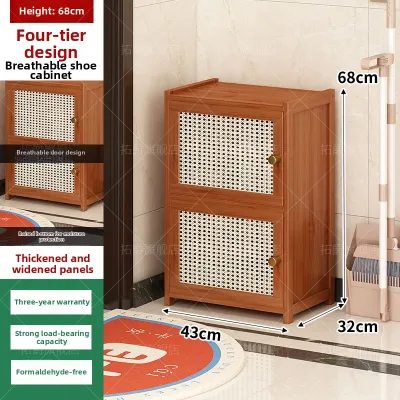
Prices are valid at publication and may change. Please refer to the product page for the latest price.
Physical obstructions inside the wardrobe often block organisers from fitting or operating correctly. Check the placement of door hinges, magnetic catches, and sliding door tracks, which frequently protrude into the opening path. If your wardrobe has sliding doors, measure the overlap zone where the doors cross, as this area often has restricted depth. Ensure that any pull-out organiser or stackable tray can slide forward cleanly without scraping against the edge of the door frame.
The structural integrity of your existing wardrobe shelves is another critical factor to verify. Many standard built-in wardrobes use shelves made of laminated particleboard or medium-density fibreboard (MDF). These materials can bow or sag over time if subjected to concentrated weight. Check the shelf thickness and support brackets to ensure they can safely bear the combined weight of the organiser and multiple pairs of shoes.
Space-Saving Shoe Organiser Types for Compact Wardrobes
Adjustable stackable shelves are highly versatile options for compact wardrobes because they allow you to customise the height of each tier to match your footwear. These freestanding units sit directly on your existing wardrobe shelves, effectively doubling your storage capacity by creating a second level of usable surface area. Because they do not require drilling or permanent adhesives, they are ideal for rental properties or homeowners who want to preserve their cabinetry. When selecting stackable shelves, look for models with non-slip feet and secure interlocking mechanisms to prevent the tiers from shifting.

Hanging closet organisers offer an excellent way to utilise unused vertical air space beneath your hanging rods. Typically made of durable fabric or synthetic canvas, these organisers feature multiple open cubbies that hang directly from your wardrobe rail using heavy-duty hook-and-loop straps. They are particularly suited for lightweight footwear such as flats, sandals, slippers, and canvas sneakers. Because they suspend the weight from the hanging rod, they relieve pressure on your lower shelves, though you must ensure your wardrobe rail is securely anchored to support the extra load.
Over-the-door or door-mounted racks can transform the unused interior surface of your wardrobe doors into highly functional storage zones. These systems use slim metal or plastic brackets that hook over the top edge of the door, supporting a series of wire grids or fabric pockets. Before choosing this style, check your wardrobe door thickness and the clearance between the closed door and the internal shelves. You must also ensure that your door hinges are robust enough to handle the additional weight distribution without sagging over time.
Under-shelf sliding drawers are designed to reclaim the dead space that often exists directly beneath fixed wardrobe shelves. These organisers feature a sliding wire basket or plastic tray mounted to a frame that clips onto your existing shelf. They provide quick, pull-out access to low-profile footwear without disturbing the items stored on top of the shelf. When installing these, verify that the mounting clips do not scratch the shelf finish and that the drawer slide mechanism operates smoothly without catching on the wardrobe door frame.
Matching Organisers to Your Shoe Collection
The geometry of your footwear should dictate the type of organiser you select, as mismatched storage can lead to wasted space or damaged materials. Flat shoes, flip-flops, and thin sandals require very little vertical clearance, making them perfect candidates for low-profile slots or multi-pocket hanging organisers. Using individual shoe slots—which stack one shoe directly above the other in a single footprint—can instantly double your horizontal density for flat footwear. Look for slots with adjustable angles and rear guards to prevent smooth-soled flats from slipping backward.
Heels, wedges, and platform shoes present a different challenge due to their height and delicate structural designs. These shoes require greater vertical clearance between shelves to prevent the heels from scraping against the underside of the upper tier. To store heels safely, choose organisers with stable, flat platforms rather than wire grids, which can cause thin stiletto heels to catch and tip over. Ensure the organiser material has a smooth, non-abrasive finish to protect delicate leather or patent finishes from scuffs.
Boots, high-top sneakers, and ankle boots demand flexible storage configurations to accommodate their taller shafts without crushing the upper materials. Storing boots horizontally or folding the shafts can cause permanent creasing and structural damage to the leather or fabric. For these footwear types, look for organisers with adjustable or removable dividers that allow you to customise the compartment height. Alternatively, utilize boot stands or inserts that keep the shafts upright, placing them on the bottom floor of your wardrobe where vertical space is less restricted.
Common Sizing and Installation Mistakes to Avoid
One of the most frequent mistakes when installing wardrobe shoe organisers is ignoring the door swing arc and internal hinge protrusions. Even if an organiser fits perfectly within the static dimensions of a shelf, a protruding hinge can prevent a drawer from sliding out, or the unit itself might block the wardrobe door from closing fully. Always measure the clearance with the wardrobe doors in both the fully open and fully closed positions. If your wardrobe has sliding doors, ensure the organiser does not sit too close to the front edge, where it could rub against the sliding panels.
Overloading lightweight particleboard or MDF shelves with heavy, stacked footwear is another hazard that can lead to structural failure. While a single pair of shoes is relatively light, stacking multiple pairs on a single shelf using heavy metal organisers can cause the shelf to bow or slip off its support pegs. Inspect the shelf support pins and ensure they are fully inserted into the side panels. If you notice any visible sagging, redistribute the weight by placing heavier shoes, such as boots and leather dress shoes, on the bottom floor of the wardrobe.
Enclosed wardrobes in humid climates like Singapore are highly susceptible to trapping moisture, which can lead to unpleasant odours, mould, and mildew growth on your shoes. Placing damp or dirty shoes directly into a closed wardrobe with dense, non-breathable plastic organisers restricts essential airflow. Avoid packing your shoes too tightly together, and choose organisers with open-wire designs or breathable fabric mesh to promote air circulation. Regularly inspect the interior corners of your wardrobe for signs of moisture buildup.
Forcing rigid, non-adjustable storage units into irregularly shaped wardrobe corners or tight spaces can scratch your cabinetry and limit accessibility. If your wardrobe has awkward corners or hard-to-reach angles, avoid bulky, one-piece plastic or wooden organisers. Instead, opt for modular, individual shoe boxes or flexible fabric organisers that can be configured to match the unique contours of your space. This approach ensures you utilise every available corner without risking damage to your built-in wardrobe panels during installation.
Frequently Asked Questions (FAQ)
Can I install pull-out shoe racks inside an existing built-in wardrobe?
Yes, you can retrofit pull-out shoe racks into an existing built-in wardrobe, provided you verify the structural and spatial requirements first. Measure the internal depth of your wardrobe carcass to ensure there is enough clearance for the sliding tracks to retract fully without hitting the back panel. You must also check that the side panels are thick and sturdy enough to hold the mounting screws for heavy-duty drawer slides. If your wardrobe carcass is made of thin or hollow panels, consult a professional carpenter to assess whether reinforcement is needed before mounting any sliding hardware.
How do I prevent shoes from smelling when stored inside a closed wardrobe?
To prevent odours and mould growth, always ensure your shoes are completely dry and clean before placing them inside an enclosed wardrobe. You can place active moisture absorbers, silica gel packets, or activated charcoal pouches near your shoe organisers to help control humidity and neutralise lingering odours. Avoid sealing your wardrobe doors permanently; make it a habit to leave the doors open periodically to allow fresh air to circulate. Choosing organisers made of breathable materials or open-wire frames will also significantly improve airflow around your footwear.

Community discussion
Share your experience or ask a question. Comments are reviewed before publication.