
Maximizing the limited square footage of a compact Singapore apartment requires a thoughtful approach to furniture selection, and modular shelving systems like Evesigar offer an adaptable solution. Whether you are furnishing a new build-to-order (BTO) flat, a cozy executive condominium, or a studio apartment, these customizable configurations allow you to utilize vertical space and awkward corners that standard furniture cannot reach. By tailoring the layout to your specific room dimensions and storage needs, you can keep your living areas organized, open, and visually uncluttered.
To achieve the best results, you must plan your configuration around the physical realities of your home. This involves assessing your wall types, measuring your floor area, and understanding how different modular components interact. A well-planned shelving system does not just hold your belongings; it enhances the flow of your room, serves multiple functions, and remains safe and stable over years of daily use.
Assessing Your Compact Space and Storage Requirements
Before purchasing any modular components, a precise assessment of your physical space is essential to avoid delivery and installation issues. Begin by measuring the exact floor footprint where you intend to place the shelving, taking note of skirting boards, electrical outlets, and light switches that might restrict placement. You must also measure the ceiling height, especially if you plan to build a tall vertical stack or use tension-mounted supports. Do not forget to measure your apartment’s entryways, including lift doors, corridor widths, and internal doorways, to ensure the packaged modules can be safely transported into your home.
Products mentioned in this guide
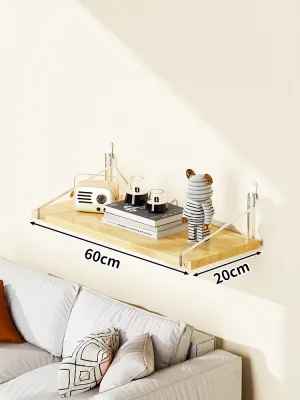
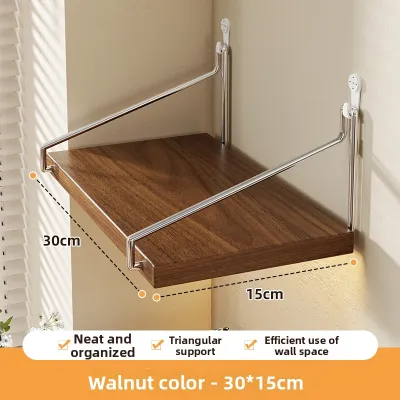
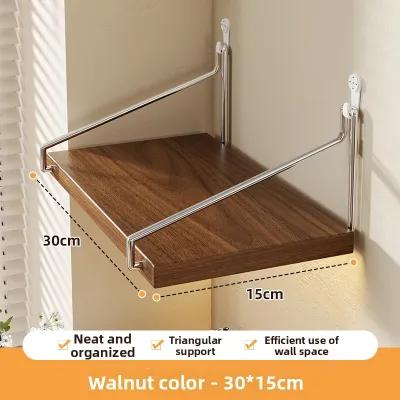
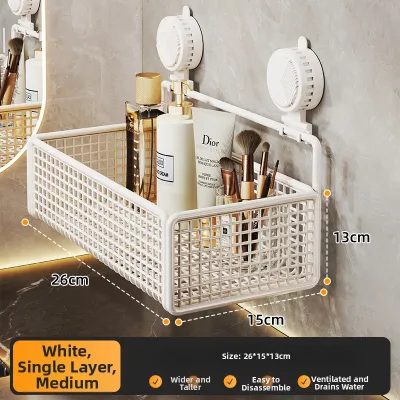
Prices are valid at publication and may change. Please refer to the product page for the latest price.
Next, define your storage requirements by categorizing the items you plan to store. Heavy items, such as large books, kitchen appliances, or storage bins, require thicker shelves and robust support brackets to prevent sagging over time. Conversely, lightweight decorative items, small plants, or photo frames can sit on thinner, more minimalist shelves. Understanding your load requirements beforehand helps you select the correct ratio of heavy-duty frames to lighter shelf inserts, ensuring you do not overload the system.
Finally, evaluate how the proposed shelving configuration will affect the room’s natural light and traffic flow. In compact Singapore apartments, blocking a window or placing a deep shelf in a narrow walkway can make the space feel cramped and dark. Opt for shallower shelves in high-traffic corridors and keep taller, deeper modules closer to corners or solid walls. This strategic placement preserves the open feel of your living space while ensuring that daily movement remains completely unobstructed.
Vertical Stacking Strategies for Narrow Walls and Corners
When floor space is at a premium, building upward is one of the most effective ways to increase your storage capacity. Vertical stacking allows you to utilize the often-ignored space near your ceiling, making it ideal for narrow walls in study rooms or bedrooms. However, safety must remain your primary concern when stacking modules. Always consult the manufacturer’s guidelines to verify the maximum recommended stack height and weight distribution limits, ensuring the structure maintains a safe center of gravity.

To make the most of awkward layouts, look for corner-specific modules or specialized L-shaped adapters that connect frames at a right angle. These components allow you to wrap your shelving around tight corners, turning dead space into a highly functional storage zone without protruding into the main walking path. Corner configurations are particularly useful in small dining areas or entryways, where every square centimeter counts.
Achieving visual balance is also crucial when designing a tall vertical stack. As a general rule, place your heaviest and bulkiest items, such as storage boxes, filing folders, or heavy cookware, on the lowest tiers of the shelving unit. This keeps the center of gravity low, which significantly improves the physical stability of the structure. Reserve the higher shelves for lighter, decorative items, which not only enhances safety but also creates a more open, airy aesthetic at eye level.
Multi-Functional Layouts for Open-Plan and Studio Zoning
In open-plan apartments or studio units, modular shelving can serve a dual purpose by acting as both storage and a stylish room divider. By configuring your shelves in a back-to-back or stepped arrangement, you can create distinct functional zones, such as separating a home office from a living area or isolating a sleeping nook. A stepped configuration is particularly effective because it provides a clear physical boundary while allowing natural light to filter through the open upper sections, keeping the entire room bright.
If the modular system supports integrated accessories, you can incorporate desks, drop-down tables, or closed cabinet modules directly into the shelving frame. This integration eliminates the need for separate, bulky furniture pieces, saving valuable floor space. For example, a single modular unit can transition from a display shelf to a compact work-from-home desk, and then to a closed storage cabinet for household essentials, all within the same footprint.
When using modular shelving as a freestanding room divider, you must take extra precautions to ensure structural stability. Freestanding units do not have the support of a solid wall, making them more susceptible to tipping if bumped. Verify whether your configuration requires wider base stabilizers, floor anchoring, or ceiling tension rods. If you cannot anchor the unit directly to the floor or ceiling due to rental agreements or flooring materials, keep the height of the divider moderate and ensure the base is sufficiently wide and heavily weighted.
Wall-Mounted Configurations to Maximize Floor Clearance
Wall-mounted modular shelving is an excellent choice for creating a sense of spaciousness, as keeping the floor clear makes any room feel larger and simplifies cleaning. Before committing to a wall-mounted layout, you must identify the construction of your apartment’s walls. In Singapore, interior walls are typically made of either solid concrete (common in structural walls and older HDB flats) or drywall/partition boards (often found in newer developments and bedroom partitions). The wall type directly dictates the weight capacity and the installation method you must use.
Selecting the correct mounting hardware is critical to the safety and longevity of your shelving. For solid concrete walls, heavy-duty masonry plugs and screws are required to secure the mounting rails or brackets. For drywall, you must locate the internal studs to secure the main supports, or use high-quality toggle bolts if mounting directly to the plasterboard. Always check the manufacturer’s specifications for the maximum load capacity of individual brackets and rails, and never exceed these limits.
To prevent structural failure, distribute the weight of your items evenly across the entire mounted system. Avoid clustering heavy objects on a single floating shelf; instead, spread them across multiple levels and closer to the vertical wall tracks where the support is strongest. Regularly inspect the wall brackets and the surrounding wall surface for any signs of stress, such as hairline cracks in the plaster or slight gaps forming between the bracket and the wall, to catch potential issues early.
Safe Installation and Long-Term Stability Checks
Proper assembly is the foundation of a safe and durable modular shelving system. When putting the components together, follow the manufacturer’s assembly instructions precisely, paying close attention to torque specifications for screws and the correct alignment of joints. Using the wrong tools or over-tightening fasteners can strip the threads or damage the modular connectors, compromising the structural integrity of the entire unit. Take your time to ensure every frame is perfectly level and plumb before tightening the final connections.
For any shelving unit that is tall, top-heavy, or freestanding, installing anti-tip kits or wall tethers is a non-negotiable safety step. This is especially critical in households with young children or pets, who may attempt to climb or pull on the shelves. Wall tethers anchor the top of the shelving unit directly to a wall stud or solid masonry, preventing the unit from tipping forward even under sudden impact or uneven weight distribution.
Over time, daily use and environmental factors can affect the stability of your shelving. In Singapore’s humid climate, wood-based components can absorb moisture, potentially leading to warping or joint loosening if not properly sealed or maintained. Establish a routine maintenance schedule to check for loose fittings, shelf sagging, or wall anchor pull-out. Tighten any loose screws immediately, and if you notice any permanent sagging or structural shifting, redistribute the weight or reinforce the supports to ensure ongoing safety.
Frequently Asked Questions (FAQ)
What wall anchors should I use for concrete versus drywall in Singapore apartments?
For solid concrete or brick walls, you should use plastic masonry plugs or expansion anchors, which expand tightly inside a pre-drilled hole to provide high load capacity. For drywall or partition walls, you must use specialized hollow-wall anchors, such as toggle bolts or metal self-drilling anchors, which grip the back of the plasterboard. Always verify the load-bearing capacity of both the anchor and the wall material before placing heavy items on the shelves.
How can I secure tall freestanding shelves in homes with young children or pets?
To secure tall freestanding shelves, install manufacturer-approved anti-tip straps or metal L-brackets that anchor the top frame directly to a solid wall. Additionally, place your heaviest items on the lowest shelves to lower the overall center of gravity, and avoid placing appealing items like toys or electronics on high shelves where children might be tempted to climb to reach them.
Can modular shelving be easily reconfigured if I move to a different apartment layout?
Yes, one of the primary benefits of modular shelving is its adaptability. You can easily disassemble the frames, shelves, and cabinets to fit a new room layout or a completely different apartment. However, keep in mind that wall-mounted tracks, custom-cut panels, or specific wall anchors may need to be replaced or reinstalled using new hardware suitable for the walls in your new home.

Community discussion
Share your experience or ask a question. Comments are reviewed before publication.