
Comparing soft foam office chairs requires looking past initial surface plushness to evaluate foam density, structural support, and frame engineering. While many brands market their chairs as the ultimate comfort solution, the actual performance depends on how the foam’s physical properties interact with your body weight and daily sitting duration. High-quality soft foam chairs balance immediate pressure relief with deep-seated support, preventing the foam from bottoming out over hours of continuous use. To find the right balance between cushioning comfort and long-term durability, buyers must look at objective specifications—such as foam density ratings, base materials, and warranty structures—rather than relying on subjective brand promises.
By understanding how these components are manufactured and tested, you can avoid common purchasing pitfalls. This guide provides a practical framework to evaluate structural integrity, compare build quality across different market tiers, and make an informed decision tailored to your specific workspace and physical needs.
Understanding Soft Foam Comfort: Density and Ergonomics
To understand how a soft foam chair will perform over time, you must first look at how the foam is manufactured. Most office chairs utilize either cut polyurethane foam or molded polyurethane foam. Cut foam is sliced from large blocks of low-density foam, making it inexpensive to produce but highly susceptible to flattening. Molded foam, on the other hand, is cured inside a specific mold under high pressure. This process creates a high-density outer skin that helps the cushion retain its shape, elasticity, and supportive properties even after years of daily use.
Products mentioned in this guide
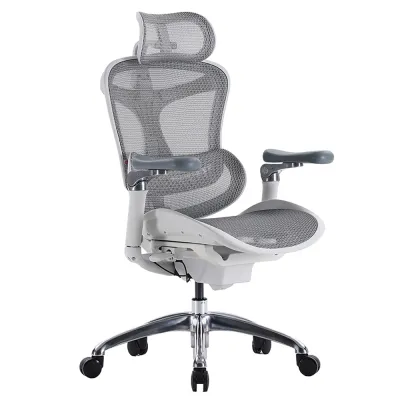
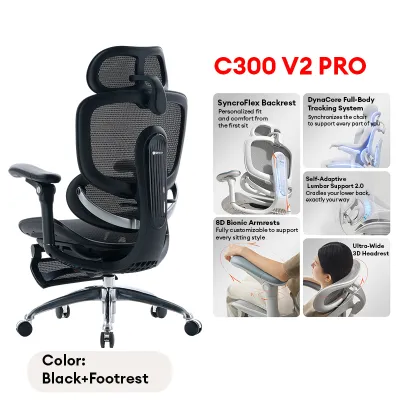
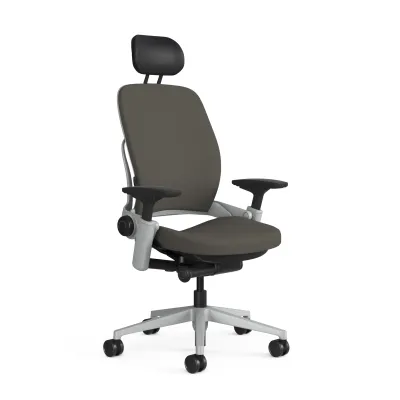
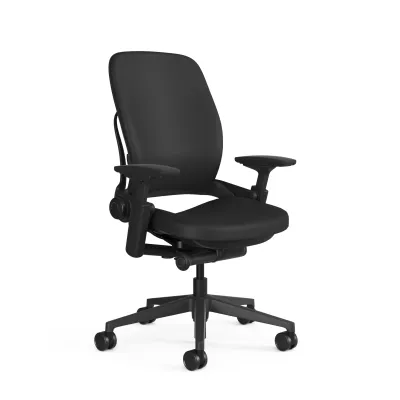
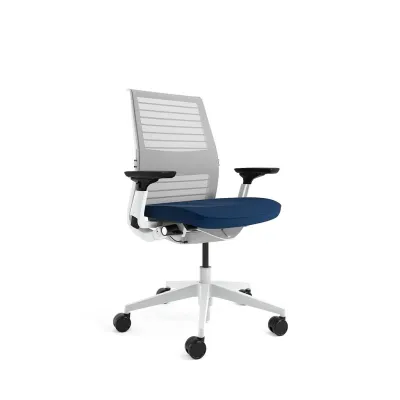
Prices are valid at publication and may change. Please refer to the product page for the latest price.
Foam density is measured in kilograms per cubic meter ($kg/m^3$), and it serves as the primary indicator of support. High-density foam, typically rated above $50 kg/m^3$, provides a firm foundation that distributes body weight evenly and prevents your pelvic bones from pressing directly against the hard seat pan. Lower density foams, often under $35 kg/m^3$, feel incredibly soft during a brief showroom test but lack the structural resilience to support a user for a full workday. When evaluating specifications, look for brands that explicitly state their foam density or specify the use of high-density molded foam.
Layered cushion construction is another effective method used to balance softness and support. Some manufacturers place a plush, low-density comfort layer—such as memory foam or gel-infused foam—on top of a high-density supportive base layer. This hybrid design delivers immediate pressure relief for the hips and glutes while ensuring the chair does not bottom out under continuous load. If a manufacturer does not disclose their foam density, you can perform a manual compression test: press your elbow firmly into the center of the cushion; if you can easily feel the hard platform underneath, the foam is too thin or too low in density for long-term desk work.
Ergonomic shaping is just as critical as the foam material itself. A well-designed seat cushion features a contoured surface that matches the natural curvature of the human body, reducing pressure hot spots. A key element to look for is a waterfall front edge, which slopes gently downward at the front of the seat. This design minimizes pressure on the underside of your thighs, preserving healthy blood circulation to your lower legs and preventing the numbness often associated with flat, sharp-edged cushions.
In warm and humid environments, such as Singapore, heat retention is a major comfort consideration. Because soft foam conforms closely to the body, it restricts airflow and can trap body heat, leading to discomfort during long sitting sessions. To mitigate this, inspect the outer upholstery and the foam structure. Open-cell foam formulations and built-in ventilation channels allow air to circulate more freely. Additionally, pairing soft foam cushions with breathable fabric covers or porous woven textiles is generally much cooler than solid synthetic leather, which tends to trap moisture and heat against the skin.
Evaluating Build Quality and Long-Term Durability
A high-quality foam cushion is only as good as the frame supporting it. When inspecting an office chair, examine the skeleton of the chair, which is typically constructed from steel, engineered nylon, or aluminum alloy. Steel frames offer excellent structural rigidity but add significant weight to the chair. If the frame is plastic, ensure it is made from heavy-duty, glass-fiber reinforced nylon rather than standard ABS plastic, which can flex excessively and degrade under stress. Pay close attention to the joint reinforcements; welded steel connections should be smooth, continuous, and free of visible gaps or splatter, as weak welds are common failure points.

To verify the structural limits of a chair, look for official safety and performance certifications rather than relying on marketing claims. Standards such as BIFMA (Business and Institutional Furniture Manufacturers Association) or ANSI establish rigorous testing protocols for load capacity, drop tests, and mechanism cycle life. A chair certified to meet these standards has been mechanically tested to withstand repetitive stress. Always check the manufacturer’s rated weight capacity; a certified capacity of 120 kg or higher generally indicates robust internal framing and a heavy-duty gas lift cylinder.
The moving parts of the chair—specifically the base, casters, and tilt mechanism—require close inspection. The base should feature a five-star design for optimal stability and be constructed from cast aluminum or reinforced nylon. Casters must be selected based on your flooring type: soft polyurethane-coated casters prevent scratching on hard surfaces like parquet, vinyl, or laminate, while hard nylon casters are better suited for rolling smoothly over carpets. Test the tilt and recline mechanisms to ensure they operate smoothly without squeaking, catching, or exhibiting lateral play, which indicates poor alignment or cheap internal springs.
Finally, a manufacturer’s warranty policy serves as an excellent indirect indicator of build quality. Carefully read the warranty terms to identify component-specific exclusions. It is common for brands to offer a lengthy warranty on the steel frame (such as 5 to 10 years) but limit the coverage on the foam cushion and fabric upholstery to just 1 or 2 years. A short warranty on the foam suggests that the manufacturer expects noticeable flattening or degradation within that timeframe. Look for brands that offer comprehensive, multi-year coverage across all components, including the foam, as this demonstrates confidence in the materials used.
Comparing Market Tiers: What to Expect at Different Price Points
Understanding what you get at different price points helps set realistic expectations and prevents unfair comparisons. The office chair market can generally be divided into three distinct tiers based on pricing in Singapore dollars (S$).
- Entry-Level Tier (Under S$150): Chairs in this bracket typically utilize low-density, cut polyurethane foam over a plywood seat pan. The frames are predominantly lightweight plastic, and the adjustment options are limited to basic seat height and simple tension-free tilting. While these chairs often feel remarkably soft and comfortable initially, the low-density foam tends to flatten permanently within 6 to 12 months of daily use. They are best suited for occasional, short-duration sitting rather than full-time home office work.
- Mid-Range Tier (S$150 to S$500): This tier represents the sweet spot for many home office workers. Here, you will find chairs featuring high-density molded foam cushions, steel-reinforced frames, and sturdy nylon bases. Adjustability improves significantly, offering adjustable lumbar support, 2D or 3D armrests, and synchro-tilt mechanisms that keep the seat relatively level as you recline. The foam in this tier is designed to maintain its shape and supportive properties for 3 to 5 years of regular daily use.
- Premium Tier (Over S$500): Premium chairs feature highly engineered, high-density molded foam or proprietary elastomeric materials designed to distribute weight perfectly without bottoming out. The frames are constructed from polished aluminum alloy or high-grade structural polymers, and the mechanisms offer advanced adjustments such as seat depth sliding, multi-directional armrests, and tension-adjustable tilt locks. These chairs are built for 8+ hours of daily use and are backed by extensive warranties, often spanning 10 to 12 years, resulting in a lower total cost of ownership over time.
Beware of value traps in the market, where brands use thick, ultra-soft pillow-top layers to mimic the feel of a premium chair in a showroom. This initial softness often masks a lack of structural support underneath. Within a few months, the soft outer layer compresses fully, leaving you sitting directly on the hard base plate. When calculating the true cost of a chair, consider the replacement cycle; buying a cheap S$100 chair every year due to foam failure is ultimately more expensive and less comfortable than investing in a durable S$400 mid-range chair that lasts for five years.
Decision Framework: Choosing the Right Soft Foam Chair for Your Needs
To select the ideal soft foam chair, you must match the chair’s specifications to your daily work habits and physical environment. Start by assessing your typical daily usage duration. If you work at your desk full-time (8 or more hours per day), prioritize a chair with high-density molded foam, adjustable lumbar support, and a synchro-tilt mechanism to encourage active sitting. For occasional use, such as checking emails or managing household tasks for an hour or two, a simpler chair with a focus on immediate surface softness may be perfectly adequate.
Next, align the chair’s physical dimensions with your body proportions. A chair cannot provide ergonomic support if it does not fit your frame. When sitting fully back against the lumbar support, there should be a gap of approximately two to three fingers between the front edge of the seat cushion and the back of your knees. If the seat is too deep, it will press against the back of your knees, restricting circulation; if it is too shallow, your thighs will not be properly supported, leading to increased pressure on your hips. Ensure the seat height adjustment allows your feet to rest flat on the floor with your knees bent at a comfortable 90-degree angle.
Before finalizing your purchase, perform a thorough check of your physical workspace constraints. In compact study rooms or home offices, measure the clearance under your desk. Ensure that the chair’s armrests can slide fully underneath the desk when not in use to save floor space. If you are ordering a fully assembled chair, verify the doorway and lift access dimensions in your building to ensure smooth delivery. Finally, match the chair’s casters to your floor surface to prevent damage and ensure smooth, quiet movement throughout the day.
Frequently Asked Questions (FAQ)
How can I tell if the foam in my office chair is degrading?
You can identify degrading foam through simple visual and tactile checks. Look for permanent sagging or visible indentations in the seat cushion that do not bounce back even hours after you stand up. Tactilely, if you can feel the hard plastic or wooden seat pan underneath when sitting, or if the foam feels crumbly and loses its springiness when pressed, the material has lost its structural integrity. If you begin experiencing unexplained lower back, hip, or tailbone discomfort after sitting for short periods, it is a strong sign that the foam is no longer providing adequate ergonomic support and the chair should be replaced.
Does a thicker seat cushion always mean better comfort for long hours?
No, a thicker seat cushion does not guarantee better long-term comfort. If a cushion is thick but made of low-density foam, it will quickly compress under your weight, offering no real support and causing you to bottom out. Furthermore, an excessively thick and soft cushion can allow your pelvis to sink too deeply, tilting your spine out of alignment and putting extra strain on your lower back. Proper comfort for long hours relies on balanced foam density, ergonomic contouring, and correct seat depth, which distribute your weight evenly without restricting blood circulation behind your knees.

Community discussion
Share your experience or ask a question. Comments are reviewed before publication.