
When evaluating sofa beds for regular switching, there is no single brand that fits every home; daily usability depends entirely on how the underlying conversion mechanism matches your space, physical effort capacity, and comfort expectations. Different brands implement these mechanisms with varying degrees of structural framing, cushion density, and hardware quality. Choosing the right option requires looking past marketing labels to analyze the physical reality of how a sofa converts into a sleeping surface. By comparing the primary mechanism types—pull-out, fold-down, and modular—you can determine how each design impacts the depth and support of the sofa seat during the day and the quality of sleep it provides at night. This structural comparison helps you identify which approach aligns with your daily routine before you invest in a specific model.
Understanding the Main Sofa Bed Conversion Mechanisms
To make an informed decision, you must first understand the mechanical categories that dominate the market. The most common design is the pull-out mechanism, often referred to as a trundle or drawer-style system. In this configuration, the primary sleeping surface or an extension platform is stored directly beneath the main sofa seat. When needed, you pull this lower frame forward on tracks or casters and lift it to align with the stationary cushions. This design allows the sofa to maintain a traditional aesthetic and standard seating height while concealing a full-size bed frame inside.
In contrast, fold-down mechanisms, commonly known as click-clack or futon-style systems, operate on a hinged frame where the backrest and the sofa seat itself flatten to form the bed. When you lift the seat cushion, the internal hinges click to release the locking mechanism, allowing the backrest to drop down. Because the cushions you sit on are the exact same cushions you sleep on, this style eliminates the need for a separate hidden mattress, resulting in a lighter overall frame but a highly distinct seating profile.
Products mentioned in this guide
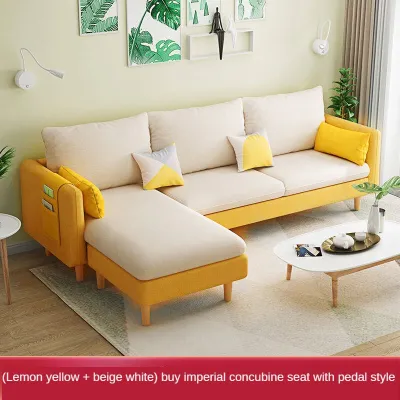
Prices are valid at publication and may change. Please refer to the product page for the latest price.
Modular or reversible chaise configurations offer a non-mechanical alternative. These systems rely on moving individual upholstered blocks, ottomans, or chaise sections to form a continuous sleeping platform. Because they do not use complex metal hinges or tracks, they avoid mechanical wear entirely. However, they require manual rearrangement of cushions and often take up a larger permanent footprint in your living room.
Each of these structural approaches inherently dictates the dimensions of the sofa seat. Pull-out systems often require a deeper frame to house the folded mattress and metal linkages, which can result in a deeper sofa seat that may require accent pillows for comfortable back support. Fold-down models usually feature shallower seats to ensure the backrest is not too tall when folded flat, directly influencing how you sit during daytime hours.
Evaluating Daily Usability and Effort Required
Converting a sofa bed should not feel like a strenuous workout, especially if you plan to use it frequently for guests or daily studio living. The physical effort required to operate these systems varies significantly based on the weight of the moving components. Pull-out mechanisms require you to pull the weight of a metal frame and mattress forward. While sturdy tracks and smooth-rolling casters ease this transition, lifting the lower platform into its locked position still demands a degree of lower-back strength and grip. If the mechanism lacks assisted spring tension, a single person may find the lifting motion awkward or heavy.

Fold-down systems generally require less lifting force but demand specific physical clearance. To operate a click-clack mechanism, you must lift the sofa seat until the hinge clicks, then lower it flat. While the lifting weight is relatively low, you must account for rear clearance. Many fold-down models cannot sit flush against a wall; you must pull the entire sofa frame forward several inches before converting it, which can scratch floors or strain your arms if done daily.
Modular configurations eliminate mechanical lifting but introduce the physical task of moving heavy, unattached upholstered sections. While there are no hinges to jam, sliding a large ottoman or rearranging heavy chaise cushions across a room requires open floor space and manual effort. This process can become tedious if you must perform it every morning and evening.
When evaluating usability, look closely at the friction points and locking releases. Metal-on-metal tracks require regular alignment checks to prevent binding. If your living space has thick carpeting or uneven flooring, pull-out tracks can catch, requiring significantly more force to operate. Ergonomic convenience relies on smooth, continuous movement rather than jerky, high-effort pulling.
Comparing Sofa Seat Comfort and Sleeping Support
A common challenge with dual-purpose furniture is balancing daytime seating comfort with nighttime spinal support. The structural framing that makes a sofa seat comfortable—such as pocket springs, high-density foam, and supportive webbing—does not always translate to a comfortable sleeping surface. In pull-out models, the sofa seat remains independent of the sleeping mattress. This allows the sofa seat to feature plush, deep cushioning designed for upright lounging. However, the hidden mattress inside must be thin enough to fold into the frame, often limiting its thickness to under 12 centimeters. This thin profile means sleepers may feel the metal support bars or frame gaps beneath the mattress if the suspension system is inadequate.
Fold-down models use the same cushions for both sitting and sleeping. To prevent the mattress from bottoming out when slept on, manufacturers often use highly dense, firm foam. While this provides excellent, flat support for sleeping, it can make the daytime sofa seat feel exceptionally firm and less inviting for casual lounging. Additionally, the central split where the backrest meets the seat cushion creates a permanent longitudinal gap that sleepers must navigate.
Modular configurations offer a highly customizable middle ground but present their own comfort trade-offs. Because there are no folding mechanisms, the cushions can remain thick and supportive. However, because the sleeping surface is made of separate modular blocks pushed together, these blocks can shift during the night. The resulting seams between cushions can cause uneven pressure distribution, particularly for side sleepers who require consistent hip and shoulder cushioning.
Ultimately, achieving a deep, supportive sofa seat and a completely flat, seamless sleeping surface involves inherent design trade-offs. When choosing, consider whether the unit will primarily serve as a daytime seat or a nightly bed, as prioritizing one often reduces the performance of the other.
Durability and Long-Term Reliability Checks
The longevity of a sofa bed is directly tied to the quality of its moving parts and structural joints. Daily conversion subjects the frame to repetitive stress, making it essential to identify potential wear points early. In pull-out models, the primary stress points are the metal rivets, scissor linkages, and track alignments. Over time, frequent pulling can loosen these connections, causing the frame to warp or bind. If you notice the lower platform dragging or requiring uneven force to lift, the mechanism may be misaligned.
For fold-down models, the internal click-clack hinges bear the brunt of the physical force. These spring-loaded hinges can lose tension or strip their internal teeth over time, especially if the seat is dropped heavily or forced past its natural locking point. Additionally, the fabric or leather covering the folding joint is subject to constant stretching and compression, which can lead to premature cracking, tearing, or seam separation along the main fold.
Frame materials play a critical role in load-bearing capacity. Solid hardwood or reinforced steel frames are essential for supporting both the weight of the mechanism and the dynamic load of users sitting or sleeping. Softwood or particleboard frames are highly susceptible to cracking under the leverage exerted during conversion.
To maintain long-term reliability, perform regular visual checks. Look for loose screws, metal shavings beneath the tracks, or sagging in the sofa seat suspension. If a mechanism becomes stiff or jams, do not force it. Forcing a stuck hinge or track can bend the metal components permanently, rendering the bed unusable. Instead, stop immediately, check for obstructions, and consult the manufacturer’s instructions or a professional repair service.
How to Choose the Right Mechanism for Your Space
Selecting the right sofa bed requires a realistic assessment of your physical space, lifestyle, and physical capabilities. If your primary goal is a traditional, deep sofa seat for daily living and you have ample open floor space in front of the unit, a pull-out mechanism is often the most appropriate choice. This style preserves the classic living room aesthetic while keeping the sleeping surface completely hidden when not in use. However, you must ensure your room can accommodate the full extended length of the bed without blocking essential walkways or doors.
If you live in a compact apartment where space is limited and you need a quick, low-lift conversion process, a fold-down mechanism is highly efficient. These models are ideal for home offices or guest rooms where the bed is only deployed occasionally. Just remember to verify that you have the necessary rear clearance to lower the backrest without constantly scraping your walls.
For those who prioritize flexible seating arrangements and want to avoid mechanical moving parts entirely, modular configurations are an excellent alternative. They are highly adaptable to awkward room layouts and eliminate the risk of mechanical failure. However, they require sufficient floor space to store and rearrange the individual blocks, and you must be comfortable with the manual effort of rebuilding the bed layout each time.
Before making a purchase, always verify the specific model’s assembled dimensions, track footprint, and floor protection requirements. In high-rise living environments, such as typical apartments in Singapore, it is also crucial to measure your doorways, hallways, and lift access to ensure the unit can be delivered and installed safely. By matching the conversion mechanism to your physical space and daily habits, you can ensure your sofa bed remains a functional, comfortable asset rather than a daily source of frustration.
Frequently Asked Questions (FAQ)
Can I replace the mattress in a fold-down sofa bed?
In most fold-down or click-clack sofa beds, the mattress cannot be replaced independently because the cushioning is permanently integrated into the frame and upholstery. Attempting to swap the foam can damage the internal hinge attachments and ruin the fabric cover. For models that do allow mattress replacement, you must strictly adhere to the manufacturer’s thickness and flexibility specifications. A mattress that is too thick or rigid will prevent the mechanism from folding completely, putting excessive strain on the hinges and potentially bending the frame. Always check the official product manual before attempting any modifications.
How do I protect the floor from pull-out sofa bed tracks?
Pull-out sofa beds rely on casters or metal tracks that roll directly across your floor during conversion. To prevent scratches, especially on hardwood, laminate, or vinyl flooring, ensure the wheels are made of soft polyurethane or rubber rather than hard plastic or bare metal. Placing a low-pile rug or a dedicated protective runner along the track’s path can safeguard your floor without obstructing the rolling mechanism. Additionally, perform routine checks to keep the floor and tracks free of dirt, grit, or small debris, as trapped particles can act like sandpaper under the weight of the heavy frame.

Community discussion
Share your experience or ask a question. Comments are reviewed before publication.