
To find the best multi-functional sofa bed for daily use in Singapore, you must look beyond temporary guest solutions and evaluate options based on structural durability, ease of conversion, integrated storage, and mattress support. In Singapore’s compact housing market—dominated by HDB flats and condominiums—sofa beds serve as vital space-saving assets. Brands in the local market generally fall into three categories: mass-market modular retailers, design-led premium brands, and space-optimized specialists. Choosing the right brand requires understanding how daily seating and sleeping wear affect mechanical hinges, frame stability, and cushion materials.
Evaluating your specific room dimensions, access points, and ventilation needs will prevent common purchasing pitfalls. A well-chosen model functions as a supportive sofa by day and a comfortable bed by night, without sacrificing floor space or room aesthetics. By focusing on mechanical integrity and material specifications, you can find a durable piece that withstands the rigors of daily use.
What Defines a Multi-Functional Sofa Bed for Daily Use?
When a sofa bed is intended for daily use, its operational demands escalate dramatically compared to a guest bed that is opened only a few times a year. Daily use implies that the unit will undergo at least two conversions every day—totaling over 700 operations annually. This constant movement puts immense strain on hinges, joints, and locking mechanisms. Additionally, the cushions must provide continuous, ergonomic support for hours of daytime sitting and nighttime sleeping without bottoming out against the underlying frame.
Products mentioned in this guide
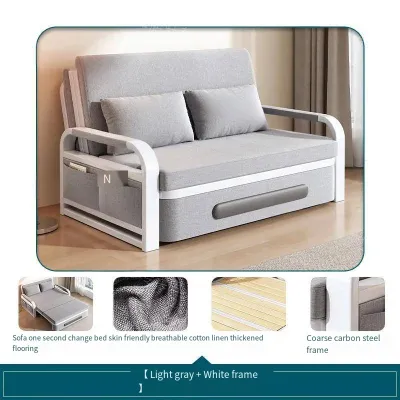
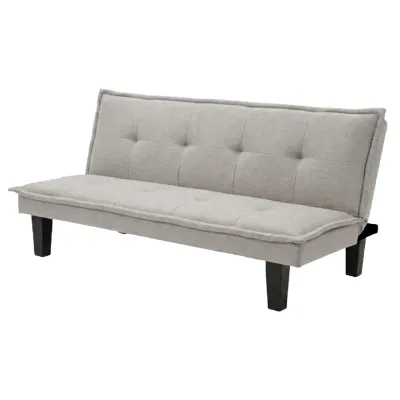
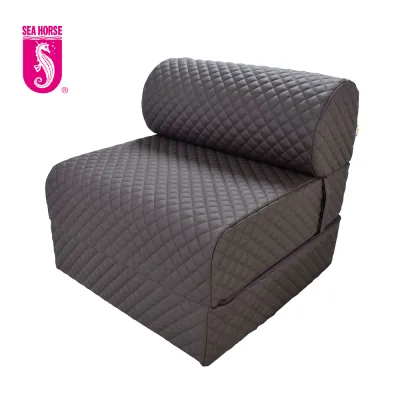
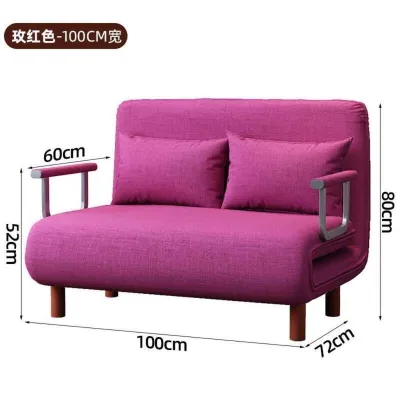
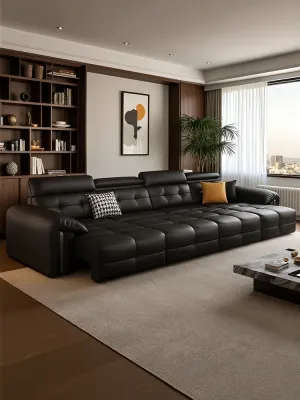
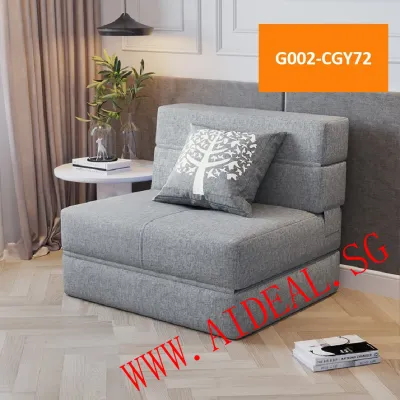
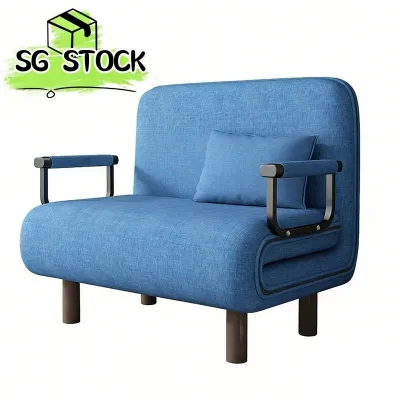
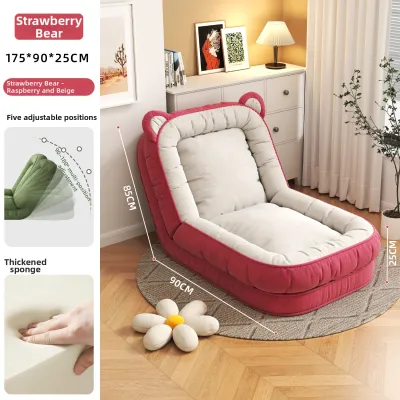
Prices are valid at publication and may change. Please refer to the product page for the latest price.
To meet these rigorous demands, a daily-use sofa bed must deliver on three core fronts: reliable seating comfort, supportive sleeping, and integrated storage. The seating must feature high-density foam or pocket springs that retain their shape over time. For sleeping, the support system must maintain spinal alignment and prevent pressure points. Integrated storage is equally critical for daily use, providing a convenient, dust-free compartment to stash pillows, sheets, and heavy duvets during the day, keeping your living area tidy and organized.
Standard, basic pull-out couches often fail the daily-use test because they are engineered primarily for occasional guest use. These budget-friendly models frequently feature thin foam cushions resting directly on metal bars or lightweight canvas decks. Over time, the foam compresses permanently, leaving sleepers feeling the hard support bars underneath. Furthermore, their lightweight metal linkages are prone to warping, bending, or slipping out of alignment under daily stress, making conversion increasingly difficult and eventually rendering the unit unusable.
Core Features to Evaluate Across Different Brands
To make an informed decision when comparing different brands in Singapore, you need to understand the structural and mechanical components that dictate long-term performance. Focus on the engineering behind the conversion mechanisms, the configuration of the storage compartments, and the composition of the mattress or cushion support systems.

Conversion Mechanisms and Ergonomics
Different folding systems require varying levels of physical effort and floor space. Click-clack systems are popular for their simplicity; you tip the seat forward until the hinge clicks, then lay it flat. However, they often require you to pull the sofa away from the wall before converting it, and they typically feature a prominent center seam that can be uncomfortable for daily sleeping. Pull-out systems use a rolling under-frame that extends forward, which is highly space-efficient but requires a smooth, unobstructed floor surface and high-quality casters to prevent scratching your flooring.
Fold-down or trampoline-style mechanisms unfold in multiple stages, often revealing a separate mattress. When evaluating these systems in-store, pay close attention to the physical effort required. High-quality brands often integrate gas-strut assistance or counterbalanced spring systems that reduce the lifting weight, allowing you to open and close the bed with one hand. Examine the hinges and joints for play or lateral wobble; smooth, heavy-gauge steel linkages indicate a mechanism built to withstand thousands of cycles without snagging or misaligning.
Integrated Storage Configurations
Storage configurations generally split into under-seat lift-up compartments (often called ottoman style) and side-drawer configurations. Under-seat lift-up storage utilizes the entire footprint of the sofa base, providing massive volume for bulky items. These compartments typically use hydraulic gas lifts to assist with lifting the heavy seat cushion. However, keep in mind that this storage is usually inaccessible once the bed is fully deployed, requiring you to retrieve your bedding before opening the mattress.
Side-drawer configurations offer easier access because you can slide them out even when the sofa is partially configured, but they generally provide less storage volume and lower weight capacities due to drawer runner limitations. Regardless of the style, ventilation is a critical factor. In Singapore’s humid climate, tightly sealed wooden or plastic storage compartments can trap ambient moisture, leading to musty odors or mildew on stored linens. Look for brands that incorporate ventilated panels, slatted bases, or breathable fabric linings in their storage areas to promote continuous airflow.
Mattress Quality and Support Systems
Your sleeping comfort depends heavily on whether you sleep directly on the sofa’s seat cushions or on a dedicated, hidden mattress. If the design requires sleeping on the seat cushions, the foam must be high-resilience and high-density (typically 30 to 35 kg/m³ or higher) to prevent sagging. If the design features a dedicated mattress that folds away, look for pocket-spring or high-density memory foam options. Pocket springs provide independent contouring and motion isolation, while memory foam offers excellent pressure relief, though it can retain heat if not formulated with open-cell technology.
Underneath the mattress, the support system plays a major role in both comfort and mattress longevity. Flexible wooden slatted bases are superior to solid platform bases because they flex under your body weight, providing active spinal support and reducing wear on the mattress. More importantly, slatted bases allow air to circulate freely beneath the mattress, preventing sweat and humidity from getting trapped, which is essential for maintaining a hygienic sleeping environment in tropical climates.
Navigating Sofa Bed Brand Categories in Singapore
Singapore’s furniture landscape offers diverse options ranging from global giants to specialized local boutiques. Understanding how these brands categorize their products helps you align your budget and spatial constraints with the right level of mechanical durability.
Mass-Market and Modular Furniture Retailers
Mass-market and modular retailers provide highly accessible, standardized solutions that fit easily into predictable floor plans. These brands excel at modular configurations, allowing you to purchase a basic three-seater sofa bed and later add a matching chaise lounge with built-in storage. Their price points are highly competitive, generally ranging from S$600 to S$2,000, making them attractive for budget-conscious homeowners or rental properties.
When buying from a mass-market retailer, it is crucial to read the warranty fine print. While a brand might advertise a 10-year warranty, this often applies only to the internal wooden frame, while the moving mechanical hinges, gas struts, and cushions may only be covered for 1 to 2 years. Before purchasing, verify the availability of replacement parts. Brands that sell individual replacement covers, cushion inserts, or hinge joints offer a significant advantage, as you can refresh a worn-out component without needing to replace the entire sofa.
Design-Led and Premium Local Brands
Premium and design-led brands focus on seamless aesthetic integration, high-grade structural materials, and superior comfort. These brands design their sofa beds to look identical to high-end designer sofas when closed, completely concealing the internal folding mechanisms. They achieve this by using slim, engineered steel frames and advanced hinge designs that fold away into compact cavities.
To justify their higher price points—which typically range from S$3,000 to S$7,000 or more—premium brands utilize top-tier upholstery and cushioning. Look for high-density pocket-spring systems wrapped in high-resilience foam, which mimics the feel of a traditional luxury mattress. Upholstery options often include premium, high-rub-count fabrics or top-grain leathers that are treated for stain resistance. For daily use, check the fabric’s Martindale rating; a score of 20,000 to 30,000 rubs or higher indicates excellent resistance to surface wear and pilling.
Space-Optimized and Compact Specialists
Space-optimized specialists cater directly to the tight layouts of modern HDB flats and studio apartments where every square centimeter is valuable. These brands specialize in zero-wall-clearance designs, meaning the sofa can sit flush against the wall and still convert into a bed without needing extra clearance behind the backrest. They also offer highly integrated multi-functional systems, such as sofa beds that fold down from a wall shelving unit or models with built-in, swing-away side tables.
Many of these specialized models feature modern conveniences like integrated USB charging ports, adjustable headrests, and hidden storage pockets within the armrests. While these units maximize utility in restricted spaces, their complex, multi-jointed mechanisms require precise manufacturing. When exploring these specialists, focus on the stability of the frame when fully extended. Ensure the unit does not tip or wobble when you sit on the outer edges, and verify that any integrated shelving or tables lock securely into place during conversion.
Comparing Multi-Functional Sofa Bed Specifications
To help you evaluate different models side-by-side, the table below outlines the typical specifications, mechanisms, and best-use cases across the three primary brand categories found in Singapore. Always verify the exact dimensions, weight capacities, and material certifications against the manufacturer’s current product labels and technical sheets before finalizing your purchase.
| Brand/Model Category | Conversion Mechanism | Storage Type | Mattress/Cushion Material | Best Suited For |
|---|---|---|---|---|
| Mass-Market Modular | Pull-out rolling frame or click-clack hinge | Under-seat lift-up (ottoman) or slide-out drawer | High-density polyurethane foam or basic innerspring | Budget-conscious buyers, guest rooms, or flexible modular living rooms |
| Design-Led Premium | Multi-stage fold-out with engineered steel frame | Concealed base compartments or matching storage ottomans | Pocket springs with high-resilience foam topper | Primary living rooms, design-focused homes, and daily sleepers prioritizing comfort |
| Space-Optimized Specialist | Zero-wall-clearance fold-down or vertical wall-bed integration | Integrated armrest pockets or modular shelving units | High-density memory foam or latex-blend mattress | Micro-apartments, small HDB study rooms, and tight spaces requiring maximum utility |
Practical Considerations for Singapore Homes
Integrating a daily-use sofa bed into a Singapore home requires careful spatial planning. Before looking at designs, measure your room’s exact footprint. A standard Queen-size sofa bed requires an extension depth of at least 200 to 220 cm from the wall. In a typical HDB bedroom or study measuring 3 meters by 3 meters, an extended bed can easily consume over two-thirds of the floor space. Ensure you maintain at least 50 to 60 cm of walking clearance around the extended bed so you can move comfortably without blocking access to wardrobes, air conditioning units, or balcony doors.
Singapore’s high relative humidity—frequently exceeding 80%—demands careful material selection to prevent mold and mildew. Avoid non-breathable bonded leathers, which trap body heat and are highly prone to peeling in humid conditions. Instead, opt for breathable synthetic polyesters, linen-polyester blends, or genuine top-grain leather. If you use the under-seat storage compartment, always ensure your sheets, pillows, and duvets are 100% dry before storing them. Trapping even slight moisture in an enclosed storage base will quickly lead to musty odors and mold growth.
Finally, do not overlook delivery and installation constraints, which are common hurdles in Singapore’s high-rise developments. Heavy-duty sofa beds with steel frames or integrated wall mechanisms are exceptionally heavy and bulky. Measure the height, width, and diagonal depth of your apartment lift, as well as the width of your front door and any tight corridor corners. Many premium and specialized sofa beds are delivered semi-assembled and require professional on-site assembly to ensure the frame is perfectly level and anchored correctly.
Maintenance and Care for Daily-Use Mechanisms
To keep your daily-use sofa bed operating smoothly and safely, implement a consistent routine of basic maintenance. Over time, household dust, fabric lint, and hair can accumulate in the tracks and hinges of the folding mechanism, increasing friction and causing premature wear. Vacuum the internal metal frame, tracks, and hinge joints weekly using a soft brush attachment. This simple step prevents debris from grinding inside the moving joints.
Periodically inspect the structural hardware. The vibrations and structural shifts caused by daily opening and closing can gradually loosen bolts and screws. Every six months, use a screwdriver or wrench to check and gently tighten all visible fasteners on the frame and mechanism. If your sofa bed features loose, double-sided cushions, rotate and flip them every few weeks to distribute physical wear and compression evenly, preventing localized sagging.
Always consult your product’s manual and the manufacturer’s care instructions before applying any lubricants or performing deep cleaning. If the conversion mechanism jams, drops suddenly, makes loud grinding noises, or feels unusually stiff, stop using it immediately. Forcing a jammed metal mechanism can bend the steel linkages out of shape, strip the gears, or pose a serious safety risk to your hands. Contact the manufacturer or a qualified professional technician to inspect and service the unit safely.
Frequently Asked Questions (FAQ)
Can a sofa bed completely replace a regular bed for daily sleeping?
Yes, a high-quality sofa bed can replace a regular bed, provided it is engineered specifically for daily sleeping. Look for models that feature a dedicated, independent mattress supported by a flexible wooden slatted base, rather than designs where you sleep directly on the seating cushions. The mattress should have a supportive core, such as pocket springs or high-density memory foam, to ensure proper spinal alignment. Basic click-clack or thin-foam models lack the necessary support and breathability for long-term daily use and may cause back discomfort over time.
How do I prevent mold in the under-seat storage?
To prevent mold in under-seat storage compartments, always ensure that all bedding, pillows, and linens are completely dry before placing them inside. Place several reusable silica gel packs or hanging moisture absorbers inside the compartment to collect ambient humidity. Additionally, make it a habit to leave the storage lid open for one to two hours every week, preferably while running an air conditioner or dehumidifier in the room, to encourage fresh air circulation and disperse trapped moisture.
What is the typical lifespan of a daily-use sofa bed mechanism?
An engineered, heavy-gauge steel mechanism from a reputable brand typically lasts between 7 and 10 years of daily conversion when maintained properly. In contrast, budget-friendly alloy joints or basic click-clack hinges may begin to show signs of misalignment, sagging, or mechanical fatigue within 2 to 4 years of daily use. To ensure long-term durability, look for brands that offer transparent, dedicated warranties specifically covering the moving mechanical parts and frame, rather than just the fabric upholstery.
Community discussion
Share your experience or ask a question. Comments are reviewed before publication.