
In a compact Singapore HDB living room, every square centimeter of floor space is highly valuable. Traditional side tables often block walkways or make a small living area feel cluttered and cramped. Utilizing your sofa’s armrests for storage is an excellent way to keep daily essentials like remote controls, reading glasses, tablets, and beverages within arm’s reach without sacrificing precious floor area. The key to success lies in selecting an organizer that matches your sofa’s specific dimensions, upholstery material, and your household’s daily habits.
Maximizing utility in compact living layouts requires selecting sofa armrest storage that aligns with your specific spatial constraints and daily habits. Rather than searching for a single universal solution, the most effective approach is to evaluate the physical dimensions of your sofa, the clearance of your room, and the types of items you need to keep within reach. This guide outlines the structural categories of armrest organizers and the critical checks needed to choose a stable, space-saving option without overcrowding your seating area.
Assessing Your Space and Sofa Dimensions
Before purchasing any sofa armrest storage accessory, you must take precise measurements of your existing furniture and the surrounding layout. Start by measuring the exact width of your sofa’s armrest. Use a firm measuring tape and measure across the flat top surface from the outer edge to the inner edge where it meets the seat cushion. If the armrest is rounded or sloped, note the degree of curvature, as this will dictate whether a rigid tray or a flexible fabric caddy is more appropriate.
Products mentioned in this guide
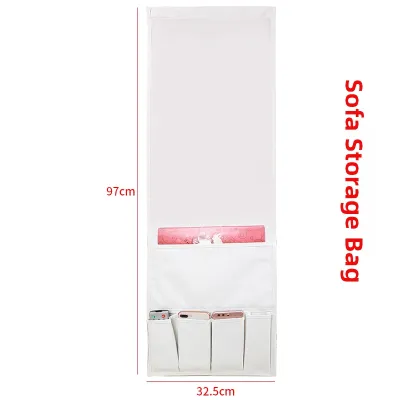
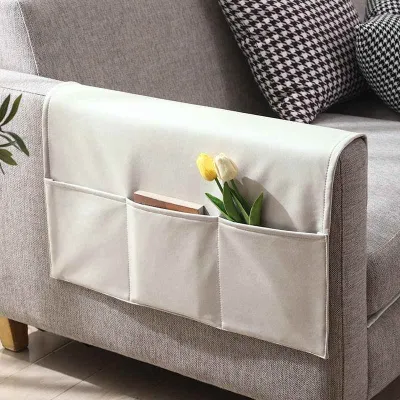
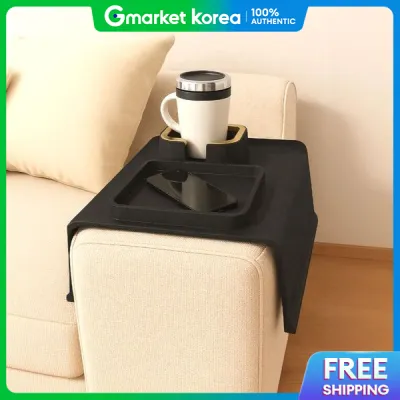
Prices are valid at publication and may change. Please refer to the product page for the latest price.
Next, measure the height of the armrest from the seat cushion and from the floor. This height determines how far a hanging organizer will drape down. If your sofa sits low to the ground or has deep cushions, a long fabric caddy might bunch up on the floor or get caught under the seat cushions, collecting dust and creating an untidy appearance.
Equally important is checking the side clearance around your sofa. In typical HDB layouts, sofas are often placed close to walls, TV consoles, or dining areas. Measure the distance between the outer edge of the armrest and any adjacent walls or furniture. If you have a reclining sofa, you must also account for the movement of the mechanism; an organizer that fits perfectly when the sofa is upright might get crushed or displaced when the footrest is extended.
Finally, identify the stability requirements based on your sofa’s upholstery material and frame structure. Smooth leather, synthetic leather, and tightly woven polyester fabrics offer different levels of friction. A heavy, rigid tray might slide easily on slippery leather but remain perfectly stable on a textured linen sofa. Understanding these physical characteristics beforehand prevents the frustration of buying an organizer that constantly slips or tilts.
Main Types of Sofa Armrest Storage Solutions
Sofa armrest storage solutions generally fall into three main structural categories, each designed to address different spatial constraints and storage needs. Choosing the right type involves balancing the need for a flat, stable surface against the flexibility required for narrow or unusually shaped armrests.

Rigid options, such as wooden or plastic trays, provide a stable platform for holding drinks and small plates but require a relatively flat armrest surface to function safely. Flexible options, such as fabric caddies, drape over the armrest and conform to its shape, making them highly versatile but less suitable for holding open liquids. Understanding these trade-offs is essential for finding a solution that integrates seamlessly into your daily routine.
Flat Trays and Convertible Tops
Flat trays and convertible tops are designed to transform the top of your sofa armrest into a functional mini-table. These solutions are ideal for holding stable items such as coffee mugs, small plates, or even a compact laptop. They are particularly well-suited for wide, flat armrests that provide a solid foundation for a rigid surface.
To ensure stability, many of these trays feature non-slip silicone backing, weighted side flaps that drape over the edges of the armrest, or spring-loaded clamp mechanisms that grip the sides of the sofa frame. Some models also include contoured edges or recessed cup holders to prevent items from sliding off if the sofa is bumped.
However, these rigid trays carry significant tipping risks when used on rounded, narrow, or highly sloped armrests. If the base of the tray does not make full contact with a flat surface, any uneven weight distribution can cause the tray to tilt, potentially spilling hot liquids onto your upholstery or floor. For narrow armrests, look for specialized trays with adjustable, weighted legs that can be customized to hug the specific contours of your sofa.
Fabric Caddies and Hanging Pockets
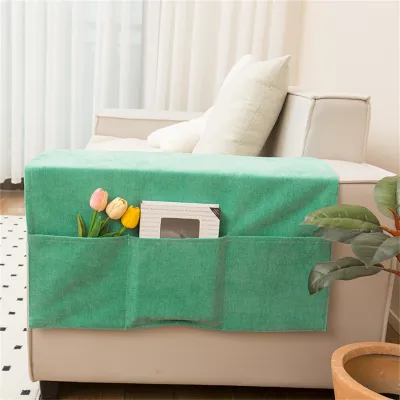
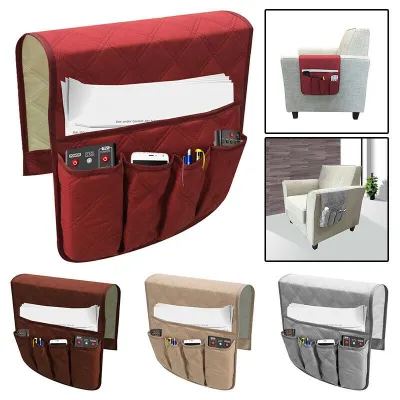
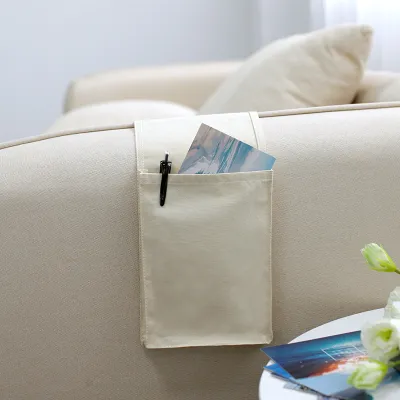
Fabric caddies and hanging pockets offer a highly flexible, space-saving alternative for storing lightweight, flat items. These organizers typically feature multiple pockets of varying sizes, making them perfect for keeping remote controls, reading glasses, tablets, magazines, and charging cables organized and out of sight.
These caddies are secured to the armrest using weighted flaps that drape over the outside, tuck-in tubes that slide deep between the seat cushion and the armrest, or anti-slip backing materials that grip the upholstery. Because they are made of flexible materials like felt, canvas, or cotton, they easily conform to rounded, narrow, or irregularly shaped armrests.
While fabric caddies excel at saving space, they do have limitations regarding weight capacity and structural rigidity. Overloading the pockets with heavy items can cause the caddy to slide off or pull the fabric taut, making it difficult to access the pockets. Additionally, fabric caddies offer no protection against liquid spills, so they should not be used to support open beverages unless they feature a specialized, rigid cup-holder insert.
Clip-On and Attachable Organizers
Clip-on and attachable organizers are engineered for maximum stability, making them an excellent choice for high-traffic living rooms or households with active pets and children. These organizers typically use spring-loaded clamp mechanisms, adjustable brackets, or tension-based designs to secure themselves firmly to the sofa’s armrest frame.
The primary benefit of a clip-on organizer is its resistance to slipping or sliding, even when subjected to sudden movements or bumps. This makes them highly reliable for holding beverages or electronic devices. They are particularly useful for sofas with narrow or sloped armrests where drape-over caddies or flat trays would easily slide off.
However, users must carefully evaluate the potential risks of damaging their sofa’s upholstery. Tight clamps can leave permanent indentations on soft leather or delicate fabrics, and metal brackets may scratch exposed wooden armrests. To mitigate these risks, look for clip-on organizers that feature thick rubber or silicone padding on all contact points to distribute pressure evenly and protect the underlying material.
Key Features to Check Before Buying
When shopping for sofa armrest storage on online marketplaces or in physical furniture stores, it is easy to be swayed by aesthetics alone. However, ensuring long-term utility requires a close inspection of several key product specifications and physical features.
First, verify the non-slip mechanisms and base materials of the organizer. Look for products that utilize high-friction materials such as silicone, textured rubber, or specialized felt backings. If you are choosing a drape-over caddy, check if it includes a weighted bar or a long tuck-in flap, as these features are critical for keeping the organizer balanced when pockets are filled unevenly.
Second, always check the manufacturer’s labels or product descriptions for weight capacity limits and load distribution guidelines. An organizer might look sturdy, but overloading one side can cause it to tilt or slide off entirely. Opt for designs that distribute weight evenly across both sides of the armrest, especially if you plan to store heavier items like tablets or multiple books.
Third, evaluate the ease of cleaning and the durability of the materials. Sofa armrests are high-contact areas prone to sweat, skin oils, and accidental spills. Removable, machine-washable fabric caddies or wipe-clean wooden and plastic trays are much easier to maintain over time. If you have pets, avoid delicate fabrics like silk or loosely woven polyester that can easily be snagged by claws; instead, opt for heavy-duty canvas, treated wood, or smooth silicone.
Finally, ensure that the organizer’s physical footprint does not interfere with the functionality of your sofa or adjacent furniture. The organizer should not block built-in cup holders, touch controls, or manual reclining levers. It should also be positioned so that it does not press uncomfortably against your leg or hip when you are seated on the end cushion.
Building Your Conditional Shortlist
To find the perfect sofa armrest storage for your HDB living room, you should map your specific daily needs and household dynamics to the most suitable product category. This systematic approach ensures you select an option that provides maximum utility without creating unnecessary clutter.
Begin by identifying the primary items you need to store. If your main goal is to have a safe place for your morning coffee or tea, a rigid flat tray with a recessed cup holder is the most logical choice. If you primarily need to organize multiple remote controls, reading glasses, and charging cables, a multi-pocket fabric caddy will serve you much better.
Next, consider your household dynamics. In homes with young children or active pets, drape-over fabric caddies or clip-on organizers with secure clamping mechanisms are generally safer than simple resting trays, which can easily be knocked over during play. If you frequently host guests, a convertible tray that can be easily folded and stored away when not in use offers excellent flexibility.
Use the following comparison table to evaluate how different storage types align with your specific requirements:
| Storage Type | Best Suited For | Armrest Compatibility | Key Advantage | Primary Limitation |
|---|---|---|---|---|
| Flat Trays | Beverages, snacks, laptops | Wide, flat armrests | Provides a stable, flat surface | High tipping risk on curved surfaces |
| Fabric Caddies | Remotes, tablets, reading glasses | All shapes (rounded, narrow, sloped) | Flexible, space-saving, multi-pocket | No inherent liquid protection |
| Clip-On Organizers | High-traffic areas, secure beverage holding | Narrow to medium flat/rounded armrests | Highly stable, slip-resistant | Risk of leaving marks on delicate upholstery |
Before making a final purchase, create a checklist to verify the product’s dimensions against your sofa’s measurements. Check the online marketplace’s return policy to ensure you can exchange or return the item if it does not fit your sofa’s armrest shape or upholstery material as expected.
Frequently Asked Questions (FAQ)
Can I use a sofa armrest tray on a rounded or sloped armrest?
Using a standard flat armrest tray on a rounded or sloped armrest is generally not recommended due to the high risk of instability and tipping. If the tray does not make full, flat contact with the armrest surface, any weight placed on it can cause it to slide or tilt, potentially spilling liquids or dropping fragile items. If your sofa has rounded armrests, look for specialized flexible wooden trays made of hinged slats that drape over and conform to the curve, or opt for a fabric caddy with a rigid, flat top insert designed specifically for curved surfaces.
Will hanging caddies damage leather or delicate fabric sofas?
Hanging caddies can occasionally cause wear or damage to delicate upholstery if not chosen and used carefully. On leather sofas, friction from a heavy caddy or rough backing materials can cause scuffing, color transfer, or permanent indentations over time. On delicate fabrics like velvet or silk, rough anti-slip backings can snag the fibers. To prevent damage, check your sofa manufacturer’s care instructions and look for caddies with soft, non-abrasive backings like microfiber or felt, and avoid overloading the pockets to minimize downward pressure.

Community discussion
Share your experience or ask a question. Comments are reviewed before publication.