
Smart coffee tables with built-in refrigerators represent a highly specialized, modern fusion of furniture and home appliances. In Singapore’s urban living spaces, where maximizing utility is key, these multi-functional pieces can serve as a beverage chiller, a charging station, a sound system, and a central design element. However, because these units combine active electrical cooling with structural furniture, there is no single “best” model that fits every home. Finding the right option requires a careful evaluation of your living room layout, ventilation requirements, and electrical setup. This guide outlines the essential selection criteria, technical specifications, safety protocols, and local sourcing strategies to help you make an informed, practical decision for your home.
Integrating an active appliance into the center of your seating area changes how you must plan your living room layout. Unlike a traditional wooden or metal table, a refrigerated unit cannot simply be placed anywhere without considering its operational needs. It requires continuous power, generates heat that must be dissipated, and introduces weight and noise factors that do not exist with standard furniture. By understanding these technical demands before you browse, you can avoid costly purchasing mistakes and ensure the table operates safely and efficiently in your home.
Key Considerations Before Buying a Refrigerated Coffee Table
Evaluating your floor space and the required clearance for ventilation is the most critical first step. Unlike traditional tables, a refrigerated coffee table houses an active cooling mechanism, such as a compressor or a thermoelectric system. These systems generate heat as they extract warmth from the interior drawers, and this heat must be expelled from the unit. To prevent overheating, the table must have adequate clearance around its ventilation grilles, which are typically located at the back or bottom. In a compact living room, placing the table too close to a sofa, wall, or heavy drapes can restrict airflow, leading to premature compressor failure or increased power consumption.
Products mentioned in this guide
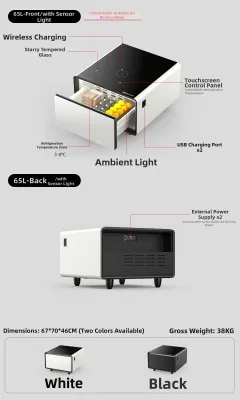
Prices are valid at publication and may change. Please refer to the product page for the latest price.
Power outlet proximity and cable management require careful planning before the table arrives. A refrigerated table must remain plugged in continuously to keep beverages cold, meaning you need a reliable power outlet nearby. Running an extension cord across the middle of the living room floor creates a significant tripping hazard and looks untidy. Homeowners should plan the layout so the table’s power cable can run directly to a wall outlet, perhaps concealed under a low-profile cable protector or routed beneath a modular sofa. If you are renovating, installing a floor-recessed electrical outlet directly beneath the intended spot of the coffee table is an excellent way to achieve a clean, cable-free look.
The structural weight of the unit and the load capacity of your flooring must also be assessed. These tables are substantially heavier than standard coffee tables due to the built-in compressor, insulation, glass drawers, and electronic components. When fully loaded with drinks and snacks, the total weight can easily exceed 50 to 80 kilograms. You must ensure your flooring—whether it is natural parquet, engineered wood, luxury vinyl tiles, or large-format porcelain tiles—can support this concentrated point load without denting, scratching, or cracking. Using wide, protective furniture pads under the legs can help distribute the weight more evenly.
Noise levels are another crucial factor to consider for a quiet living room environment. Because the table sits in the center of your relaxation zone, any operational noise will be highly noticeable during quiet evenings or movie nights. Compressors cycle on and off, producing a low hum or clicking sound, while thermoelectric fans run continuously to maintain temperature. If you value a completely silent living room for reading or quiet conversation, you must carefully evaluate the decibel ratings of potential models before purchasing. Testing a live model in a quiet showroom can give you a realistic expectation of the noise level.
Essential Specifications to Compare
When comparing different models, the cooling technology used is the primary specification to evaluate. Compressor-based systems offer powerful, rapid cooling and can reach much lower temperatures, making them ideal for keeping beers, soft drinks, and dairy products ice-cold even in a warm climate. However, they are heavier and can produce more noticeable cycling noises. Thermoelectric systems, on the other hand, are quieter and have fewer moving parts, but their cooling capacity is limited by the ambient room temperature. If your living room is not constantly air-conditioned, a thermoelectric fridge might struggle to keep drinks cold on a hot afternoon.

The durability and resistance of the table surface material are vital for daily use. The top surface of the table must withstand daily wear, hot coffee mugs, spilled liquids, and heavy objects. Common materials include tempered glass, sintered stone, and treated wood composites. Sintered stone and tempered glass are highly recommended because they resist scratches, are easy to wipe clean, and do not warp or stain when exposed to moisture or heat from a hot cup of tea placed directly above the refrigerated compartment. Wood composites require more care, as prolonged exposure to moisture can cause swelling or peeling of the veneer.
Reviewing the integrated smart features allows you to choose a model that aligns with your lifestyle. Modern models often come packed with extra features like dual wireless charging pads built into the tabletop, USB-A and USB-C charging ports, built-in Bluetooth speakers, and LED ambient lighting. When comparing models, verify the charging speeds of the wireless pads and check if the Bluetooth speakers can be controlled independently of the refrigerator power. Some advanced models also feature touch-control panels integrated directly into the glass top, allowing you to adjust temperatures and volume without needing a remote.
Internal fridge capacity and shelving configurations determine how practical the table will be for daily storage. Look closely at the drawer configurations to see if they match your entertaining habits. Some tables feature dual-zone drawers with independent temperature controls, allowing you to store wines at a moderate temperature in one drawer and soft drinks at a near-freezing temperature in the other. Check the physical dimensions of the drawers to ensure they can accommodate upright cans, standing wine bottles, or snack containers comfortably. Removable dividers and adjustable shelving are highly beneficial for customizing the space.
Installation, Safety, and Maintenance Requirements
Proper electrical safety is paramount when installing an appliance that combines water condensation risks with high-voltage electronics. Ensure the unit is plugged directly into a grounded wall outlet that is in good condition. Avoid daisy-chaining multiple extension leads or sharing the outlet with high-draw appliances like portable air conditioners or space heaters. Look for models that comply with local electrical safety standards and carry recognized safety certifications. Using a high-quality surge protector can also safeguard the table’s sensitive electronic control boards from sudden power fluctuations.
Floor protection is essential to prevent long-term damage from potential condensation, leaks, or heavy point loads. The temperature differential between the cold interior drawers and the warm, humid air can occasionally cause condensation to form on the outer frame or bottom of the unit. To protect sensitive flooring like natural parquet or laminate wood from moisture damage, consider placing a thin, non-slip, moisture-resistant protective mat or discrete coaster cups under the table’s legs or base. Regularly checking the floor underneath the unit for any signs of dampness is a good preventive habit.
Establishing a routine for cleaning cooling vents, filters, and the table surface will extend the lifespan of your appliance. Dust and pet hair can quickly accumulate in the cooling vents and condenser coils located near the bottom of the table. If these vents become clogged, the cooling efficiency will drop, and the system will work harder, increasing your electricity bill and shortening the appliance’s lifespan. Vacuum the vents monthly and wipe down the door gaskets with a damp cloth to ensure a tight, energy-efficient seal. Clean the tabletop surface with non-abrasive cleaners to avoid scratching the glass or stone finish.
Knowing when to stop use and consult a qualified technician is vital for home safety. If you notice unusual noises, such as loud rattling or grinding, a sudden drop in cooling performance, water pooling underneath the unit, or if the tabletop feels excessively hot to the touch near the charging zones, disconnect the power immediately. Do not attempt to dismantle the cooling system or repair the electrical wiring yourself, as this can void the warranty and pose a risk of electrical shock. Always contact the manufacturer’s authorized service center or a qualified appliance technician to handle repairs.
Where to Find and Verify Available Models
To find verified models, start by exploring specialized furniture showrooms and official brand websites. Visiting physical showrooms in Singapore is highly recommended, as it allows you to assess the build quality, drawer glide smoothness, and noise levels in person. Seeing the table firsthand helps you verify the actual finish of the tabletop and test the speaker quality before committing to a purchase. Official brand websites also provide detailed specification sheets and user manuals that you can download to verify installation clearances and power requirements.
When navigating major e-commerce platforms, exercise caution to ensure you are buying an authentic and safe product. Carefully read customer reviews, paying close attention to feedback regarding delivery condition, cooling performance, and long-term reliability. Verify that the seller is reputable, has high ratings, and offers genuine products rather than uncertified counterfeits. Be skeptical of deals that seem too good to be true, as low-cost models may lack proper electrical safety certifications or use inefficient cooling systems that generate excessive noise and heat.
Confirming local warranty coverage, correct plug types, and after-sales service availability is essential before finalizing your purchase. Ensure the model you purchase is configured for the local electrical system, which uses a 230V supply and a Type G plug. Avoid importing models directly from overseas markets that use different voltages or plug configurations without verifying compatibility, as using adapters on high-draw appliances can pose safety risks. Confirm that the seller provides a local warranty that covers both the electronic components and the compressor, and check if they have a local service center for repairs.
Budgeting appropriately in S$ while accounting for potential delivery and installation fees will prevent unexpected expenses. Smart coffee tables are premium items, with prices typically ranging from several hundred to over a thousand Singapore dollars (S$). When budgeting, factor in additional costs such as delivery fees, lift access surcharges (especially if your building’s lift cannot accommodate the heavy, bulky packaging), and professional assembly or setup services. Clarify with the retailer whether delivery includes bringing the unit into your living room and unboxing it, as the sheer weight of these tables makes self-handling difficult.
Frequently Asked Questions (FAQ)
Can a smart coffee table with a fridge be placed on a carpet?
Placing a refrigerated coffee table directly on a thick or high-pile carpet is generally not recommended. Carpets can block the bottom ventilation grilles, trapping heat underneath the unit and forcing the compressor to run continuously, which can lead to overheating and system failure. If you must place the table on a carpeted area, check the manufacturer’s clearance guidelines. You may need to place a rigid, flat, and breathable base—such as a tempered glass plate or a solid wooden board—underneath the table to elevate it and maintain a clear path for airflow.
Do the smart features drain the refrigerator's cooling efficiency?
In most well-designed smart coffee tables, the refrigeration system and the auxiliary smart features, such as Bluetooth speakers and wireless chargers, operate on separate internal circuits. This means using the speakers or charging your phone will not directly reduce the cooling power of the fridge. However, heavy use of wireless charging pads can generate localized surface heat on the tabletop. While this heat is usually isolated from the insulated refrigerated drawers below, it is always wise to consult the product manual to understand the unit’s thermal management and overall power consumption.
What should I do if the table surface gets condensation from the fridge?
In highly humid tropical climates, condensation can occasionally form on the exterior surfaces of the table, especially if the fridge drawers are opened frequently or if the door gaskets are not sealing properly. If you notice moisture, wipe it off immediately with a soft, dry microfiber cloth to prevent water spots or damage to the table’s finish. Inspect the rubber gaskets around the drawers to ensure they are clean, intact, and sealing tightly. If condensation continues to build up inside or outside the unit despite a clean seal, turn off the cooling function and contact the manufacturer for assistance.

Community discussion
Share your experience or ask a question. Comments are reviewed before publication.