
Finding the right storage solutions for compact Singapore apartments, such as HDB flats or condominiums, requires a strategic approach to furniture selection. A small wooden shelf offers a classic aesthetic and practical utility, but its success depends entirely on how well it integrates with your specific floor plan and wall structure.
To maximize limited square footage, homeowners must look beyond aesthetics and evaluate physical dimensions, load capacities, and installation requirements. Choosing the right style involves analyzing your room’s layout, identifying underutilized vertical or corner spaces, and ensuring the unit does not obstruct daily foot traffic.
This guide outlines the essential criteria for selecting small wooden shelves, compares the most effective space-saving designs for tight layouts, and details critical safety and maintenance practices tailored to Singapore’s unique climate.
Products mentioned in this guide
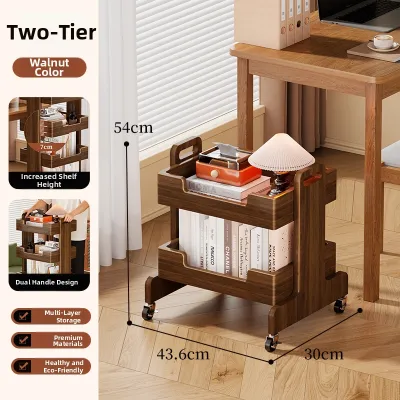
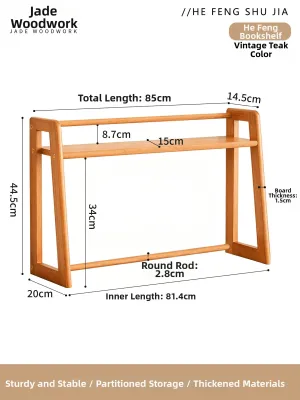
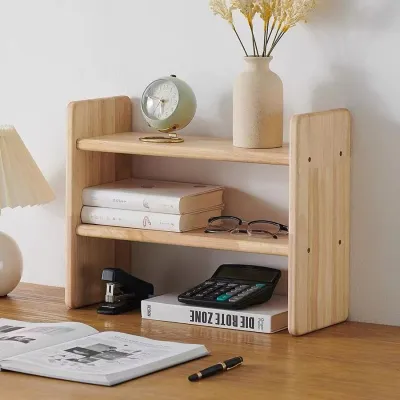
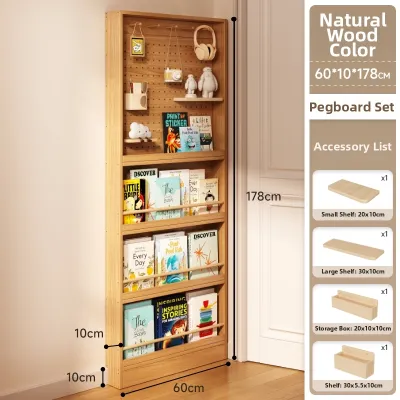
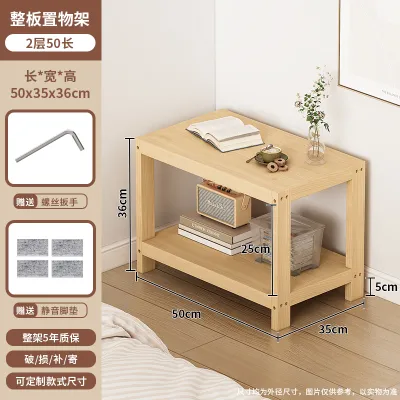
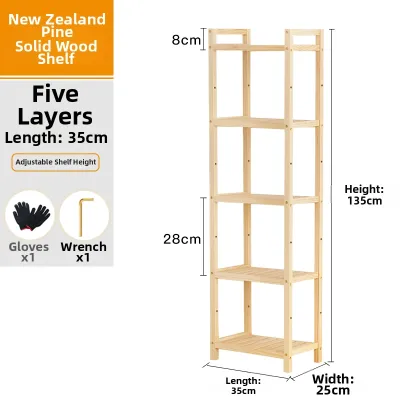
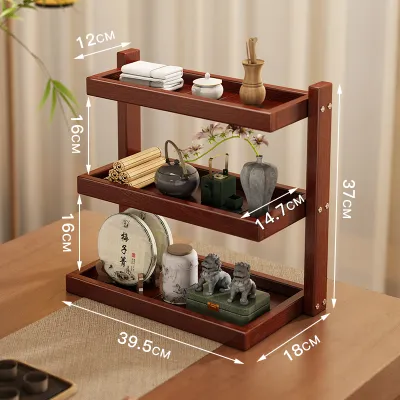
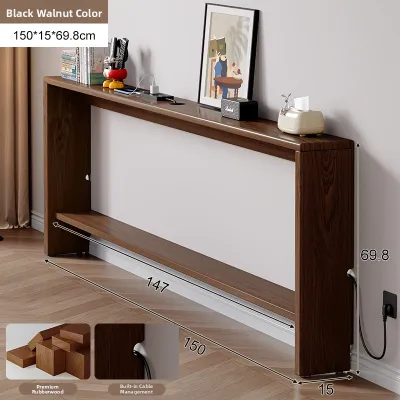
Prices are valid at publication and may change. Please refer to the product page for the latest price.
Key Criteria for Choosing Small Wooden Shelves
Before purchasing any shelving unit, precise physical measurements are mandatory. You must measure the designated wall or floor area, taking into account the height of skirting boards, which can prevent a freestanding shelf from sitting flush against the wall. Additionally, factor in the swing radius of nearby doors, the projection of window sills, and the location of electrical outlets to ensure the shelf remains fully functional without blocking access.
Rather than assuming a wood type automatically guarantees durability, buyers should inspect the manufacturer’s specified weight limits and the structural design of the joints. Look for robust joinery, such as dowel or mortise-and-tenon joints, and verify whether the surface has been treated with a protective sealant. Checking these specifications helps prevent sagging shelves and structural failures under the weight of books, decorative items, or storage boxes.
In high-rise residential buildings, the logistics of delivery and assembly are critical considerations. You must verify that the packaged or fully assembled shelf can easily fit through common corridors, passenger lifts, stairwells, and your apartment’s main entryway. Furthermore, align your choices with your budget in S$, keeping in mind that complex wall-mounted units may require professional installation fees that should be factored into the overall cost.
Space-Saving Wooden Shelf Styles for Tight Layouts
Selecting the right structural design is a matter of matching the shelf’s form to the specific spatial constraints of your room. Different layouts demand different configurations; a narrow hallway requires a completely different approach than an empty corner or a flexible rental bedroom.

By categorizing shelves into distinct structural types—wall-mounted, corner-fitting, and freestanding vertical units—you can systematically evaluate which design best addresses your storage bottlenecks. The following sections break down these styles to help you determine the most efficient layout for your home.
Wall-Mounted Floating Shelves
Wall-mounted floating shelves are highly effective for preserving valuable floor space and maintaining an open, airy visual flow throughout a room. By elevating storage off the ground, these shelves keep walkways clear, making them particularly suitable for narrow entryways, corridors, or compact study areas.
These shelves are ideal above desks, behind sofas, or as bedside alternatives where floor-standing furniture would restrict movement. However, successful installation depends on identifying your wall type—such as concrete, brick, or drywall—and using a stud finder or sensor to check for hidden water pipes and electrical wiring before drilling.
The primary limitations of floating shelves are their strict weight capacities and the absolute necessity of precise leveling during installation. Overloading a floating shelf or failing to secure its brackets properly can lead to wall damage or sudden failure, meaning they are best reserved for lighter decorative items, small books, or lightweight accessories.
Corner and L-Shaped Shelves
Corner and L-shaped shelves are designed to reclaim often-wasted angular spaces, turning awkward nooks into functional storage zones without encroaching on primary walkways. These units utilize the intersection of two walls, providing a stable and compact footprint that maximizes storage volume in tight rooms.
This style is highly suited for cozy reading corners, small dining alcoves, or compact kitchen areas where localized storage is needed for daily essentials. To ensure a proper fit, you must check that the corner walls are perfectly plumb and measure the exact angle, as even minor wall deviations can create unsightly gaps or cause installation misalignment.
While corner shelves are excellent space-savers, they do come with depth constraints that limit the size of items you can store. Additionally, if the unit is too bulky or tall for the specific alcove, it can create visual clutter and make a small room feel more confined than it actually is.
Tiered and Ladder Shelves
Tiered and ladder shelves offer a flexible, vertical storage solution that does not require permanent wall modifications, making them an excellent choice for renters or those who prefer adaptable layouts. These freestanding units lean against or stand independently along a wall, drawing the eye upward to emphasize vertical space.
They are ideal for living rooms, bedrooms, or home offices where you need high-capacity storage that can be easily rearranged or moved during a relocation. Because they do not require drilling into the wall structure, they preserve the integrity of rental properties while still offering multiple tiers of organizational space.
Stability is the primary concern for freestanding tiered shelves, requiring a careful check of the base footprint and the center of gravity when loaded. To prevent tipping hazards, it is essential to place heavier items on the bottom shelves and utilize manufacturer-provided anti-tip safety kits to secure the unit to the wall, especially in high-traffic areas.
Installation and Safety Checks for Compact Spaces
Proper installation is paramount to ensuring the safety and longevity of your shelving units, particularly in compact homes where space is shared closely with daily activities. When mounting shelves, you must select the correct wall anchors; standard plastic plugs are often insufficient for heavy loads, requiring heavy-duty toggle bolts or concrete anchors depending on the wall material. If you are uncertain about the structural composition of your walls, it is always safest to pause and consult a qualified handyman or installation professional.
Clearance planning is another critical safety step that prevents accidents and maintains a comfortable living environment. Ensure that mounted shelves do not protrude into designated walkways where they could cause bumps or bruises, and verify that they do not block access to light switches, electrical outlets, ventilation grilles, or emergency exit paths.
Environmental factors also play a significant role in shelf safety and preservation, especially in tropical climates. Avoid installing wooden shelves directly adjacent to unsealed windows, air conditioning units, or heat sources like kitchen stoves, as extreme temperature fluctuations and direct moisture exposure can cause the wood to warp, crack, or lose its structural integrity over time.
Caring for Wooden Shelves in Humid Climates
Maintaining wooden furniture in a humid tropical environment requires consistent, targeted care to protect the material from moisture-related damage. For routine cleaning, always use a dry or slightly damp microfiber cloth to remove dust and debris, avoiding harsh chemical sprays or abrasive cleaners that can strip away protective sealants and finishes.
Moisture management is critical to preventing long-term structural issues such as warping, mold growth, or finish degradation. Any liquid spills must be wiped up immediately with a dry cloth, and you should regularly inspect the joints and underside of the shelves for early signs of dampness or mildew, particularly during the monsoon seasons.
To protect the wood’s surface from localized moisture damage, always use protective coasters, trays, or waterproof mats under potted plants, cups, or cold drinks. These simple barriers prevent water rings from forming and stop condensation from seeping into the wood grain, ensuring your small wooden shelf remains beautiful and functional for years to come.
Frequently Asked Questions (FAQ)
Can I install a wooden shelf on a drywall partition?
Yes, you can install a wooden shelf on a drywall partition, but you must use specialized drywall anchors, such as toggle bolts or hollow wall anchors, rather than standard plugs. It is critical to strictly adhere to the manufacturer’s weight limits and, whenever possible, locate and secure the mounting brackets directly into the internal wall studs for maximum support. Avoid placing heavy books or bulky items on drywall-mounted shelves to prevent structural damage to the partition.
How do I prevent a freestanding wooden shelf from tipping over?
To prevent a freestanding wooden shelf from tipping, always secure it to the wall using the anti-tip brackets or straps provided by the manufacturer. Additionally, practice smart loading habits by placing your heaviest items, such as large books or storage boxes, on the bottom shelves to lower the unit’s center of gravity. Ensure the shelf is placed on a completely level floor surface, and use adjustable leveling feet if the floor is slightly uneven.
What is the best way to remove water stains from a wooden shelf?
For light, recent water stains, gently rub the area with a soft, dry microfiber cloth and a small amount of mild, wood-safe cleaner or a specialized wood polish. Avoid using abrasive scrubbing pads or harsh household chemicals, which can permanently scratch or strip the protective finish. If the water stain is dark, deep, or has penetrated beneath the sealant, it is best to consult a professional furniture restoration specialist to avoid causing further damage to the wood.

Community discussion
Share your experience or ask a question. Comments are reviewed before publication.