
Selecting the right capacity for an outdoor shoe rack bench requires balancing your household’s daily footwear habits with the physical constraints of your entryway. As a general rule, you should allocate space for two to four pairs of shoes per household member on an outdoor bench. For a typical household of three people, this translates to a bench that can comfortably hold six to twelve pairs of shoes. Choosing a bench with the correct capacity prevents cluttered entryways, protects your footwear from outdoor elements, and ensures you have a stable, functional place to sit while putting on your shoes.
Estimating Your Household's Baseline Shoe Storage Needs
To determine the exact capacity your outdoor shoe rack bench requires, start by calculating a baseline based on your household’s daily routines. Multiply the number of residents by the number of shoes each person wears regularly outside. In many active households, this includes daily work or school shoes, a pair of casual sandals or slippers for quick errands, and athletic or running shoes. A family of four, for instance, can easily accumulate eight to twelve pairs of active footwear that need to be accessed daily.
Beyond the immediate family, consider your lifestyle and how often you host guests. If you frequently entertain friends or relatives, having a designated lower shelf or an open under-bench area for guest footwear prevents shoes from piling up haphazardly near your front door. For households with growing children, keep in mind that their shoe sizes will increase rapidly, requiring larger slots or wider shelves over time. It is often wise to choose a bench with slightly more capacity than your current baseline to accommodate this growth.
Products mentioned in this guide
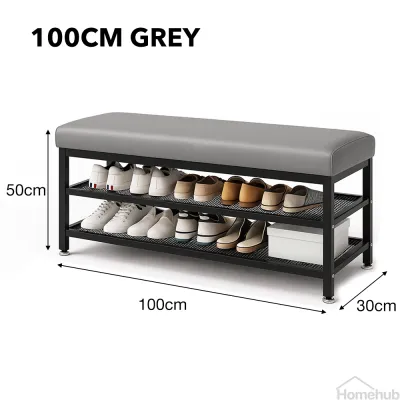
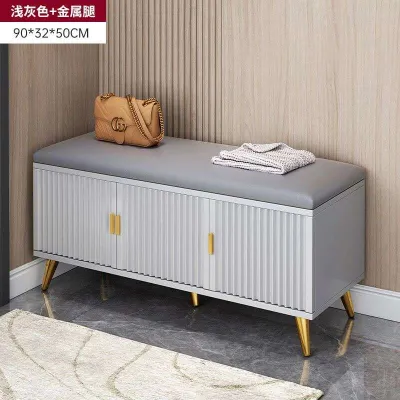
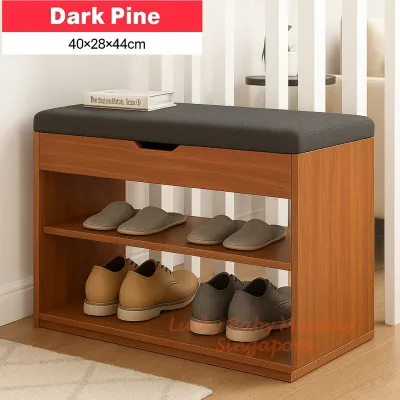
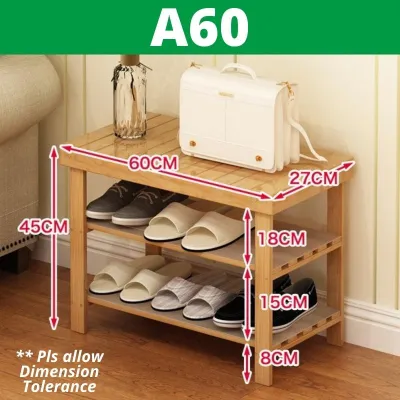
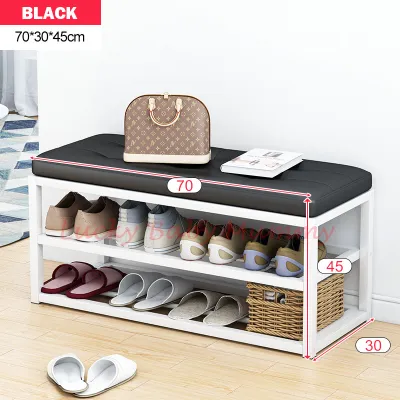
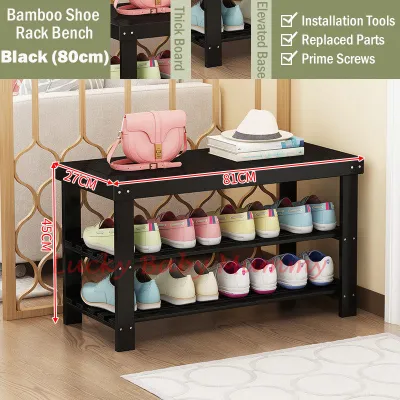
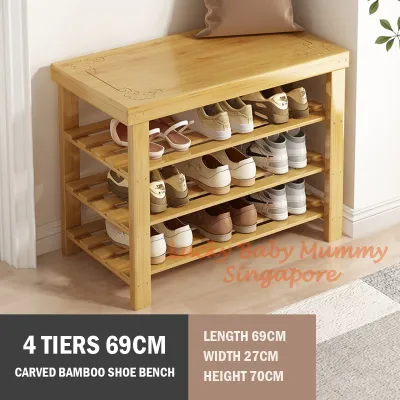
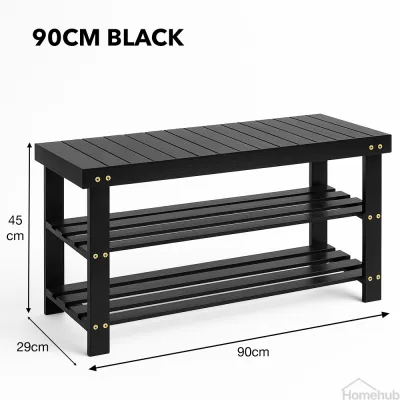
Prices are valid at publication and may change. Please refer to the product page for the latest price.
It is also important to differentiate between everyday grab-and-go footwear and specialized or seasonal gear. Heavy work boots, muddy gardening shoes, or sports cleats require more physical space and better ventilation than flat sandals or canvas sneakers. While everyday shoes can sit on standard shelves, bulkier items may require dedicated taller compartments. Storing off-season footwear or rarely worn dress shoes in an indoor closet rather than on your outdoor bench will help keep the outdoor storage area dedicated strictly to high-traffic items.
Balancing Storage Capacity With Outdoor Space Limits
While a high-capacity bench is highly functional, it must fit comfortably within the physical dimensions of your outdoor entryway, patio, or corridor. Before purchasing any furniture, measure the available footprint where you plan to place the bench. Note the maximum width, depth, and height clearance. If you live in a high-rise apartment or condominium, pay close attention to local estate guidelines or civil defence regulations regarding corridor clearance, ensuring your bench does not obstruct emergency evacuation routes or common walkways.

In addition to the physical footprint of the bench itself, verify the necessary operational clearances around it. Ensure there is enough space for your main entry door or security gate to swing fully open without hitting the bench. Walkway traffic should flow smoothly past the bench even when someone is sitting on it or when shoes are slightly protruding from the shelves. Proper ventilation is another critical spatial factor; leaving a small gap between the bench and the exterior wall allows air to circulate, which helps prevent moisture buildup and mold on both the wall and your footwear.
You must also evaluate the trade-off between seating capacity and the underlying storage configuration. A longer bench provides more seating space and wider shelves, but it requires a larger outdoor footprint. Conversely, a taller bench with multiple tiers can hold more shoes in a smaller footprint, but it might be less comfortable or stable to sit on. When selecting a bench, check the manufacturer’s specified load capacity to ensure it can safely support the weight of seated adults while fully loaded with shoes. If the bench is lightweight or tall, consider whether it requires anchoring to a wall or floor for stability.
Choosing the Right Shelf Configuration for Outdoor Footwear
The internal design of your outdoor shoe rack bench directly impacts how efficiently you can use its storage capacity. Fixed-tier designs with equal spacing are excellent for standard shoes like sneakers, flats, and sandals, but they can be restrictive if you need to store taller footwear. Choosing a bench with adjustable or removable shelves allows you to customize the height of individual compartments, making it easy to accommodate tall boots, high-top sneakers, or bulky work shoes without wasting vertical space.
Structural stability is paramount for outdoor furniture that doubles as seating. When a shoe bench is fully loaded with heavy, damp, or mud-caked outdoor footwear, the shelves must not sag or warp. Look for benches with robust support bars or reinforced shelving panels. Always check the manufacturer’s assembly conditions and joint designs; sturdy mortise-and-tenon joints or heavy-duty outdoor-rated screws generally offer better long-term stability than simple dowel connections. If you plan to assemble the bench yourself, ensure all fasteners are tightened securely to prevent wobbling.
For outdoor environments, the design of the shelves themselves is just as important as their capacity. Open or slatted shelf designs are highly recommended for outdoor use because they facilitate maximum airflow and drainage. Rainwater, morning dew, and sweat can easily trap moisture inside closed cabinets, leading to unpleasant odors and material degradation. Slatted shelves allow dirt, sand, and water to fall through to the ground rather than accumulating on the shelf surface, making the bench much easier to clean and maintain over time. Keep in mind that while material names like teak, eucalyptus, or powder-coated aluminum are popular for outdoor use, they do not automatically guarantee durability; you must verify that the specific product has an outdoor-rated protective finish and follow the manufacturer’s care instructions.
Avoiding Common Capacity and Sizing Mistakes
One of the most common mistakes when choosing an outdoor shoe rack bench is overestimating the usable vertical space without considering ergonomic seating height. A comfortable bench for sitting and tying shoes typically stands between 40 and 50 centimeters high. Attempting to squeeze three or four tiers of shoe storage beneath a standard-height bench often results in extremely narrow shelf clearances, making it difficult to slide shoes in and out without scraping your knuckles or damaging the footwear.
Another frequent oversight is ignoring the depth required for larger shoe sizes. Standard shoe racks are often designed for average shoe sizes, but larger athletic shoes, work boots, or men’s formal shoes require a deeper shelf to prevent them from overhanging. If shoes overhang, they can block walkways, interfere with door swings, or fall off the rack entirely. Measure the length of the largest pair of shoes in your household and compare it to the interior depth specifications of the bench before making a decision.
Lastly, fail-safe planning requires leaving adequate clearance for the assembly and delivery of the bench. If you purchase a pre-assembled bench, verify that its finished dimensions can easily pass through your doorways, lift doors, and tight corridor corners. For flat-packed benches, ensure you have a clear, flat outdoor space to assemble the unit safely. Taking these physical and operational clearances into account beforehand prevents the frustration of buying a bench that is either too large for your space or impossible to transport to its final location.
Frequently Asked Questions (FAQ)
How many pairs of shoes should I allocate per person for an outdoor bench?
For a practical and organized entryway, allocate space for two pairs of shoes per person on the outdoor bench. This typically covers one pair of daily-wear shoes (such as work or school shoes) and one pair of casual footwear (like sandals or slippers). Any additional footwear, such as seasonal boots, formal shoes, or specialized sports gear, should be stored in an indoor closet or a dedicated storage cabinet to prevent the outdoor bench from becoming overcrowded and cluttered.
Can I use an indoor shoe rack bench outdoors if it has the right capacity?
No, you should not use an indoor shoe rack bench outdoors, regardless of its storage capacity. Indoor benches are not built to withstand outdoor elements like high humidity, direct sunlight, rain, and temperature fluctuations. They often lack weather-resistant finishes, rust-proof hardware, and proper drainage designs, which can lead to warping, mold growth, rusting, and structural failure. Always check the manufacturer’s specifications to ensure the bench is explicitly rated for outdoor use.

Community discussion
Share your experience or ask a question. Comments are reviewed before publication.