
Maximizing vertical storage in a compact Singapore closet requires a strategic approach to selecting a shoe stack system. In space-constrained apartments, such as typical HDB flats or condominiums, built-in wardrobes often feature fixed shelving that leaves significant unused vertical space. Simply piling shoes on top of one another leads to scuffs, structural damage, and a cluttered closet floor that hinders daily routines. To resolve this, the ideal shoe stacking organizer must balance vertical space gains with ease of access, structural stability, and adequate airflow to combat local humidity. By evaluating your specific wardrobe dimensions, footwear collection, and the physical characteristics of different organizer types, you can implement a highly efficient storage system that keeps your shoes protected and accessible.
Key Selection Criteria for Compact Closets
Selecting the right shoe stack system for a compact closet involves analyzing several physical and environmental factors to ensure long-term functionality. The first critical dimension is shelf depth and vertical clearance. Standard built-in wardrobes in Singapore typically have a depth of 50 to 60 centimeters, but internal shelving may be shallower. You must measure the exact depth of your shelves to ensure that any stacking unit or individual shoe riser does not protrude and prevent sliding or hinged wardrobe doors from closing completely. Additionally, measure the vertical clearance between shelves; a stacker that is too tall will compress your footwear or fail to fit entirely.
Weight capacity per tier is another essential consideration, particularly if your collection includes structured leather shoes, heavy boots, or platform heels. Lightweight plastic organizers may bow or warp under the weight of heavier footwear, leading to instability and potential tipping. Look for manufacturers that specify weight limits, or opt for reinforced materials with sturdy joints and thick walls.
Products mentioned in this guide
![[SG Stock] Adjustable Shoes Rack Shoe Stacker Shoe Slots Shoe Storage Rack Anti Slip Footwear Holder Space Saving Shoe Box Shoe Organiser](https://img.lazcdn.com/g/p/fc7a332836062dc07720aa078b592af6.jpg_400x400q80.jpg_.webp)
Prices are valid at publication and may change. Please refer to the product page for the latest price.
In Singapore’s tropical climate, ventilation is a paramount concern for enclosed closet spaces. Storing shoes in airtight containers traps residual moisture and perspiration, creating an environment highly susceptible to mold growth and unpleasant odors. When evaluating stacking systems, prioritize designs that incorporate ventilation slots, open-back frames, or breathable materials to facilitate continuous airflow around your footwear.
Finally, consider the adjustability features of the organizer. A rigid, single-size shoe stack may accommodate flat sandals or sneakers but fail when storing high heels, ankle boots, or bulky athletic shoes. Systems with adjustable height settings or modular configurations allow you to customize the vertical spacing for each pair, maximizing space utilization without crushing delicate materials.
Types of Shoe Stacking Organizers to Consider
Vertical shoe storage solutions generally fall into four primary categories, each offering distinct advantages in terms of spatial efficiency, accessibility, and structural limits. Choosing the right type depends on whether you prefer open-air accessibility or enclosed protective stacking. While open designs offer rapid retrieval, enclosed systems provide superior protection against dust, provided they are managed correctly to prevent moisture buildup.

Adjustable Shoe Slots and Risers
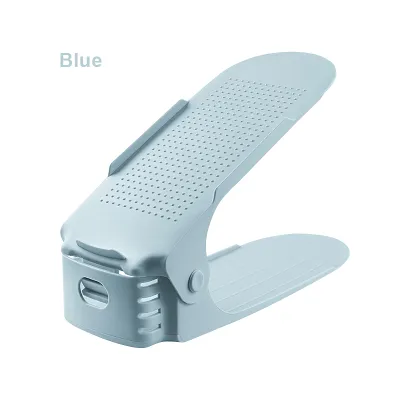
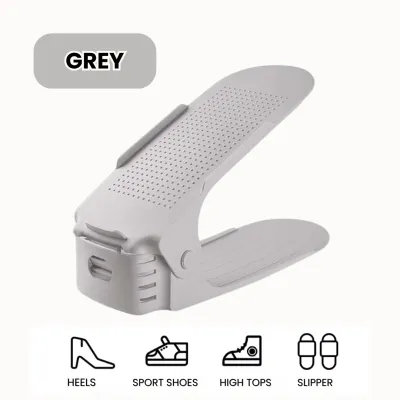
Adjustable shoe slots, often referred to as shoe space savers, are individual double-decker units designed to hold one shoe directly above the other on a single footprint. This design effectively doubles the capacity of a single shelf by utilizing the vertical space that would otherwise remain empty. These risers are highly suitable for flat shoes, low-profile sneakers, and sandals.
However, they present limitations when used for high heels, tall boots, or shoes with rigid ankle collars, as the upper shoe may press against the shelf above. Before purchasing, verify the base footprint of the riser against your shelf depth to ensure the unit sits securely without hanging over the edge. It is also wise to check for non-slip surfaces or heel guards on the risers to prevent shoes from sliding off.
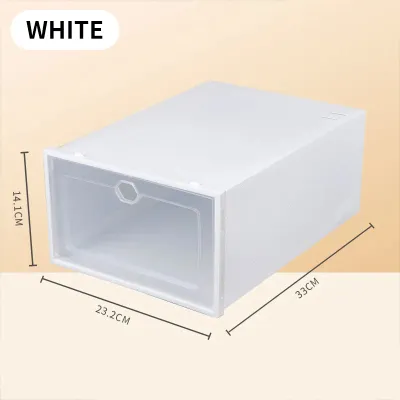
Stackable Clear Shoe Boxes
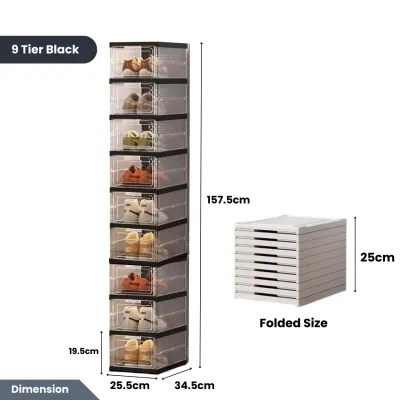
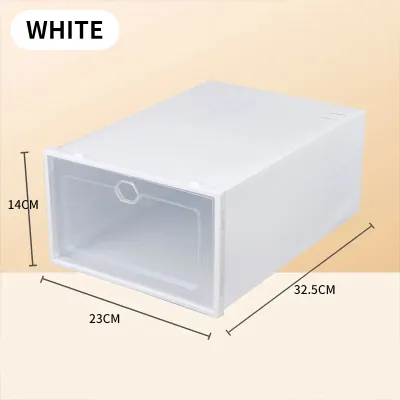
Stackable clear shoe boxes offer an enclosed, modular storage solution that protects footwear from dust while allowing clear visibility of the contents. These boxes are designed to interlock vertically, enabling you to build a custom storage wall within your closet or on the floor. To ensure safety, always check the manufacturer’s recommended stacking height and weight limits to prevent the lower boxes from buckling under the load.
For daily convenience, select boxes featuring drop-front or magnetic doors. This design allows you to retrieve a pair of shoes from the middle or bottom of the stack without having to unstack the entire column. Additionally, inspect the boxes for built-in ventilation holes or rear mesh panels to maintain airflow and mitigate moisture retention.
Tiered and Step Racks
Tiered and step racks are freestanding structures that feature multiple horizontal or slightly angled shelves, allowing you to stagger shoes vertically. These racks are highly efficient for utilizing the floor space at the bottom of a wardrobe or a dedicated corner of a walk-in closet. They provide excellent visibility and quick, grab-and-go access for frequently worn pairs.
When selecting a tiered rack, consider its stability on your closet floor, especially if you have uneven surfaces or wire shelving. Racks with adjustable leveling feet or those that can be anchored to the closet wall offer enhanced safety. Ensure the frame construction is rigid and that the shelves are made of solid panels or closely spaced mesh to prevent heels from slipping through.
Hanging and Over-Door Organizers
Hanging and over-door organizers utilize non-shelf vertical zones, such as the back of a closet door or the closet hanging rod. These systems typically feature fabric pockets or rigid plastic frames suspended by hooks. They are excellent for lightweight footwear, such as flats, slippers, and canvas sneakers, freeing up valuable shelf and floor space.
However, you must carefully evaluate the weight distribution limits on your closet door hinges or hanging rods. Overloading these organizers can cause doors to sag, misalign, or fail to close properly, and can bend standard closet rods. Ensure there is sufficient clearance between the closed door and the internal shelving so the organizer does not obstruct the door’s operation.
How to Measure and Plan Your Closet Space
A successful shoe stack installation relies on precise physical measurements rather than estimation. Begin by clearing your closet space to expose the bare shelves and floor area. Use a metal measuring tape to record the exact depth, width, and height of each shelf compartment. Measure the depth from the back wall to the front edge of the shelf, keeping in mind any door tracks, hinges, or sliding mechanisms that might reduce the usable depth.
Next, measure the vertical clearance between shelves. If your wardrobe has adjustable shelving, note the positions of the shelf support pins, as adjusting these can create taller compartments for boots or stackable boxes. Do not forget to account for physical obstructions such as baseboards at the bottom of the closet, protruding door handles, or hanging clothes that drape down from the rod above.
Once you have these dimensions, map out a layout plan on paper or a digital grid. Compare your measurements against the finished dimensions of the shoe organizers you are considering. Ensure you leave at least two to three centimeters of clearance around the sides and top of the organizers to allow for easy installation, removal, and adequate airflow. Planning this layout beforehand prevents overcrowding and ensures that your chosen system does not block pathways or access to other wardrobe sections.
Installation, Stability, and Maintenance Checks
Ensuring the long-term safety and functionality of your shoe stack system requires careful attention to installation and ongoing maintenance. When assembling modular units, such as stackable boxes or tiered racks, verify that all interlocking mechanisms, clips, or dowels are fully engaged and secure. For individual shoe slots, check that the anti-slip surface textures or front stoppers are functioning correctly to prevent footwear from sliding off.
Pay close attention to weight distribution and the center of gravity of your stacked system. Always place heavier footwear, such as boots and leather dress shoes, on the lowest tiers or shelves to create a stable base. Lighter shoes, such as sandals and canvas flats, should occupy the upper levels. If a freestanding rack or stack of boxes feels unstable or sways when touched, stop the installation immediately. Consult the manufacturer’s guidelines to check for wall-anchoring requirements or structural limits, and avoid stacking units higher than recommended.
Routine maintenance is essential to preserve both the organizers and your footwear. Periodically wipe down plastic, acrylic, or metal components with a damp cloth to remove dust and debris. If you notice any signs of material degradation, such as cracking plastic, loose joints, or sagging shelves, replace or repair the affected parts promptly to prevent a structural collapse.
Frequently Asked Questions (FAQ)
Can I stack heavy boots in standard plastic shoe slots?
Standard plastic shoe slots are generally not suitable for heavy or tall boots. These risers are designed for low-profile, lightweight footwear and typically lack the vertical clearance, base stability, and structural strength required to support heavy leather or structured boots. Attempting to force a tall boot into a standard slot can bend the plastic, cause the unit to tip over, or crease the boot’s shaft. For boots, it is highly recommended to use dedicated boot shapers to maintain their form and store them upright on a flat shelf, or utilize heavy-duty, extra-tall stackable boxes specifically rated for larger footwear.
How do I prevent odors when using stackable clear shoe boxes?
Preventing odors in enclosed stackable clear shoe boxes requires active moisture management. Never place damp or freshly worn shoes directly into an enclosed box; allow them to air dry completely in a well-ventilated area first. You can place silica gel packets, activated charcoal sachets, or small moisture absorbers inside each box to capture residual humidity. Additionally, select shoe boxes designed with integrated ventilation holes or rear mesh panels to promote continuous airflow. Periodically opening the box doors during dry days also helps refresh the internal environment and prevents mold growth.

Community discussion
Share your experience or ask a question. Comments are reviewed before publication.