
Finding a high-quality shoe rack with installation in Singapore is one of the most practical decisions you can make when organizing your home. Entryways in Singaporean apartments—whether a cozy BTO flat, a spacious condominium, or a landed property—are high-traffic zones where clutter accumulates rapidly. While buying a flat-pack organizer online seems convenient, the reality of assembling a multi-tiered cabinet with dozens of interlocking panels, hinges, and screws can quickly turn into a frustrating weekend project. Opting for a professional installation service ensures your furniture is assembled correctly, sits level on your floor, and remains structurally sound for years to come.
Many local furniture brands, regional retailers, and custom carpentry firms offer bundled delivery and assembly services to streamline this process. By choosing a shoe rack with installation, you bypass the physical strain of DIY assembly and gain peace of mind knowing that heavy or tall units are safely secured. This guide breaks down how to find these services in Singapore, what hidden costs to watch out for, and how to prepare your entryway for a seamless installation.
The Value of Professional Installation for Shoe Storage
DIY assembly often looks straightforward on paper, but the reality of putting together a shoe cabinet can be highly challenging. Large storage units require precise alignment of multiple structural panels, backboards, and shelves. Without the proper tools or experience, it is easy to misalign panels, strip screw holes, or install door hinges unevenly, resulting in doors that sag or fail to close properly. Professional installers carry specialized tools and possess the experience to assemble complex pieces efficiently, saving you hours of frustration.
Products mentioned in this guide
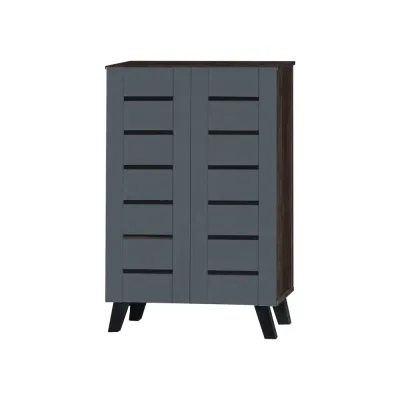
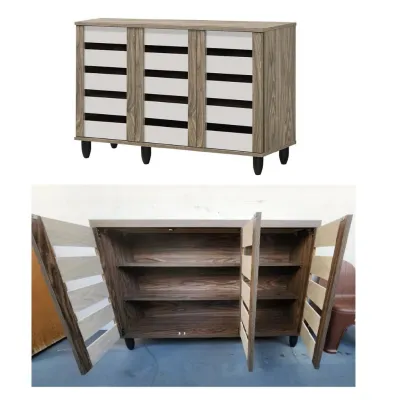
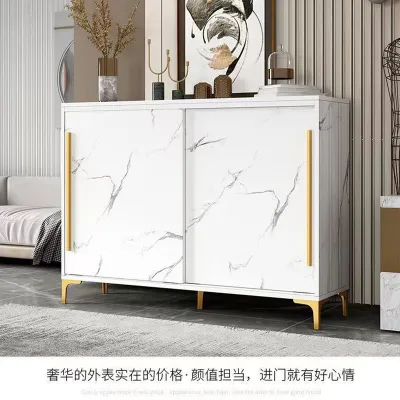
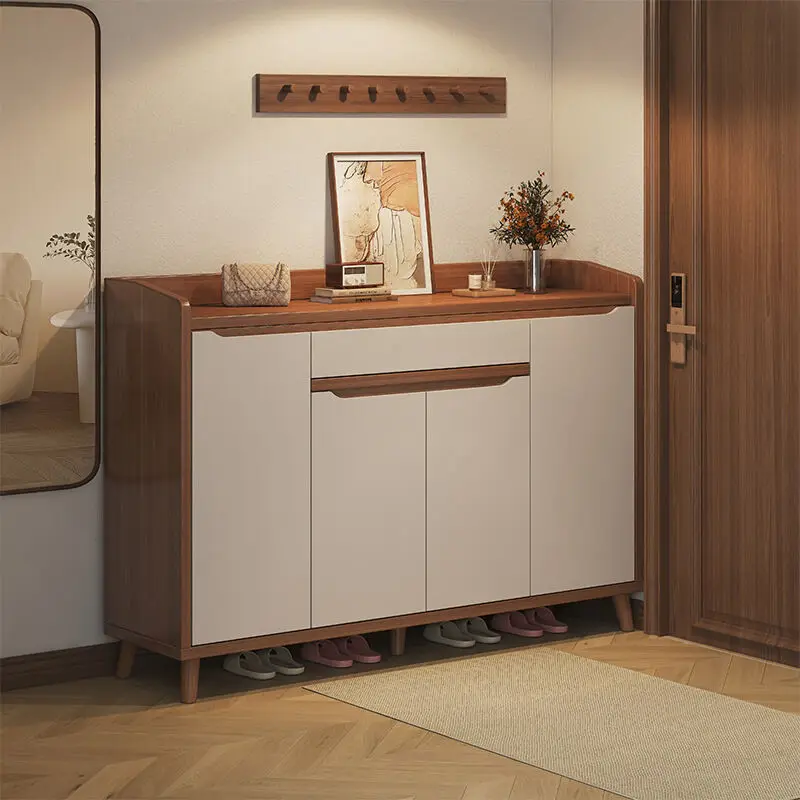
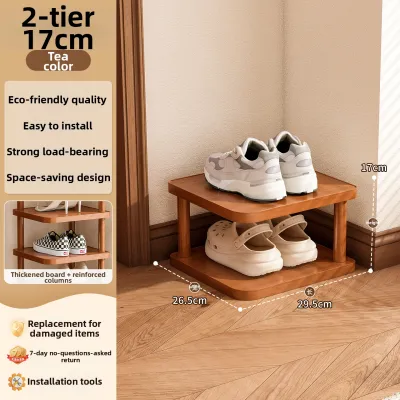
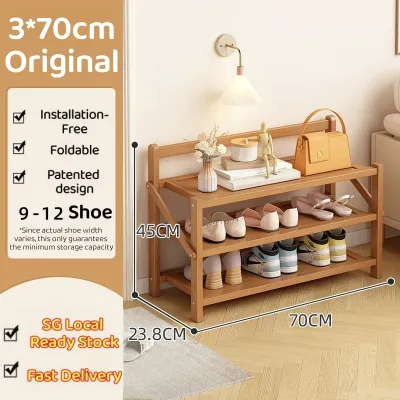
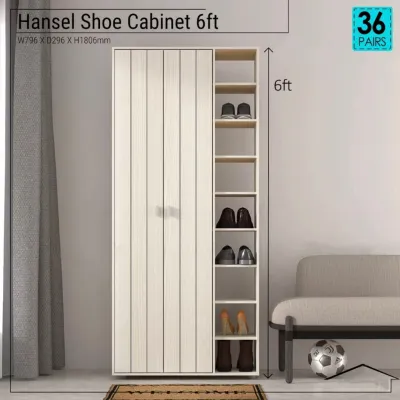
Prices are valid at publication and may change. Please refer to the product page for the latest price.
For heavy, modular, or multi-door shoe cabinets, professional handling is virtually essential. These units are constructed from dense materials like engineered wood, medium-density fibreboard (MDF), or solid wood, making individual panels heavy and awkward to maneuver alone. A professional team handles these heavy components safely, minimizing the risk of personal injury or accidental damage to your newly purchased furniture and home interior during the assembly process.
Structural stability and safety are the most critical reasons to opt for professional installation, particularly in busy household entryways. Tall or shallow shoe cabinets have a high center of gravity, making them prone to tipping over if they are overloaded or bumped. Professional installers can assess the stability of the unit, ensure it is perfectly level on uneven flooring, and perform necessary wall-anchoring to eliminate tipping hazards, protecting children, pets, and family members from accidents.
How to Find Brands Offering a Shoe Rack with Installation
When searching for a shoe rack with installation in Singapore, start by exploring the official websites and physical showrooms of established local furniture retailers. Showrooms located in major industrial and retail hubs—such as Ubi, Tai Seng, Sungei Kadut, and Toh Guan—allow you to inspect the build quality firsthand. Look for clear service indicators on their websites or promotional materials, such as “white-glove delivery,” “free assembly,” or “full-service installation,” which indicate that the brand handles the entire setup process.

If you prefer shopping on online marketplaces or local e-commerce platforms, you can identify full-service options by using specific search filters. Many digital storefronts allow you to filter products by “seller delivery” or “installation included.” Be sure to read the product description carefully, as reputable sellers will explicitly state whether assembly is included in the purchase price or if it must be added to your cart as a separate service option before checkout.
It is important to understand how different brands structure their pricing for delivery and assembly. Some premium retailers bundle the cost of installation directly into the base retail price of the shoe rack, presenting a single, hassle-free fee. Other mid-tier or budget-friendly brands keep their product prices low but charge a separate, tiered add-on fee for assembly at checkout, which typically ranges from S$30 to S$80 depending on the size and complexity of the cabinet.
Your choice of retailer will also dictate the type of assembly team you work with. Local carpentry firms and established regional furniture brands almost always utilize their own trained, in-house installation teams, ensuring consistent service quality and deep familiarity with the product line. In contrast, budget-focused brands or overseas sellers on ecommerce platforms often outsource these tasks to third-party local handymen, which may result in variable service standards.
What to Verify Before Booking Your Installation Slot
Before finalizing your purchase and scheduling an installation date, you must clarify several logistical and structural details. Failing to verify these factors beforehand can lead to unexpected surcharges, delivery delays, or an improperly fitted cabinet that does not suit your entryway.
Service Coverage and Hidden Fees
Always check if the retailer enforces a minimum spend threshold to qualify for complimentary installation. Many brands in Singapore offer free delivery and assembly only when your total order exceeds a specific amount, such as S$150 or S$300; orders below this limit will incur a standard service fee.
Be aware of potential access surcharges that apply to specific housing layouts. If you live in an older HDB estate, a walk-up condominium, or a landed property where the delivery team must carry heavy panels up stairs due to a lack of lift access, most brands charge a staircase fee. This fee is typically billed at S$10 to S$20 per floor, per item, and must be declared during the booking process.
Finally, verify whether the installation service includes the disposal of your old furniture and the cleanup of packaging materials. While almost all professional teams will pack up and remove the cardboard boxes and styrofoam your new shoe rack arrived in, very few will dispose of your old shoe rack for free. If you require disposal services, expect to pay an additional fee, or alternatively, coordinate with your local Town Council for free bulky item removal if you reside in an HDB flat.
Site Preparation and Space Constraints
Accurately measuring your designated entryway or foyer space is a crucial step before the delivery team arrives. You must measure the available width, depth, and height of the area, taking into account the thickness of your wall’s skirting boards. Skirting boards can prevent a flat-backed shoe cabinet from sitting flush against the wall, potentially leaving an unsightly gap or affecting the stability of the unit.
Do not limit your measurements to the final resting spot of the shoe rack; you must also evaluate the delivery path. Measure the width of your front door, the clearance of corridor turns, and the interior dimensions of your estate’s elevator. If you are purchasing a large, pre-assembled, or semi-modular shoe cabinet, the delivery team must be able to maneuver the unit through these tight spaces without damaging your walls or the product itself.
Additionally, inspect the installation site for any permanent household fixtures that could obstruct the cabinet. Take note of the location of electrical distribution board (DB) boxes, water meters, light switches, intercom units, and floor drainage traps. Your shoe rack must not block access to these essential utilities, and you must ensure there is sufficient clearance for cabinet doors or drawers to open fully without hitting adjacent walls or doors.
Wall-Mounting and Safety Considerations
If you are purchasing a tall, narrow shoe cabinet or a floating unit, wall-anchoring is highly recommended to prevent tipping hazards. You must verify with the retailer beforehand whether their installation team provides wall-anchoring as part of their standard service package, as some brands do not offer drilling services due to liability restrictions or may charge an extra fee for wall-mounting.
Identifying your wall type is essential for a safe installation. Singaporean homes feature various wall structures, including solid reinforced concrete (common in HDB bomb shelters and structural walls), hollow brick, and drywall or plasterboard partitions (frequently found in newer condominiums). Solid concrete walls require heavy-duty masonry drills and robust wall plugs, whereas drywalls require specialized hollow-wall anchors or toggle bolts to distribute weight safely and prevent the screws from pulling out under load.
Before any drilling begins, you must ensure that the installation site is free of hidden hazards. Advise the installation team of any known water pipes or electrical conduits running behind the plaster. Professional installers typically use wall scanners or stud finders to locate wooden studs and avoid drilling into live wires or utility lines, ensuring the structural integrity of your home remains uncompromised.
Shoe Rack Styles That Typically Include Installation
Different styles of shoe storage demand varying levels of structural support and assembly expertise. Understanding these categories will help you choose a style that matches your storage capacity needs and aligns with the level of professional installation required.
Freestanding Modular Cabinets
Freestanding modular cabinets are high-capacity storage solutions that feature multiple doors, drawers, and adjustable internal shelving. These units are excellent for larger households with extensive footwear collections, as they allow you to customize the internal layout to accommodate everything from flat sandals to tall boots. Because they stand on the floor, they do not rely on wall strength for primary support, though tall designs should still be anchored.
Due to their size and complexity, freestanding modular cabinets almost always require professional assembly. These units consist of numerous interlocking pieces, soft-close door hinges, and drawer runner tracks that must be aligned with high precision. Established local furniture brands typically send experienced two-person teams to assemble these units on-site, ensuring that all doors are perfectly aligned and the entire structure is stable.
Wall-Mounted and Floating Shoe Racks
Wall-mounted and floating shoe racks are popular choices for modern, minimalist entryways. By elevating the cabinet off the floor, these designs create a light, spacious aesthetic and leave a convenient open gap underneath where you can slide everyday slippers or wet umbrellas. This style also makes sweeping and mopping your entryway floor incredibly easy, as there are no cabinet legs to clean around.
However, floating shoe racks demand exceptionally precise installation to ensure safety and longevity. Because the entire weight of the cabinet and your shoe collection is suspended, the unit relies entirely on heavy-duty wall brackets and precise leveling. Professional installers are crucial for these designs, as they can calculate the load-bearing capacity of your wall, select the appropriate heavy-duty fasteners, and ensure the rack is mounted perfectly level.
Custom-Built and Carpentry Shoe Cabinets
For homeowners seeking a seamless, integrated look that maximizes every square inch of available space, custom-built carpentry is the premier option. Custom shoe cabinets are designed and fabricated to fit your exact entryway dimensions, extending from floor to ceiling if desired. This approach eliminates awkward gaps where dust can accumulate and allows you to match the cabinet’s laminate finish perfectly with your home’s interior design.
Custom carpentry inherently includes professional installation as a core part of the service. Skilled carpenters will install the unit on-site, scribing the edges of the cabinet to fit flush against uneven walls or ceilings. Furthermore, custom designs allow you to integrate specialized features such as built-in bench seating, decorative display niches with warm LED lighting, or ventilation grilles that promote airflow and prevent moisture buildup—a crucial feature in Singapore’s humid climate.
From Checkout to Final Inspection: Your Installation Checklist
To ensure a smooth and successful installation process, you should follow a structured checklist from the moment you complete your purchase to the final sign-off in your home.
At the point of checkout, confirm the exact scope of the installation service in writing. Verify whether the fee you paid covers assembly only, or if it also includes wall-mounting, leveling, and sealing any gaps with silicone caulking. Having these details clearly outlined on your invoice prevents misunderstandings on delivery day.
When scheduling your delivery and installation slot, plan well in advance. Lead times for furniture delivery in Singapore can stretch from a few days to several weeks, particularly during peak moving seasons, such as the run-up to major holidays like Chinese New Year or during peak BTO key collection periods. If you reside in a condominium, remember to check your managing agent’s (MCST) guidelines, as many private estates restrict noisy drilling and delivery activities to specific weekday hours and require a refundable security deposit before allowing contractors on-site.
Once the installation team completes their work, perform a thorough final inspection before they depart. Use the following checklist to verify the quality of the installation:
- Check door alignment: Open and close all cabinet doors to ensure they align perfectly, swing smoothly, and close securely without rubbing against each other or the frame.
- Test drawers and pull-out trays: Slide all drawers and shoe trays fully out and back in to verify that the runner tracks operate smoothly and do not stick.
- Verify structural stability: Gently shake the cabinet from the top and sides to ensure it is stable and does not wobble. If the unit is wall-mounted or anchored, check that the brackets are tight and flush against the wall.
- Inspect for physical damage: Examine the exterior and interior surfaces of the cabinet for any scratches, chipped laminate, or dented corners that may have occurred during transit or assembly.
- Confirm site cleanliness: Ensure the installation team has swept up any drilling dust, wiped down the cabinet, and cleared away all cardboard boxes, plastic wrap, and leftover hardware.
Frequently Asked Questions (FAQ)
Do all furniture brands in Singapore include installation in the delivery fee?
No, standard delivery and professional installation are typically treated as two separate services in Singapore. Standard delivery often only covers the transport of flat-pack boxes to your doorstep or building lobby. Assembly and installation are frequently billed as premium add-on fees, or they may be offered on a complimentary basis only if your purchase meets a specific minimum spend threshold. You should always review the retailer’s shipping and assembly policy during checkout to confirm what is included.
Can I hire a third-party handyman if my chosen brand does not offer installation?
Yes, hiring a third-party handyman is a highly practical solution if you purchase a flat-pack shoe rack from a brand that does not offer assembly services. Numerous local handyman services and home maintenance platforms operate in Singapore, allowing you to book experienced assemblers easily. However, you must check the brand’s warranty terms before doing so, as many manufacturers will void the warranty if the furniture is damaged during assembly by an unauthorized third party.

Community discussion
Share your experience or ask a question. Comments are reviewed before publication.