
Finding the perfect shoe rack bench storage for your home is a balancing act between maximizing storage capacity and preserving precious entryway space. In Singapore, where space in HDB flats and condominiums is highly optimized, an oversized bench can quickly turn a narrow foyer into a cramped bottleneck. Conversely, an undersized bench leads to an unsightly pile of shoes spilling onto the floor, creating tripping hazards and clutter. To choose the right capacity, you must systematically evaluate your household’s daily footwear habits, translate those needs into physical dimensions, and measure your entryway constraints.
Assess Your Household's Shoe Storage Needs
To determine the ideal capacity, start by auditing the shoes your household actually wears on a daily basis. A common mistake is trying to store every single pair of shoes the family owns on the entryway bench. Instead, designate the bench strictly for active footwear—the pairs worn multiple times a week, such as school shoes, work loafers, daily sneakers, and casual sandals. Off-season footwear, formal shoes, and specialized sports gear should be stored in main wardrobes or closed cabinets elsewhere in the home.
Next, factor in the specific dynamics of your household. If you have young children, remember that their shoes are small now but will require adult-sized slots within a few years. If you frequently host guests, family members, or service providers, it is wise to allocate a buffer space of at least two to three pairs so visitors have a clear place to set their footwear upon entering. Anticipating these changes prevents the bench from becoming obsolete as your family grows or your lifestyle shifts.
Products mentioned in this guide
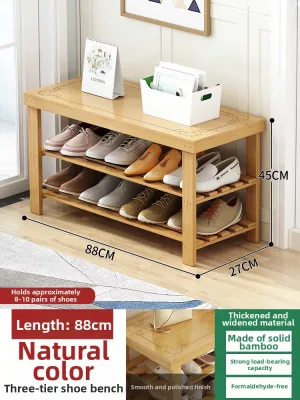
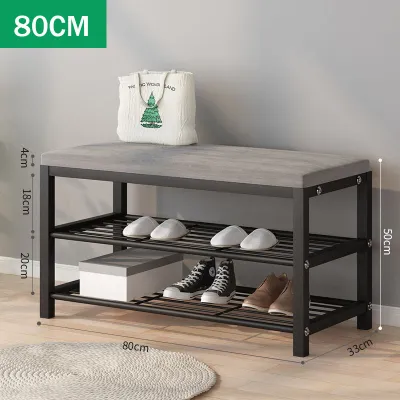
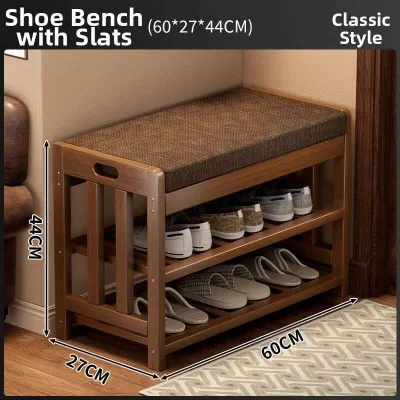
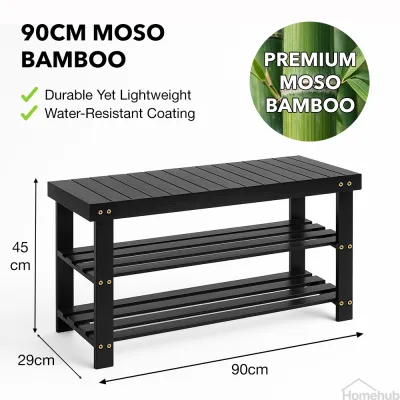
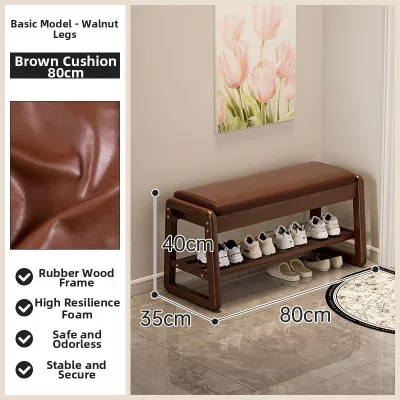
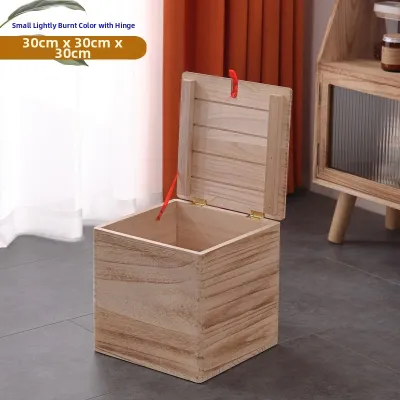
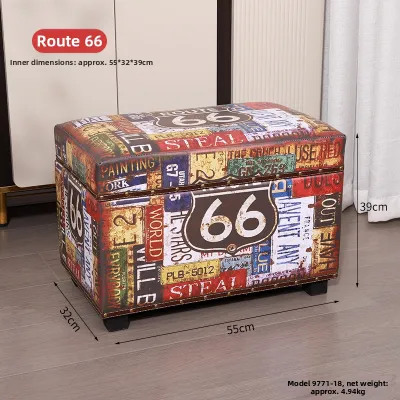
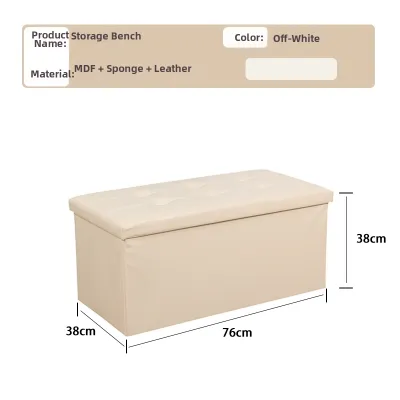
Prices are valid at publication and may change. Please refer to the product page for the latest price.
Finally, categorize your active shoes by their physical profile. Bulky running shoes, high-top sneakers, and boots occupy significantly more horizontal and vertical space than flat leather sandals, slippers, or canvas slip-ons. By grouping your shoes into bulky and flat categories, you can better estimate the actual physical footprint required. For instance, three pairs of wide athletic trainers will require a wider shelf than three pairs of slim office flats, even if the total pair count is the same.
Translate Shoe Volume into Bench Dimensions and Tiers
Once you have a clear count of the active shoes that need to live at the entryway, you can translate this volume into physical bench dimensions. Most standard adult shoes require a width of approximately 20 cm to 25 cm per pair. When browsing shoe rack bench storage options, do not rely solely on the overall external width of the furniture. Instead, check the manufacturer’s specifications for the internal shelf width to calculate how many pairs will realistically fit side-by-side on a single tier.

Bench depth is another critical dimension that directly impacts storage success. Standard entryway benches typically feature a depth of 30 cm to 35 cm. If members of your household wear larger shoe sizes—specifically men’s US size 10 (EU size 44) and above—a shallow bench may cause the heels or toes of the shoes to overhang the edge. This not only looks untidy but can also block sliding doors or catch on the clothing of people walking past. Verify the internal depth of the shelving to ensure your longest shoes can sit completely flat and flush.
The vertical spacing between tiers determines what types of footwear you can store. Many budget benches feature fixed shelves with a clearance of only 12 cm to 15 cm, which is perfectly fine for flats and low-profile sneakers but completely unusable for high-tops, ankle boots, or heels. To maximize versatility, look for benches that offer adjustable shelving heights or asymmetrical tier layouts. A bench with one taller compartment alongside several standard-height shelves allows you to store diverse shoe styles without wasting valuable vertical space.
Evaluate Entryway Space and Bench Placement
Before committing to a specific shoe rack bench, you must carefully measure your physical entryway to ensure a safe and functional fit. Use a measuring tape to map out the available floor width and depth. Be sure to account for architectural details such as skirting boards, baseboards, light switches, or uneven walls, which can prevent the bench from sitting completely flush against the wall and may steal a few centimeters of clearance.
Door swing clearances are a vital safety consideration in any home layout. The bench must be positioned so that the main entrance door can swing fully open without obstruction. Additionally, check the clearance for nearby closet doors, DB box cabinets, or adjacent room doors. A clear, unobstructed walking path of at least 70 cm to 80 cm should be maintained in front of the bench to allow household members to move freely, carry groceries, or navigate the space during an emergency evacuation.
The height of the bench is just as important as its footprint. A standard, comfortable seating height for most adults ranges between 40 cm and 48 cm. If the bench is too low, older adults or those with mobility issues may struggle to stand up; if it is too high, children may find it difficult to sit safely. Ensure that the height allows for comfortable seating while still leaving enough vertical room underneath for at least two tiers of functional shoe storage.
Balance Seating Comfort with Storage Capacity
A shoe rack bench serves a dual purpose: it is both a storage unit and a piece of seating furniture. To balance these two functions, consider how many people will need to sit on the bench at the same time. A single-seater bench typically measures between 60 cm and 80 cm in length, which is ideal for compact entryways. If your household experiences a morning rush where multiple family members need to put on their shoes simultaneously, a double-seater bench measuring 100 cm to 120 cm in length is a more practical choice, provided your entryway can accommodate it.
Because the bench will support the weight of sitting adults, structural integrity is paramount. Always check the manufacturer’s stated maximum weight capacity before purchasing. A high-quality bench should easily support the weight of at least one or two adults without bowing or wobbling. Look for robust joint construction, such as reinforced brackets or heavy-duty screws, and ensure the legs are equipped with leveling feet if your entryway floor is slightly uneven.
If you plan to add an aftermarket cushion for extra comfort, or if the bench comes with integrated padding, factor this thickness into your overall height calculations. A thick, plush cushion can add 5 cm or more to the seating height, which might alter the ergonomics of the bench. Ensure that the combined height of the bench frame and the cushion still allows your feet to rest flat on the floor, maintaining a comfortable and stable posture while you bend over to tie your shoes.
Common Capacity Mistakes to Avoid
One of the most frequent mistakes homeowners make is overlooking the vertical clearance required for taller footwear. When a bench only features fixed, narrow shelves, high-top sneakers, boots, and heels are often forced onto their sides, which can crease the material and ruin the shape of the shoe. Alternatively, these taller shoes end up piled on top of the seating surface, completely eliminating the bench’s primary function as a place to sit.
Another common error is assuming that all entryway benches share a universal depth. Many decorative or ultra-slim benches are designed solely for small children’s shoes or flat slippers, featuring a depth of less than 28 cm. Placing adult athletic shoes on these shallow shelves results in significant overhang, creating a constant tripping hazard in narrow corridors. Always measure your longest pair of shoes and compare that measurement directly to the internal shelf depth before making a decision.
Finally, do not ignore the critical need for ventilation, particularly in warm and humid climates. Enclosed shoe cabinets or benches with solid doors and backs trap moisture from sweaty feet or rainy-day puddles, creating a breeding ground for mold, mildew, and unpleasant odors. To keep your footwear fresh and protect the structural integrity of the bench, opt for open slatted shelves, wire mesh tiers, or doors with louvred panels that encourage continuous airflow.

Community discussion
Share your experience or ask a question. Comments are reviewed before publication.