
Quick Guide to Space-Matching Storage Cabinets
Finding the right balance between storage capacity and living comfort is a common challenge in modern Singapore apartments. With HDB flats and condominiums designed for efficiency, every square meter of floor space counts. Introducing a new shelf rack storage cabinet requires a careful calculation of how much physical and visual space the furniture will occupy. The goal is to maximize your storage capacity without making your living room or study feel cramped or restricted.
To achieve this balance, you must look beyond the basic height and width of a cabinet. The true footprint of any storage unit includes its depth, the clearance required for its doors or drawers to open fully, and the surrounding traffic pathways. A cabinet that looks perfectly proportioned on a website might block a walkway or prevent a nearby door from opening once placed in your room.
Ultimately, the ideal dimensions for your shelf rack storage cabinets depend on your specific room layout and existing furniture. A narrow, tall unit might work beautifully in a study corner, while a low, wide sideboard-style cabinet could be better suited beneath a living room window. Evaluating your space systematically ensures that your new furniture enhances your home’s organization rather than creating a physical bottleneck.
Products mentioned in this guide
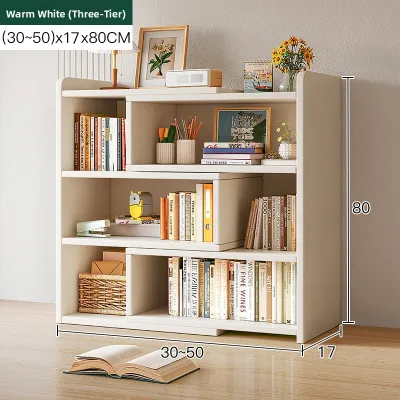
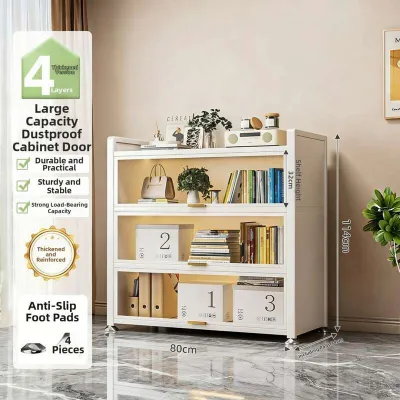
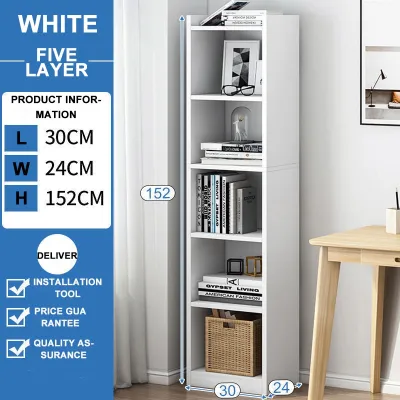
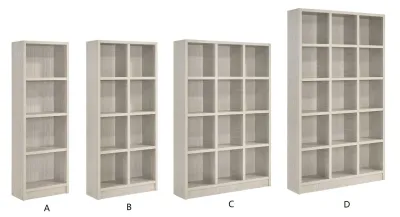
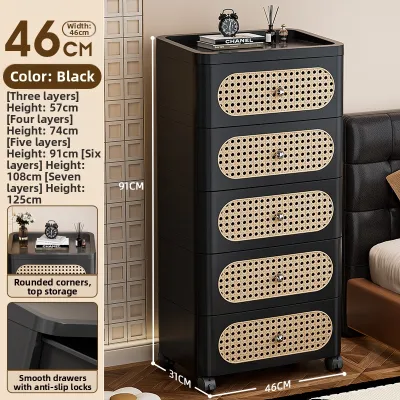
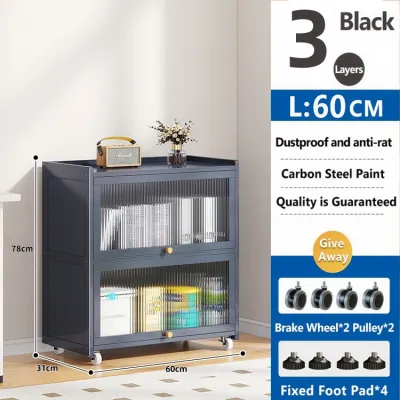
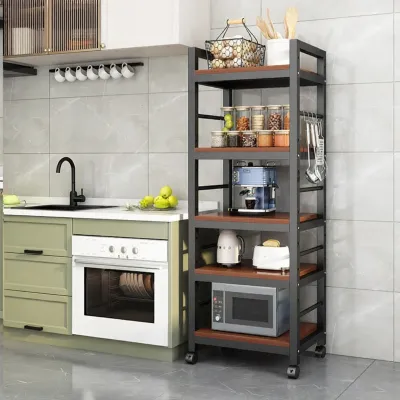
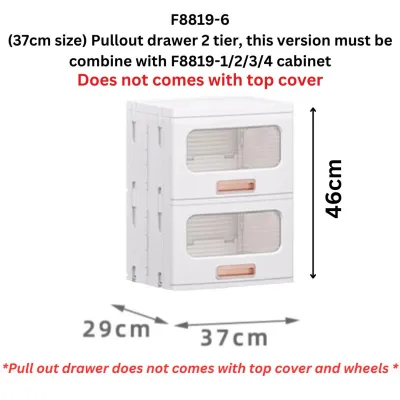
Prices are valid at publication and may change. Please refer to the product page for the latest price.
How to Measure Your Available Space Accurately
Accurate measurement is the foundation of successful furniture selection, especially in compact layouts where centimeters matter. Begin by measuring the floor area where you plan to place the cabinet, using a metal measuring tape. Do not rely on architectural floor plans, as actual built dimensions can vary. Measure the wall width at multiple heights—near the floor, in the middle, and near the ceiling—to account for any slight wall tilts or uneven plastering.

When measuring, pay close attention to fixed structural elements. Skirting boards along the base of the wall often project one to two centimeters outward, preventing furniture from sitting completely flush. You must also locate power outlets, light switches, internet ports, and air-conditioning trunking. Blocking these utilities can make daily life highly inconvenient or require you to pull the cabinet forward, consuming valuable floor space.
Beyond the final placement spot, plan the physical path the cabinet will take to reach your home. Measure the height and width of your apartment’s main entrance, hallway corners, and internal doorways. For high-rise developments, check the passenger lift dimensions, including the door opening width and internal diagonal clearance. If the shelf rack storage cabinets arrive fully assembled, failing to verify these transit dimensions can result in an expensive return delivery fee.
Finally, identify the composition of the wall behind your intended cabinet. Heavy or tall storage units must be anchored to the wall to prevent tipping. In Singapore, concrete walls are common, requiring a masonry drill bit and appropriate wall plugs. Always review HDB renovation guidelines or your condominium’s management corporation strata title (MCST) by-laws before undertaking any drilling or structural mounting.
Evaluating Standard Dimensions for Compact Rooms
When shopping for shelf rack storage cabinets, understanding standard industry dimensions helps you narrow down your options quickly. The depth of the cabinet is often the most critical dimension in tight spaces. Standard storage cabinets typically range from 30 to 45 centimeters in depth. A 30-centimeter depth is highly efficient for standard novels, decorative items, and small storage bins, leaving maximum walkway space. If you need to store larger items like office binders or deep storage boxes, you will need to look at depths of 40 centimeters or more, which requires a wider clearance zone.
The width of your storage unit determines how much horizontal wall space it will occupy. For compact rooms, modular or narrow-width units—ranging from 40 to 60 centimeters wide—offer exceptional flexibility. You can place a single narrow unit in an awkward corner or align multiple modular units side-by-side to create a custom storage wall. Conversely, a single wide cabinet exceeding 120 centimeters can dominate a small room visually and physically, making it difficult to rearrange your layout.
Height is your greatest ally when floor space is limited, but it must be managed carefully. Tall cabinets ranging from 180 to 220 centimeters maximize vertical storage, allowing you to store seasonal items on upper shelves. However, verify that a tall cabinet will not interfere with ceiling fans, light fixtures, or wall-mounted air-conditioning units. In rooms with lower ceilings, an exceptionally tall cabinet can also create a heavy visual presence that makes the ceiling feel lower than it actually is.
To avoid purchasing mistakes, use physical visualization techniques before making a final decision. Outline the proposed footprint of the shelf rack storage cabinets on your floor using painter’s tape or flattened cardboard boxes. Leave this mockup in place for a few days to experience how the dimensions affect your movement through the room. This simple step reveals whether a cabinet’s depth or width will impede your daily routines or make the space feel uncomfortably tight.
Clearance, Pathways, and Installation Safety
Maintaining comfortable pathways around your furniture is essential for a functional home. As a general rule, primary walkways in a living room or hallway should maintain a clear width of at least 90 centimeters to allow two people to pass comfortably. In tighter spaces or secondary pathways, you can reduce this clearance to 60 to 70 centimeters, but any less will make movement feel restricted.
Ergonomic clearances must also account for the physical operation of the cabinet itself. If your shelf rack storage cabinets feature hinged doors or pull-out drawers, you must add the depth of the open door or drawer to the cabinet’s base depth. For example, a 40-centimeter-deep cabinet with 40-centimeter-wide hinged doors requires at least 80 centimeters of clear space in front of it just to open the doors fully. If you do not have this clearance, consider open shelving or sliding doors.
Safety is paramount when installing tall or narrow storage units, particularly in high-traffic zones. Any cabinet with a height-to-depth ratio greater than 4:1 poses a significant tipping hazard if it is not secured. Most reputable manufacturers supply anti-tip anchoring kits with their tall units. Ensure these kits are installed correctly into the wall structure, using appropriate anchors for concrete or drywall.
Proper weight distribution further enhances the stability of your storage cabinets. Always place your heaviest items, such as thick books or heavy storage boxes, on the lowest shelves to keep the center of gravity as low as possible. Lighter items and decorative pieces should occupy the middle and upper shelves. Always check the manufacturer’s stated load capacity per shelf to avoid bowing or structural failure.
Common Sizing and Placement Mistakes
One of the most frequent mistakes when selecting shelf rack storage cabinets is ignoring the visual weight of the furniture. A solid, dark-colored wood cabinet that reaches the ceiling can make a small room feel incredibly dark and claustrophobic, even if it technically fits within the measured floor area. To mitigate this, opt for lighter wood tones, white finishes, or units with open back panels that allow the wall color to show through, creating an illusion of spaciousness.
Another common oversight is failing to account for the thickness of skirting boards during the initial measurement phase. If your skirting boards are two centimeters thick and your cabinet does not have a base cutout to accommodate them, the cabinet will stand two centimeters away from the wall. This creates an unsightly gap where dust can accumulate, while also pushing the front of the cabinet further into your walking path. Look for furniture specifically designed with skirting board cutouts.
Finally, many homeowners overlook the swing radius of nearby architectural elements and existing furniture. A bedroom door, a wardrobe door, or a window that swings inward can easily collide with a newly installed shelf rack. Before finalizing your placement, physically open every door and window in the vicinity to its maximum angle to ensure there is no overlap with the proposed cabinet location. Taking the time to verify these clearances prevents frustrating daily collisions and potential damage to your walls and furniture.
Frequently Asked Questions (FAQ)
Can I use floor-to-ceiling shelf racks in rooms with low ceilings?
Yes, floor-to-ceiling units can be highly effective, but they require careful planning. Tall units maximize vertical storage, but they can create a heavy visual presence that makes a small room feel smaller. To counter this, choose light colors, open shelving, or glass doors, and ensure the room has adequate lighting. Additionally, verify the assembly process; many tall cabinets are assembled flat on the floor and tilted upright, which requires a ceiling height significantly greater than the cabinet’s actual height to clear the diagonal rotation.
Are wall-mounted shelf racks a better fit for narrow hallways?
Wall-mounted shelf racks are excellent for keeping floor space clear in narrow hallways, but they have strict installation requirements. Because they rely entirely on the wall for support, they must be anchored securely to structural walls, such as concrete or solid brick. Partition walls or drywall may not support heavy loads without proper stud reinforcement. Always consult the manufacturer’s installation instructions for maximum weight limits, and avoid storing exceptionally heavy items on wall-mounted units in high-traffic transit zones.

Community discussion
Share your experience or ask a question. Comments are reviewed before publication.