
A semi-circular table serves as an exceptionally versatile piece of furniture in modern living spaces. In compact urban homes, such as Singapore’s HDB flats and condominiums, maximizing floor area while maintaining smooth traffic flow is a constant design challenge. The semi-circular coffee table addresses this by combining the flat edge of a rectangular table with the soft, flowing curves of a round one. This hybrid shape allows you to flush the flat side against a sofa, wall, or balcony window, freeing up valuable walkway space while eliminating sharp corners that can cause bumps in tight quarters. Finding the ideal style requires analyzing how different materials, base structures, and finishes align with your home’s aesthetic—whether that is the clean lines of modern minimalism, the warm textures of Scandinavian design, or the rugged appeal of industrial interiors.
Evaluating Space and Traffic Flow for a Semi-Circular Coffee Table
In compact living rooms, every centimeter of floor space counts. Traditional rectangular or square coffee tables often create rigid barriers, forcing residents to navigate tight, awkward angles. A semi-circular table solves this bottleneck by removing two sharp corners, immediately opening up the surrounding walkway. This is particularly beneficial in high-traffic zones where the living room connects to the dining area, kitchen, or balcony.
Beyond physical space, the curved silhouette of a semi-circular table provides a visual antidote to the boxy architecture common in modern apartments. Most living rooms are dominated by straight lines—from the walls and window frames to the television console and sectional sofa. Introducing a curved element breaks up this geometric rigidity, creating a more balanced and inviting atmosphere.
Products mentioned in this guide
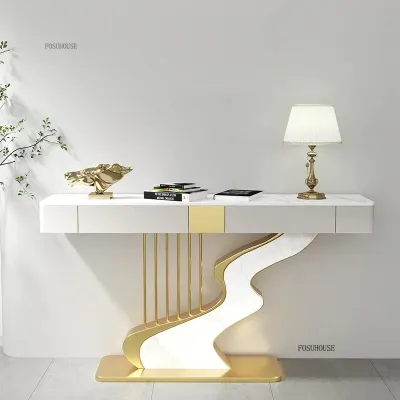
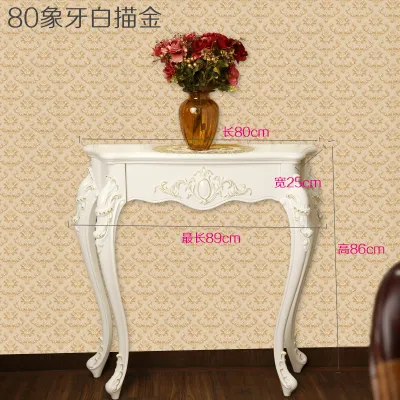
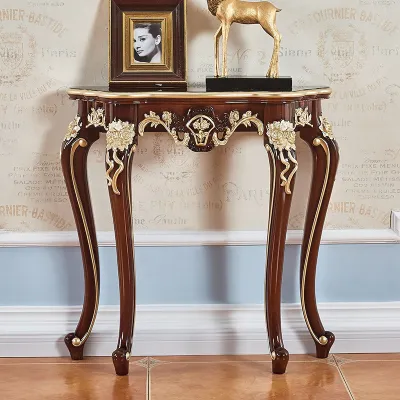
Prices are valid at publication and may change. Please refer to the product page for the latest price.
To ensure comfortable movement, you must plan for adequate clearance. As a general rule, maintain a distance of at least 30 to 45 centimeters between the edge of the coffee table and the front of your sofa. This provides enough legroom for sitting and standing without requiring you to stretch too far to reach items. For walkways adjacent to the curved side of the table, aim for a minimum clearance of 60 centimeters, though 75 to 90 centimeters is ideal for unrestricted foot traffic.
Matching Semi-Circular Table Designs to Your Interior Aesthetic
Selecting a semi-circular table that complements your living room requires a careful look at materials, colors, and structural designs. Rather than assuming a material will automatically perform well, it is essential to check the manufacturer’s specifications for surface treatments, protective coatings, and joint construction. For instance, a wooden table in a humid climate requires proper sealing to prevent warping, while a stone table needs a stain-resistant sealant.

| Interior Aesthetic | Recommended Materials | Base Types | Key Visual Traits |
|---|---|---|---|
| Modern Minimalist | Tempered glass, polished stone, matte engineered wood | Concealed plinth, slim metal legs | Monochromatic tones, seamless joints, hidden storage |
| Scandinavian & Japandi | Light oak, ash, natural cane, textured textiles | Tapered wooden legs, slatted bases | Organic curves, low-profile, warm neutral finishes |
| Industrial & Mid-Century | Solid walnut, distressed iron, brushed steel | Hairpin legs, geometric metal frames | High-contrast textures, visible hardware, rich wood grains |
Modern Minimalist and Contemporary
Modern minimalist and contemporary aesthetics thrive on simplicity, clean lines, and the absence of unnecessary ornamentation. When selecting a semi-circular table for this style, look for pieces with sleek profiles and monochromatic or neutral color palettes, such as matte black, crisp white, or muted grey. Concealed storage is a highly functional feature to seek out; some contemporary semi-circular tables feature hidden drawers or rotating compartments built into a solid plinth base, allowing you to keep remote controls and reading materials out of sight.
Material selection plays a crucial role in defining this look. Tempered glass tops create an illusion of openness, making small living rooms feel larger by allowing light to pass through. Alternatively, polished engineered stone or matte-finished engineered wood offers a clean, uniform surface. When shopping, always check the manufacturer’s specifications regarding scratch resistance and edge finishing. For glass tables, verify that the edges are polished and rounded to prevent injury. For engineered wood, look for high-quality edge banding to ensure the laminate or veneer does not peel over time when exposed to daily wear and tear.
Scandinavian and Japandi
Scandinavian and Japandi styles emphasize natural textures, organic shapes, and functional simplicity. A semi-circular table fits beautifully into these aesthetics, offering a soft, organic silhouette that echoes the natural world. Look for tables crafted from light-toned woods such as white oak, ash, or beech. These woods keep the living room feeling bright, airy, and connected to nature.
To maintain the light visual weight characteristic of these styles, opt for tables with slender, tapered wooden legs or those featuring delicate slatted wood bases. Some designs incorporate natural cane or rattan shelves beneath the tabletop, adding texture without adding bulk. Because Singapore’s tropical climate features high relative humidity, it is vital to evaluate the wood treatments used by the manufacturer. Check the care instructions to ensure the wood has been treated with a moisture-resistant matte lacquer or hardwax oil. This protection prevents water rings from condensation on cold drinks and guards against minor spills. Pair the table with light-colored textiles, such as a textured wool or cotton rug, to anchor the furniture arrangement while keeping the overall look soft and cohesive.
Industrial and Mid-Century Modern
For homes featuring industrial or mid-century modern aesthetics, the semi-circular table should showcase bold structural elements and rich, contrasting materials. Industrial design embraces raw, utilitarian textures, making tables that combine dark metal frames with distressed wood or concrete-look tops an excellent choice. Mid-century modern style, on the other hand, celebrates organic curves, geometric playfulness, and warm, medium-to-dark wood tones like walnut and teak.
When exploring these styles, look for tables with distinctive base designs, such as black powder-coated iron hairpin legs, architectural tripod bases, or sculptural wooden frames. Because these designs often feature mixed materials, it is critical to inspect the structural joints where metal meets wood or stone. Check the manufacturer’s weight capacity labels to ensure the frame can safely support the tabletop and any decorative items. Additionally, verify whether the table includes adjustable floor protection pads or rubber feet. These pads are essential for preventing heavy metal bases or wooden legs from scratching your flooring, whether you have vinyl, laminate, or polished large-format tiles.
Sizing and Proportions: Fitting the Table to Your Sofa and Room
Achieving a balanced living room layout requires precise measurements. A semi-circular table must scale appropriately with your sofa to look intentional. As a general guideline, the straight edge of the table should measure between one-half and two-thirds of the total length of your sofa’s seating cushion area. For example, if your sofa seating area is 180 centimeters long, look for a table with a straight-edge length of approximately 90 to 120 centimeters. This proportion ensures the table is easily accessible from all seats without overpowering the sofa.
Next, consider the depth (the radius of the semi-circle), which determines how far the table extends into the room. In narrow living rooms, a shallower depth of 40 to 50 centimeters keeps the walkway clear. In larger, square-shaped rooms, a deeper radius of 60 centimeters or more helps fill the space and provides a larger surface area.
Height is also critical. To maintain comfortable ergonomics, the top of your coffee table should sit level with or slightly lower than the seat cushions of your sofa—typically between 35 and 45 centimeters from the floor. A table that is too high disrupts the visual line, while one that is too low makes reaching awkward. Finally, ensure there is a clear path of at least 60 centimeters between the curve of the table and any facing furniture or walls to allow free movement.
How to Evaluate Furniture Brands and Retailers for Quality
When shopping for a semi-circular table in Singapore, use a systematic checklist to evaluate durability and value rather than relying solely on aesthetic appeal.
First, verify material authenticity. Read product descriptions carefully to distinguish between solid wood, wood veneer, and paper foil laminates. While solid wood offers longevity, high-quality wood veneer on an MDF core is often more resistant to warping in humid climates. Examine the joinery methods; look for dowel joints, mortise and tenon, or metal-on-metal connections rather than simple glue and staple construction.
Second, review the retailer’s policies. Check the warranty coverage carefully—reputable brands typically offer at least a one-year warranty covering structural defects or premature warping. Understand the return policy, including restocking fees and return shipping costs, in case the table’s scale or color does not match your room as expected.
Third, align your budget with realistic quality expectations. In the Singapore market, price tiers generally reflect material standards:
- Entry-Level (Under S$150): Typically constructed from lightweight particleboard with paper laminates or basic plastic components. These are suitable for temporary setups or low-use areas but may lack long-term durability.
- Mid-Range (S$150 to S$500): Often features sturdy metal frames, high-quality engineered wood with real wood veneers, tempered glass, or durable composite stones. This tier offers a great balance of style, stability, and longevity for most households.
- Premium (Above S$500): Usually showcases solid hardwoods (like oak or walnut), premium natural stones (like marble or travertine), custom metalwork, and superior hand-finished details.
Finaly, decide between visiting local showrooms and purchasing from online-only retailers. Visiting a physical showroom in industrial hubs like Ubi, Toh Guan, or Henderson allows you to test the table’s stability, inspect finishes, and verify colors under natural light. Online retailers often offer lower prices and wider selections, but require relying on customer reviews, dimensional drawings, and return policies to mitigate purchase risks.
Pre-Purchase Safety, Stability, and Maintenance Checks
Before finalizing your purchase, conduct a thorough safety and stability assessment, especially if your household includes young children, elderly family members, or active pets. Because semi-circular tables have a flat side and a curved side, their center of gravity can differ from traditional rectangular tables. If the table features a pedestal or three-legged base, test its resistance to tipping. Gently apply downward pressure on the outermost curved edge to ensure the table remains firmly anchored and does not tilt forward.
Inspect the physical build of the table for potential hazards. Run your fingers along the edges to check for sharp corners, rough wood grain, splinters, or exposed hardware. If you are purchasing a glass-topped table, ensure it uses tempered safety glass, which is designed to crumble into small, blunt pieces rather than shatter into sharp shards if broken.
Long-term maintenance is highly dependent on the specific material and the manufacturer’s guidelines. Always review the care labels provided with your furniture. For wooden tables, avoid using harsh chemical cleaners or abrasive pads that can strip away the protective lacquer or wax finish. Instead, use a soft, slightly damp microfiber cloth for daily dusting. Protect the surface from heat and moisture by using coasters for cold drinks and trivets for hot mugs or plates. If you encounter conflicting care instructions—such as a general online tip recommending a specific oil that contradicts your manufacturer’s manual—always defer to the manufacturer’s official guidelines to avoid voiding your warranty or damaging the finish.
Frequently Asked Questions (FAQ)
Can I place a semi-circular coffee table in the center of the room?
Yes, a semi-circular coffee table can be placed in the center of a room, though it requires deliberate styling to look balanced. Because of its asymmetrical shape, placing it in an open space can sometimes look unfinished if it is not anchored properly. To make this layout work, use a large area rug to define the seating zone and place the flat edge of the table parallel to your main sofa. You can then pair the curved side with low-profile armchairs or floor cushions arranged in a semi-circle. This setup maintains an open, conversational flow while making the unique shape of the table a deliberate design statement.
How do I protect a semi-circular wood table from heat and moisture?
Protecting a wooden semi-circular table requires adhering to the manufacturer’s specific care instructions. Because wood is porous, moisture from condensation and heat from hot mugs can penetrate the finish, causing unsightly white rings or warping. Always use high-quality coasters with absorbent backings (such as cork or felt) and heat-resistant trivets. Regularly dust the surface with a dry, soft cloth. If the manufacturer recommends periodic reapplication of a specific wood conditioner, wax, or oil, follow those instructions precisely to maintain the protective barrier against Singapore’s humid climate.

Community discussion
Share your experience or ask a question. Comments are reviewed before publication.