
Maximizing storage space in Singapore’s compact residential layouts requires smart, adaptable furniture solutions. When floor space in your entryway or built-in wardrobe is limited, a shoe tray with wheels offers an exceptionally practical way to organize footwear. This mobile storage solution allows you to slide multiple pairs of shoes out of sight under low shelves or into tight corners, and then roll them out effortlessly when needed. However, finding the perfect rolling shoe tray involves more than simply picking the first option you see online. To ensure your new organizer fits your home seamlessly, you must evaluate specific spatial constraints, material durability, and wheel functionality.
Quick Guide: Core Criteria for Choosing a Rolling Shoe Tray
Before diving into various product designs, establishing a clear set of baseline requirements will save you time and prevent purchasing errors. The first and most critical step is taking precise physical measurements of your intended storage area. Relying on visual estimates often leads to units that are slightly too wide for a closet opening or too tall to slide under a hanging clothes rail.
Equally important is verifying the manufacturer-stated weight limits rather than assuming a tray can handle any load. Footwear can be surprisingly heavy, especially when stacking multiple pairs of leather dress shoes, thick-soled sneakers, or wet-weather boots. Overloading a rolling tray can warp the frame, bend the wheel mounts, or cause the entire unit to tip over when moved.
Products mentioned in this guide
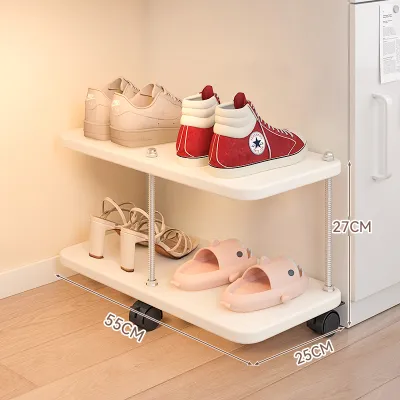
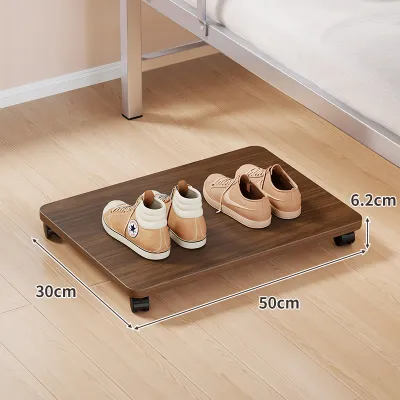
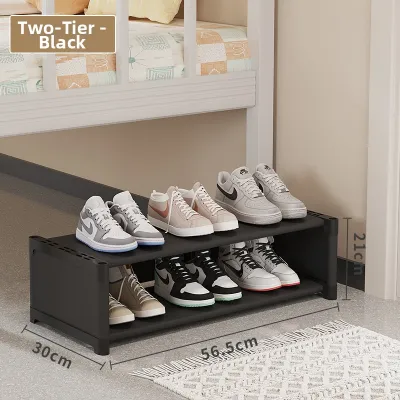
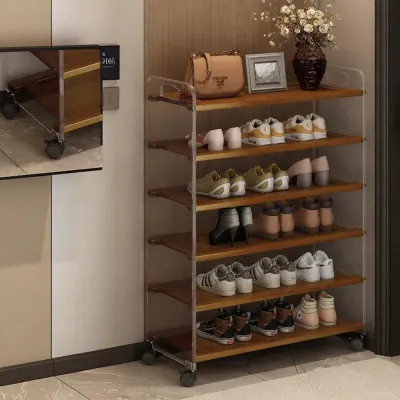
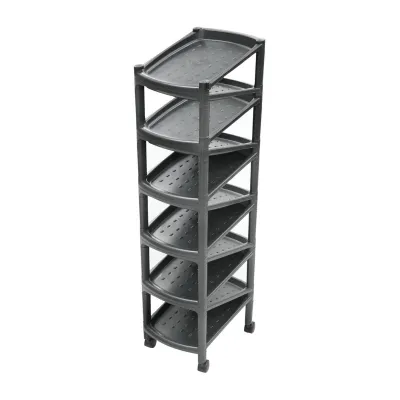
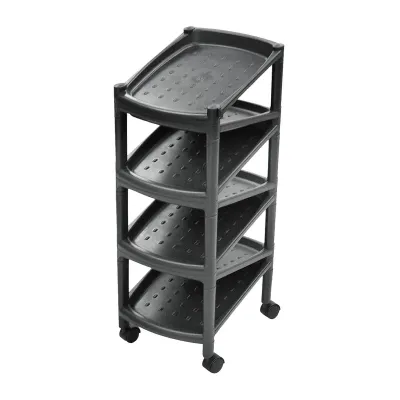
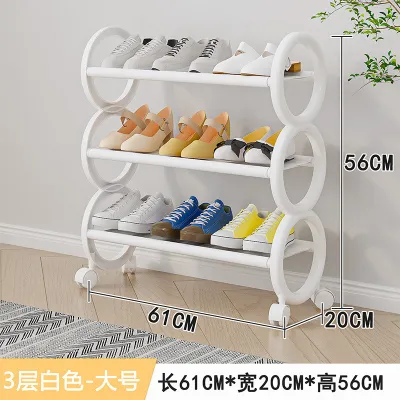
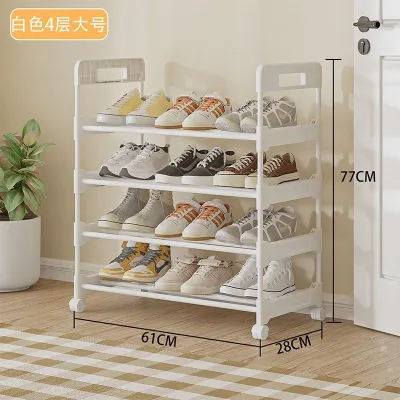
Prices are valid at publication and may change. Please refer to the product page for the latest price.
Finally, always check that the unit includes reliable wheel locking mechanisms. A rolling shoe tray without brakes can easily drift on slightly uneven floors, slide out of place when you open a wardrobe door, or roll unexpectedly when you are trying to place a shoe on a higher tier. Ensuring at least two of the casters feature secure locks provides the stability needed for daily use.
Step 1: Assessing Your Closet and Entryway Dimensions
To find a shoe tray with wheels that integrates perfectly with your home, you must conduct a thorough spatial assessment. Start by measuring the internal depth, width, and height of your closet or wardrobe floor. When measuring, do not simply measure from wall to wall; you must account for skirting boards, door hinges, and sliding door tracks. Skirting boards can reduce your usable floor width by up to two centimeters on each side, which might prevent a tightly fitted tray from sliding in smoothly.

If you plan to place the rolling tray inside a built-in wardrobe, consider the door swing clearance. Hinged doors require space to swing open, and the door frame itself can create a lip that narrows the actual opening width. For sliding wardrobe doors, the overlapping panels mean only half of the closet is accessible at any one time. Your rolling tray must be narrow enough to pass through this open half without scraping against the door panels or getting caught on the floor tracks.
In typical Singaporean apartments, such as HDB flats and condominiums, entryways and corridors are often narrow. If you intend to use a rolling shoe tray near the front door, measure the clear walkway width to ensure the unit does not obstruct daily foot traffic or violate local fire safety guidelines regarding corridor clearance.
Additionally, check the pathway from your assembly area to the final destination. Measure the widths of your hallways, bedroom doors, and any tight corners. Assembling a large, multi-tier rolling shoe rack in a spacious living room only to find it cannot navigate the turn into a narrow bedroom corridor is a common and frustrating mistake. Ensuring the fully assembled unit can travel safely through your home is just as important as checking its final parking spot.
Step 2: Evaluating Structural and Functional Features
Once you have established your spatial boundaries, the next step is to scrutinize the structural and functional specifications of potential shoe trays. The performance of any wheeled furniture relies heavily on the quality of its casters. Look for wheel materials that suit your specific flooring. Hard plastic casters, such as those made from cheap nylon or polypropylene, are common but can easily scratch delicate vinyl, laminate, or polished parquet floors. Instead, look for casters coated in soft polyurethane or thermoplastic rubber, which roll quietly and distribute weight more evenly without leaving marks.
Examine the brake mechanisms on the wheels. Flimsy plastic tabs can easily snap under foot pressure or wear down quickly, rendering the locks useless. Opt for robust metal lever brakes that lock both the wheel rotation and the swivel joint, ensuring the tray remains completely stationary when locked.
The internal configuration of the shoe tray is another vital consideration. Look for units that offer shelf adjustability or generous tier spacing. Standard flat shoes and sandals require very little vertical clearance, but high heels, mid-cut sneakers, and boots need significantly more room. A rolling rack with fixed, narrow shelves will limit your storage options. Check the product packaging or specifications for explicit load-bearing labels, which indicate how much weight each individual tier can safely support.
Do not assume a material is durable simply based on its name. For example, while metal sounds sturdy, untreated steel can quickly rust in Singapore’s humid climate, especially when holding damp shoes. Look for powder-coated steel, anodized aluminum, or rust-resistant finishes. Similarly, if you prefer a wooden aesthetic, verify that the surface finish is sealed against moisture. Check the structural connection types as well; units held together by threaded metal inserts and screws are far more stable and durable over time than those relying on simple plastic friction-fit joints or push-pins.
Step 3: Matching Tray Styles to Your Specific Space Constraints
Different home layouts and shoe collections require different styles of rolling storage. By matching the design of the tray to your specific environmental constraints, you can maximize efficiency and convenience.
Slim-Profile Rolling Racks For narrow walkways, tight entryway alcoves, or the small gap between a wardrobe and the wall, a slim-profile rolling rack is highly effective. These units typically feature a single-row design or staggered shelves that minimize depth while utilizing vertical space. Because they have a narrow footprint, they are easy to tuck away out of sight, making them ideal for keeping daily-wear shoes organized near the main entrance of an HDB flat without cluttering the corridor.
Multi-Tier Adjustable Carts If you have a large shoe collection and a spacious walk-in closet or a dedicated storage room, a multi-tier adjustable cart is the most suitable option. These heavy-duty units can hold dozens of pairs of shoes across four, five, or more levels. Because they carry a significant amount of weight, look for models with a wide, stable base and larger, heavy-duty casters. The ability to adjust the height of individual shelves allows you to customize the cart to accommodate everything from flat sandals to tall boots, keeping your entire collection organized and mobile.
Low-Clearance Rolling Bins and Flat Trays For homes where vertical space is extremely limited, low-clearance rolling bins or flat trays are optimized for under-bed storage or the very bottom floor space of a built-in wardrobe. These low-profile units slide completely under existing furniture, utilizing space that would otherwise go to waste. When selecting a flat rolling tray, ensure the casters are recessed or low-profile so the tray sits as close to the floor as possible without scraping. This style is perfect for storing seasonal footwear or shoes that you do not wear on a daily basis, keeping them dust-free and out of sight.
Safe Assembly and Ongoing Maintenance Checks
To ensure your rolling shoe tray remains stable, safe, and functional for years to come, proper assembly and regular maintenance are essential. When assembling the unit, always follow the manufacturer’s instructions carefully. Avoid the temptation to rush or skip steps. It is highly recommended to assemble the frame on a flat, level surface and check the overall alignment before tightening all the screws completely. If the frame is slightly misaligned or crooked, the weight of your shoes will not be distributed evenly across the wheels, leading to premature wear on one or more casters.
Once assembled, perform a quick stability check. Gently rock the unit from side to side to ensure there is no excessive wobble. Check that all joints are tight and that the wheels swivel and roll smoothly. If you notice any instability, re-examine the connections and tighten any loose screws.
Ongoing maintenance is equally important, particularly for protecting your home’s flooring. Over time, dust, hair, and small grit particles can wrap around the wheel axles. This trapped debris acts like sandpaper, dragging across your floors and causing scratches even if you have soft rubber wheels. Make it a habit to inspect and clean the casters regularly. Wipe down the wheels with a damp cloth and use a small brush or tweezers to remove any tangled hair or fibers from the axles.
Periodically inspect the structural integrity of the tray. Check the tightness of the screws and joints every few months, especially if you roll the unit frequently. If you notice any structural wear, such as a bent frame, cracked joints, or a misaligned wheel that drags rather than rolls, stop using the unit immediately. Continuing to use a compromised rolling tray can lead to sudden failure, potentially damaging your floors, spilling your shoes, or causing a tipping hazard.
Frequently Asked Questions (FAQ)
Can rolling shoe trays damage laminate or vinyl flooring?
Yes, rolling shoe trays can damage delicate flooring if they are equipped with hard plastic wheels or if they are not properly maintained. Hard nylon or polypropylene casters can easily scratch laminate, vinyl, or parquet floors under the weight of a fully loaded rack. To prevent this, choose trays with soft polyurethane or thermoplastic rubber wheels. Additionally, keep the wheels clean; trapped grit and dirt on the casters can act as an abrasive, scratching the floor as you roll the tray. Always check your flooring manufacturer’s guidelines regarding point-load limits and rolling friction to ensure your floor can handle wheeled furniture.
How should I manage dust accumulation on open wheeled shoe racks?
Open rolling shoe racks are highly convenient for quick access, but they can accumulate dust over time. To manage this, consider using washable shelf liners on each tier. These liners catch dirt and dust from the soles of your shoes and can be easily removed and washed. Establish a routine to wipe down the shelves with a damp microfiber cloth every few weeks. If your home is particularly prone to dust, or if you are storing shoes that you only wear occasionally, you might want to opt for enclosed rolling bins or fabric-covered rolling carts that provide physical protection against dust while maintaining mobility.

Community discussion
Share your experience or ask a question. Comments are reviewed before publication.