
Finding the right 3-seater sofa set for a Housing & Development Board (HDB) flat in Singapore requires balancing comfort, style, and strict spatial limitations. While many brands market their sofas as ideal for modern apartments, a successful purchase depends on objective evaluation criteria rather than subjective popularity rankings. To find a sofa that fits both your living room layout and your lifestyle, you must assess physical dimensions, frame construction, cushion durability, and fabric performance against Singapore’s unique tropical climate. This guide provides a structured framework to help you evaluate fabric sofa brands and models, ensuring your investment remains comfortable and structurally sound for years to come.
Understanding HDB Space Constraints for 3-Seater Sofas
HDB living rooms, especially in newer Build-To-Order (BTO) flats, often feature compact, open-plan layouts where every centimeter counts. A standard 3-seater sofa set typically ranges from 180 cm to 230 cm in length. Before browsing showrooms, measure your available wall space and map out the floor area. A common mistake is selecting a sofa that physically fits the wall but chokes the surrounding walkways. To maintain comfortable traffic flow, ensure there is at least 60 cm to 75 cm of clearance between the edge of the sofa and any coffee table, television console, or adjacent walls.
Visual weight is just as critical as physical dimensions. A sofa with thick, bulky armrests can consume valuable seating space without adding utility. For HDB flats, look for brands that offer slim-profile armrests or track arms, which maximize the actual seating area within a shorter overall frame length. Similarly, high-back sofas can make a low-ceilinged HDB living room feel cramped and dark. Low-profile backs or sofas with adjustable headrests help maintain an open line of sight, making the room appear larger and more airy.
Products mentioned in this guide
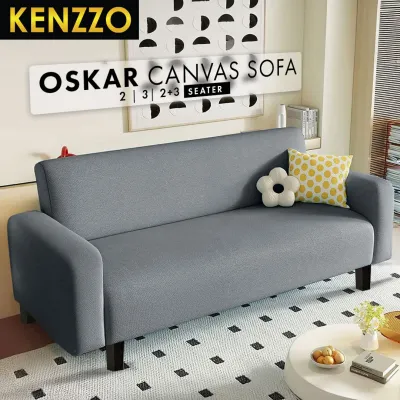
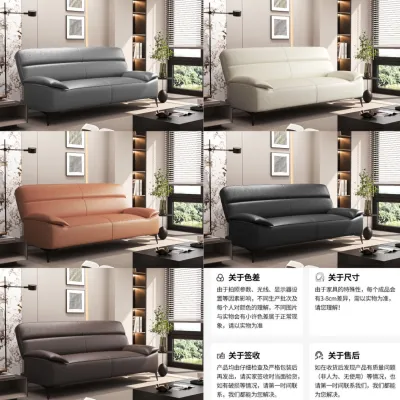
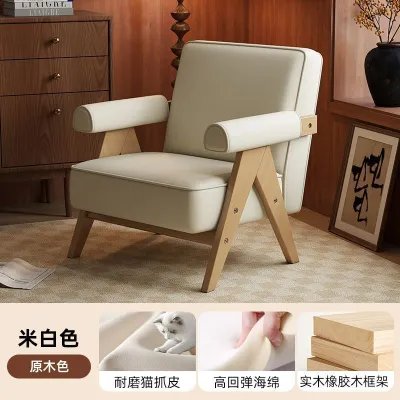
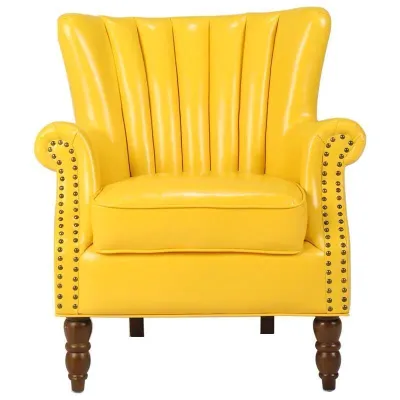
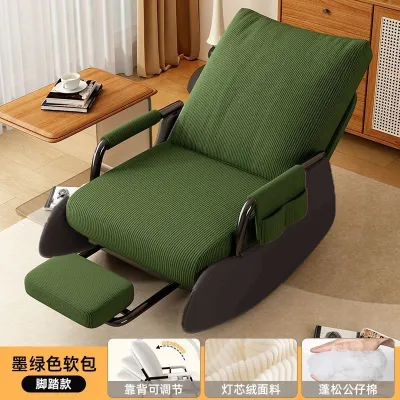
Prices are valid at publication and may change. Please refer to the product page for the latest price.
Do not overlook functional clearances. In many HDB layouts, the living room sits adjacent to a balcony door, a household shelter door, or built-in cabinetry. Ensure the sofa’s depth—typically between 85 cm and 100 cm—does not obstruct these entryways or prevent cabinet doors from opening fully. If your living room features a wall-mounted air-conditioning unit, verify that the sofa’s placement allows for routine servicing access and does not block the downward airflow.
Key Evaluation Criteria for Fabric Sofa Brands
When comparing different furniture brands in Singapore, look past the aesthetic styling and focus on the underlying construction. The longevity of a 3-seater sofa set is determined primarily by its frame material and joinery. High-quality brands construct their frames from kiln-dried hardwood, such as birch, oak, or maple, which resists warping in Singapore’s humid climate. Avoid brands that rely heavily on thin particleboard or low-grade engineered wood for load-bearing components. During showroom visits, ask sales representatives about the joinery methods; reliable frames are reinforced with wooden dowels, double-dowels, metal screws, and corner blocks rather than simple staples and glue.

Cushion construction directly impacts both immediate comfort and long-term support. Low-density polyurethane foam cushions tend to sag within a few years, leaving you sitting on the hard frame. Look for brands that specify high-resiliency (HR) foam with a density rating of at least 30 kg/m³ to 35 kg/m³. For optimal support, inquire if the brand incorporates pocket springs or sinuous S-springs beneath the foam layers. Pocket springs distribute weight evenly and recover their shape quickly, preventing the unsightly sagging effect where the fabric stretches over compressed foam.
Warranty terms offer a clear window into a brand’s confidence in its products. A robust warranty should clearly distinguish between structural components and surface materials. Look for brands that offer a multi-year warranty (typically 5 to 10 years) on the internal frame and suspension system. Fabric upholstery and cushion fillings usually carry shorter warranty periods (often 1 to 2 years) covering manufacturing defects like split seams or premature fiber degradation. Be sure to read the fine print to understand what constitutes accidental damage or normal wear and tear, which are rarely covered.
Local after-sales support is a vital consideration that separates premium brands from budget online retailers. In Singapore’s humid environment, spills and dust accumulation are inevitable. Prioritize brands that offer removable, washable, or dry-cleanable fabric covers. Some brands sell replacement covers separately, allowing you to refresh the look of your sofa or replace a damaged section without buying an entirely new furniture piece. Additionally, check if the brand provides local re-upholstery services or stocks modular replacement parts, such as legs or individual cushion inserts, which can significantly extend the lifespan of your investment.
Comparing Fabric Options for Local Living Conditions
The choice of fabric is just as important as the sofa’s structural frame. Singapore’s year-round high humidity and warm temperatures require upholstery materials that are breathable, easy to clean, and resistant to environmental wear. Different fabric compositions offer distinct advantages and trade-offs depending on your household’s daily activities and maintenance habits.
Natural Fibers (Cotton and Linen)
Natural fibers like cotton and linen are highly prized for their exceptional breathability and soft, organic texture, making them comfortable to sit on even without air conditioning. However, these materials require a higher level of care. Natural weaves are inherently more absorbent, meaning they can easily soak up liquid spills, sweat, and body oils, leading to potential staining and odors if not treated immediately. Before purchasing, check the manufacturer’s cleaning labels; many pure natural fiber covers require professional dry cleaning and cannot be tossed into a standard home washing machine without risking shrinkage or warping.
Another factor to consider is sunlight exposure. If your HDB living room has large, unshaded windows that receive direct afternoon sun, natural fibers are highly susceptible to UV fading and fiber weakening over time. To preserve the color and integrity of a cotton or linen sofa, you may need to install UV-blocking window films or close your curtains during peak sunlight hours. Consequently, natural fiber sofas are best suited for low-traffic households, such as couples or single occupants without young children or pets, who can manage the meticulous upkeep required.
Synthetic and Performance Blends
For active households, synthetic fibers like polyester, nylon, and acrylic blends offer a highly durable and practical alternative. Many modern furniture brands utilize performance fabrics that have been treated at the fiber level to resist stains, repel liquids, and withstand heavy daily use. These fabrics allow liquid spills to bead up on the surface, giving you a window of time to blot them away before they penetrate the fibers. When evaluating these options, look for the Martindale rub test rating on the product specifications; a rating of 15,000 to 20,000 rubs is suitable for general domestic use, while ratings above 30,000 indicate heavy-duty durability.
While performance fabrics are highly resilient, they are not entirely maintenance-free. Over time, harsh chemical cleaners, abrasive scrubbing, or direct heat can degrade the protective coatings applied to synthetic fibers. Always follow the manufacturer’s specific cleaning instructions, which typically recommend mild soap and water solutions rather than strong solvents or bleach. Additionally, synthetic fibers can sometimes trap heat more than natural weaves, so look for high-quality synthetic blends that incorporate breathable weaving patterns to ensure comfort during Singapore’s warmest months.
Pre-Purchase Measurement and Delivery Verification
Even the most beautifully designed 3-seater sofa set is useless if it cannot physically enter your home. HDB common areas, corridors, and doorways present unique logistical challenges that require careful planning before you finalize your purchase. Failed deliveries due to access constraints can result in costly restocking fees, return shipping charges, or the frustration of having to select a different model.
Begin by measuring the entire delivery path, starting from the unloading bay. Measure the height, width, and diagonal depth of the HDB service lift doors, as well as the interior cabin dimensions. Next, assess the common corridor outside your unit; pay close attention to tight corners, low-hanging pipes, or fire safety equipment that might restrict a delivery team’s turning radius. Finally, measure your unit’s main entrance door and any internal hallways the sofa must pass through. Compare these dimensions against the sofa’s packaged dimensions, which are typically larger than the assembled product due to protective boxing and padding.
When evaluating different brands, inquire about how the sofa is packaged and delivered. Some 3-seater models are shipped as a single, fully assembled solid frame, which requires maximum clearance. Other brands design their sofas with detachable legs, removable backrests, or in modular sections that can be easily maneuvered through tight spaces and assembled directly in your living room. Opting for a modular or partially knocked-down design is often the safest choice for HDB units with restricted access.
Before signing any purchase agreement, thoroughly review the retailer’s delivery and return policies. Ask explicit questions about what happens if the sofa cannot fit through your doorway or lift. Some retailers charge a flat fee for manual staircase carrying if the lift is too small, while others may refuse delivery entirely and charge a restocking fee of 10% to 30% of the purchase price. Understanding these terms beforehand protects you from unexpected expenses and ensures a smooth, stress-free delivery process.
Frequently Asked Questions (FAQ)
Can a standard 3-seater sofa fit through an HDB service lift?
Most standard 3-seater sofas can fit through modern HDB service lifts, provided the sofa’s length does not exceed the lift’s interior height or diagonal depth. Standard HDB service lifts typically have door heights of around 200 cm to 210 cm, but the interior cabin is often taller. If your chosen sofa is longer than 200 cm, the delivery team will need to tilt it diagonally to fit inside. Always compare the packaged dimensions of the sofa with your lift’s specific measurements. If the lift is too small, ask the retailer if the sofa can be delivered with its legs detached or in modular sections to reduce its overall footprint during transit.
How should fabric sofas be maintained in high-humidity environments?
Maintaining a fabric sofa in Singapore’s humid climate requires consistent, proactive care to prevent mold, mildew, and musty odors. Vacuum your sofa at least once a week using an upholstery attachment to remove dust, skin flakes, and pet dander, which act as food sources for mold spores. Ensure your living room remains well-ventilated by opening windows to promote airflow, or use a dehumidifier during the rainy monsoon seasons to keep indoor humidity levels below 60%. Avoid placing your sofa directly against external walls where condensation can build up, and never use DIY steam cleaners or excessive water for spot cleaning, as trapped moisture inside the foam cushions can lead to internal mold growth.

Community discussion
Share your experience or ask a question. Comments are reviewed before publication.