
Quick Answer: Core Criteria for Sealed Under-Bed Storage
Finding the right sealed storage box for under-bed storage in Singapore requires balancing space efficiency with robust environmental protection. In Singapore’s tropical climate, high relative humidity and fine household dust can quickly compromise stored items, leading to musty odors, mold, or pest damage. A true sealed storage box—featuring continuous silicone gaskets and multi-point latching systems—creates a reliable barrier that standard plastic tubs cannot match. Before purchasing, you must accurately measure your bed frame’s clearance and evaluate the trade-offs between rigid plastic containers, fabric boxes with internal supports, and vacuum-sealed systems to ensure your belongings remain pristine and accessible.
How to Measure and Assess Your Under-Bed Space
Before browsing online marketplaces or local home goods stores, you must establish the exact physical boundaries of your under-bed zone. Failing to account for structural obstructions is the most common reason under-bed storage boxes fail to fit. Begin by measuring the vertical clearance from the floor to the lowest point of the bed frame. Do not simply measure from the side rail; instead, slide under the bed with a tape measure and check the height of center support legs, crossbars, and any protruding hardware or casters. The lowest measurement you record represents your absolute maximum height limit.

Next, calculate the usable depth and width of the space. Measure the distance from the outer edge of the bed frame to the center support beam, or all the way to the opposite side if there is no central obstruction. Keep in mind that nearby bedroom furniture, such as bedside tables, wardrobes, or dressing tables, can restrict how far you can pull a box out. You must also account for the swing radius of bedroom doors, wardrobe doors, and built-in drawers. If a box is too long, you may not have enough floor space to slide it out completely without hitting another object.
Products mentioned in this guide
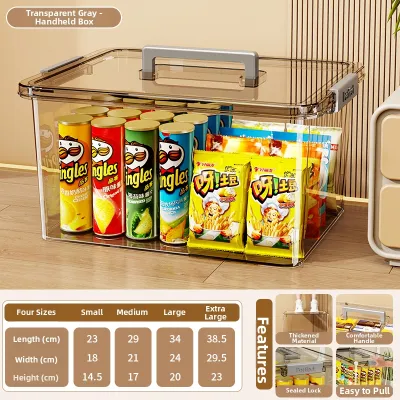
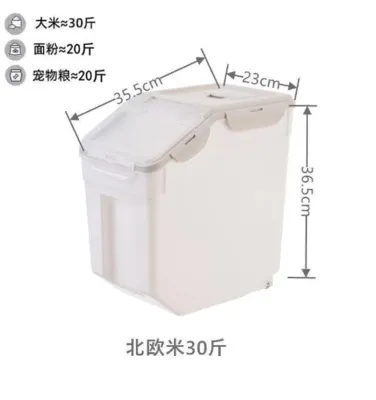
Prices are valid at publication and may change. Please refer to the product page for the latest price.
Finally, always subtract a practical clearance margin from your raw measurements. A safety buffer of at least 1.5 to 2 centimeters vertically and horizontally is highly recommended. This small gap prevents the top of the storage box from scraping against the underside of the bed frame and protects your flooring from friction damage when sliding the container in and out. If you have delicate flooring like parquet or vinyl, this margin is especially critical to avoid deep scratches.
Key Features to Evaluate in Sealed Storage Boxes
When evaluating a sealed storage box, it is vital to distinguish between basic water-resistant lids and true environmental seals. Many standard plastic bins feature snap-on lids that appear secure but actually leave microscopic gaps along the rim. In Singapore’s humid environment, these gaps allow moisture-laden air and fine dust to seep inside over time. To ensure maximum protection, look for boxes that specify a continuous silicone or rubber gasket embedded in the lid. This flexible gasket must compress fully against the rim of the box when the latches are closed. Multi-point latching systems—ideally with heavy-duty buckles on all four sides—are essential to maintain even pressure across the entire seal.
Mobility is another critical feature that directly impacts usability. Under-bed boxes can become incredibly heavy when filled, making them difficult to slide across carpets or hard floors. Compare boxes with built-in wheels against those with smooth, flat bottoms. While wheels make extraction effortless, they also add to the overall external height of the box, reducing your usable internal storage depth. If you choose a wheeled model, verify that the wheels are recessed or low-profile so they do not compromise the clearance margin you measured. For smooth-bottom designs, check if the plastic is thick enough to withstand friction without cracking or wearing down over time.
Structural integrity prevents the box from warping under pressure. Look for reinforced bases with molded grid patterns and ribbed lids. A weak lid will sag when weight is applied, which can break the airtight seal or make stacking multiple boxes impossible. If you plan to stack boxes under a high loft bed or within a deep bed frame, reinforced lids are non-negotiable.
Lastly, consider the visual design of the box. Transparent plastic bodies allow you to identify contents at a glance without breaking the seal and exposing the interior to ambient humidity. However, if your bed frame has open sides where the boxes are visible to guests, opaque designs in neutral colors offer a cleaner, more organized aesthetic. If you opt for opaque boxes, look for models that feature integrated label windows or flat surfaces where you can easily apply adhesive labels.
Matching Storage Boxes to Your Specific Needs
The ideal sealed storage box is not a one-size-fits-all solution; it depends heavily on what you intend to store. Different items impose unique demands on a container’s structural strength, sealing capability, and accessibility. By matching the box’s design features to the specific characteristics of your belongings, you can maximize space efficiency while ensuring long-term protection and ease of use.
Storing Seasonal Bedding and Bulky Clothing
Textiles like winter wear, spare bedsheets, and heavy comforters are highly vulnerable to moisture, dust mites, and musty odors. When storing these items under the bed, prioritize boxes with robust, continuous sealing gaskets that completely isolate the interior from the surrounding room air. Because fabric items are compressible, you can maximize space by using vacuum compression bags inside the sealed box. This dual-layer approach not only packs more clothing into a single container but also provides an extra layer of defense against humidity. To avoid having to open the box and break the seal just to check what is inside, select boxes with transparent lids or clear front panels that allow for quick visual inventory.
Storing Heavy Items, Books, and Equipment
If you plan to store dense, heavy items such as books, documents, fitness gear, or tools, structural durability must be your primary focus. Look for boxes constructed from thick, high-impact polypropylene with reinforced bases that will not bow or crack under heavy loads. The latches must be exceptionally sturdy to prevent the lid from popping open when the box is pulled or lifted. Before purchasing, check the manufacturer’s specifications for weight capacity and load-bearing limits. Additionally, prioritize boxes with integrated, molded handles rather than flimsy snap-on pull-tabs, as integrated handles distribute weight more evenly and are far less likely to snap off during extraction.
Storing Frequently Accessed Everyday Items
For items you need to reach on a regular basis, such as extra toiletries, toys, or daily accessories, convenience is just as important as protection. Pulling a large, heavy box completely out from under the bed every day can quickly become tedious. To solve this, look for innovative designs like dual-opening lids, hinged top panels, or front-loading drawers. These features allow you to access a portion of the box’s contents by sliding it out only halfway. If the box will be moved frequently, ensure it is equipped with smooth-rolling casters that glide easily across your bedroom floor. However, always verify that the rolling mechanism does not interfere with the box’s sealing integrity or add excessive height.
Maintenance and Care for Long-Term Use
To ensure your sealed storage boxes continue to protect your belongings for years to come, regular maintenance is essential. Over time, dust, hair, and fiber debris can accumulate along the sealing surfaces, preventing the gasket from forming a perfect barrier. Every few months, slide the boxes out and wipe down the exterior with a damp microfiber cloth. Open the lids and inspect the silicone or rubber gaskets for any signs of cracking, flattening, or degradation. Gently clean the gasket and the matching rim of the box with a soft, dry cloth to remove any dust buildup.
Even with a high-quality seal, it is wise to periodically air out stored textiles. Choose a dry, air-conditioned day to open the boxes, inspect the contents for any signs of trapped moisture, and let the items air out for a few hours before resealing them. When cleaning the plastic bodies, avoid harsh chemical solvents or abrasive scrubbing pads, which can scratch the surface and create micro-grooves where dust and mold spores can settle. A mild soap solution and a soft cloth are all that is needed to keep the containers clean and clear.
Frequently Asked Questions (FAQ)
Can I use regular plastic bins with snap-on lids for under-bed storage?
While standard plastic bins with snap-on lids are widely available and budget-friendly, they are generally unsuitable for long-term under-bed storage in humid climates. Standard lids typically warp slightly over time, leaving microscopic gaps along the rim. These gaps allow ambient humidity, fine floor dust, and pests to enter, which can ruin sensitive items like clothing, bedding, and books. For effective protection, it is highly recommended to invest in boxes specifically designed with continuous silicone or rubber gaskets and secure, multi-point latching buckles that compress the seal shut.
How do I prevent mold inside sealed storage boxes in a humid climate?
Preventing mold inside a sealed storage box requires ensuring that no moisture is trapped inside when you close the lid. Always make sure that clothes, bedding, and other textiles are completely dry and clean before storing them; even slightly damp fabrics can foster mold growth in a sealed environment. To actively manage internal humidity, place several silica gel desiccant packs or moisture absorbers inside each box before sealing it. Periodically check these absorbers and replace or recharge them according to the manufacturer’s instructions to maintain a dry internal environment.

Community discussion
Share your experience or ask a question. Comments are reviewed before publication.