
Selecting the right mattress firmness is not a matter of finding a universally perfect model, but rather of matching the bed’s structural resistance to your personal sleeping posture. For single sleepers, this decision carries unique physical implications. Because your body weight is concentrated over a smaller surface area, the way mattress materials compress and support your spine differs significantly from how they behave on larger, shared beds. Finding the correct balance prevents localized pressure buildup and ensures your muscles can fully relax during sleep.
Your primary sleeping position dictates how your body weight is distributed across the mattress surface. If the mattress is too firm, it will force your body to rest entirely on its widest points, leading to joint pain and poor circulation. If it is too soft, your heaviest zones will sink excessively, throwing your spine out of alignment. By understanding how different firmness levels interact with your sleeping posture, you can make an informed choice that promotes long-term spinal health and restful sleep.
Why Firmness and Support Matter for Single Sleepers
To choose the right mattress, you must first distinguish between firmness and support, as these terms describe two entirely different aspects of mattress performance. Firmness refers to the immediate feel of the mattress surface when you first lie down—whether it feels soft, cushiony, medium, or hard. Support, on the other hand, refers to the mattress’s ability to keep your spine in a neutral alignment. A mattress can have a soft surface feel but still offer excellent deep support, just as an incredibly hard mattress can fail to support the natural curves of your body.
Products mentioned in this guide


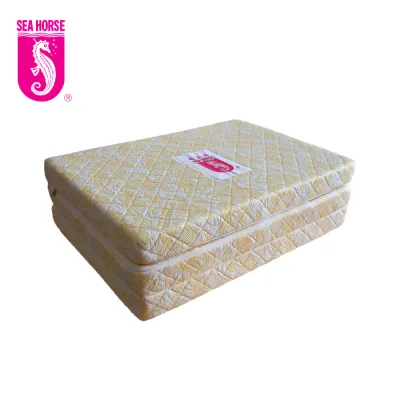
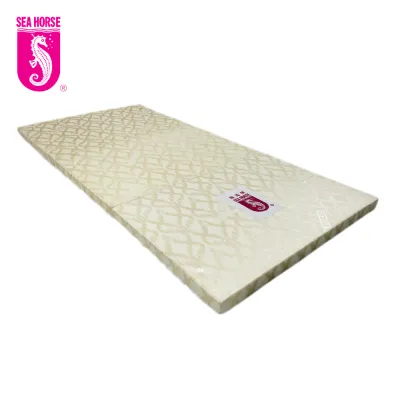
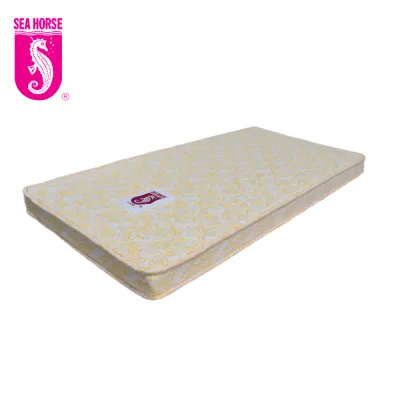
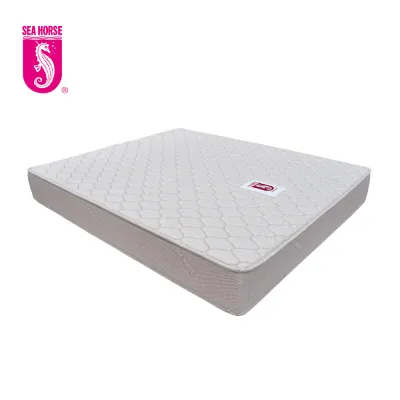
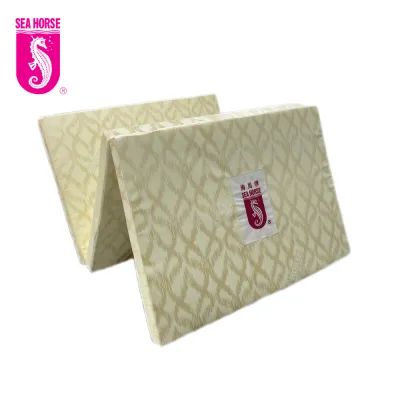
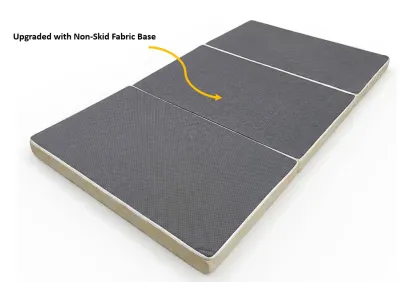
Prices are valid at publication and may change. Please refer to the product page for the latest price.
On a single mattress, which typically measures 91 centimeters by 190 centimeters in Singapore, weight distribution is highly concentrated. Unlike larger beds where weight is spread across a wider expanse of materials, a single sleeper exerts localized pressure on a narrow footprint. High-density foam and spring systems react directly to this concentrated load. If the mattress materials do not offer the correct level of resistance, the heaviest parts of your body—specifically the pelvis and shoulders—will either sink too deep or not sink enough, disrupting the natural alignment of your musculoskeletal system.
Choosing a mattress that is too soft for your body type and position leads to a phenomenon known as hammocking. When this occurs, your midsection sinks deep into the comfort layers while your head and feet remain elevated, placing immense strain on the ligaments and muscles of your lower back. Conversely, a mattress that is excessively firm does not allow the shoulders and hips to sink at all. This creates empty gaps beneath your lower back and waist, forcing your spinal muscles to remain tense throughout the night to support your body’s structure, which often results in morning stiffness and chronic aches.
Ideal Firmness for Side, Back, and Stomach Sleepers
Side sleepers require a mattress that offers excellent contouring and pressure relief. When you sleep on your side, your shoulders and hips bear the brunt of your body weight. To maintain a straight, horizontal spine, these prominent joints must be allowed to sink into the mattress, while the narrower waist and neck areas receive adequate upward support. A medium-soft to medium firmness level is generally ideal for side sleepers. This range provides enough surface give to cushion the shoulders and hips, preventing the numbness and tossing and turning associated with restricted blood flow.

Back sleepers need a balanced surface that accommodates the natural S-curve of the spine. If you sleep on your back, your mattress must support the lumbar region while allowing the buttocks to sink slightly. A medium to medium-firm mattress typically provides the optimal balance for this posture. This firmness level ensures that the mattress fills the gap under your lower back without allowing your pelvis to drop too far, which would flatten the lumbar curve and cause discomfort. The goal is to distribute your weight evenly across the entire surface of the bed.
Stomach sleepers face the greatest challenge when it comes to maintaining proper spinal alignment. Sleeping on your stomach naturally coaxes the lower back into an exaggerated arch. If the mattress is too soft, gravity pulls your abdomen deep into the comfort layers, severely straining the lumbar spine and neck. To prevent this swayback effect, stomach sleepers require a firm to extra-firm mattress. A rigid surface keeps the hips and pelvis elevated on the same plane as the shoulders, minimizing spinal extension and reducing the risk of waking up with lower back pain.
Combination sleepers, who rotate through multiple positions during the night, require a versatile middle-ground solution. If you are a combination sleeper, a true medium-firm mattress is usually the most accommodating choice. It offers enough surface contouring to cushion your shoulders when you roll onto your side, yet provides sufficient structural resistance to keep your hips from sagging when you turn onto your back or stomach. Additionally, combination sleepers should look for materials with good responsiveness, allowing them to change positions easily without feeling trapped in the mattress layers.
Translating Your Needs to Seahorse Mattress Specifications
When evaluating Seahorse single mattresses, it is essential to understand how manufacturer specifications translate to real-world comfort. Seahorse is widely recognized for its high-density foam formulations, which offer robust, long-lasting support. When browsing product descriptions or labels, pay close attention to the density ratings and material compositions. High-density foam cores provide the deep structural support necessary for spinal alignment, while the top comfort layers—often made of memory foam, latex, or softer polyurethane foam—determine the initial surface firmness.
To gauge how a mattress will feel, examine the thickness and material of the comfort layer relative to the support core. A model featuring a thick layer of memory foam over a high-density foam base is designed to contour to the body, making it highly suitable for side sleepers who need pressure relief. Conversely, a model that utilizes a solid, high-density foam core with minimal surface padding is engineered for maximum rigidity, making it an excellent match for stomach sleepers or those who prefer a traditional, ultra-firm sleeping surface. If you prefer a bit of bounce and active contouring, look for pocketed spring systems that isolate motion while adapting to your body’s movements.
While online specifications and material descriptions provide a helpful starting point, they cannot replace the value of physical testing. Firmness is highly subjective and is influenced by your individual body weight, shape, and local environmental conditions. In Singapore’s warm and humid climate, some foam materials can feel slightly softer or more conforming than they would in a cooler environment. Visiting a physical showroom allows you to lie down on different models in your actual sleeping position. Spend at least 10 to 15 minutes on each mattress to allow your body to settle and to accurately assess whether the surface provides genuine pressure relief and spinal support.
Final Checks Before Buying Your Single Mattress
Before finalizing your purchase, you must verify that the physical dimensions of the single mattress are fully compatible with your existing bedroom setup. While a standard Singapore single mattress typically measures 91 centimeters wide by 190 centimeters long, variations can occur depending on the manufacturer or the country of origin of your bed frame. Measure the inner dimensions of your bed frame carefully, taking into account any headboard clearances, footboard heights, and the depth of the mattress platform. A mattress that is even slightly too large will bunch up and compromise its structural support, while one that is too small will shift during the night.
It is equally important to review the purchase protections, warranties, and return policies offered by official brand stores or authorized retailers. Because it can take several weeks for your body to adjust to a new mattress, check if the retailer offers a comfort trial period that allows you to exchange the mattress if the firmness level does not suit your sleeping position. Additionally, read the warranty terms carefully to understand what constitutes a manufacturing defect, such as permanent sagging or foam degradation, and ensure you know how to file a claim should any structural issues arise over time.
Finally, assess the delivery logistics of your home to avoid unexpected complications on delivery day. High-density foam mattresses can be heavy and rigid, making them difficult to maneuver through tight spaces. Measure the width of your doorways, the height of your stairwells, and the interior dimensions of your building’s elevator to ensure the delivery team can safely transport the mattress to your bedroom. This is particularly crucial for high-rise condominium units or HDB flats with narrow corridors, where tight corners can present significant obstacles during the delivery process.
Frequently Asked Questions (FAQ)
Can I change the firmness of my Seahorse single mattress after buying it?
Yes, you can modify the surface feel of your mattress after purchase, though your options depend on whether you need to make it softer or firmer. If your mattress feels too firm, adding a high-quality mattress topper made of memory foam, latex, or plush microfiber is an effective way to introduce contouring and pressure relief. However, if your mattress is too soft, making it firmer is much more difficult. You can try placing a solid plywood board beneath the mattress or switching to a solid platform bed base to reduce sagging, but if the core support of the mattress is too soft for your sleeping position, you will likely need to replace the mattress itself.
Does a single mattress feel firmer than a larger size of the same model?
A single mattress can indeed feel slightly firmer than a queen or king-size mattress of the exact same model. Because a single bed has a smaller surface area, you naturally sleep closer to the reinforced edges of the mattress, where the border support is typically stiffer. Furthermore, your body weight is concentrated over a smaller volume of foam or fewer spring coils, which can result in less overall sinkage and a more rigid sensation. The type of bed base you use also plays a significant role; a solid, unyielding platform base will make any single mattress feel firmer, whereas a flexible slatted base will introduce a subtle amount of give to the overall sleep system.

Community discussion
Share your experience or ask a question. Comments are reviewed before publication.