
Selecting the right furniture for a compact living space requires a careful balance of utility, comfort, and spatial efficiency. The Sea Horse 2-seater sofa bed stands out as a popular dual-purpose solution designed to maximize floor space without sacrificing essential seating or sleeping areas. Whether you are furnishing a cozy apartment, a study room that doubles as a guest room, or a high-rise condominium, understanding how this specific piece of furniture functions is key to making an informed purchase. This comprehensive evaluation guide will help you assess the convertible mechanisms, spatial footprint, material durability, and comfort trade-offs of the Sea Horse 2-seater sofa bed to determine if it aligns with your daily household needs.
By examining the structural design and practical limitations of multi-functional furniture, you can avoid common pitfalls such as purchasing a unit that is too heavy to operate, too large for your layout, or uncomfortable for overnight guests. Rather than relying on generic marketing claims, this guide focuses on objective verification methods, physical measurements, and material checks that you can perform before making a final decision. Armed with these practical insights, you will be able to choose a configuration that enhances your home’s versatility while standing up to the rigors of daily use.
Evaluating the Convertible Mechanisms
To fully appreciate the utility of a 2-seater sofa bed, you must first understand the mechanical system that facilitates its transformation. Sofa beds generally employ one of several primary mechanism types: the classic click-clack hinge, the pull-out trundle, or the fold-out futon frame. When researching Sea Horse models, it is essential to consult the manufacturer’s technical specifications or visit a physical showroom to identify the exact mechanism used in your preferred model. Each system has distinct operational characteristics that affect how easily you can transition the unit from a comfortable seat to a supportive bed.
Products mentioned in this guide
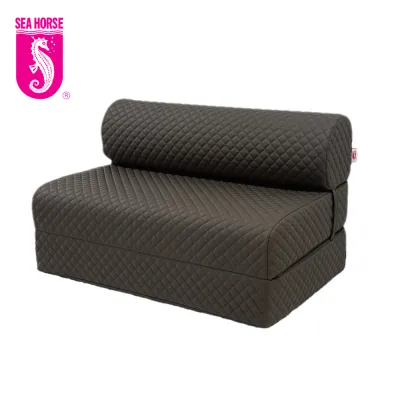
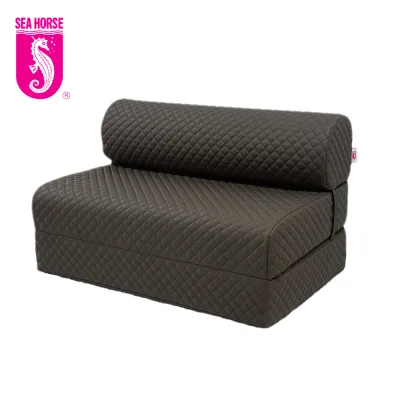
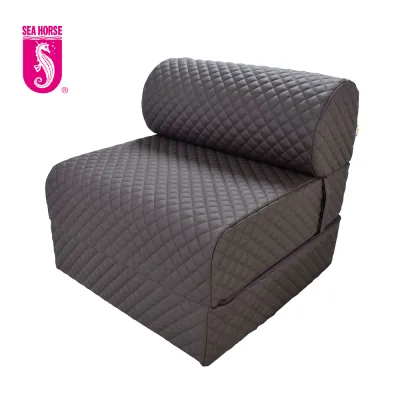
Prices are valid at publication and may change. Please refer to the product page for the latest price.
The click-clack mechanism is highly favored for its simplicity and speed of operation. It operates on a multi-stage locking hinge located at the junction of the seat and the backrest. To convert the sofa into a bed, you lift the seat section forward until you hear a distinct clicking sound, which signals that the locking mechanism has disengaged. You then lower the seat back down, allowing the backrest to fall flat into a horizontal position. When evaluating this mechanism, pay close attention to the physical effort required to lift the frame; a well-designed click-clack system should leverage internal springs to minimize the lifting force needed, making it manageable for a single user.
In contrast, a pull-out or trundle mechanism relies on a sliding underframe that extends outward from beneath the main seat cushion. Once the frame is fully extended, a secondary cushion is lifted or flipped into place to create a continuous sleeping surface. This design often provides a larger sleeping area but requires a smooth, unobstructed floor surface to operate correctly. If your living room features delicate hardwood parquet or thick, high-pile area rugs, you must verify that the casters or wheels on the pull-out frame are made of non-marking rubber or soft polyurethane to prevent scratching or snagging during daily transitions.
Regardless of the mechanism type, structural safety and stability must remain top priorities during your evaluation. Inspect the hinge assemblies and locking brackets for robust metal construction, looking for thick steel plates and secure bolting rather than thin, stamped metal parts. When the sofa bed is fully deployed into its sleeping configuration, apply localized pressure to the outer edges and corners to check for tipping or flexing. A stable frame should remain firmly anchored to the floor without lifting or wobbling, ensuring a safe sleeping environment for your guests.
Assessing Space-Saving and Storage Capabilities
In compact urban environments, such as high-density apartments in Singapore, managing the physical footprint of your furniture is critical to maintaining a comfortable and walkable home layout. Before purchasing a 2-seater sofa bed, you must carefully measure your available floor space and compare it against both the closed (sofa) and open (bed) dimensions provided by the manufacturer. This ensures that the furniture fits comfortably within your designated zone without obstructing essential pathways, doorways, or adjacent furniture pieces.

Begin by mapping out the sofa’s closed dimensions using painter’s tape directly on your living room floor. This visual aid allows you to assess whether there is adequate walking clearance around the unit when it is used as daily seating. Ideally, you should maintain a minimum clearance of 60 to 70 centimeters between the front of the sofa and any coffee tables, media consoles, or walls. This clearance prevents the room from feeling cramped and ensures that household members can move freely through the space without having to squeeze past the furniture.
Next, extend your tape measurements to represent the fully opened bed configuration. This step is crucial because a sofa bed’s footprint expands significantly when deployed. You must verify that the extended bed does not block access to built-in wardrobes, balcony doors, or electrical outlets that you need to reach daily. If the bed configuration blocks a primary walkway, consider whether you are willing to tolerate this temporary inconvenience during guest visits, or if you need to select a more compact model with a different folding orientation.
Many multi-functional sofa beds also incorporate hidden storage compartments, which are incredibly valuable for storing extra bedding, pillows, and seasonal linens. When evaluating a model with built-in storage, check the accessibility and internal capacity of the compartment. Some models feature a gas-lift mechanism that assists in raising the seat cushion, holding it securely open while you access the storage bay. Ensure that the storage area is well-ventilated and lined with protective material to prevent dust accumulation and moisture buildup, which can be a common issue in humid tropical climates.
Balancing Material Durability and Dual Comfort
Achieving the perfect balance between seating support and sleeping comfort is one of the greatest challenges when selecting a sofa bed. Because the cushions must serve two distinct purposes, they cannot be engineered in the same manner as a standard mattress or a plush lounge sofa. A sofa requires a firmer, more resilient cushion structure to support upright sitting and prevent your body from sinking into the underlying frame, whereas a bed typically benefits from a slightly more conforming surface to relieve pressure points along the shoulders and hips.
Sea Horse is widely recognized for utilizing high-density foam in its furniture products, which is highly beneficial for maintaining structural integrity over time. When evaluating the comfort of a 2-seater model, check the manufacturer’s specifications regarding foam density and firmness levels. A high-density foam core provides excellent spinal alignment for back sleepers and prevents the “bottoming out” sensation where you can feel the hard wooden or metal slats beneath the cushion. However, if you or your guests prefer a softer sleeping surface, you may want to budget for a removable mattress topper that can be added when the unit is configured as a bed.
Upholstery selection is another critical factor that directly impacts both comfort and long-term durability. Fabric upholstery offers excellent breathability, making it a comfortable choice for warm climates, but it requires regular vacuuming and prompt spot-cleaning to manage spills and dust mites. Synthetic leather, such as high-grade polyurethane (PU), offers a sleek, modern aesthetic and can be easily wiped clean with a damp cloth, making it highly practical for households with young children or pets. However, synthetic leather can trap body heat, so you should consider whether your room is consistently air-conditioned before choosing this material.
Finally, do not overlook the construction of the internal frame, as it bears the dynamic loads of both sitting and sleeping. Look for models constructed with kiln-dried hardwood or reinforced metal frames, which resist warping, cracking, and squeaking under regular use. Avoid frames made primarily of low-grade particleboard or thin fiberboard, as these materials are prone to structural failure at the joint connections when subjected to the repetitive stresses of folding and unfolding.
Pre-Purchase Verification Checklist
To ensure a seamless purchasing experience and avoid costly delivery complications, it is highly recommended to run through a practical verification checklist before placing your order. Many homeowners experience post-purchase regret not because of the product’s quality, but because of logistical oversights that could have been easily prevented with a few simple measurements and policy checks.
First, conduct a thorough delivery path audit from the street level all the way to your living room. Measure the width and height of your apartment’s entry door, any narrow corridors, and the clearance heights of stairwells. If you live in a high-rise condominium or an HDB flat, it is absolutely vital to measure the elevator cabin’s door opening, internal width, and diagonal depth. Compare these dimensions against the packaged shipping dimensions of the sofa bed, which are often significantly larger than the assembled product dimensions. If the package cannot fit into the lift, you may face additional delivery surcharges for manual staircase portage, or worse, the delivery team may be unable to bring the item into your home.
Second, verify the maximum weight capacity of the sofa bed by consulting the official product manual or asking the retailer directly. A standard 2-seater sofa bed should ideally support a static weight capacity of at least 150 to 200 kilograms to safely accommodate two adults. Ensure that this weight rating is clearly documented by the manufacturer, as overloading the frame can lead to bent hinges, cracked wooden slats, and voided warranties.
Third, carefully review the warranty terms and conditions provided by the retailer. A comprehensive warranty should offer separate coverage periods for the structural frame, the mechanical hinges, and the foam cushions. Be sure to clarify what constitutes a manufacturing defect versus normal wear and tear, and check whether the warranty covers the cost of transport and labor if a technician needs to repair the folding mechanism in your home. Understanding these details upfront will give you peace of mind and protect your investment for years to come.
Frequently Asked Questions (FAQ)
How do I maintain the folding mechanism to prevent squeaking?
To keep the folding mechanism of your sofa bed operating smoothly and quietly, you should perform a basic visual inspection every six months. Start by clearing any dust, lint, or debris from the metal tracks and hinge joints using a vacuum cleaner brush attachment or a dry microfiber cloth. Check for any loose screws, bolts, or brackets along the moving frame and gently tighten them with the appropriate hand tools. If you notice squeaking or resistance during transition, consult the manufacturer’s manual for approved lubricants. Many brands recommend using a dry silicone spray rather than heavy household oils, as wet lubricants can attract dust and fibers, leading to clogged mechanisms over time.
Can the Sea Horse 2-seater sofa bed be used as a primary bed?
While a high-quality 2-seater sofa bed is excellent for temporary guest accommodations or afternoon naps, it is generally not recommended as a primary, permanent bed for nightly sleep. Sofa beds feature integrated cushions and folding joints that create minor seams and uneven support zones, which can lead to physical discomfort or muscle stiffness over extended periods of daily use. Additionally, the constant weight of nightly sleep can accelerate foam compression and wear out the mechanical hinges much faster than occasional use. If you must use it as a primary bed due to extreme space constraints, consider adding a supportive, high-density foam mattress topper to bridge the seams and distribute your body weight more evenly.

Community discussion
Share your experience or ask a question. Comments are reviewed before publication.