
Evaluating the comfort of a Sea Horse 2-seater recliner against other brands in Singapore requires a systematic approach that goes beyond initial showroom impressions. Because comfort is highly subjective and varies based on individual body types, a reliable comparison must focus on verifiable specifications, structural build quality, and spatial compatibility. By examining cushion density, reclining mechanism designs, and frame construction, you can objectively determine which sofa best suits your living space and seating preferences.
When shopping for a 2-seater recliner, buyers often face a trade-off between plush, immediate softness and long-term ergonomic support. Many brands design their recliners to feel exceptionally soft during a brief sit-test, but these cushions may sag prematurely if the underlying foam density is low. Comparing a Sea Horse 2-seater sofa with alternative options involves analyzing how each manufacturer balances support, durability, and mechanical functionality to deliver lasting comfort.
What Defines True Comfort in a 2-Seater Recliner?
True comfort in a 2-seater recliner is determined by a combination of material science and ergonomics rather than brand reputation alone. The primary factor to evaluate is cushion foam density, which directly influences how well the seat supports your weight and recovers its shape over time. High-density polyurethane foam or pocketed spring systems typically offer superior longevity and consistent support compared to low-density fiberfill, which tends to flatten after regular use. You can check these details by reviewing the manufacturer’s product specification sheet or looking for density ratings on the law tags attached to the sofa.
Products mentioned in this guide
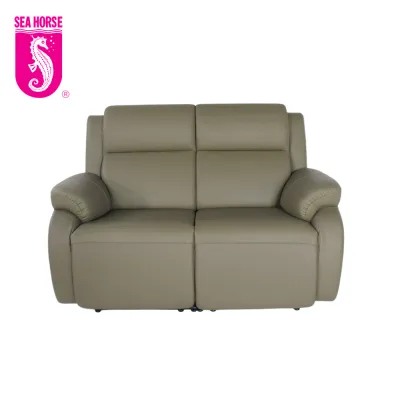
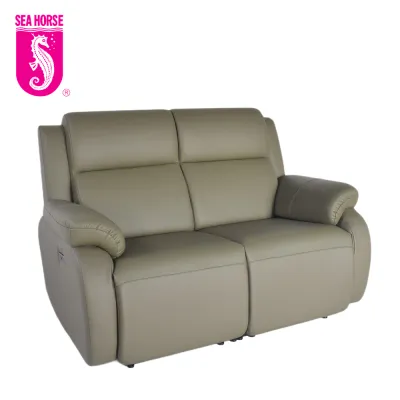
Prices are valid at publication and may change. Please refer to the product page for the latest price.
Another critical element is the alignment of lumbar and neck support when transitioning between different seating angles. A well-designed recliner should maintain contact with your lower back in both the upright and fully reclined positions, preventing muscle strain. When testing a sofa, observe whether your neck remains in a neutral position or if it is forced forward, which can cause discomfort during extended viewing or resting sessions.
Upholstery material also plays a significant role in daily comfort, particularly in Singapore’s warm and humid climate. Synthetic leather, genuine leather, and various fabric blends differ greatly in their breathability, heat retention, and tactile feel. Checking the material composition labels allows you to assess whether the upholstery will remain cool and comfortable against your skin or if it is prone to trapping body heat during long afternoons.
How to Evaluate Sea Horse Recliner Specifications
When examining a Sea Horse 2-seater sofa, start by identifying the specific type of reclining mechanism utilized in the model. Recliners generally fall into three categories: manual latch-release systems, push-back mechanisms that rely on body weight, and motorized electric systems. Each type has distinct operational characteristics, and you should verify the manufacturer’s stated weight capacity to ensure the mechanism can safely support users over years of daily operation.

Next, carefully review the upholstery material tags for specific care instructions and durability ratings. Look for indicators of abrasion resistance, such as the Martindale rub count, if available in the product documentation. Understanding whether the material requires specialized leather conditioners or if it can be easily wiped down with a damp cloth will help you determine if the maintenance routine fits your lifestyle.
Finally, conduct a close physical inspection of the visible stitching, seam reinforcement, and base construction of the Sea Horse model. Double-stitched seams and reinforced piping are reliable indicators of high-quality tailoring that can withstand the tension of reclining movements. Inspect the underside of the sofa, if accessible, to observe how the fabric is secured to the frame and whether the dust cover is neatly attached, as these details reflect the overall care taken during manufacturing.
Comparing Build Quality and Reclining Mechanisms
Comparing the build quality of a Sea Horse recliner to other brands requires looking closely at the internal frame materials and moving parts. High-quality recliners typically utilize solid hardwood or heavy-duty metal frames in load-bearing areas, whereas budget alternatives may rely heavily on engineered wood or thinner metal alloys. When evaluating any model, ask the retailer for structural specifications or check the product manual to verify the frame composition, as a sturdy frame prevents warping and squeaking over time.
The reclining mechanism itself is the most critical moving component and must be tested thoroughly for smoothness, noise, and resistance. Operate the recliner multiple times, listening closely for any grinding, clicking, or rubbing sounds that could indicate misalignment or low-grade hardware. The transition from upright to fully reclined should feel fluid and controlled, without requiring excessive physical exertion or sudden, jarring drops.
Additionally, assess the stability of the footrest extension when it is fully deployed and locked into position. Apply gentle downward pressure to the edge of the footrest to check for excessive wobbling or flexing, which can indicate weak hinges or loose fasteners. A secure locking mechanism ensures that the footrest remains stable under the weight of your legs and will not collapse unexpectedly during use.
Checking Spatial Clearance and Ergonomic Fit
Before finalizing any 2-seater recliner purchase, you must ensure the physical dimensions of the sofa are compatible with both your living room layout and the delivery path. Recliners require significant wall clearance to transition into a full recline, and this distance varies greatly between standard models and specialized “wall-hugger” designs. Measure the distance from the back of the sofa to the wall when fully extended to confirm that the unit will not strike your walls or block walkways.
In Singapore, navigating tight spaces such as HDB or condominium lifts, narrow corridors, and apartment doorways is a common delivery challenge. Always verify the finished dimensions of the recliner—both fully assembled and in its shipping box—against the minimum clearance widths of your entryways and elevators. Choosing a model with a removable backrest can greatly simplify the delivery and installation process in restricted spaces.
Ergonomic fit is equally vital, as a recliner that is too deep or too shallow can cause physical discomfort over time. Sit fully back in the chair to check if your feet rest flat on the floor when upright, and ensure the armrests are at a natural height that does not force your shoulders upward. The seat depth should allow your knees to bend comfortably over the edge without pressing tightly against the cushion, promoting healthy circulation during long periods of sitting.
How to Decide Between Sea Horse and Alternatives
Deciding between a Sea Horse 2-seater recliner and alternative brands ultimately depends on matching your specific spatial constraints, aesthetic preferences, and comfort requirements to the verified features of each model. If a particular Sea Horse model offers the exact cushion firmness, manual or motorized mechanism, and upholstery material that fits your lifestyle, it represents a practical choice for your home. Ensure that its physical dimensions align with your room layout and that the delivery requirements can be met without structural obstacles.
On the other hand, you may want to consider alternative brands if your living space demands highly specialized features. For instance, if you have limited floor space, you might need a zero-wall-clearance recliner that can be placed directly against a wall, a feature that may not be standard across all Sea Horse designs. Similarly, if you require advanced ergonomic adjustments, such as independent power headrests or lumbar support systems, exploring other specialized brands may yield a better match.
Regardless of the brand you lean toward, the most reliable way to guarantee satisfaction is to test the exact models in a physical showroom before making a final purchase. Sit in the recliner for at least ten to fifteen minutes, operate the mechanism repeatedly, and feel the upholstery texture firsthand. This physical verification allows you to assess cushion firmness and mechanical smoothness accurately, ensuring your investment delivers the long-term comfort you expect.
Frequently Asked Questions (FAQ)
Do 2-seater recliners require special floor protection?
Yes, 2-seater recliners can exert significant point-load pressure on your flooring due to their heavy internal steel mechanisms and concentrated weight distribution. To prevent scratches, dents, or scuffs on sensitive surfaces like vinyl, laminate, or polished hardwood, you should inspect the base glides or feet of the recliner. If the manufacturer’s instructions recommend floor protection, or if the pre-installed glides are made of hard plastic or metal, applying heavy-duty felt pads or placing a low-profile protective mat underneath the sofa is highly recommended.
What should I check if the reclining mechanism feels stiff?
If your recliner’s mechanism feels stiff or difficult to operate, begin with a basic visual inspection of the underside of the chair. Check for any packaging materials, plastic ties, or loose fabric that may have become caught in the moving hinges or tracks. Ensure that the sofa is positioned on a completely level surface, as an uneven floor can warp the frame slightly and cause the mechanism to bind. If you observe any asymmetrical movement, metal shavings, or hear grinding noises, stop using the recliner immediately and contact the manufacturer’s customer support rather than attempting to lubricate or repair the mechanism yourself.

Community discussion
Share your experience or ask a question. Comments are reviewed before publication.