
Choosing the right living room table (客厅桌子) for your Singapore home often comes down to a choice between two of the most popular modern design movements: Scandinavian and Japandi. While both styles champion minimalism, clean lines, and functional beauty, they create distinctly different atmospheres. Scandinavian design focuses on bright, airy, and highly practical layouts that maximize light, making it an excellent choice for opening up compact urban spaces. On the other hand, Japandi introduces a grounded, serene warmth by blending Nordic simplicity with the rustic, organic, and intentional imperfection of Japanese aesthetics.
Deciding which style suits your home depends on several practical and aesthetic factors, including your existing living room lighting, your preferred color palette, and the layout of your space. A coffee table is often the physical and visual centerpiece of a living room, meaning its material, height, and silhouette will set the tone for the entire area. By understanding the subtle differences in wood tones, structural profiles, and spatial requirements, you can select a piece that seamlessly integrates into your home while standing up to the demands of daily life.
Defining the Aesthetics: Scandinavian vs Japandi Design
To choose the right living room table, it is essential to understand the core philosophies that drive these two design movements. Scandinavian design emerged in the mid-twentieth century from the Nordic countries, where long, dark winters inspired interiors focused on warmth, light, and comfort. This concept, often referred to as “hygge,” emphasizes creating a cozy, welcoming sanctuary. Scandinavian furniture prioritizes highly functional, uncluttered designs that keep spaces feeling open and bright, utilizing light-reflecting surfaces and pale woods to make the most of available natural light.
Products mentioned in this guide
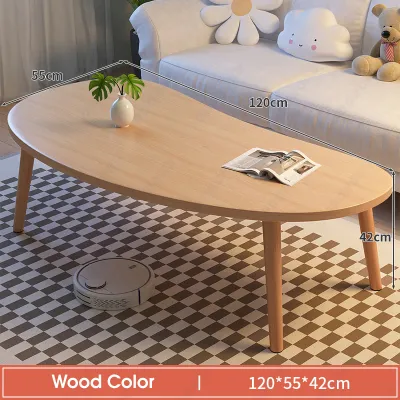

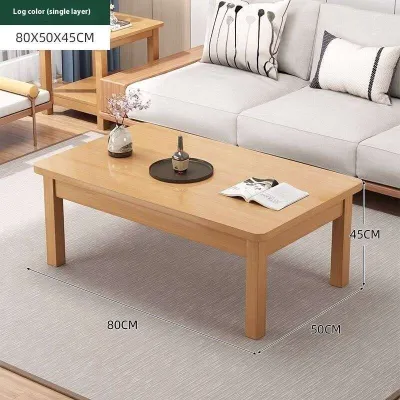
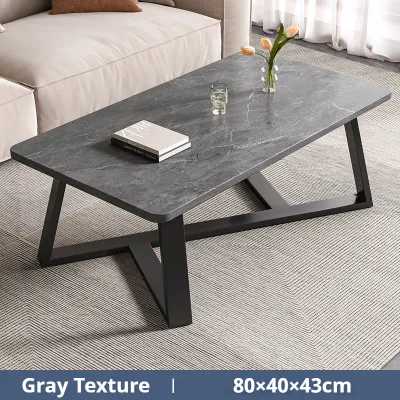
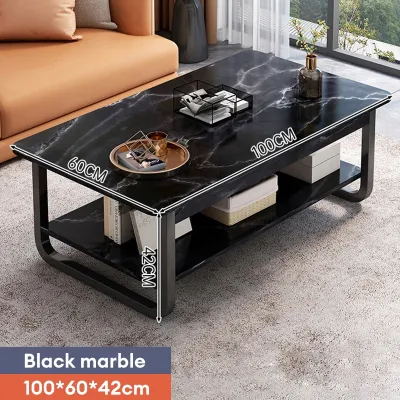
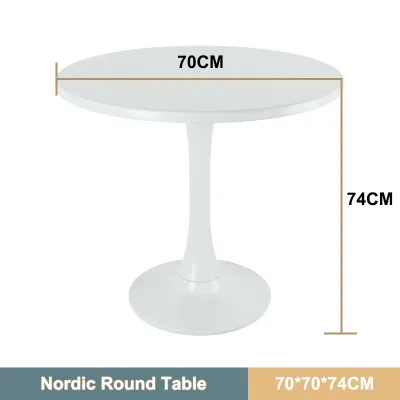
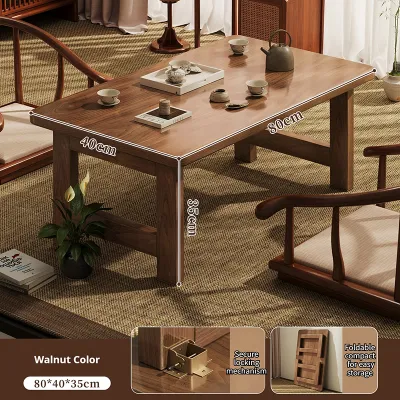

Prices are valid at publication and may change. Please refer to the product page for the latest price.
Japandi design is a modern fusion that brings together this Scandinavian functionality with the traditional Japanese philosophy of “wabi-sabi.” Wabi-sabi is the art of finding beauty in imperfection, transience, and the natural cycle of growth and decay. When applied to furniture, this translates into an appreciation for raw textures, asymmetrical shapes, and materials that age gracefully over time.
These underlying philosophies significantly affect the visual weight and mood of your living room. A Scandinavian coffee table typically feels light, playful, and energetic, encouraging a social and practical environment. A Japandi coffee table, by contrast, acts as a grounding element, promoting a sense of calm, mindfulness, and quiet contemplation. Understanding this distinction helps you decide whether you want your living room to feel like a bright, active family hub or a serene, meditative retreat.
Key Comparison Dimensions for Coffee Tables
When comparing Scandinavian and Japandi coffee tables side by side, the differences become apparent in their physical construction, surface treatments, and silhouettes. Examining these design dimensions allows you to match a table to your existing decor with greater precision.

Materials, Finishes, and Textures
The choice of materials and surface finishes is one of the most immediate ways to distinguish between these two styles. Scandinavian coffee tables predominantly feature light-toned woods such as ash, beech, pine, and light oak. The surfaces are sanded smooth to the touch, emphasizing clean lines and a flawless, uniform look. Occasionally, Scandinavian designs incorporate practical accents like tempered glass inserts, painted white tops, or slender metal legs to enhance the feeling of lightness.
Japandi coffee tables lean heavily into richer, darker, or more varied wood tones, such as medium oak, walnut, or even charred wood finishes inspired by traditional Japanese techniques. The focus is on tactile, raw textures rather than smooth perfection. You will often find tables with highly visible wood grains, knots, and natural variations left exposed. In addition to wood, Japandi designs frequently incorporate organic materials like natural stone, concrete, textured plaster, or ceramic inlays. These materials add a sense of weight and permanence to the piece. Before purchasing any wooden table, it is wise to check the manufacturer’s care labels to verify the type of sealant used, ensuring it offers adequate protection against spills and daily wear.
Shapes, Profiles, and Structural Details
The silhouette and structural profile of a coffee table dictate how it occupies space in your living room. Scandinavian tables are known for their slender, tapered legs that angle outward, a classic mid-century design cue that lifts the table high off the ground. This elevated profile creates a sense of spaciousness by keeping the floor underneath visible, which also makes cleaning much easier. The tabletops often feature soft, rounded edges, organic kidney shapes, or simple circles that prevent the furniture from looking too rigid or imposing.
Japandi coffee tables, conversely, feature much lower profiles that sit closer to the floor, drawing inspiration from traditional Japanese floor-level living. These tables often utilize solid, blocky bases, thick cylindrical legs, or plinth-style foundations that give them a sturdy, anchored appearance. The shapes can range from strict, clean-lined rectangles to organic, free-form slabs of wood that follow the natural curve of the tree trunk. Because of their lower height, it is crucial to measure your existing sofa’s seat height and cushion depth before buying.
Matching the Coffee Table to Your Living Room Setup
Integrating a new coffee table into your home requires looking beyond the piece itself and evaluating how it interacts with your current living room environment. You do not need to redesign your entire home to accommodate a new style, but you should consider how the table will fit into your existing lighting, color palette, and furniture arrangement.
Lighting plays a pivotal role in how these styles perform visually. Scandinavian design thrives in spaces with abundant natural light. If your living room has large windows or a bright, open-plan layout, a light wood Scandinavian table will help bounce light around the room, enhancing the airy feel. Japandi design, however, is highly effective in spaces that embrace softer, ambient lighting. If your home relies more on warm downlights, floor lamps, and cozy corners, the rich textures and deeper tones of a Japandi table will interact beautifully with shadows, creating a warm, intimate, and layered atmosphere.
Your existing color palette should also guide your choice. If your living room features a base of crisp whites, cool grays, soft pastels, or light blue accents, a Scandinavian table will complement these tones perfectly without clashing.
Finally, consider the visual weight of your current furniture. A heavy, low-profile leather sofa pairs naturally with the grounded nature of a Japandi table, whereas a slim-line fabric sofa with exposed wooden legs aligns beautifully with the airy, elevated structure of a Scandinavian piece. Balancing these elements ensures that your living room table (客厅桌子) feels like an intentional addition rather than an afterthought.
Practical Considerations for Singapore Homes
Living in Singapore introduces unique spatial and environmental factors that must be considered when selecting furniture. Whether you reside in a cozy HDB flat or a modern condominium, practical usability is just as important as aesthetic appeal.
Space optimization is a primary concern for many local homeowners. In compact living rooms, a massive, solid coffee table can restrict movement and make the space feel cramped. For smaller layouts, Scandinavian nesting tables are an excellent solution, as they can be stacked together when not in use and spread out when hosting guests.
Singapore’s tropical climate also demands careful material selection and maintenance. High humidity levels can cause solid wood to expand and contract, potentially leading to warping or joint separation over time. When choosing a wooden coffee table, check that the timber has been properly kiln-dried and sealed with a moisture-resistant finish. It is also advisable to position your wooden furniture away from direct air-conditioning drafts, as rapid temperature and humidity fluctuations can stress the wood fibers.
Lastly, do not overlook clearance and flow. To ensure comfortable movement around your living room, aim for a clearance of at least 30 to 45 centimeters between the edge of the coffee table and your sofa. This provides enough legroom while keeping the table within easy arm’s reach. Additionally, ensure there is a clear walkway of at least 60 centimeters between the table and other major furniture pieces, such as your TV console or shelving units, to prevent accidental bumps.
Decision Framework: Which Style Should You Choose?
To help you make your final decision, consider this straightforward framework based on your lifestyle, home environment, and personal preferences.
You should choose a Scandinavian coffee table if your priority is a bright, cheerful, and highly functional living space. This style is ideal if you have a busy household, prefer easy-to-clean surfaces, and want to make a small room feel larger and more open.
You should choose a Japandi coffee table if you want to create a tranquil, grounding sanctuary focused on natural textures and mindful living. This style is highly suitable if you appreciate the unique character of raw materials, prefer low-slung furniture, and want to introduce a touch of dramatic warmth to your home. It works best in spaces where you want to encourage relaxation and slow down after a busy day.
Before making your purchase, always verify the specific care requirements of the table’s materials, especially if you are opting for untreated or minimally finished wood. If your living room currently lacks a cohesive color palette or clear design direction, starting with a neutral, mid-toned wood table can provide a versatile foundation that allows you to steer the room toward either Scandinavian brightness or Japandi warmth as your decor evolves.
Frequently Asked Questions (FAQ)
Can I mix Scandinavian and Japandi furniture in the same room?
Yes, you can absolutely mix Scandinavian and Japandi furniture because they share the same minimalist DNA and focus on functionality. To do this successfully, focus on balancing the wood tones and visual weights. For example, if you have a light oak Scandinavian sofa, you can pair it with a slightly darker, low-profile Japandi coffee table to add depth, provided you tie them together with a neutral rug and cohesive soft furnishings. Avoid mixing too many different wood species, and aim to keep the overall leg styles and silhouettes complementary rather than contradictory.
How do I maintain solid wood coffee tables in a humid climate?
Maintaining solid wood in a humid climate like Singapore requires a few simple but consistent habits. Always follow the manufacturer’s specific care instructions, as different finishes require different cleaning methods. Use coasters under hot mugs and cold drinks to prevent heat marks and water rings from damaging the sealant. Avoid placing your table in direct sunlight or directly under air-conditioning vents, as extreme temperature changes can cause the wood to warp or crack. Regularly dust the surface with a soft, dry microfiber cloth, and address any spills immediately to prevent moisture from penetrating the wood grain.

Community discussion
Share your experience or ask a question. Comments are reviewed before publication.