
The ideal nordic dining chair depends on your room’s lighting, existing color palette, and desired atmosphere. Scandinavian minimalism suits bright, highly functional spaces; Japandi fits warm, textured, and grounded environments; Danish Modern complements rooms featuring organic curves and rich, mid-century craftsmanship. By evaluating your home’s architectural features, existing furniture, and daily habits, you can select a seating style that feels both intentional and highly integrated.
Choosing the right seating is more than an aesthetic exercise; it directly impacts how you experience your dining area daily. A chair must support your posture, fit comfortably beneath your table, and allow smooth movement within the room. Understanding the subtle design philosophies behind these three prominent Nordic sub-styles will help you narrow down your options and make an investment that aligns with your lifestyle.
Understanding the Core Aesthetics of Each Nordic Style
Scandinavian minimalism emerged in the mid-twentieth century, driven by a need for bright, airy interiors during long, dark winters. This style prioritizes clean lines, high functionality, and a lightweight visual presence. Chairs in this category often feature slender legs, pale woods, and open backrests that allow light to pass through freely. The focus is on stripping away unnecessary ornamentation to let the structural form and utility of the chair stand out, making it an excellent choice for open-plan layouts where visual clutter must be kept to a minimum.
Products mentioned in this guide
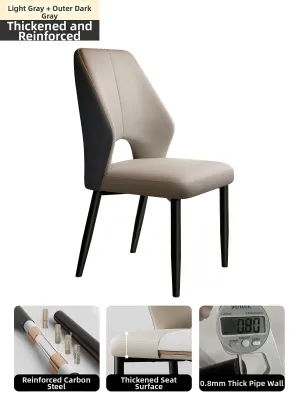
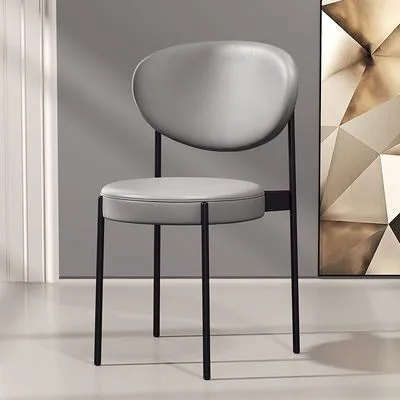
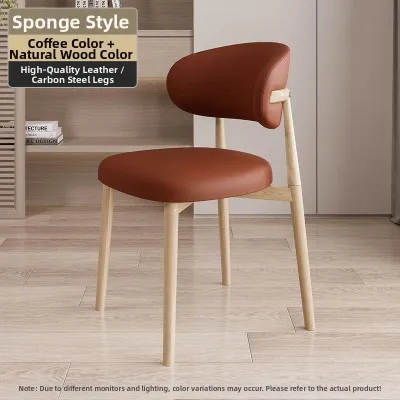
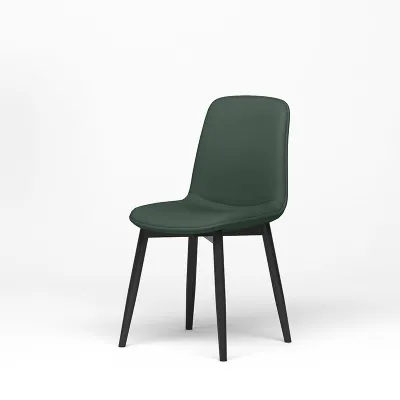
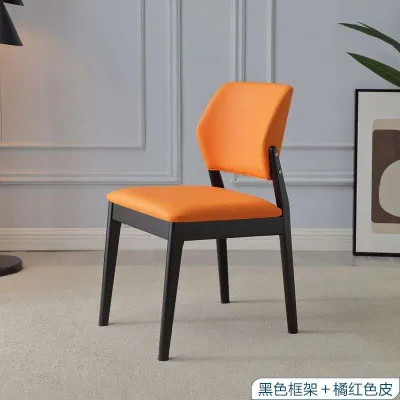
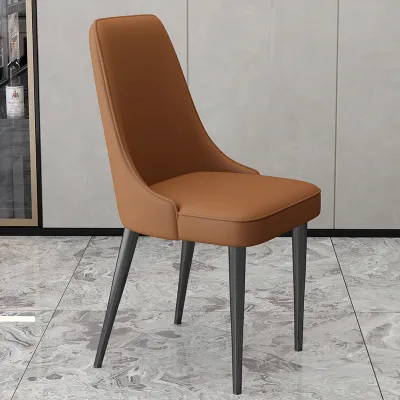
Prices are valid at publication and may change. Please refer to the product page for the latest price.
Japandi represents a thoughtful fusion of Scandinavian functionality and Japanese wabi-sabi philosophy. This aesthetic embraces the beauty of natural imperfection, simplicity, and a deep connection to the earth. Japandi dining chairs tend to have a lower profile, grounding the dining space and creating a relaxed, intimate atmosphere. The designs often incorporate organic textures, curved backrests, and a sense of quiet craftsmanship that encourages slow, mindful living, frequently utilizing muted accent colors like charcoal, olive, or warm beige.
Danish Modern design highlights organic curves, ergonomic silhouettes, and exceptional mid-century craftsmanship. Originating from the work of pioneering Danish architects, this style treats furniture as functional sculpture. Danish Modern dining chairs are characterized by their fluid lines, tapered legs, and sophisticated joinery. Rather than hiding the structural connections, these chairs celebrate the joints and curves as central design elements, offering a timeless, expressive look that provides excellent lumbar support for long, comfortable dinners.
Verifying Materials, Wood Tones, and Upholstery
When shopping for a nordic dining chair, examining the materials and wood species is essential to ensure the piece matches your aesthetic goals. Scandinavian minimalist chairs frequently utilize light-toned woods such as ash, beech, or birch. These species feature subtle, straight grain patterns that contribute to a clean, uniform appearance. They reflect natural light beautifully, helping small or dimly lit dining rooms feel more spacious and open.

Japandi chairs often lean toward warm oak, medium-toned ash, or sustainable bamboo. These materials introduce a rustic warmth and a tactile quality that aligns with the wabi-sabi appreciation for natural variations. The wood grain in Japandi furniture is often more pronounced, showcasing knots and organic patterns. This texture adds depth to the dining area, making the seating feel grounded and connected to the natural world.
Danish Modern chairs typically showcase richer, darker timbers like teak, walnut, or stained oak. These woods are prized for their deep, warm hues and prominent, swirling grain patterns that highlight the chair’s sculptural curves. The darker tones create a striking contrast against neutral walls and bring a sense of mid-century sophistication to the dining room.
Upholstery choices also vary significantly across these three styles, altering both the comfort and the visual weight of the chair. Scandinavian minimalist designs often feature smooth, tightly woven cotton or linen blends in neutral shades like light gray, cream, or soft blue. Japandi seating frequently incorporates highly textured fabrics such as bouclé, raw linen, or woven hemp, which invite touch and add physical warmth. Danish Modern chairs often utilize premium leather or traditional woven paper cord, both of which age beautifully and develop a unique patina over time.
To ensure you are purchasing authentic materials rather than low-quality imitations, always verify the product specifications and manufacturer tags. Check whether the chair is constructed from solid hardwood or a wood veneer, as this affects both the weight and the long-term care requirements. Review the fabric composition and cleaning codes on the care labels to confirm the upholstery fits your household’s maintenance tolerance, especially if you have young children or pets.
Evaluating Your Existing Dining Space
Before selecting a specific chair style, take a close look at how natural and artificial light behaves in your dining room. Bright, sun-drenched spaces with large windows can easily accommodate the rich, dark tones of Danish Modern teak or walnut without feeling cramped. Conversely, if your dining area relies heavily on artificial lighting or has limited window exposure, the pale woods of Scandinavian minimalism can help bounce light around the room, preventing the space from feeling gloomy.
Your existing wall colors and flooring should also guide your choice of dining chairs. If your home features cool white, soft gray, or pastel walls paired with light oak or tiled flooring, Scandinavian minimalist chairs will blend seamlessly, creating a cohesive, low-contrast environment. For homes with warm beige, terracotta, or textured plaster walls and concrete or dark wood floors, the earthy tones of Japandi chairs will complement the background beautifully. If your walls are painted in deep, moody colors or feature classic wood paneling, Danish Modern chairs can provide the necessary visual weight to anchor the room.
The design of your current dining table is another critical factor in your decision. A minimalist, straight-edged table with clean metal or light wood legs pairs naturally with Scandinavian minimalist chairs, maintaining a sleek and streamlined look. A heavy, rustic wooden table or a low-profile pedestal table coordinates wonderfully with the grounded, organic feel of Japandi seating. If you own a classic mid-century modern table with tapered legs or an oval shape, Danish Modern chairs will complete the vintage-inspired, sculptural aesthetic, ensuring the entire dining set feels unified.
The Final Decision Framework
To finalize your choice, evaluate your home against this practical, condition-based framework. Choose Scandinavian minimalism if your dining space is compact, prioritizes bright natural light, and you prefer a highly functional, lightweight setup that is easy to move and clean. This style is ideal for busy households that value simplicity and an uncluttered, airy atmosphere.
Opt for Japandi if you want to create a serene, sanctuary-like dining experience focused on comfort, natural textures, and warm, earthy tones. This style works best in homes that embrace organic materials, low-profile furniture, and a cozy, relaxed lifestyle.
Select Danish Modern if you appreciate classic mid-century design, sculptural wooden frames, and visible craftsmanship. This style is perfect for those who want their dining chairs to serve as statement pieces and who appreciate the rich character of darker wood grains.
Before placing an order, always verify the physical compatibility of the chairs with your existing dining table. Measure the distance from the floor to the underside of your table apron to ensure there is at least 25 to 30 centimeters of clearance for your legs. Check the seat depth and width of the chairs to confirm they can slide fully under the table when not in use, preserving valuable walkway space. If your dining area is a high-traffic zone, ensure you leave at least 90 centimeters of clearance between the back of the chairs and the nearest wall or cabinet to allow people to pass comfortably.
Frequently Asked Questions (FAQ)
Can I mix Japandi and Scandinavian dining chairs in the same room?
Yes, you can successfully mix these two styles if you maintain a cohesive design thread throughout the space. Because both styles share a foundation of functional minimalism, they pair well together when you keep the wood tones within the same color temperature family, such as pairing light ash with pale oak. To prevent the room from looking chaotic, ensure the chairs share a similar visual weight and seat height. You can also unify the look by using a consistent color palette for the upholstery or by placing matching cushions on different chair frames.
How do I care for woven paper cord seats on Danish Modern chairs?
Woven paper cord is a durable, traditional material, but it requires specific care to maintain its structural integrity and appearance. Always check the manufacturer’s care instructions before attempting any cleaning. For routine maintenance, vacuum the seat gently with a soft brush attachment to remove dust and crumbs. Avoid exposing the paper cord to excessive moisture or harsh chemical cleaners, as water can weaken the fibers. If a spill occurs, blot it immediately with a clean, damp cloth without rubbing, and allow the seat to air dry completely before using it again. For deep cleaning or structural repairs, consult a professional furniture restorer.

Community discussion
Share your experience or ask a question. Comments are reviewed before publication.