
Determining whether a Sandy leather sofa or an alternative brand offers better value in Singapore depends on a systematic verification of material specifications rather than marketing claims. True value is not merely the lowest price tag, but the ratio of durability, structural integrity, and comfort to the total cost in Singapore dollars (S$). Because Singapore’s tropical climate poses unique challenges to organic materials like leather, buyers must evaluate how each brand’s offerings stand up to high humidity and daily wear before making a commitment.
When shopping for a major furniture piece, it is easy to get distracted by aesthetic designs or promotional discounts. However, a sofa is a long-term investment that should withstand years of daily use without sagging, peeling, or losing its shape. By understanding the core components of leather sofa construction and comparing brands based on objective, verifiable metrics, you can make an informed decision that suits both your living space and your budget.
What Defines True Value in a Leather Sofa?
To establish a baseline for evaluating any leather sofa brand, you must first understand the different grades of leather available on the market. Full-grain leather is highly durable, retaining the natural hide’s outermost layer with all its unique markings and breathability. This grade develops a beautiful patina over time and offers excellent longevity, though it comes at a premium price. Top-grain leather is the next tier, where the surface is lightly sanded to remove imperfections, resulting in a more uniform appearance and excellent resistance to daily wear.
Products mentioned in this guide
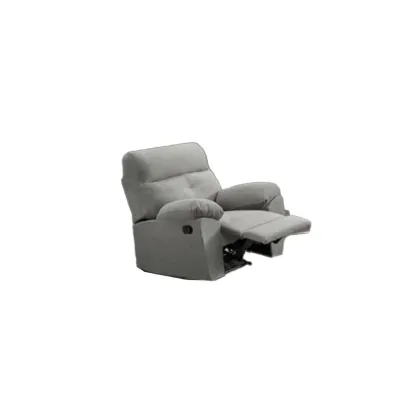
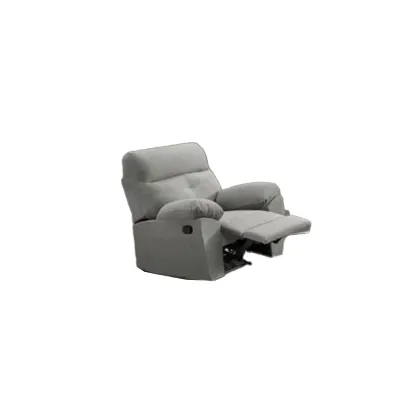
Prices are valid at publication and may change. Please refer to the product page for the latest price.
In contrast, products labeled simply as “genuine leather” often utilize lower-grade split leather that has been heavily processed, embossed, and coated with polyurethane. While more affordable, genuine leather lacks the breathability and longevity of top-grain options. The lowest tier is bonded leather, which consists of shredded leather scraps mixed with synthetic binders. Bonded leather is highly susceptible to cracking and peeling, making it poorly suited for long-term use, especially in warm environments.
Beyond the upholstery, the internal frame materials dictate the sofa’s structural lifespan. High-quality sofas typically feature frames constructed from kiln-dried hardwood, such as birch, oak, or maple. The kiln-drying process removes moisture from the wood, preventing it from warping, cracking, or bowing over time. In contrast, frames made from green wood or low-grade engineered wood like particleboard are prone to structural failure under heavy loads or high humidity.
The suspension system and cushion filling also play critical roles in maintaining comfort and shape. Look for suspension systems that utilize high-tensile sinuous springs or robust elastic webbing to support the cushions. For the filling, high-density polyurethane foam wrapped in polyester fiber or down feathers provides an optimal balance of support and plushness. Low-density foam may feel comfortable initially but will quickly compress and sag, leaving unsightly indentations.
Singapore’s humid climate is a decisive factor when selecting leather furniture. High humidity levels can trap moisture in poorly ventilated spaces, leading to mold growth on natural leather or accelerating the breakdown of synthetic coatings on bonded leather. Breathable top-grain leather allows air and moisture to circulate, reducing the sticky sensation often experienced with synthetic alternatives. Proper ventilation and regular maintenance are essential to preserve the integrity of any leather sofa in a tropical environment.
Evaluating Sandy Leather Sofas: Core Characteristics to Verify
When considering a Sandy leather sofa, you must actively verify the specific materials and construction methods used in their current collections. Do not rely solely on general brand reputation; instead, request detailed product specifications from the retailer or inspect the physical product tags. Confirm whether the model you are interested in uses top-grain leather across all contact surfaces, including the seats, backrests, and armrests.

Many brands utilize a “half-leather” configuration to manage costs, where genuine leather is used on contact areas while matching synthetic PVC or polyurethane is applied to the back and sides. If a Sandy model uses this configuration, verify that the synthetic match is of high quality and that the color and texture blend seamlessly with the natural leather. A full-leather sofa, while more expensive, ensures uniform aging and wear across the entire piece.
Next, investigate the internal frame construction of the Sandy sofa. Ask the sales representative or consult the manufacturer’s technical documentation to confirm if the frame is built with kiln-dried hardwood. If engineered wood is used, check if it is limited to non-structural panels or if it is used in load-bearing joints. A sturdy frame should feel heavy and rigid, with no noticeable flexing when you lift one corner of the sofa off the ground.
Cushion density is another critical specification to verify before purchasing. Ask for the specific density rating of the foam used in the seat cushions, which is typically measured in kilograms per cubic meter (kg/m³). High-quality seating foam should ideally have a density of 30 kg/m³ or higher to ensure it retains its shape and supportive qualities over years of use. Low-density foam will degrade rapidly, leading to a flat, uncomfortable seating experience.
Finally, carefully review the warranty terms provided for Sandy sofas in Singapore. A reliable warranty should offer clear, multi-year coverage for the structural frame and the suspension system. Pay close attention to what is excluded from the warranty, particularly regarding leather wear, peeling, or color fading. Understanding the exact terms of the warranty will give you a clear indication of the manufacturer’s confidence in their product’s durability.
How Sandy Compares to Other Brands Across Key Dimensions
To determine if Sandy offers better value than competing leather sofa brands in Singapore, you must compare them across several practical dimensions. Start by evaluating the price-to-material ratio. Compare the S$ price of a Sandy top-grain leather sofa with equivalent models from other established local furniture retailers. If Sandy offers genuine top-grain leather at a price point where competitors only offer synthetic blends or lower-grade split leather, Sandy represents strong material value.
However, if competing brands offer full-leather construction, more durable frame materials, or longer warranty periods for a similar price, they may provide better long-term value. Do not look at the price tag in isolation; always weigh it against the verifiable quality of the materials used. A slightly higher upfront investment in a higher-grade material can save you the cost of a premature replacement.
Design and modularity are particularly important for Singaporean homes, where space is often at a premium. Analyze whether Sandy’s product range includes modular configurations that can be customized to fit specific living room layouts. Modular sofas allow you to select individual sections, such as chaise lounges or corner units, to maximize seating without overcrowding your space. Compare this flexibility with other brands that may only offer fixed two-seater or three-seater configurations.
Additionally, consider the physical dimensions of the sofa in relation to Singapore’s residential infrastructure. Ensure that the sofa’s dimensions allow for safe transport through standard HDB or condominium passenger lifts, narrow corridors, and doorways. Some brands design their sofas with removable legs or modular frames specifically to facilitate delivery into tight spaces, which can prevent costly delivery complications or damage during transit.
After-sales service is another crucial point of comparison. Research the delivery timelines, assembly services, and delivery fees associated with Sandy and its competitors. A brand that provides professional, white-glove delivery and on-site assembly by trained technicians adds significant value to your purchase. Furthermore, look into customer feedback regarding how responsive each brand’s local service center is when handling warranty claims or repairs.
Your Pre-Purchase Inspection Checklist
Before committing to any leather sofa purchase, equip yourself with a practical checklist to physically inspect the showroom models or verify specifications online. Begin with a visual and tactile assessment of the leather. Run your hands over the surface to check for suppleness and warmth; high-quality leather should feel natural and comfortable to the touch. Inspect the seams closely to ensure the stitching is straight, tight, and free of loose threads, as poor stitching can easily unravel under pressure.
Next, ask the sales representatives direct, specific questions about the sofa’s construction. Do not accept vague answers like “high-quality materials” or “durable construction.” Instead, ask: “What is the exact leather grade used on this model?”, “What is the density rating of the seat cushion foam?”, and “Is the frame made entirely of kiln-dried hardwood?” A reputable retailer should be able to provide these technical details or retrieve them from their product database.
Be alert to common red flags during your inspection. One major red flag is a lack of transparency regarding material specifications. If a retailer cannot or will not provide details about the leather grade, frame construction, or foam density, it is safer to assume the materials may not meet high-durability standards. Another red flag is an unusually low price for a sofa claimed to be made of premium, full-grain leather, as genuine high-grade leather carries inherent material costs that cannot be bypassed.
Additionally, check the stability of the sofa by sitting on it in various positions. Lean against the armrests and backrest to check for any flexing, squeaking, or wobbling, which can indicate weak joints or poor frame construction. If the showroom model exhibits signs of premature wear, such as sagging cushions or loose stitching, this may be a warning sign of how the sofa will perform in your home over time.
Making Your Decision: When to Choose Sandy vs. Alternatives
Your final decision should be based on a logical evaluation of how well a specific sofa meets your household’s requirements, budget, and spatial constraints. Choose a Sandy leather sofa if your research and direct inquiries confirm that their models offer verified top-grain leather, robust frame construction, and a comfortable seating profile that fits your budget. Sandy is an excellent choice if their specific designs align with your aesthetic preferences and their local delivery and assembly services are reliable.
On the other hand, you should opt for competing leather sofa brands if they offer greater transparency regarding their material sourcing, provide more flexible modular options for compact Singaporean living rooms, or offer a more comprehensive local warranty. If a competitor provides a longer warranty on the frame and suspension, or if their price-to-material ratio is more favorable for a full-leather configuration, they may represent a more secure long-term investment for your home.
If neither Sandy nor the alternative brands can provide clear, written specifications regarding their frame materials, foam densities, or leather treatments, it is wise to delay your purchase. Buying a leather sofa without verifying these critical metrics in Singapore’s humid climate carries a high risk of premature deterioration. Taking the time to seek out a brand that offers full transparency will ensure that your investment provides comfort and durability for years to come.

Community discussion
Share your experience or ask a question. Comments are reviewed before publication.