
Choosing between a Sandy sofa bed and alternative brands requires balancing daytime comfort, nighttime utility, and spatial efficiency. Multi-functional furniture must serve two distinct purposes without compromising either, making the choice highly dependent on your specific living arrangements and usage frequency. While some brands focus on plush seating at the expense of mattress support, others prioritize heavy-duty mechanical frames that can withstand daily conversion. To determine whether a Sandy sofa bed or a competing model is the right fit for your home, you must evaluate how their dimensions, conversion mechanisms, and material specifications align with your daily routine and spatial constraints.
Identifying Your Core Multi-Functional Requirements
Before comparing specific brands, you must define how the sofa bed will be used in your home. A unit intended for daily sleep in a studio apartment demands a vastly different level of durability and comfort than one reserved for occasional overnight guests in a study. Daily sleepers require robust support systems and quick-operating mechanisms, whereas guest beds can prioritize daytime seating aesthetics and compact footprints.
Space constraints play a critical role in this decision, particularly in compact urban apartments, such as HDB flats or condominiums, where every square meter counts. You must measure the designated area carefully, accounting not just for the sofa’s folded footprint but also for the clearance required when fully extended. Consider the surrounding furniture; will you need to move a coffee table or side chairs every time you unfold the bed?
Products mentioned in this guide
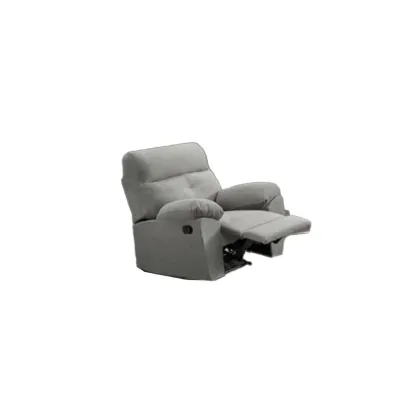
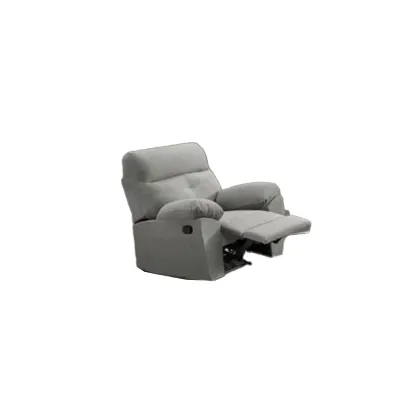
Prices are valid at publication and may change. Please refer to the product page for the latest price.
Storage is another key differentiator in multi-functional designs. Some sofa beds feature integrated under-seat compartments, which are invaluable for storing bed linens, pillows, and blankets in homes with limited closet space. Other models opt for a minimalist, low-profile frame that sacrifices storage for a sleeker aesthetic or a more straightforward fold-out mechanism. Identifying whether built-in storage is a necessity or a luxury will immediately narrow your options.
Comparing Conversion Mechanisms and Spatial Footprint
The ease with which a sofa bed transitions from seating to sleeping configuration determines its long-term usability. Common mechanisms include click-clack systems, pull-out frames, and traditional futon-style folds. Click-clack models are generally quick to operate but often require clearance behind the backrest, meaning they cannot sit flush against a wall. Pull-out designs typically feature a metal or wooden frame that rolls forward, requiring significant floor space in front of the sofa.

When evaluating Sandy sofa beds against other brands, pay close attention to the physical effort required for operation. A mechanism that feels heavy or awkward in a showroom can become a daily frustration at home. Look for smooth, assisted movements, such as spring-loaded hinges or smooth-rolling casters, which reduce the physical strain of conversion.
To avoid delivery and installation issues, you must verify both the folded and unfolded dimensions against your room’s layout. Ensure there is at least 50 to 60 centimeters of walking clearance around the extended bed to allow for safe and comfortable movement. Additionally, check the manufacturer’s specifications for the exact depth when fully opened, as even a few centimeters of discrepancy can block doorways or prevent wardrobe doors from opening.
Balancing Daytime Seating and Nighttime Sleep Comfort
The dual nature of a sofa bed means it must provide adequate support for both sitting and sleeping, two activities that require different structural properties. Sofa cushions are designed to distribute weight while seated, whereas mattresses must support the entire body evenly over several hours. This trade-off often results in a sofa bed that is either too firm for lounging or too soft for a good night’s sleep.
Examine the mattress construction of the models you are comparing. High-density foam mattresses offer consistent support and conform to the body, making them a reliable choice for pressure relief. Innerspring and pocket spring systems provide a more traditional mattress feel with better breathability, though they can sometimes feel bouncy or transfer motion if two people are sharing the bed.
Daytime comfort depends heavily on seat depth, cushion density, and backrest ergonomics. A deep seat might be perfect for lounging but can cause discomfort if the backrest does not provide adequate lumbar support. Because comfort is highly subjective, you should verify these characteristics through in-store testing or by reviewing the brand’s return policies and trial periods. A brand that offers a risk-free trial period provides a significant advantage, allowing you to test the dual-comfort levels in your own home before making a permanent commitment.
Inspecting Build Quality and Upholstery Durability
A multi-functional sofa bed undergoes more physical stress than a standard sofa due to the moving parts and regular conversion. Therefore, inspecting the structural integrity is crucial for ensuring longevity. Look for frames constructed from solid hardwood or reinforced metal, as these materials resist warping and joint loosening over time. Engineered wood frames are common in budget-friendly models but may not hold up as well under heavy, daily use.
Upholstery fabric is another critical factor, especially in high-traffic living rooms or homes with children and pets. Check the fabric’s rub count, which indicates its resistance to abrasion; a higher rub count generally translates to greater durability. Look for stain-resistant treatments or tightly woven synthetic fibers like polyester or nylon, which are easier to clean and maintain than delicate natural fibers.
Finally, verify the manufacturer’s stated weight capacity for both the seating and sleeping configurations. Pay close attention to the folding hinges and stress points, as these are the most common failure areas. Reinforced brackets, heavy-duty rivets, and smooth welding joints are indicators of a well-constructed frame that can handle the mechanical demands of regular transition.
Weighing Long-Term Value, Warranties, and Upkeep
Evaluating the true value of a sofa bed requires looking beyond the initial purchase price to consider long-term upkeep and after-sales support. A lower-priced model might seem attractive initially, but if the mechanism fails or the cushions sag within a year, the cost of replacement or repair can quickly exceed the price of a higher-quality alternative. Evaluating whether a S$600 model offers the same longevity as a S$1,800 alternative requires a close look at the warranty terms.
Compare the warranty terms offered by Sandy and competing brands. A comprehensive warranty should cover the structural frame, the mechanical conversion hinges, and the mattress core for several years. Be sure to read the fine print, as some warranties only cover manufacturing defects and exclude normal wear and tear or mechanical degradation from daily use.
Maintenance is another practical consideration that affects long-term satisfaction. Models with removable, machine-washable covers offer a distinct advantage for keeping the sofa bed clean and fresh. If the covers are fixed, check the manufacturer’s cleaning instructions to see if professional steam cleaning is required, which can add to the lifetime cost of ownership. Weigh the overall price-to-feature ratio by assessing what is included in the purchase, such as delivery, assembly, and any additional accessories like matching cushions or mattress protectors.
Final Decision Framework: When to Choose Sandy vs. Alternatives
To finalize your decision, you must match your verified spatial and functional needs against the specific strengths of each brand. Sandy sofa beds are often highly suitable if you require precise, space-saving dimensions, modern aesthetic designs, and smooth, user-friendly conversion mechanisms that fit seamlessly into contemporary apartment layouts. Their focus on streamlined profiles makes them an excellent choice for maximizing floor space without sacrificing style.
On the other hand, you should consider alternative brands if your absolute priority is specialized orthopedic mattress support, heavy-duty daily sleeping capabilities, or specific material certifications (such as organic fabrics or sustainably sourced timbers). Brands that specialize in traditional mattress manufacturing often provide superior sleep technology, making them better suited for individuals with chronic back pain or those who plan to use the unit as their primary bed.
Before proceeding to checkout, perform a final check of potential dealbreakers. Measure your doorways, hallways, stairwells, and elevator cabins to ensure the delivery team can safely transport the packaged sofa bed into your home. Verify the assembly requirements; some complex mechanisms require professional installation, while others can be easily assembled with basic household tools. By systematically verifying these physical and functional constraints, you can confidently select the sofa bed that offers the best multi-functional value for your living space.

Community discussion
Share your experience or ask a question. Comments are reviewed before publication.