
When selecting a kids’ tatami bed frame in Singapore, safety must be your primary consideration. While the low-profile, floor-aligned design of a tatami bed inherently reduces the risk of severe fall injuries, the frame itself must still comply with rigorous safety standards to protect your child from structural failures, sharp edges, and toxic materials. Because children’s furniture is subject to specific physical and chemical regulations, parents must look beyond aesthetic appeal and actively verify that a bed frame meets recognized safety benchmarks before bringing it into the home.
Navigating the world of children’s furniture requires understanding that “tatami” is a design style rather than a regulated safety category. Consequently, a kids’ tatami bed frame must be evaluated under general children’s bed and household furniture safety criteria. By focusing on certified standards, structural integrity, precise mattress fit, and tropical climate maintenance, you can create a secure, comfortable, and healthy sleeping environment for your child.
Identifying Relevant Safety Standards and Certifications
To ensure a kids’ tatami bed frame is safe, you should first look for compliance with established international and local safety standards. In Singapore, while there may not be a single mandatory local standard specifically for low-profile kids’ beds, reputable manufacturers align their products with recognized global benchmarks. Look for certifications such as the European standards EN 716 (which governs children’s cots and folding cots) or EN 1725 (which specifies safety requirements and test methods for domestic beds). American standards, such as those from the ASTM International, also provide reliable frameworks for children’s furniture safety.
Products mentioned in this guide
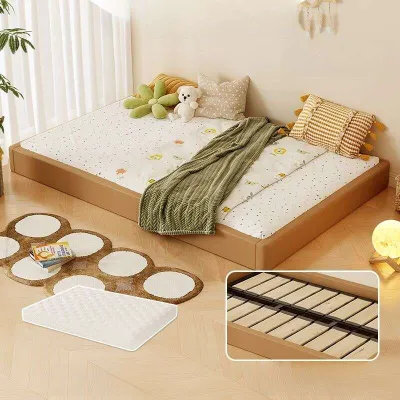
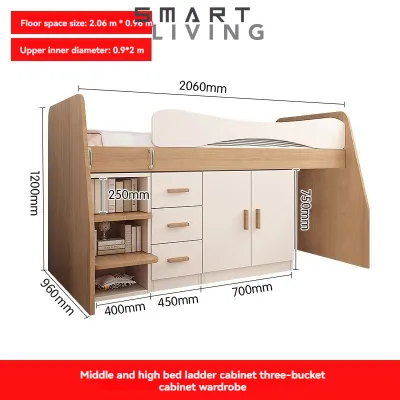
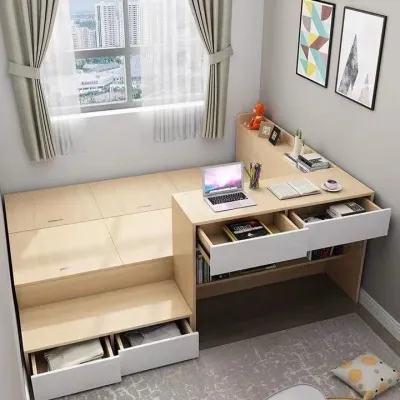
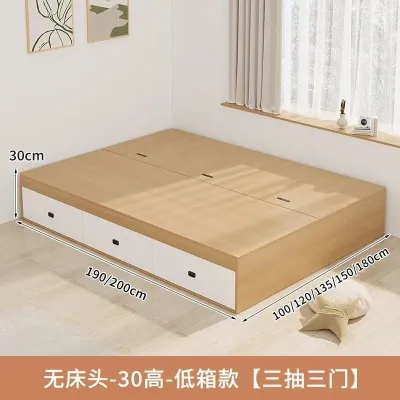



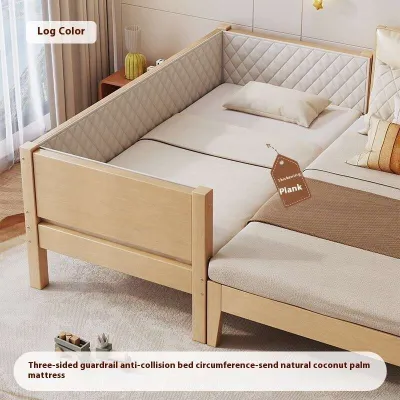
Prices are valid at publication and may change. Please refer to the product page for the latest price.
When shopping online or visiting showrooms in Singapore, do not rely solely on product descriptions that claim a bed is “safe” or “child-friendly.” Request valid, up-to-date test reports or certificates of compliance directly from the manufacturer or retailer. A trustworthy seller should be able to provide documentation from independent testing laboratories showing that the bed frame has undergone mechanical strength, stability, and chemical safety testing.
Remember that a tatami bed’s low-profile design does not exempt it from these rigorous checks. Whether the frame is made of solid wood, engineered wood, or upholstered materials, it must meet the same structural and chemical safety criteria as any standard children’s bed. Verifying these certifications beforehand protects your child from hidden manufacturing defects and substandard materials.
Structural and Physical Safety Checks for Tatami Frames
A physical inspection of the tatami bed frame is essential to identify potential injury risks before assembly. Begin by examining the edges and corners of the frame. Because children frequently climb, jump, and play around their beds, all exposed edges must be smoothly rounded or adequately padded. Sharp corners pose a significant impact hazard, especially on low-profile frames where a child might trip and fall onto the frame’s perimeter.

Next, evaluate the structural stability and joint reinforcements of the bed. Children’s beds endure significant dynamic stress from movement, so the joints must be robust. Check for heavy-duty hardware, such as steel brackets, dowels, and secure bolting systems, rather than simple glue or light screws. Ask the retailer for the manufacturer’s specified weight capacity limits to ensure the frame can safely support both the mattress and your growing child, as well as an adult who may sit on the edge during bedtime reading.
Consider the overall height of the frame and any built-in access steps or platforms. For younger children, a very low platform is ideal, but if the tatami design includes raised steps or storage drawers built into the base, ensure these features do not create tripping hazards. Additionally, verify the delivery and assembly conditions. In Singapore, where apartment doorways and lift access can be tight, ensure the flat-packed components can be safely transported to your unit and assembled precisely according to the manufacturer’s instructions to maintain structural integrity.
Preventing Entrapment: Mattress Fit and Gap Limits
One of the most critical safety aspects of a kids’ tatami bed frame is the relationship between the frame and the mattress. Many tatami frames feature a recessed design where the mattress sits inside a raised outer border. If the mattress does not fit the frame perfectly, dangerous gaps can form along the sides or at the head and foot of the bed, creating severe entrapment or suffocation hazards for young children.
Before purchasing, measure the inner dimensions of the bed frame recess and compare them to your mattress. The gap between the mattress edges and the bed frame should be minimal—ideally no more than a few millimeters. If you can easily slide your hand or arm deep into the gap between the mattress and the frame, the fit is too loose, and the risk of a child’s limb or head becoming wedged is unacceptably high.
Mattress thickness also plays a vital role in maintaining a safe sleeping environment. A mattress that is too thick can elevate the sleeping surface too far above the floor, defeating the safety benefits of a low-profile tatami bed and increasing the risk of roll-off injuries. Conversely, a mattress that is too thin may not provide adequate support or could slip easily within the frame. Ensure the mattress firmness aligns with pediatric safety recommendations, providing a flat, supportive surface that does not sag under the child’s weight.
Managing Environmental Risks for Low-Profile Beds
Singapore’s tropical climate, characterized by high humidity and warm temperatures, introduces unique environmental challenges for low-profile furniture. Because tatami bed frames sit very close to the floor, they are highly susceptible to trapping moisture, which can lead to mold, mildew, and dust mite proliferation. This is a critical health concern, as mold spores and dust mites are common triggers for childhood allergies and asthma.
To mitigate these risks, carefully inspect the design of the bed base. A solid platform base offers very little ventilation, allowing moisture from the mattress and the floor to accumulate. Instead, opt for a bed frame with a slatted base or built-in ventilation channels that promote continuous airflow beneath the mattress. This airflow helps keep the mattress dry and prevents the growth of harmful fungi.
The bedroom floor surface must also be compatible with the bed’s base material. Ensure the floor is completely clean, dry, and level before installing the frame. If you are placing the bed on parquet, vinyl, or tiled floors, consider using non-slip, breathable protective pads underneath the frame to prevent slipping and protect both the floor and the furniture from moisture degradation. Establish a regular maintenance routine that includes lifting the mattress periodically to inspect for moisture, vacuuming the low-clearance spaces, and checking for pests like booklice or termites that thrive in dark, humid environments.
Red Flags: When to Reject a Bed Frame
When shopping for a kids’ tatami bed frame, being able to identify immediate warning signs can save you from making an unsafe purchase. A primary red flag is the complete absence of safety labels, manufacturer contact details, or clear, comprehensive assembly instructions. If a product arrives without clear documentation, it is highly likely that the manufacturer did not subject the frame to standard safety testing.
Be wary of sellers who cannot or will not provide verifiable proof of safety certifications or material testing. If a retailer makes vague claims about “non-toxic” materials or “certified safety” but refuses to share the actual test reports, you should walk away. Genuine safety compliance is a key selling point, and reputable brands will gladly share their documentation to reassure parents.
Finally, trust your physical senses during inspection. A strong, pungent chemical odor emanating from the wood, paint, or adhesive is a clear sign of high VOC (volatile organic compound) emissions, which can compromise indoor air quality and harm your child’s respiratory health. Other physical red flags include rough, unsanded wood surfaces, visible splinters, loose or missing hardware, and any noticeable wobbling or flexing when moderate pressure is applied to the frame.
Frequently Asked Questions (FAQ)
Are floor-level tatami beds safe for young toddlers?
Floor-level tatami beds can be an excellent option for toddlers transitioning from a cot, but their safety depends heavily on the child’s developmental readiness and the bedroom environment. Before making the transition, evaluate your child’s mobility, climbing ability, and sleep habits. Because a low-profile bed allows your child to get in and out of bed independently, the entire bedroom must be thoroughly childproofed. This means securing heavy furniture to the walls, covering electrical outlets, removing choking hazards, and ensuring there are no sharp objects or cords within reach. If your child is a restless sleeper who rolls frequently, ensure the floor surrounding the bed is carpeted or cushioned to prevent minor bumps if they roll out of bed.
What should I look for regarding the wood finish and materials?
When evaluating the materials of a kids’ tatami bed frame, prioritize low-VOC finishes and non-toxic paints. Look for product specifications that explicitly state compliance with formaldehyde emission standards, such as E1 or E0 ratings, which indicate very low levels of chemical off-gassing. If the frame is made of solid wood, ensure it has been sanded to a perfectly smooth finish to eliminate any risk of splinters. For engineered wood or MDF frames, verify that all edges are fully sealed to prevent the release of chemicals and to protect the core material from moisture absorption in Singapore’s humid climate. Always ask the manufacturer for details on the specific lacquers or water-based paints used to ensure they are safe for children.

Community discussion
Share your experience or ask a question. Comments are reviewed before publication.