
When shopping for a children’s retractable bed frame in Singapore, ensuring structural safety is paramount. Because retractable beds feature moving parts, sliding tracks, and folding joints, they present unique mechanical risks that standard static beds do not. In compact Singaporean homes, such as HDB flats and condominiums, space-saving furniture is highly popular, but safety must never be compromised for convenience. To protect your child, look for frames certified under recognized international standards such as EN 747 (for bunk and elevated beds) or ASTM F1427, alongside compliance with the safety guidelines monitored by Singapore’s Consumer Product Safety Office (CPSO). Verifying these certifications ensures the bed has undergone rigorous testing for structural stability, load capacity, and entrapment prevention.
Understanding Safety Standards for Children's Beds
International safety standards provide a benchmark for furniture construction, ensuring that products can withstand the daily wear and tear of active children. The European standard EN 747 is particularly rigorous, focusing on bunk beds and high beds. It specifies requirements for the strength, durability, and safety distances of various components to prevent falls and entrapment. The American equivalent, ASTM F1427, covers similar safety dimensions. While these standards are primarily designed for elevated beds, their testing protocols for gap sizes, guardrail strength, and structural integrity are highly relevant for any children’s bed with complex frames or moving parts.
For retractable or pull-out designs, such as trundle beds or drawer beds, standard furniture frameworks test the stability of the main frame and the strength of the pull-out mechanism. However, because retractable mechanisms are dynamic, standard certifications may not always cover every moving joint. This makes it crucial to check if the manufacturer has performed voluntary mechanical safety testing specifically for the sliding or folding components. A certified frame ensures that the joints will not fail under repeated use, protecting your investment and your child’s well-being.
Products mentioned in this guide
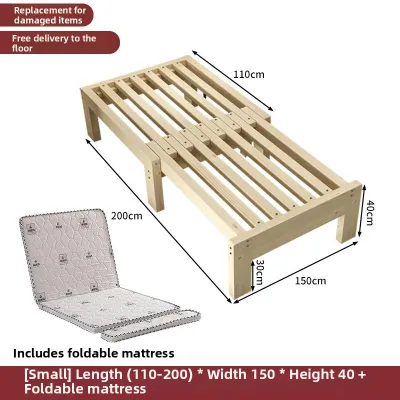
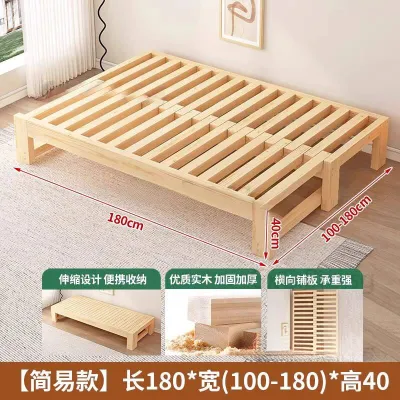
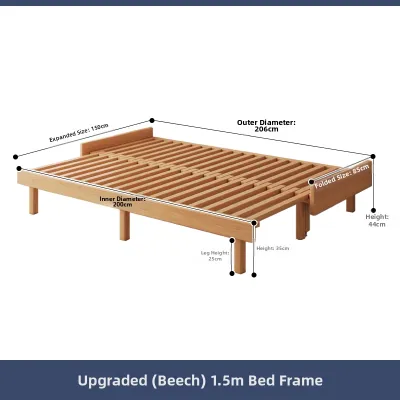
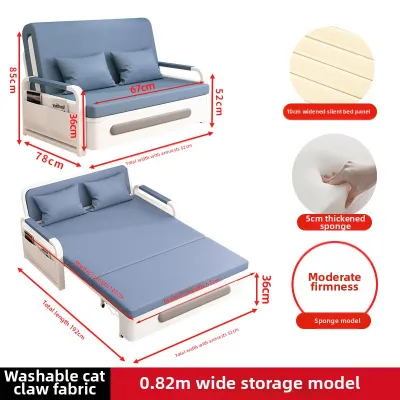
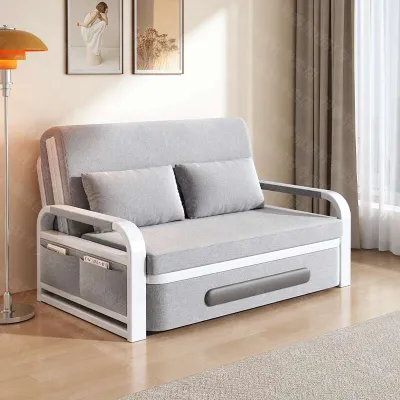
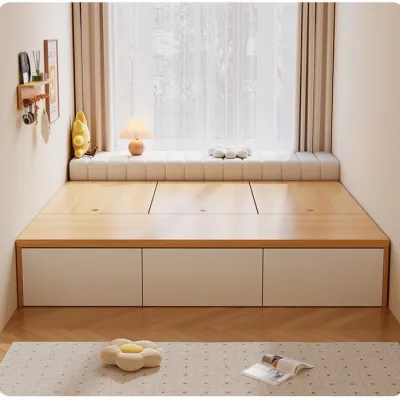
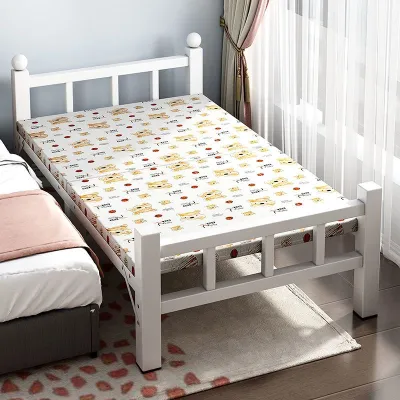
Prices are valid at publication and may change. Please refer to the product page for the latest price.
In Singapore, the Consumer Product Safety Office (CPSO), which is under Enterprise Singapore, monitors general consumer goods to ensure they meet basic safety requirements. While baby cots and certain high-risk nursery items require mandatory safety registration and specific safety marks, older children’s beds typically fall under general product safety guidelines. This means compliance with standards like EN 747 or ASTM F1427 is often voluntary but highly recommended. As a buyer, you must actively look for these voluntary certifications to ensure the furniture is safe for your home environment.
Identifying Mechanical Hazards in Retractable Designs
Retractable bed frames rely on moving parts to transition from a compact footprint to an extended sleeping surface. This movement introduces potential pinch points and entrapment hazards that are not present in traditional bed designs. Sliding tracks, hinges, and folding scissor joints can easily catch small fingers or limbs if they are left exposed or lack protective guards. When evaluating a bed, inspect the tracks to see if they are recessed or shielded from direct contact during operation, preventing children from accessing the moving parts.

The locking mechanism is the most critical safety feature of any retractable design. Without a secure lock, the bed could slide open or closed unexpectedly when a child climbs on or off. This sudden movement can cause falls or trap a child’s limbs between the moving frame and the main structure. Look for positive locking systems—such as spring-loaded pins, manual latch locks, or automatic braking wheels—that require deliberate adult action to disengage. These systems prevent the bed from shifting while occupied or during active play.
Stability and tip-over hazards are also major concerns, especially in space-constrained Singapore apartments where beds are often placed near windows or other furniture. When the retractable section is fully extended, the center of gravity shifts. If a child sits or jumps on the outer edge of the extended frame, the entire structure could tip forward. A safe design must have a wide, stable base and robust support legs on the pull-out section to distribute weight evenly and prevent tipping, ensuring the frame remains grounded under sudden impact.
How to Verify Certifications and Product Documentation
With many furniture options available online and in local showrooms, it is easy to encounter vague marketing claims. Terms like “child-safe,” “non-toxic,” or “heavy-duty” are often used loosely by retailers without any standardized testing to back them up. To ensure your child’s safety, you must look past promotional language and verify the actual product documentation before committing your hard-earned S$ to a purchase.
Start by looking for physical certification marks on the product packaging, the assembly manual, or a label permanently affixed to the bed frame itself. Legitimate certifications will reference specific standard codes, such as EN 747-1 or ASTM F1427. If you cannot find these marks, ask the retailer or manufacturer directly for a copy of the official test report from an accredited third-party testing laboratory, such as TÜV, SGS, or Intertek.
A valid test report should clearly state the product model, the testing standards applied, and the test results, including load-bearing capacity and impact resistance. Be cautious of retailers who offer generic certificates that do not match the specific model of the retractable bed frame you are purchasing. If a seller cannot or will not provide verifiable compliance documentation, it is safer to choose a different product from a transparent manufacturer.
Essential Physical Safety Checks for Home Use
Even with the right certifications, physical inspection upon delivery and assembly is vital to ensure the bed is safe for daily use. Start by checking the guardrails on the main sleeping level. If the bed is elevated or if your child is prone to rolling, the guardrails must be high enough to prevent falls, even with the mattress in place. Measure the gaps between the guardrail slats; they should be narrow enough to prevent a child’s head or limbs from slipping through and becoming trapped, adhering to standard safety gap guidelines.
Next, test the retractable mechanism yourself before letting your child near the bed. Slide the pull-out section in and out several times to check for smooth operation. The tracks should glide without sticking, and the locking pins or wheel brakes must engage securely with minimal effort. If the mechanism requires excessive force or feels loose and wobbly, the frame may be misaligned, which increases the risk of mechanical failure over time.
Finally, verify the manufacturer’s stated weight capacity limits for both the main frame and the retractable section. Ensure that the combined weight of the mattress, bedding, and your child does not exceed these limits. Place the bed on a completely level floor surface—such as flat vinyl, tiles, or low-pile rugs common in Singapore homes—to prevent structural wobble and ensure the locking mechanisms align perfectly. Additionally, ensure the mattress thickness matches the manufacturer’s specifications, as an overly thick mattress can compromise guardrail effectiveness.
Frequently Asked Questions (FAQ)
Are retractable bed frames safe for young toddlers?
Generally, retractable bed frames are not recommended for young toddlers under the age of three. Toddlers lack the coordination to navigate moving parts and may easily get their fingers pinched in the tracks. If you plan to use one, ensure the retractable section is kept locked and inaccessible during the day, and verify that the manufacturer’s age recommendations explicitly approve the bed for your child’s developmental stage.
How often should the mechanical tracks and locks be inspected?
You should perform a visual and functional inspection of the tracks, hinges, and locks at least once every three months. In Singapore’s humid climate, dust, lint, and moisture can easily accumulate in the sliding tracks, causing them to stick or misalign. Clean out any debris, check for loose screws, and ensure the locking pins still engage fully. If you notice any stiffness or structural wobble, stop using the retractable feature immediately.
Does a retractable bed frame require wall anchoring?
Whether a retractable bed frame requires wall anchoring depends on its height, center of gravity, and the manufacturer’s specific design. Taller or elevated frames with pull-out sections are highly susceptible to tipping and should always be anchored to the wall using the provided anti-tip kits. Always consult the assembly manual to determine if anchoring is mandatory for your specific model to ensure maximum stability.

Community discussion
Share your experience or ask a question. Comments are reviewed before publication.