
Choosing the perfect solid wood dining table is one of the most significant furniture decisions you will make for your home. As the functional centerpiece of your dining room, this table hosts daily meals, family discussions, and social gatherings, making its design central to your home’s overall atmosphere. Deciding between rustic, modern, and industrial styles requires balancing your personal aesthetic preferences with the practical realities of your daily life, floor plan, and maintenance habits. By understanding the unique structural and visual characteristics of each style, you can select a piece that not only complements your interior decor but also stands up to your household’s specific lifestyle demands.
Defining the Core Aesthetics of Each Wood Table Style
Rustic Wood Tables
Rustic solid wood tables celebrate the raw, unrefined beauty of nature. The defining hallmark of this style is the preservation of organic imperfections, such as visible wood knots, unique grain swirls, mineral streaks, and natural cracks that do not compromise structural integrity. Many rustic designs feature live-edge slabs, where the natural, curved contour of the tree trunk is left intact along the sides of the table. The finishes are typically matte or low-sheen, often wire-brushed to enhance the physical texture of the wood grain. Structurally, rustic tables are characterized by their robust, heavy proportions, featuring thick tabletops and substantial, blocky legs that evoke a sense of timeless, farmhouse-inspired durability.
Modern Wood Tables
Modern solid wood tables prioritize clean lines, geometric simplicity, and a minimalist silhouette. Unlike their rustic counterparts, modern tables feature smooth, highly refined surfaces with subtle grain patterns that do not distract from the overall form. The joinery is often concealed or integrated seamlessly into the design, creating sleek transitions between the tabletop and the legs. You will frequently see design elements like tapered legs, chamfered or beveled edges that make thick wood slabs appear lighter, and soft, rounded corners. The finishes are typically smooth to the touch, utilizing satin or matte protective sealants that highlight the wood’s natural color while maintaining a sophisticated, clutter-free appearance.
Products mentioned in this guide
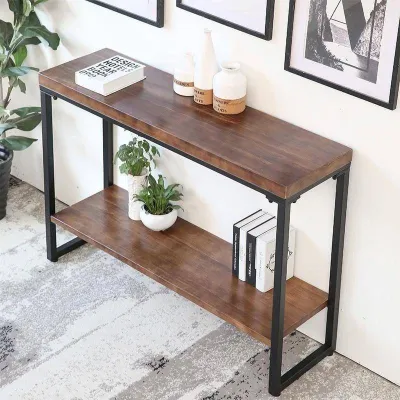
1 Lazada user ratings
Durable and natural material, Quick delivery within 15-25 days, very well packaged. Trusted seller. Good customer service from seller
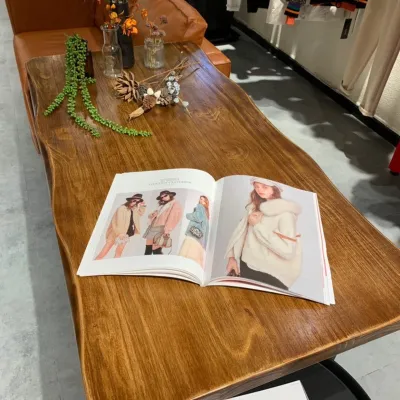
1 Lazada user ratings
Today I have received the item. However, there was a dent on the surface of the table that was resulted from the impact on the box during sh…Read full reviewShow less
Today I have received the item. However, there was a dent on the surface of the table that was resulted from the impact on the box during shipment or delivery. The seller responded promptly by making some compensation.
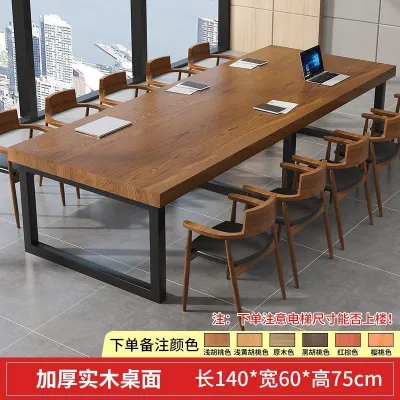
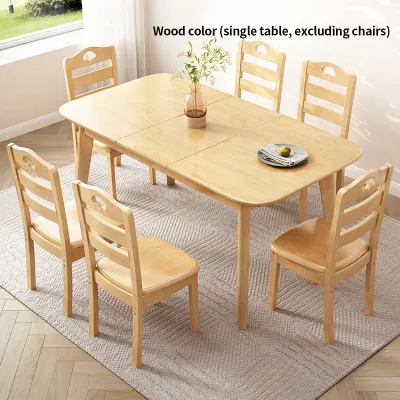
8 Lazada user ratings
Hi seller,l just received this table and we found out that it was damage as shown on the picture.Please kindly do a return and refund asap .…Read full reviewShow less
Hi seller,l just received this table and we found out that it was damage as shown on the picture.Please kindly do a return and refund asap . Thank
Received items and we’ll pack without any damage. Good service with items protected and will considering purchase in future. 👍🏻
Order received, nice solid wood but very stable. Some parts chipped off under the table
Very good thank you ☺️
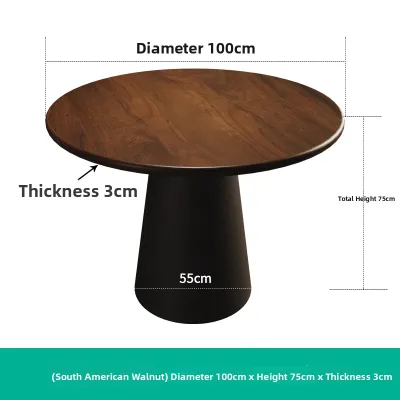
Prices are valid at publication and may change. Please refer to the product page for the latest price.
Industrial Wood Tables
Industrial solid wood tables are defined by the striking contrast between warm, organic timber and cold, utilitarian metal. This style frequently incorporates reclaimed wood, which carries a distinct historical character marked by old saw lines, nail holes, and a weathered patina. These textured wooden tops are paired with heavy-duty metal bases, often made of black powder-coated steel or raw iron. The structural designs are highly functional and reminiscent of factory workbenches, featuring prominent metal legs, A-frame bases, or trestle supports. Visible hardware, such as exposed bolts, rivets, and metal brackets, is embraced as a key design element, giving the table a rugged, urban edge.
Key Comparison Dimensions for Your Dining Space
Visual Weight and Space
The physical size of a table is only part of how it fits into a room; its visual weight determines how large it feels to the eye. Rustic tables, with their thick slabs and chunky wooden legs, possess significant visual weight. They command attention and work best in spacious dining rooms with high ceilings or abundant natural light, where they can serve as a grounded focal point without making the room feel cramped. Modern tables, with their slender profiles and elevated clearances, have a much lighter visual footprint. They allow light and sightlines to pass through the space, making them ideal for compact dining areas or open-plan apartments where maintaining an airy, spacious feel is a priority. Industrial tables fall in the middle; while their wooden tops can be thick, their open metal frames often prevent them from overwhelming a room.

Surface Upkeep and Maintenance
Different styles require different levels of daily care, which should align with your household’s routine. Modern tables feature smooth, flat surfaces that are incredibly easy to wipe clean after meals. However, their pristine, uniform finishes are more likely to show fine scratches, water rings, or oily fingerprints under direct lighting. Rustic and industrial tables, with their textured, distressed, or wire-brushed surfaces, are exceptionally forgiving when it comes to minor daily wear and tear. Scratches and small dents tend to blend seamlessly into the existing texture, making them excellent choices for busy households. However, deeply textured wood grains and live edges can trap crumbs and dust, requiring more careful cleaning with a soft brush or microfiber cloth. Regardless of the style, always check the manufacturer’s care instructions, as some finishes require periodic oiling or waxing, while others are sealed with low-maintenance polyurethane.
Decor Cohesion and Material Matching
Achieving a cohesive look requires analyzing how a new wood table interacts with your existing furniture, flooring, and lighting. When introducing a solid wood table, pay close attention to the wood’s undertones. Pairing a warm, reddish cherry wood table with cool, gray-toned oak flooring can create an unsettling visual clash. If you have existing dining chairs, consider how their materials will pair with the table’s base. A modern wood table pairs beautifully with upholstered chairs or chairs featuring slim, matching wooden legs. An industrial table, with its metal accents, offers the perfect opportunity to introduce industrial metal chairs or even mismatched seating for an eclectic, curated look. Ensure the table’s design language coordinates with nearby sideboards, cabinets, and light fixtures to create a unified dining environment.
Decision Framework: Choosing the Right Style for Your Home
The Case for Rustic
Choose a rustic solid wood table if your goal is to create a warm, inviting, and highly tactile dining space. This style is ideal for those who prefer a relaxed, lived-in aesthetic where minor imperfections are celebrated as character rather than flaws. If your home features natural materials, soft textiles, and warm color palettes, a rustic table will serve as a comforting, grounding centerpiece. It is particularly well-suited for families with young children, as the textured surface easily hides the inevitable bumps and scratches of daily use.
The Case for Modern
Opt for a modern solid wood table if you prefer a clean, organized, and minimalist home environment. This style is perfect for contemporary, mid-century modern, or Scandinavian-inspired interiors that prioritize simplicity and functional elegance. The smooth, easy-to-clean surface makes it highly practical for those who use their dining table as a multi-functional space, such as a temporary home office or homework station. Its sleek profile ensures it integrates seamlessly into open-concept living spaces without competing with other design elements.
The Case for Industrial
Select an industrial solid wood table if your home features architectural elements like exposed brick walls, concrete floors, high ceilings, or black metal window frames. This style is tailored for urban lofts, modern apartments, or homes with a bold, contemporary edge. The combination of wood and metal allows you to tie together other metallic fixtures in your dining room, such as pendant lights or cabinet hardware, creating a cohesive, structured aesthetic that feels both rugged and sophisticated.
When to Consider Other Styles
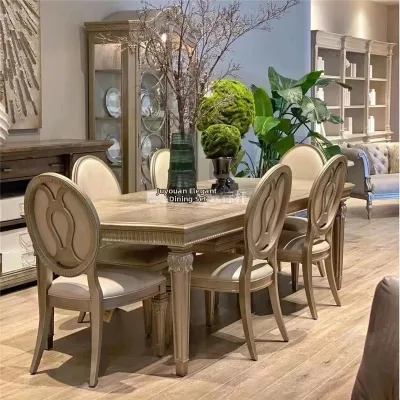
While rustic, modern, and industrial are highly popular, they may not suit every home. If your dining room requires a highly formal, ornate, or ultra-lightweight traditional aesthetic, these styles might feel out of place. For instance, homes styled with classic French provincial, Georgian, or delicate antique furniture are better served by polished mahogany, cherry, or walnut tables featuring carved cabriole legs, intricate marquetry, or glossy lacquered finishes that reflect a formal dining tradition.
Leg Placement and Seating Capacity
Before finalizing your style choice, verify how the table’s leg placement and base design affect your seating capacity. Tables with standard corner legs offer excellent stability but restrict where chairs can be placed, limiting seating strictly to the space between the legs. Trestle bases or pedestal designs, which are common in both rustic and industrial styles, eliminate corner legs entirely. This allows you to slide chairs in easily along the entire length of the table and squeeze in extra guests during gatherings. Always measure the distance between the table legs and compare it to the width of your dining chairs to ensure they can slide fully underneath when not in use.
Practical Sizing and Placement Checks Before Purchasing
Measuring Floor Space and Walkways
A dining table must physically fit your room while leaving ample space for movement. Before purchasing, measure your dining area and subtract at least 90 centimeters—ideally 120 centimeters—from all sides of the table’s planned position. This clearance ensures that diners can comfortably pull out their chairs, sit down, and rise without hitting walls or adjacent furniture. It also preserves a clear walkway behind seated guests, preventing the dining area from feeling cramped during busy meals.
Delivery Access and High-Rise Logistics
One of the most common delivery issues involves getting large, heavy solid wood tables into the home. Unlike flat-packed furniture, high-quality solid wood tables often feature single-piece tabletops that cannot be disassembled. Before ordering, carefully measure the width of your front door, hallway corners, staircase landings, and elevator dimensions. This is especially critical for high-rise apartments and condominiums in urban areas like Singapore, where tight elevator doors and narrow corridors can prevent successful delivery. Ensure the delivery path can accommodate the table’s fully assembled length and width.
Evaluating Structural Support and Stability
A solid wood table is a heavy piece of furniture that requires robust structural support. When evaluating a table, check the manufacturer’s specifications regarding tabletop thickness and leg stability. Look for high-quality joinery, such as mortise and tenon joints or heavy-duty metal mounting plates, which prevent the table from wobbling over time. Additionally, high-quality solid wood tables often feature metal tension rods or expansion grooves routed into the underside of the tabletop. These structural elements allow the wood to expand and contract naturally with changes in humidity without warping or cracking, ensuring your investment remains stable and beautiful for decades to come.

Community discussion
Share your experience or ask a question. Comments are reviewed before publication.