
Choosing the right anti slip furniture pad depends entirely on whether you want to lock a heavy piece of furniture firmly in place or allow a frequently used chair to glide smoothly without scratching your floor. For heavy, stationary items like sofas, beds, and large bookshelves resting on smooth hard floors, rubber pads offer the highest level of high-friction grip. If you need a versatile, residue-free grip for medium-weight furniture or decorative items on smooth surfaces, silicone pads provide excellent traction without the risk of staining. Felt pads, on the other hand, are designed for low-friction glide and scratch prevention rather than true anti-slip grip, making them ideal for dining chairs and stools that must slide easily.
Understanding the functional difference between high-friction traction and low-friction glide is essential for protecting both your furniture and your flooring. High-friction materials like rubber and silicone work by resisting lateral movement, converting the downward force of the furniture’s weight into a firm grip against the floor. Low-friction materials like felt allow the furniture to slide across the floor finish with minimal resistance, distributing the weight to prevent deep scratches. Selecting the wrong material can lead to accelerated floor wear, permanent discoloration, or unstable furniture.
To make the best choice, you must evaluate several key decision factors before purchasing. These include the specific type of floor finish in your home, the overall weight of the furniture piece, and any manufacturer-specific guidelines for both the flooring and the protective pads. By matching these variables carefully, you can maintain a safe, stable home environment while preserving the pristine appearance of your floors.
Products mentioned in this guide
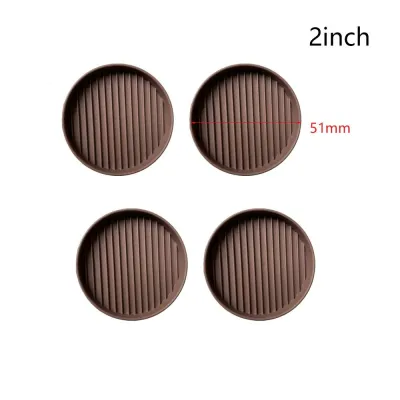
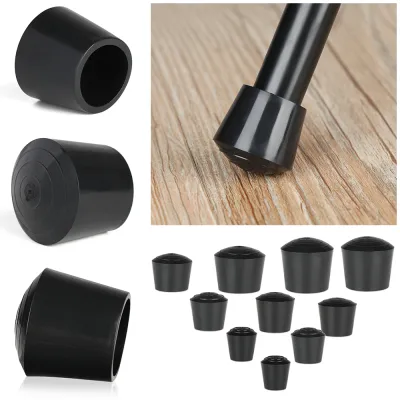
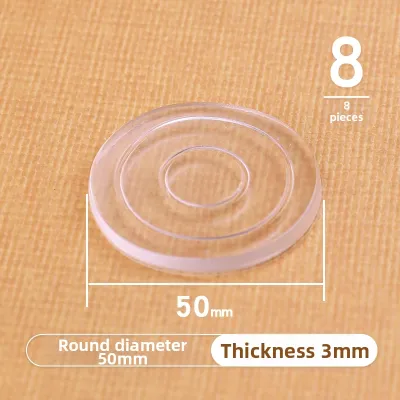
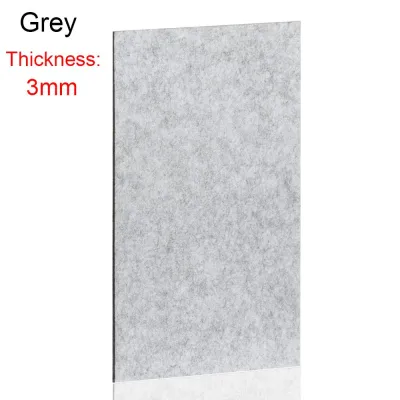
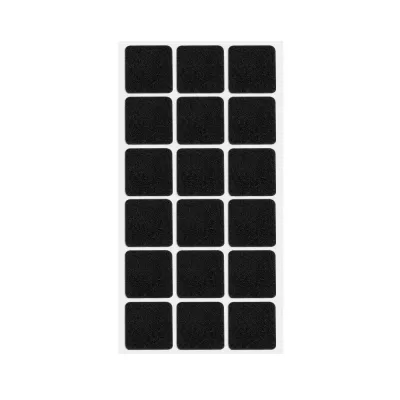
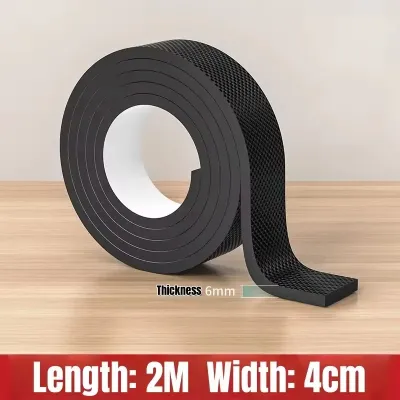
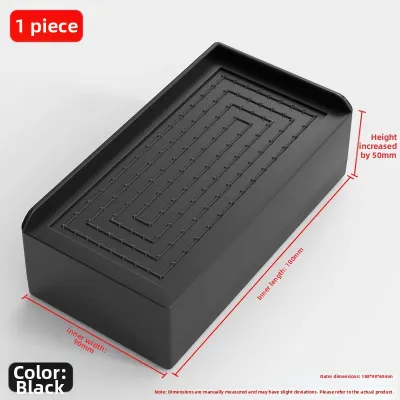
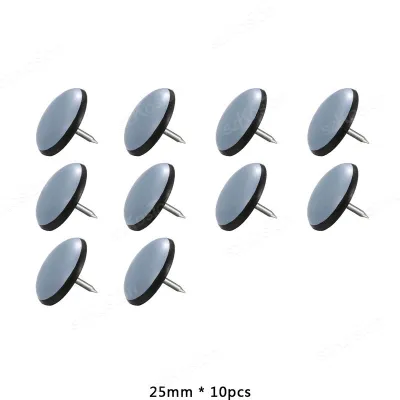
Prices are valid at publication and may change. Please refer to the product page for the latest price.
Rubber Pads: Heavy-Duty Grip and Surface Limits
Rubber pads are the industry standard for heavy-duty grip, engineered specifically to anchor heavy, stationary furniture that should not budge. The natural or synthetic rubber compound possesses a high coefficient of friction, which creates a strong physical bond with smooth floor surfaces under pressure. When you place a heavy sofa, a solid wood dining table, or a tall bookshelf on rubber pads, the downward weight compresses the rubber, maximizing the surface contact area and preventing any sliding or shifting. This makes rubber highly effective for safety, especially on polished stone, ceramic tile, or smooth concrete.
However, rubber has distinct surface limits and chemical properties that require careful verification before use. Some rubber compounds contain plasticizers or oils that can migrate into certain floor finishes over time, causing permanent yellowing, dark stains, or chemical degradation. This is particularly common on light-colored luxury vinyl tile, natural stone, or polyurethane-finished hardwood. To protect your investment, always check the product packaging or manufacturer specifications for explicit “non-marking” or “non-staining” guarantees.
Additionally, the physical texture of your flooring plays a major role in how well rubber performs. While rubber excels on smooth, flat surfaces, it often struggles to maintain a reliable grip on heavily textured, uneven, or rustic floors. Grout lines in tile floors, hand-scraped wood textures, or embossed vinyl patterns can reduce the contact area between the rubber pad and the floor, significantly lowering the overall friction. For these uneven surfaces, a more flexible or thicker pad material may be required to conform to the floor’s natural contours.
Silicone Pads: Versatile Traction and Residue Checks
Silicone pads offer a highly versatile alternative for homeowners seeking reliable traction without the chemical risks associated with traditional rubber. Unlike rubber, high-quality silicone is chemically inert and highly resistant to temperature fluctuations, meaning it does not harden, crack, or release oils that could stain or discolor your floor finish. This makes silicone an excellent choice for delicate surfaces, providing a clean, residue-free grip that maintains its flexibility and holding power over years of indoor use.

When selecting silicone pads, it is crucial to verify the adhesive backing type used to secure the pad to the furniture leg. The overall effectiveness of the pad relies on two distinct bonds: the high-friction physical grip between the silicone and the floor, and the chemical adhesive bond between the pad and the furniture leg. If the adhesive backing is weak or incompatible with the furniture’s material—such as varnished wood or powder-coated metal—the pad may peel off under lateral pressure, leaving sticky residue on your floor. Look for pads that utilize high-shear acrylic adhesives or those designed as slip-on caps that grip the furniture leg mechanically.
Silicone pads are ideally suited for medium-weight chairs, small side tables, coffee tables, and decorative tabletop items on smooth hard floors. Because silicone can be molded into thin, translucent profiles, these pads are often virtually invisible, preserving the clean lines of modern furniture. They provide just enough resistance to prevent accidental sliding from light bumps while still allowing you to move the furniture intentionally when cleaning, without leaving scuff marks behind.
Felt Pads: Scratch Protection vs. True Anti-Slip Grip
Felt pads serve a fundamentally different purpose than rubber or silicone, and confusing their functions can lead to frustrating results or potential safety hazards. Felt is manufactured by compressing fibers—either natural wool or synthetic polyester—into a dense, soft mat designed to reduce friction. This low-friction characteristic allows furniture to glide smoothly and quietly across hard surfaces, making felt the premier choice for scratch prevention rather than anti-slip grip. If your goal is to lock a piece of furniture firmly in place, felt is the incorrect material to use.
The ideal use case for felt pads is on frequently moved furniture, such as dining room chairs, bar stools, and lightweight study chairs used on hardwood, laminate, or luxury vinyl floors. The soft fibers of the felt act as a protective cushion, catching tiny particles of dust or grit that might otherwise get trapped under a hard furniture leg and grind into the floor finish. By allowing the chair to slide effortlessly, felt minimizes the mechanical stress placed on both the furniture joints and the floor’s protective topcoat.
Conversely, you should avoid using felt pads on rugs, carpets, or for heavy, top-heavy furniture items that require absolute stability. On textile surfaces, felt offers virtually no grip and can easily snag or bunch up, causing the furniture to become unstable. For heavy items like wardrobes or tall cabinets, using felt pads increases the risk of accidental tipping or shifting if someone leans against the furniture, as the low-friction barrier makes it far too easy for the heavy object to slide out of alignment.
Matching Pad Materials to Your Specific Floor Type
To ensure optimal performance and prevent costly damage to your home’s flooring, you must match the pad material to both the floor type and the specific demands of the furniture. Different flooring materials—such as solid hardwood, ceramic tile, laminate, and luxury vinyl—have unique surface hardnesses, chemical sensitivities, and texture profiles that react differently to protective pads. A pad that works perfectly on hard ceramic tile might cause severe discoloration or scratching on a delicate polyurethane-finished hardwood floor.
The following comparison table outlines how rubber, silicone, and felt pads perform across common residential flooring types, highlighting their primary functions, suitable weight categories, and essential precautions.
| Pad Material | Primary Function | Ideal Furniture Weight | Compatible Floor Types | Key Precautions & Checks |
|---|---|---|---|---|
| Rubber | High-Friction Grip | Heavy (Sofas, Beds, Bookshelves) | Ceramic Tile, Polished Concrete, Hardwood (with non-marking label) | Verify "non-marking" label; avoid on uncured finishes or sensitive vinyl without testing. |
| Silicone | Versatile Traction | Medium to Light (Side Tables, Chairs, Decor) | Hardwood, Luxury Vinyl, Laminate, Glass | Check adhesive backing strength; clean floor regularly to prevent trapped grit under the pad. |
| Felt | Low-Friction Slide | Light to Medium (Dining Chairs, Stools) | Hardwood, Laminate, Luxury Vinyl | Do not use for heavy or top-heavy items; replace regularly as fibers compress and collect dust. |
Before making a final purchase, always verify the “safe for [specific floor type]” claim printed on the product packaging. Floor finishes vary widely by manufacturer, and some modern engineered floors have specific warranties that dictate what types of protective materials can be placed in contact with their surface. Taking the time to cross-reference the pad manufacturer’s specifications with your flooring warranty is the best way to avoid accidental damage.
Verifying Compatibility and Testing Safely
Before installing any protective pads across all your household furniture, you must establish a systematic verification and testing protocol. Start by carefully reading the manufacturer labels on both the protective pads and your furniture. Pay close attention to the specified weight capacity limits, recommended adhesive types, and any explicit warnings regarding floor compatibility. Using a pad designed for lightweight items under a heavy sofa can cause the material to compress completely, rendering its protective qualities useless and potentially damaging your floor.
To guarantee that the adhesive or the pad material will not react negatively with your floor finish, always perform a hidden spot test. Select an inconspicuous area of the floor, such as inside a closet, under a large appliance, or beneath a piece of furniture that is rarely moved. Apply a single pad to the surface, press down firmly to simulate furniture weight, and leave it in place for several days. Afterward, carefully remove the pad and inspect the area for any signs of adhesive residue, discoloration, cloudiness, or physical changes to the floor’s sheen.
If your home features a specialized, newly applied, or unknown floor finish, proceed with extreme caution. Newly finished hardwood floors, custom epoxy coatings, or specialty stone sealers often require weeks or even months to cure completely, during which they are highly susceptible to chemical reactions and physical impressions. If you are unsure of the finish type or its curing status, stop immediately and consult the flooring manufacturer or a qualified flooring professional before applying any adhesive pads or high-friction materials.
Frequently Asked Questions (FAQ)
Can anti-slip pads damage newly finished hardwood floors?
Yes, applying anti-slip pads to newly finished hardwood floors can cause permanent damage if the finish has not fully cured. Most professional wood finishes, including polyurethane and natural oils, require a specific curing window—often ranging from several weeks to a month—to reach their maximum hardness and chemical stability. Applying adhesive backings or dense rubber pads during this curing period can trap moisture, disrupt the chemical curing process, or leave permanent physical impressions in the soft finish. Always check your flooring installer’s or manufacturer’s guidelines regarding curing times and warranty conditions. If the curing timeline is unknown, opt for non-adhesive, breathable felt pads specifically approved for hardwood, or wait until the recommended curing period has fully elapsed before installing any protective accessories.
How do I safely remove adhesive residue left by pads?
To safely remove sticky adhesive residue left behind by old furniture pads, you must use gentle, reversible cleaning methods that protect the integrity of your floor’s topcoat. Begin by dampening a soft microfiber cloth with warm, soapy water and holding it over the residue for a few minutes to soften the adhesive. Gently scrape the softened residue using a flexible plastic tool, such as an old credit card or a plastic putty knife, taking care not to apply excessive downward pressure. For stubborn adhesive, consult your flooring manufacturer’s care guide to identify approved adhesive removers or spot cleaners. Never use harsh chemical solvents like acetone, paint thinner, abrasive metal scrapers, or high-heat hair dryers, as these aggressive methods can permanently strip, cloud, or scratch the protective finish of your floor.
Does pad thickness improve anti-slip performance?
No, pad thickness does not directly improve the anti-slip performance or the friction coefficient of the material. The grip of an anti-slip pad is determined by the physical properties of the contact material—such as rubber or silicone—and the texture of the floor, not by how thick the pad is. Thickness primarily functions to provide shock absorption, reduce noise transmission, and help level furniture on slightly uneven surfaces. In fact, using overly thick or excessively soft pads can compromise the stability of heavy or top-heavy furniture by introducing unwanted flex and sway. For heavy items like bookshelves or cabinets, thin, dense, high-friction pads are much safer and more effective at preventing tipping than thick, spongy alternatives.

Community discussion
Share your experience or ask a question. Comments are reviewed before publication.