
Choosing the most effective chair leg protector for your home depends entirely on your specific floor surface and how you want your chairs to move. In Singapore’s diverse residential spaces—ranging from high-traffic HDB flats to modern condominiums—homeowners typically navigate a mix of homogeneous tiles, luxury vinyl tiles (LVT), and natural parquet or engineered hardwood. Felt pads generally facilitate smooth sliding on hard, level tiles; rubber caps provide excellent anti-slip grip and shock absorption to protect resilient vinyl; and silicone sleeves offer a secure, wrap-around fit that prevents scratches on delicate hardwood. Before purchasing or applying any adhesive or friction-based protector, always check your flooring manufacturer’s care guidelines and warranty conditions to ensure compatibility with the protector’s materials.
Understanding Your Floor Surface and Protector Needs
Identifying your specific floor type is the first step in establishing the right criteria for choosing a chair leg protector. Different materials face distinct risks, meaning a protector that works beautifully in a tiled kitchen might cause damage in a carpeted study or a parquet living room. Understanding these material differences helps prevent costly floor repairs or premature wear on your furniture accessories.
Homogeneous or ceramic tiles are highly durable but feature grout lines that present a unique challenge. These grout lines can catch the edges of protectors, causing adhesive pads to peel off or shear over time. The primary need for tiled floors is smooth sliding over these minor gaps without catching, while also dampening the harsh scraping noise of wood or metal legs against ceramic surfaces.
Products mentioned in this guide
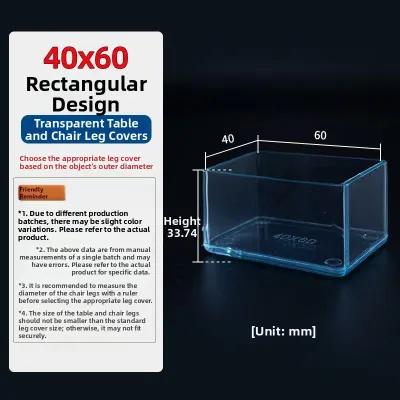
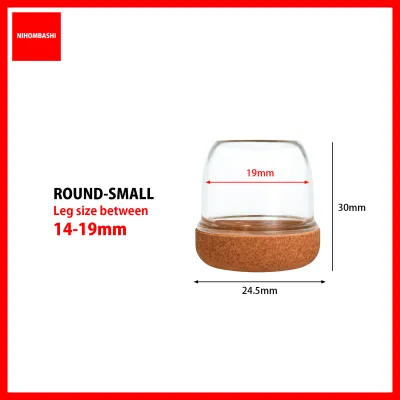
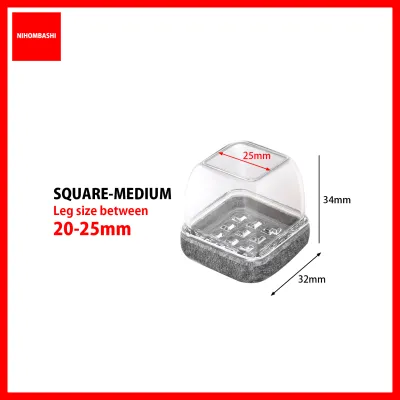
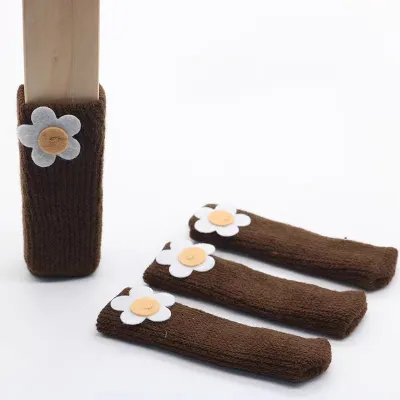
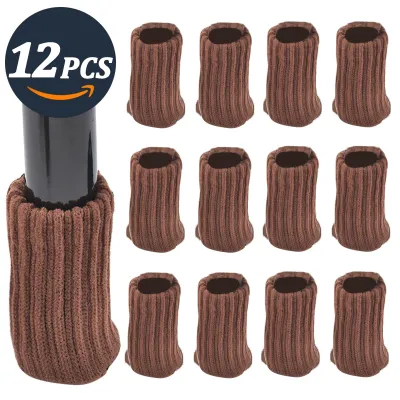
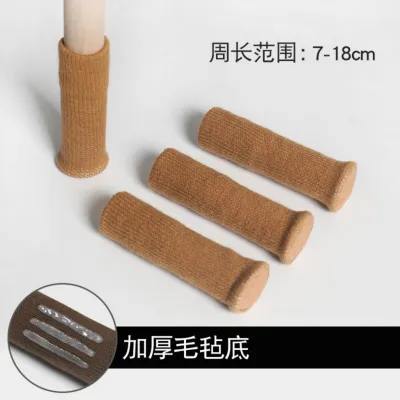
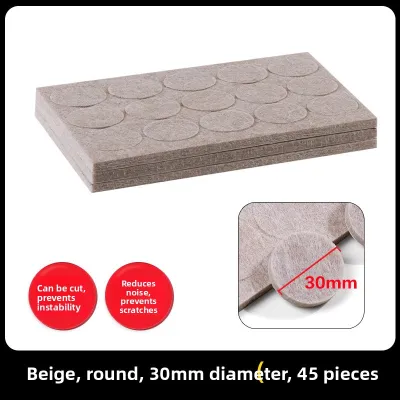
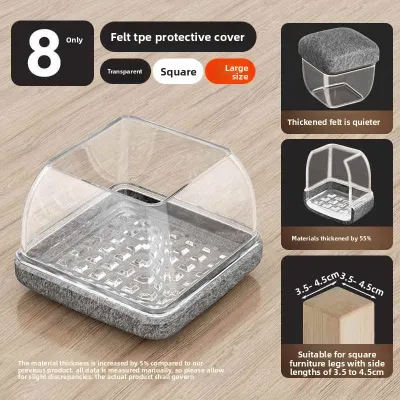
Prices are valid at publication and may change. Please refer to the product page for the latest price.
Luxury vinyl flooring (LVT) and vinyl sheets are softer and warmer underfoot than tile, but they are highly susceptible to pressure denting under concentrated furniture weight. Heavy dining chairs or bar stools can leave permanent depressions in the vinyl core if the load is not distributed properly. For these surfaces, shock absorption and weight distribution are critical to maintaining a flat, unblemished floor.
Parquet and engineered timber floors are highly prized for their natural warmth but are incredibly vulnerable to surface scratching from grit, dust, and hard chair legs. They require non-marking, secure-fitting protectors that will not trap abrasive particles underneath. Homeowners must verify whether their flooring manufacturer recommends or prohibits certain adhesive backings or rubber compounds, as some warranties are voided if specific plasticizers or strong adhesives are used.
Felt Pads: Evaluating Slide and Surface Protection
Felt pads are the classic choice for smooth, hard surfaces where frequent movement is expected. They excel on level tiles and well-sealed hardwood where dining chairs or study chairs must be pulled out and pushed in multiple times a day. The soft, fibrous texture of felt allows the chair to glide effortlessly across the floor, minimizing noise and friction.

However, felt pads have distinct limitations in Singapore’s tropical climate. The high relative humidity can weaken the pressure-sensitive adhesives commonly used to attach these pads, leading to sliding, peeling, or sticky residue transferring directly onto your floors. Furthermore, felt is highly susceptible to compressing over time under heavy loads, which rapidly reduces its cushioning ability.
The most significant risk with felt is dirt and grit accumulation. The fibrous structure easily traps dust, pet hair, and small sand particles swept in from open windows. Once embedded, these hard particles turn the soft felt pad into a piece of sandpaper, scratching the very floor it was meant to protect.
To prevent this, regular maintenance checks are essential. Homeowners should run a finger over the pads every few weeks to feel for hardness or embedded grit. If the felt feels compacted, stiff, or dirty, it is time to clean or replace them immediately to avoid surface damage.
Rubber Caps: Assessing Grip and Shock Absorption
Rubber caps are designed primarily for stability and impact protection. They are highly suited for vinyl flooring and smooth tiles where preventing the chair from sliding, shifting, or tipping is the priority, such as on bar stools, heavy armchairs, or kitchen island seating.
The primary benefit of rubber is its high coefficient of friction and shock-absorbing properties. When a person sits down, the rubber compresses slightly, absorbing the impact and distributing the weight across a wider surface area. This helps prevent the concentrated point-loading that causes permanent dents in vinyl floors.
However, this high friction is also a major trade-off. Moving a heavy chair with rubber caps requires lifting it entirely; dragging it can cause the rubber to grab the floor, potentially tipping the chair or straining the joints of the furniture. Additionally, some low-grade or synthetic rubbers can leave dark scuff marks or chemical residues on delicate floor finishes, especially under high humidity or warmth.
Before installing rubber caps, verify the hardness of the rubber and ensure the base of the cap is wide enough to distribute weight effectively. Check the manufacturer’s specifications to ensure the rubber is non-marking and safe for your specific floor finish.
Silicone Sleeves: Reviewing Secure Fit and Durability
Silicone sleeves represent a modern hybrid solution, combining a flexible, wrap-around sleeve with a built-in felt or padded base. They are highly effective for hardwood floors and chairs with angled, tapered, or irregular legs where standard adhesive pads quickly fail and peel off.
The main advantage of silicone is its secure, adhesive-free fit. The stretchable sleeve grips the chair leg tightly, ensuring the protector stays in place even when the chair is lifted, dragged, or tilted. This eliminates the risk of sticky adhesive transferring to your parquet floors.
Aesthetics and fit are closely linked when choosing silicone. Homeowners must measure their chair legs precisely to match the sleeve size. A sleeve that is too loose will slide down, trap dust and moisture inside, and look unsightly. Clear silicone sleeves blend reasonably well with light wood or metal legs, while tinted or dark sleeves are better suited for dark timber or black metal frames.
Over time, silicone can suffer from wear and tear. The sharp edges of metal or wooden chair legs can cut through the silicone base, or the sleeve itself can stretch out and tear. Regular visual checks are necessary to identify thinning at the base or splitting along the seams before the bare chair leg makes contact with the floor.
Matching Protectors to Floor Types: A Decision Matrix
To help you quickly align your floor surface with the most suitable protector type, refer to the decision matrix below. This summary highlights the primary benefits, key precautions, and verification steps for each combination.
| Floor Type | Felt Pads | Rubber Caps | Silicone Sleeves | Verify First |
|---|---|---|---|---|
| Tiles | Excellent for smooth sliding; dampens scraping noise. May wear quickly on rough grout lines. | Provides strong grip to prevent sliding; good for stationary stools. | Good hybrid option if fitted with a felt base; prevents sleeve slippage. | Check if grout lines are wide or uneven, which can shear off adhesive pads. |
| Vinyl | Slides easily but offers minimal dent protection under very heavy furniture. | Excellent weight distribution and shock absorption; prevents denting. | Secure fit; choose models with wide bases to distribute heavy loads. | Verify if the vinyl manufacturer warns against specific rubber compounds that cause staining. |
| Hardwood | Soft and gentle; ideal for frequent sliding. Must be kept free of trapped grit. | Not recommended for sliding chairs; high risk of scuffing delicate finishes. | Highly recommended; wraps securely without adhesive to prevent scratches. | Check if the wood sealant is sensitive to adhesive residues or friction heat. |
Measuring, Preparing, and Installing Your Protectors
Proper installation is key to ensuring long-term floor protection and furniture stability. The process begins with precise measurement. Use a caliper or a flexible measuring tape to determine the exact diameter of round legs, or the width and depth of square and rectangular legs. Do not guess, as even a two-millimeter difference can cause sleeves to slip or caps to fall off.
Preparation of the chair leg base is the next critical step. For adhesive felt pads, the wood or metal surface must be completely free of dust, old adhesive residue, and oils. Clean the bottom of each leg with a damp cloth and a mild detergent, or a light rubbing alcohol if the furniture finish permits, and let it dry completely. For slip-on caps and sleeves, ensure the leg is clean so that trapped dirt does not act as an abrasive inside the sleeve.
During installation, verify that the protector sits perfectly flush with the floor surface when the chair is upright. If the chair legs are angled, standard flat caps may wear unevenly or cause the chair to wobble; in such cases, angled protectors or flexible silicone sleeves are required. Ensure no adhesive overlaps or squeezes out from under felt pads, as this sticky residue will attract dirt directly onto your floor.
There are clear stop conditions where you should halt installation. If your chair legs have highly irregular shapes, sharp metal glides, or if your flooring has an extremely delicate, hand-scraped, or unsealed finish, do not force a generic protector. Stop and consult either the furniture manufacturer or a professional flooring installer to find a custom, safe solution.
Frequently Asked Questions (FAQ)
How often should I replace my chair leg protectors?
There is no fixed calendar timeline for replacing chair leg protectors, as wear rates depend on chair usage, occupant weight, and floor texture. Instead, rely on regular visual and tactile inspections. Felt pads should be checked monthly; if they feel hard, compressed to less than half their original thickness, or have visible dirt embedded, replace them immediately. Rubber caps should be inspected for cracking, flattening, or splitting, which indicates the material is drying out or overloaded. Silicone sleeves should be checked for tearing around the top rim or thinning at the bottom where the leg edge presses down.
Can I use the same protector type for all furniture in my home?
Standardizing a single protector type across all furniture is generally not recommended because different pieces serve different functions. Heavy dining chairs that are moved multiple times a day require low-friction protectors like felt pads or silicone-felt hybrids to slide easily without straining the user or the floor. Conversely, stationary furniture like sofas, heavy sideboards, or bar stools benefit more from high-friction rubber caps that prevent sliding and distribute heavy loads to avoid denting vinyl or scratching tiles. Always match the protector to the specific combination of furniture weight, movement frequency, and the underlying floor material in each room.
Community discussion
Share your experience or ask a question. Comments are reviewed before publication.