
A rotating shoe cabinet typically holds between 12 to 40 pairs of shoes, but the actual capacity depends heavily on shoe size, style, and the cabinet’s physical dimensions. While manufacturers often advertise maximum capacities based on small, flat footwear like slippers or sandals, real-world household collections containing bulky sneakers, heels, and boots will fit significantly fewer pairs. To find a unit that fits your home, you must look past the headline numbers and calculate capacity based on your specific footwear profile and the cabinet’s internal layout.
Understanding Manufacturer Capacity Claims vs. Reality
When browsing for a new rotate shoe cabinet, the advertised capacity can easily mislead buyers. Manufacturers often calculate the maximum pair count using ideal, low-profile footwear. This means the advertised limit is typically achieved by packing every tier with flat sandals, thin slippers, or children’s shoes placed side by side without any gaps.
In a typical household, footwear is rarely uniform. Bulky items like thick-soled running shoes, high-top sneakers, and leather dress shoes occupy far more physical volume than a standard flat sandal. When you place these wider and taller shoes onto the rotating shelves, they consume extra horizontal width and vertical clearance, which immediately slashes the usable capacity of each tier.
Products mentioned in this guide
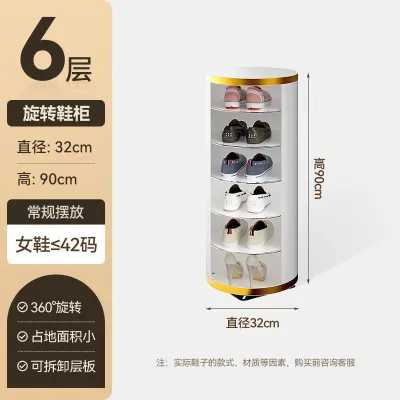
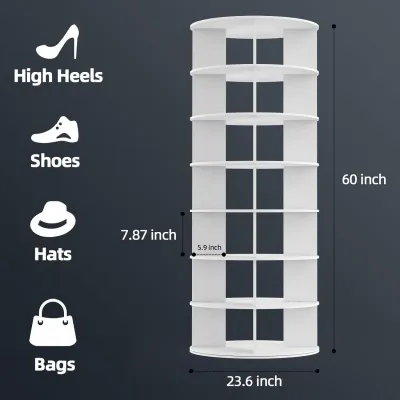
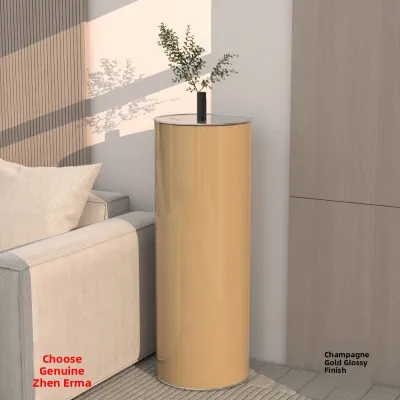
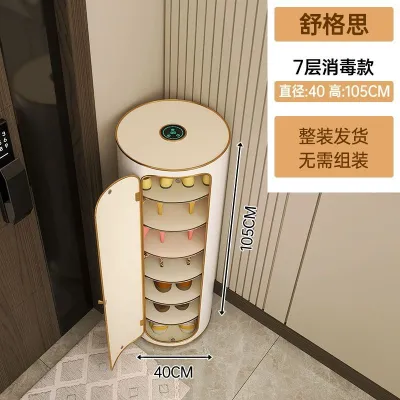
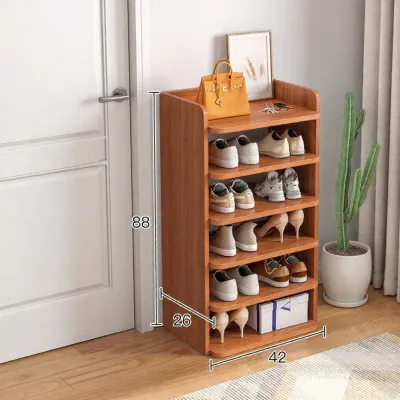
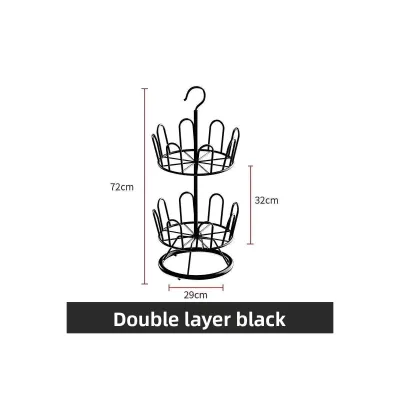
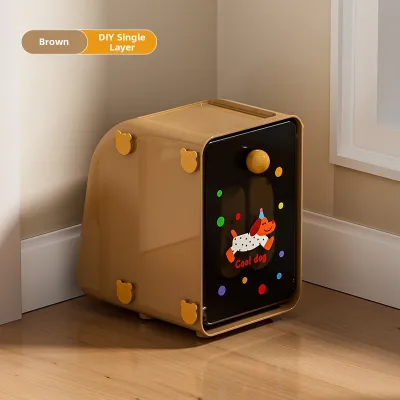
Prices are valid at publication and may change. Please refer to the product page for the latest price.
To avoid disappointment, look beyond the headline pair count and focus on the structural specifications of the cabinet. Check the total number of tiers, the height clearance between each shelf, and the exact diameter of the rotating carousel. Calculating the physical surface area of each tier provides a much more reliable estimate of how many of your own shoes will actually fit.
How to Calculate the Realistic Capacity for Your Household
Estimating your actual storage needs requires a systematic audit of your current footwear collection. Begin by sorting your shoes into distinct categories based on their physical size and shape. Group your everyday sneakers, formal leather shoes, flat sandals, and high-heeled shoes or boots separately so you can see the diversity of your collection.

Next, consider how these different shapes interact with a circular rotating shelf. Unlike traditional rectangular shelves, a rotating carousel features wedge-shaped or curved storage zones that taper toward the center. This design means that wider shoes must sit toward the outer edge, where there is more circumference, while narrower shoes can be tucked into tighter spots. You must also account for heel overhang, as shoes that are too long may stick out past the shelf edge and scrape against the outer cabinet wall during rotation.
To ensure your cabinet operates smoothly without damaging your footwear, always incorporate a safety buffer into your calculations. We recommend reserving roughly 15% to 20% of the shelf space as empty buffer zone. This extra clearance prevents shoes from rubbing against each other, allows the mechanism to spin without friction, and makes it much easier to retrieve a pair without knocking adjacent shoes out of alignment.
Key Dimensions and Space Requirements for Installation
Before purchasing a rotating shoe cabinet, you must carefully evaluate the physical space where it will stand. A common oversight is focusing solely on the static footprint of the cabinet when it is closed. Because these units rotate, you must account for the full swing radius and clearance required during operation, ensuring the rotating shelves do not strike nearby walls or furniture.
Vertical and structural clearances are equally critical for a successful installation. Measure your ceiling height, the thickness of your baseboards, and the swing path of adjacent room doors or closet doors. If the cabinet is placed too close to a door frame, even a minor misalignment can cause physical interference, preventing either the door or the cabinet from opening fully.
Finally, inspect the condition of your floor. A perfectly flat and level floor is essential for any tall, rotating storage unit. If the floor slopes or has uneven tiles, the cabinet may lean slightly, which puts uneven stress on the central rotating bearing. Over time, this tilt can cause the rotating mechanism to bind, squeak, or fail under the heavy weight of a fully loaded shoe collection.
Adjusting Shelves and Maximizing Vertical Space
To get the most out of your storage, look for a rotating cabinet that offers adjustable or removable tier boards. Footwear heights vary dramatically between flat sandals and ankle boots, and fixed-height shelves often lead to wasted vertical space. Being able to customize the height of individual tiers allows you to create dedicated zones for different shoe types.
When organizing your cabinet, plan a zoning strategy that prioritizes stability and smooth rotation. Place your heaviest and tallest footwear, such as boots or heavy work shoes, on the lowest tiers of the cabinet. Keeping the heaviest items at the bottom lowers the unit’s overall center of gravity, which significantly improves stability and reduces the risk of the cabinet tipping or wobbling when spun.
Always verify the manufacturer’s specified weight limit per shelf before loading the cabinet. Overloading individual tiers with heavy leather shoes or boots can cause the shelf boards to bow or sag over time. Even a slight bend in a shelf can interfere with the rotating mechanism, causing it to jam or rub against the outer frame of the cabinet.
Common Sizing Mistakes to Avoid Before Buying
One of the most frequent mistakes buyers make is failing to account for the clearance needed for daily traffic. A rotating cabinet might fit perfectly in a corner, but if it blocks a hallway or prevents a nearby door from opening fully when in use, it will quickly become a daily frustration. Ensure there is ample room to stand comfortably in front of the cabinet while spinning and selecting your shoes.
Another common error is buying a cabinet that only accommodates your current collection with zero room for growth. Footwear collections naturally expand over time as you purchase seasonal shoes or add new styles. Choosing a unit that is already at maximum capacity on day one leaves no room for future purchases, forcing you to find alternative storage solutions later.
Lastly, do not assume that all rotating cabinets share the same internal depth. Many compact models are designed specifically for smaller shoe sizes and may not accommodate larger men’s shoes comfortably. If the internal shelf depth is shallower than the length of your largest shoes, those pairs will overhang the shelves, preventing the cabinet from rotating smoothly or causing the shoes to get crushed against the back panel.
Frequently Asked Questions (FAQ)
Can a rotating shoe cabinet fit large men's sneakers?
Yes, but you must verify the internal shelf depth against the physical length of the largest shoes in your household before purchasing. Standard rotating cabinets often accommodate shoes up to a certain size, but larger men’s sneakers or high-tops may exceed this limit. To make them fit, you can try angling the shoes slightly on the shelf or placing them on the outermost edges of the tier where the circular radius is widest.
Does the central pole reduce the usable shoe space?
Yes, the central rotating pole creates a structural dead zone in the middle of each tier where shoes cannot be placed flat. This central column reduces the overall flat surface area compared to a traditional rectangular shelf. To optimize this space, place narrower items like children’s shoes, slim flats, or folded slippers closest to the center pole, leaving the wider outer areas for bulkier adult footwear.

Community discussion
Share your experience or ask a question. Comments are reviewed before publication.